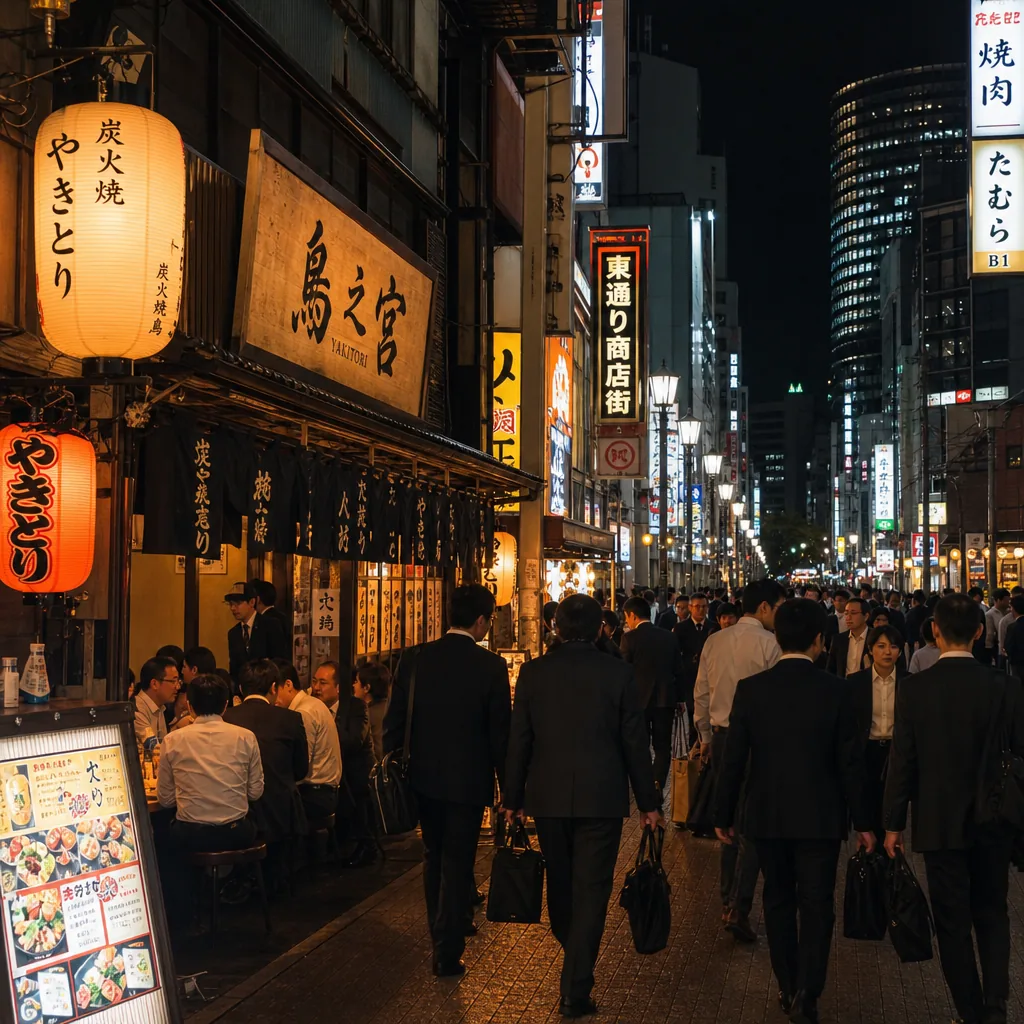
Where can I find english-friendly yakitori in Osaka after work?
Find English-friendly yakitori in Osaka after work by targeting Umeda, Namba, and Honmachi, plus booking sites and multilingual menus.
Which Tokyo ramen shops are best for English-speaking expats? The best choices are the places that make ordering simple: shops with English menus, clear ticket machines, or standardized systems that reduce guesswork. In Tokyo, that usually points to well-known chains and high-traffic ramen hubs, where staff are more likely to handle international visitors and the process is easier to follow [1][2].
Tokyo is one of the easiest cities in Japan for ramen because the city has an enormous number of shops and many of them are built around a fast, repeatable ordering system. The Tokyo Convention & Visitors Bureau notes that ramen culture in the city is broad, with everything from classic soy-sauce styles to richer soups, and that variety helps expats find a bowl that matches their preferences [1].
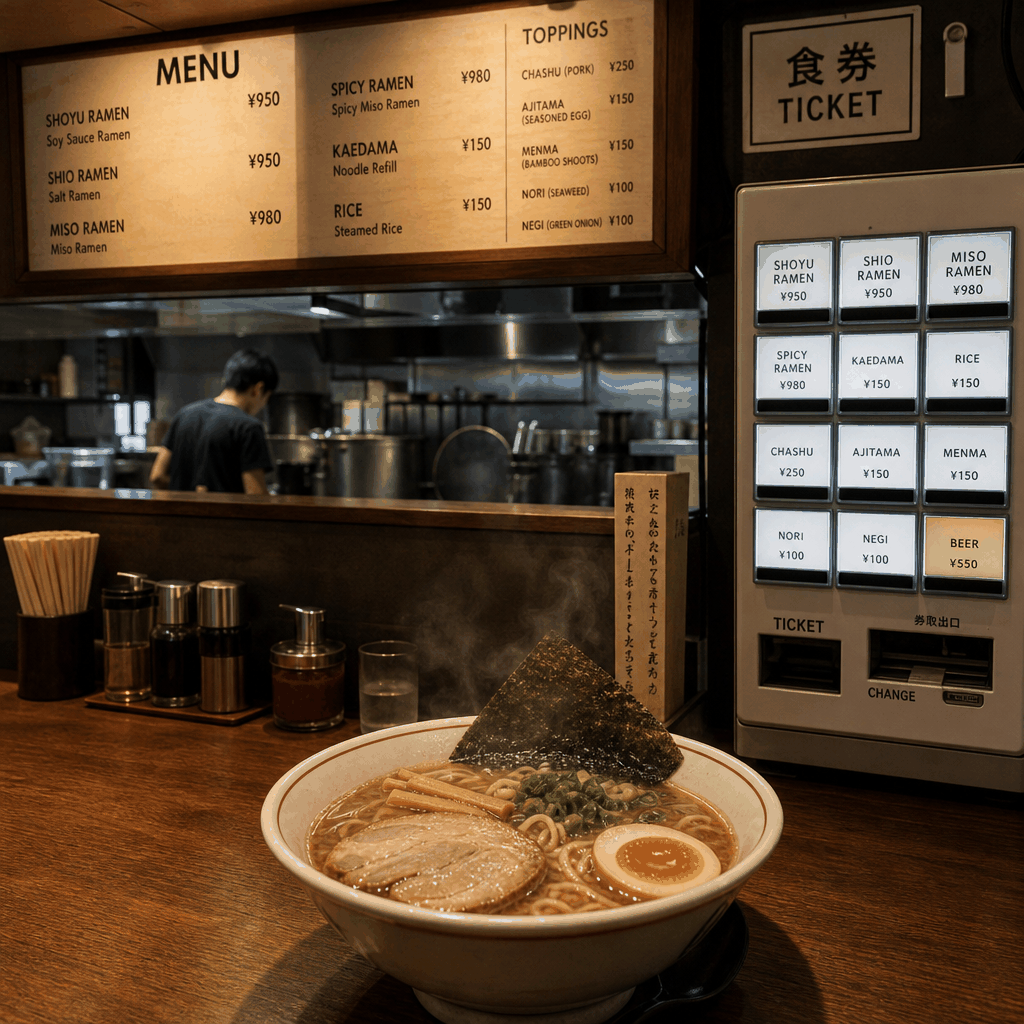
For English speakers, the practical advantage is that ramen is often ordered with a ticket machine or a short counter interaction rather than a long conversation. JNTO also explains that many ramen shops use meal ticket systems, which can make the process straightforward once you know the basics [2].
The most expat-friendly ramen shops in Tokyo usually share a few features. First, they clearly label menu items in English or use photos, so you can identify broth style and toppings before ordering. Second, they keep the ordering process simple, especially if there is a ticket machine with English guidance or a standardized menu across branches [2].
Third, the staff may be used to international customers because the shop sits in a busy neighborhood or tourist area. That does not mean every employee speaks English fluently, but it often means the basics are easier to handle. Finally, many large chains publish English information on their official websites, which helps you check hours, menu structure, and branch-specific details before you go [3][4][5].
If you want the most predictable experience, start with Ichiran. Its official English site is built around helping visitors understand the system in advance, including its signature solo dining booths and straightforward ordering style [3]. That setup is useful for expats who want to avoid complicated conversations. Because the chain standardizes its experience, it is often easier than a small independent shop on your first few ramen runs [3].
AFURI is another strong choice for English speakers. Its official English website makes it easy to preview its branding, shop format, and menu style before you arrive [4]. AFURI is also useful for people who want a lighter, more approachable bowl compared with richer styles. For many expats, the value is not just the food but the reduced friction: a recognizable brand, readable information, and a cleaner decision process [4].
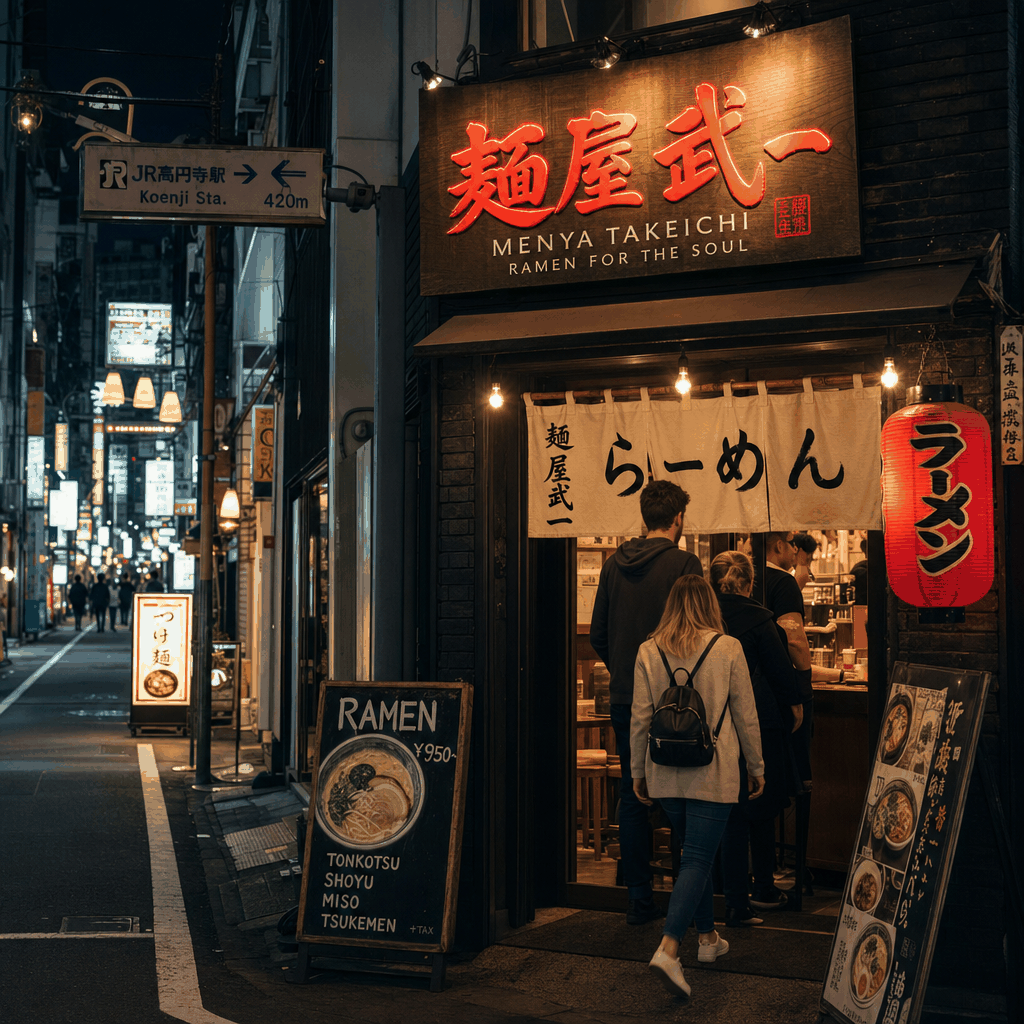
Nakamoto is a good example of a famous Tokyo ramen brand that can still work for non-Japanese speakers if you prepare in advance. Its official site provides brand information and branch guidance, which helps you identify the style before visiting [5]. Because this shop is known for its distinctive spicy ramen, it appeals to people who want something memorable rather than a generic bowl. The key for expats is to check the official information first and be ready to identify your bowl quickly if the shop uses a ticket machine or a tight counter setup [5].
Tokyo Ramen Street at Tokyo Station is especially practical for newcomers because it collects several ramen shops in one location, reducing the risk of arriving at the wrong place or facing a confusing setup [6]. The official site lists it as a ramen area in Tokyo Station’s underground complex, which is convenient if you are transferring, meeting friends, or testing different styles in one visit [6]. For English-speaking expats, the advantage is choice plus structure: multiple shops, one location, and a space designed for heavy foot traffic [6].
Start by identifying the broth style. The most common labels you will see are shoyu, shio, miso, and tonkotsu. JNTO’s ramen guide explains that ramen styles are often organized by soup base, so understanding those four terms covers a lot of ground [2]. If you only remember one thing, remember that shoyu means soy sauce, shio means salt, miso means fermented soybean paste, and tonkotsu means pork bone [2].
In many shops, your first step is a ticket machine. Insert money, choose your item, and hand the ticket to staff if needed. Some machines are Japanese-only, but the best expat-friendly shops and major tourist areas often provide English labels, photos, or a simpler menu layout [2][3][6]. If the machine is confusing, look for the nearest staff member and point to the item you want; in busy Tokyo shops, this is common and usually accepted.
When customizing, keep it simple. Many ramen shops allow choices for noodle firmness, garlic, oil, and spice level, but you do not need to customize anything. If you want the easiest route, order the default bowl first and adjust next time. That is often better than trying to navigate every option under pressure.
Shibuya and Shinjuku are good starting points because they have heavy foot traffic, many chain branches, and frequent international visitors. In areas like these, English menus and picture-based ordering are more common than in quieter residential districts. Roppongi is also practical because it has long served an international crowd, so ramen shops there are often used to foreign customers. Asakusa is another useful area because of its visitor-friendly environment and concentration of shops around major sightseeing routes [1][2].
Tokyo Station is worth special attention because Tokyo Ramen Street brings multiple shops together in one convenient place [6]. If you are new to ramen ordering in Japan, this is one of the safest places to experiment because the setting is built for volume and quick turnover, not a complicated dining experience.
In the end, the best Tokyo ramen shops for English-speaking expats are the ones that reduce uncertainty. Ichiran, AFURI, Nakamoto, and Tokyo Ramen Street are all useful because they combine strong branding, clear ordering systems, or concentrated shop locations [3][4][5][6]. If you start with those, then learn the basic broth terms and ticket-machine routine, you can enjoy Tokyo ramen with far less stress and a lot more confidence [1][2].
CallButler is a multilingual concierge service that handles research, coordination, and bookings so you do not have to navigate language barriers or unfamiliar systems alone. If you need help related to Which Tokyo ramen shops are best for English-speaking expats? or the tasks around it, our team can step in to manage the details and keep things moving smoothly.
Find English-friendly yakitori in Osaka after work by targeting Umeda, Namba, and Honmachi, plus booking sites and multilingual menus.
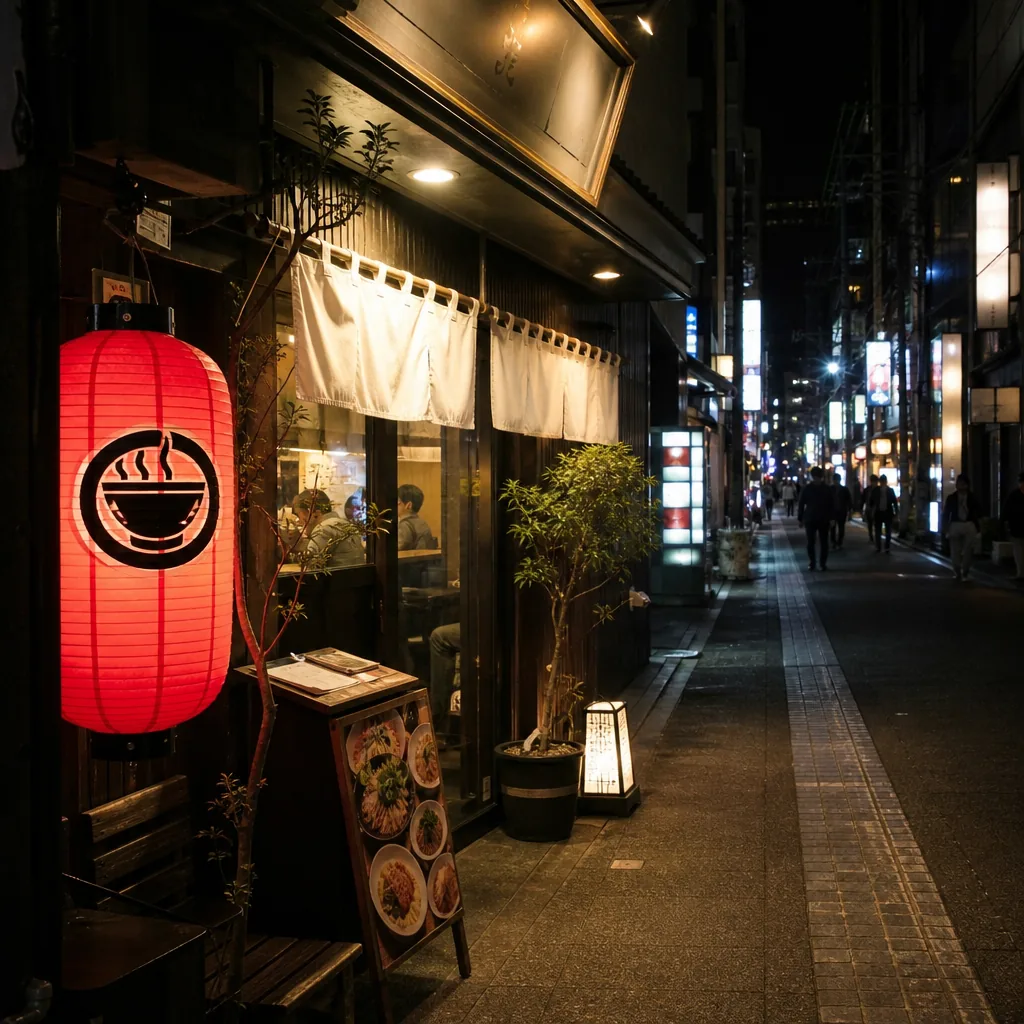
Looking for halal ramen in Kyoto after 10 p.m.? Here’s where to check, which areas are most practical, and how to verify hours and halal status.
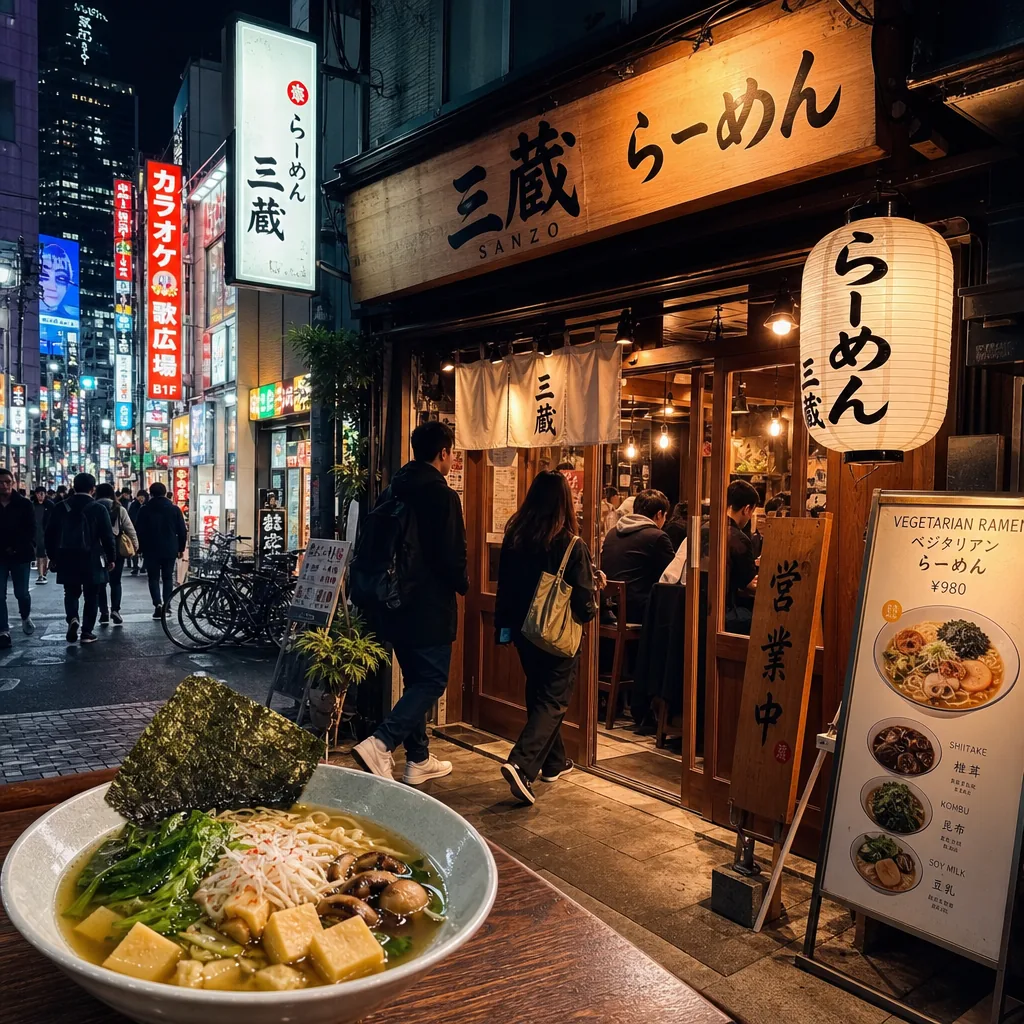
Find late-night vegetarian ramen in Tokyo by focusing on Shibuya, Shinjuku, and Roppongi, then verify broth, hours, and vegan menu details.