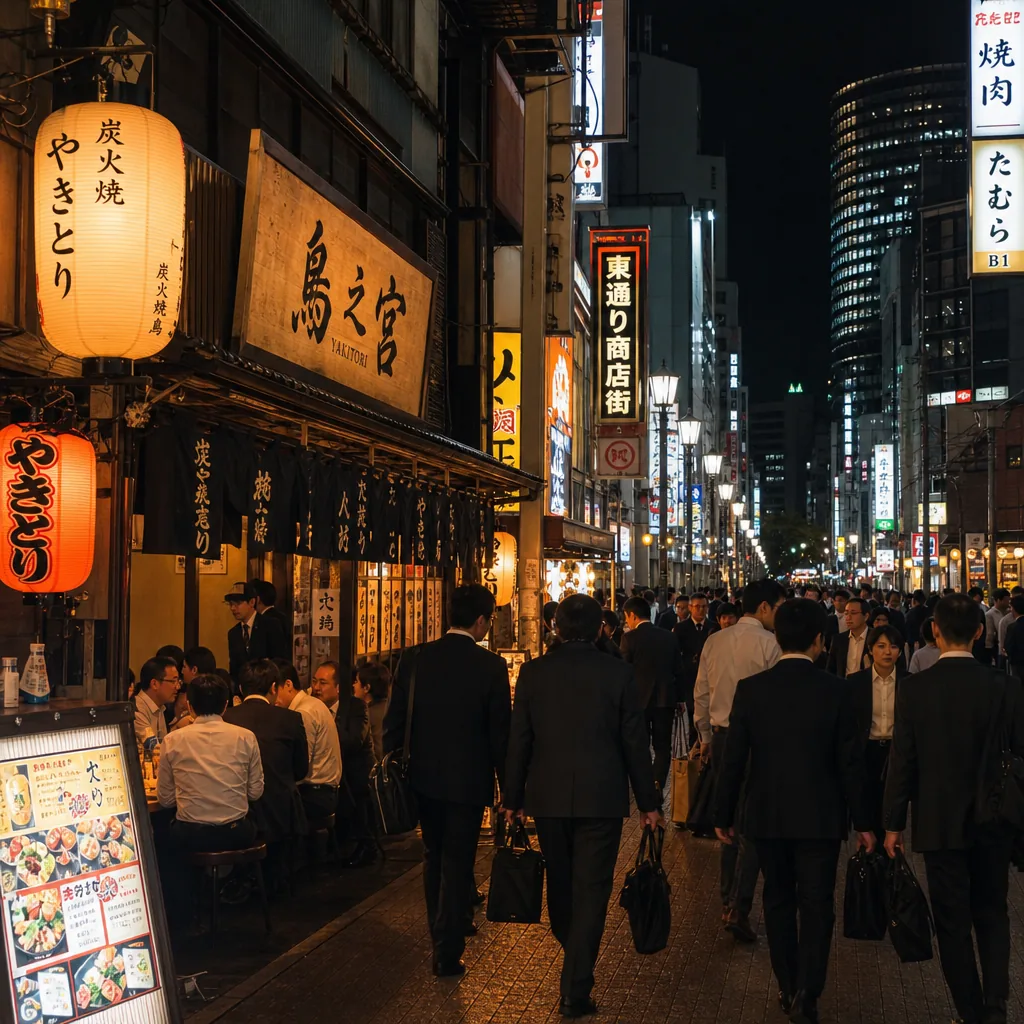
Where can I find english-friendly yakitori in Osaka after work?
Find English-friendly yakitori in Osaka after work by targeting Umeda, Namba, and Honmachi, plus booking sites and multilingual menus.
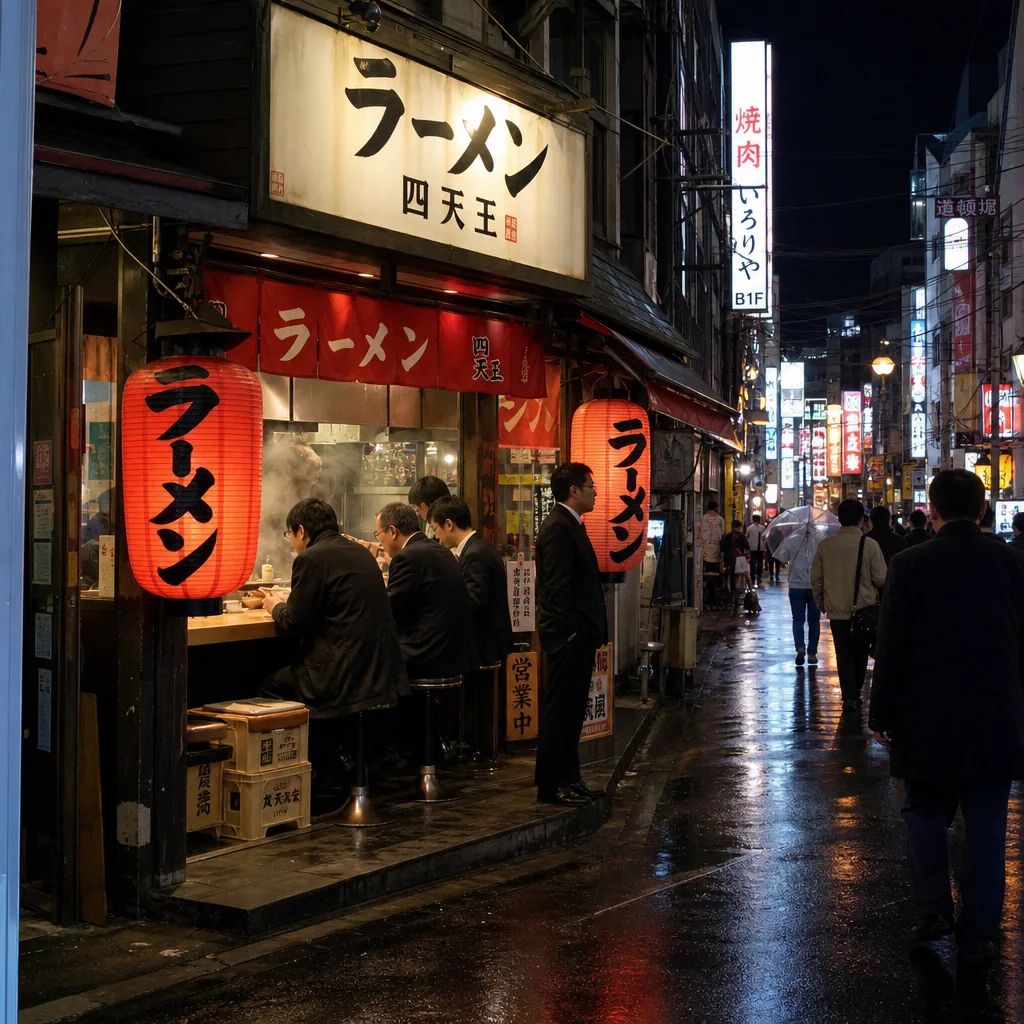
Yes—your best odds are in Osaka’s nightlife districts, especially Namba, Dotonbori, Shinsaibashi, and Umeda, where ramen shops are more likely to stay open past 10 pm than in quiet residential areas [1][2][3][4]. To find something that feels authentic, focus on shops with a simple ramen-led menu, Japanese-language details about broth and noodles, and hours you can verify the same day on the shop’s own site or Google Maps.
Osaka is one of Japan’s easiest cities for late-night eating because its busiest food corridors overlap with entertainment, shopping, and rail hubs. The Osaka Convention & Tourism Bureau’s area guides highlight Namba, Dotonbori, Shinsaibashi, and Umeda as major districts for dining and nightlife, which makes them the most practical places to start your search after 10 pm [1][2][3][4].
That matters because late-night ramen tends to cluster where foot traffic stays high. In Osaka, that usually means areas near major stations and neon-heavy streets rather than side streets in residential neighborhoods. If you are arriving late, plan around transit access first and ramen second.
Namba is one of the best bets because it combines rail access with dense nightlife and dining. The area guide emphasizes its role as a lively entertainment and shopping district, so it is a realistic place to look for restaurants that keep later hours [1].
Dotonbori is another strong option. It is one of Osaka’s most famous food areas, and its tourism guide frames it as a busy destination for eating and sightseeing, which is exactly the kind of environment where ramen shops often stay open late [2].
Shinsaibashi works well if you want a mix of shopping and food. Because the area is a major commercial corridor, it often has more late-opening restaurants than quieter neighborhoods farther from the station [3].
Umeda is especially useful if you are coming from the north side of the city or transferring through Osaka Station. Its official area guide describes it as a central urban hub, which usually translates into more late-night dining choices close to transit [4].
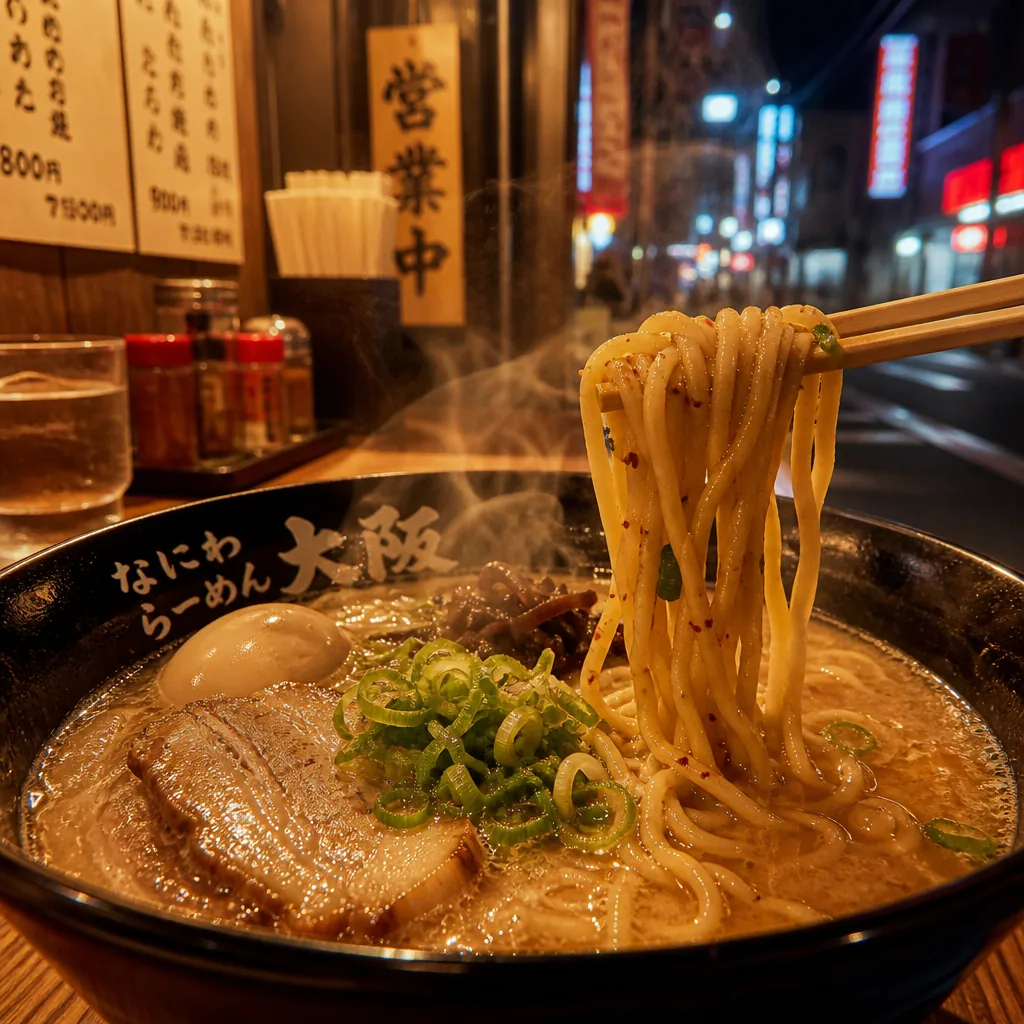
In Osaka, “authentic” late-night ramen is less about a single signature flavor and more about a shop that does ramen seriously and consistently. Common styles include rich tonkotsu, shoyu, miso, and local variations served by independent shops and established chains. The strongest signs are a focused menu, clear broth descriptions, and a shop identity built around ramen rather than a broad all-purpose izakaya menu.
Look for places that present their ramen in Japanese as well as English, list broth and noodle details, and show steady local traffic. A shop that is busy with office workers, students, or local groups late at night is often a better sign than a place that relies only on tourist foot traffic near a landmark.
Do not rely on a single directory listing. Even in a late-night district, ramen hours can change by day of week, season, or staffing. The safest method is to check three places before leaving: the shop’s official website, Google Maps, and the shop’s social media or posted notices.
Osaka’s official tourism pages are useful for choosing the right district, but they do not replace shop-level verification for exact opening times [1][2][3][4][5]. That distinction is important: the neighborhood guide tells you where to search, while the shop’s own information tells you whether you will actually get a bowl after 10 pm.
Arrive before midnight if you can. Late-night ramen spots in popular districts often get busier as the evening goes on, and lines can form quickly around train arrival times, last drinks, or post-event crowds. If you show up too close to closing, you may run into a sold-out broth or a last-order cutoff.
It also helps to choose the right block. In Namba and Dotonbori, stay near the busiest commercial streets first, then fan out toward side streets if your first choice is full [1][2]. In Umeda and Shinsaibashi, proximity to station exits usually matters more than wandering far into smaller lanes [3][4].
For a better chance at an authentic-feeling bowl, use this quick checklist:
If you want the simplest strategy, start in Namba or Dotonbori, check one or two ramen shops near the main streets, and keep Umeda or Shinsaibashi as backup options [1][2][3][4]. That approach gives you the best balance of convenience, late hours, and a more local Osaka ramen experience.
CallButler is a multilingual concierge service that handles research, coordination, and bookings so you do not have to navigate language barriers or unfamiliar systems alone. If you need help related to Where can I find authentic ramen in Osaka after 10 pm? or the tasks around it, our team can step in to manage the details and keep things moving smoothly.
Find English-friendly yakitori in Osaka after work by targeting Umeda, Namba, and Honmachi, plus booking sites and multilingual menus.
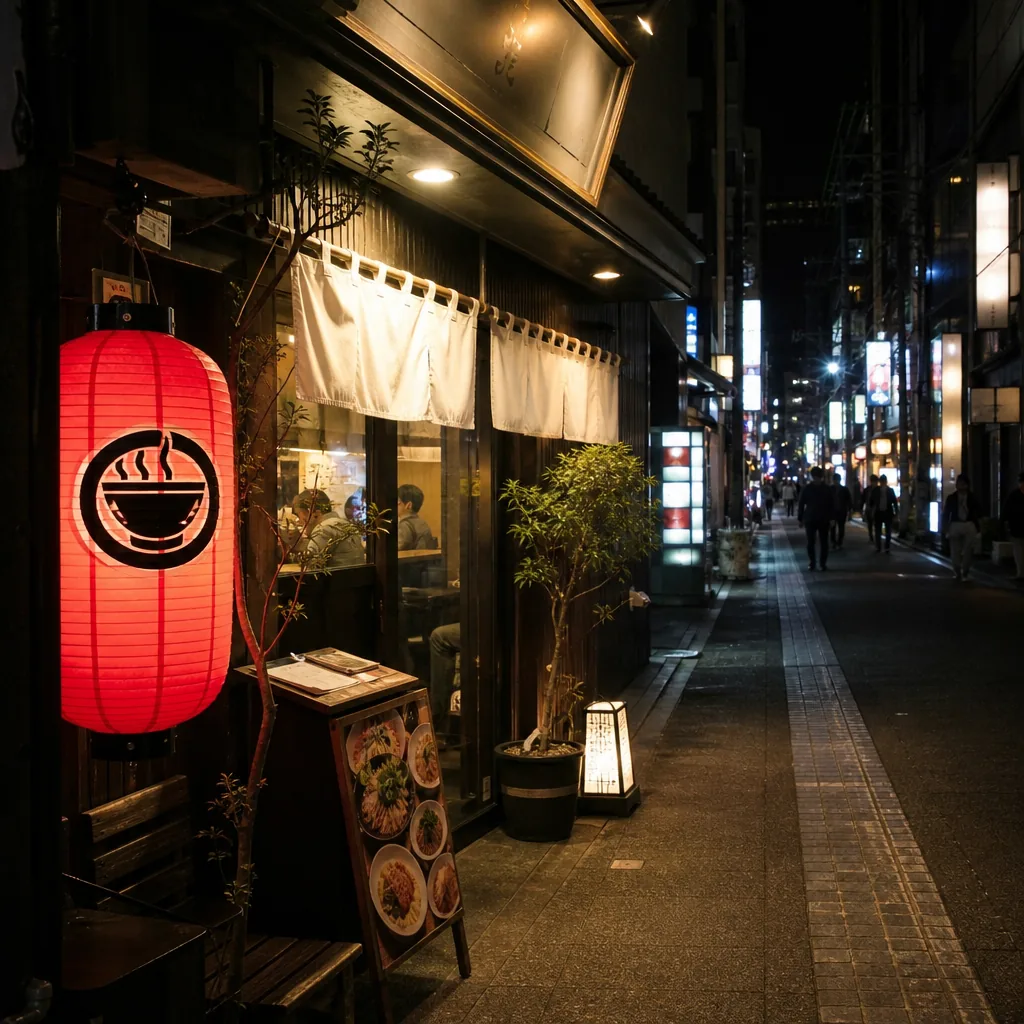
Looking for halal ramen in Kyoto after 10 p.m.? Here’s where to check, which areas are most practical, and how to verify hours and halal status.
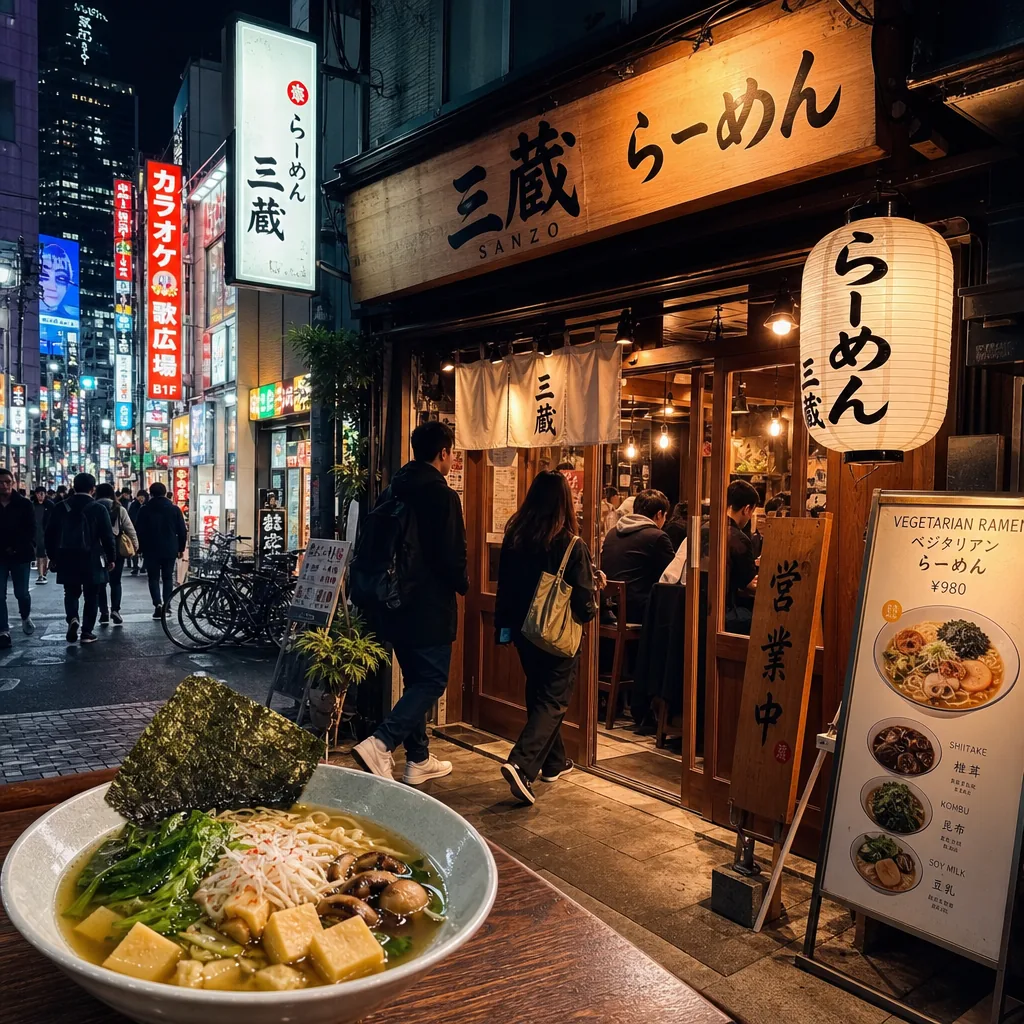
Find late-night vegetarian ramen in Tokyo by focusing on Shibuya, Shinjuku, and Roppongi, then verify broth, hours, and vegan menu details.