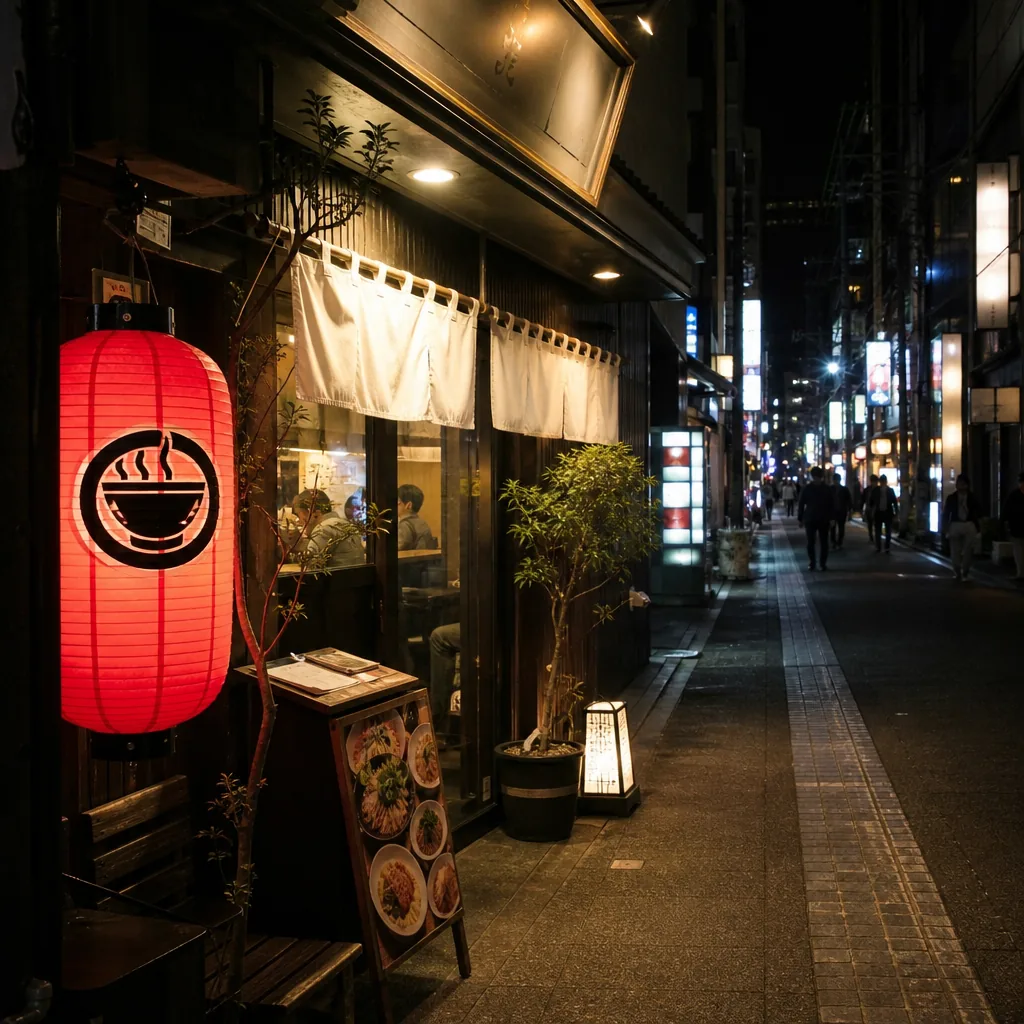
Where can expats find halal ramen in Kyoto after 10 p.m.?
Looking for halal ramen in Kyoto after 10 p.m.? Here’s where to check, which areas are most practical, and how to verify hours and halal status.
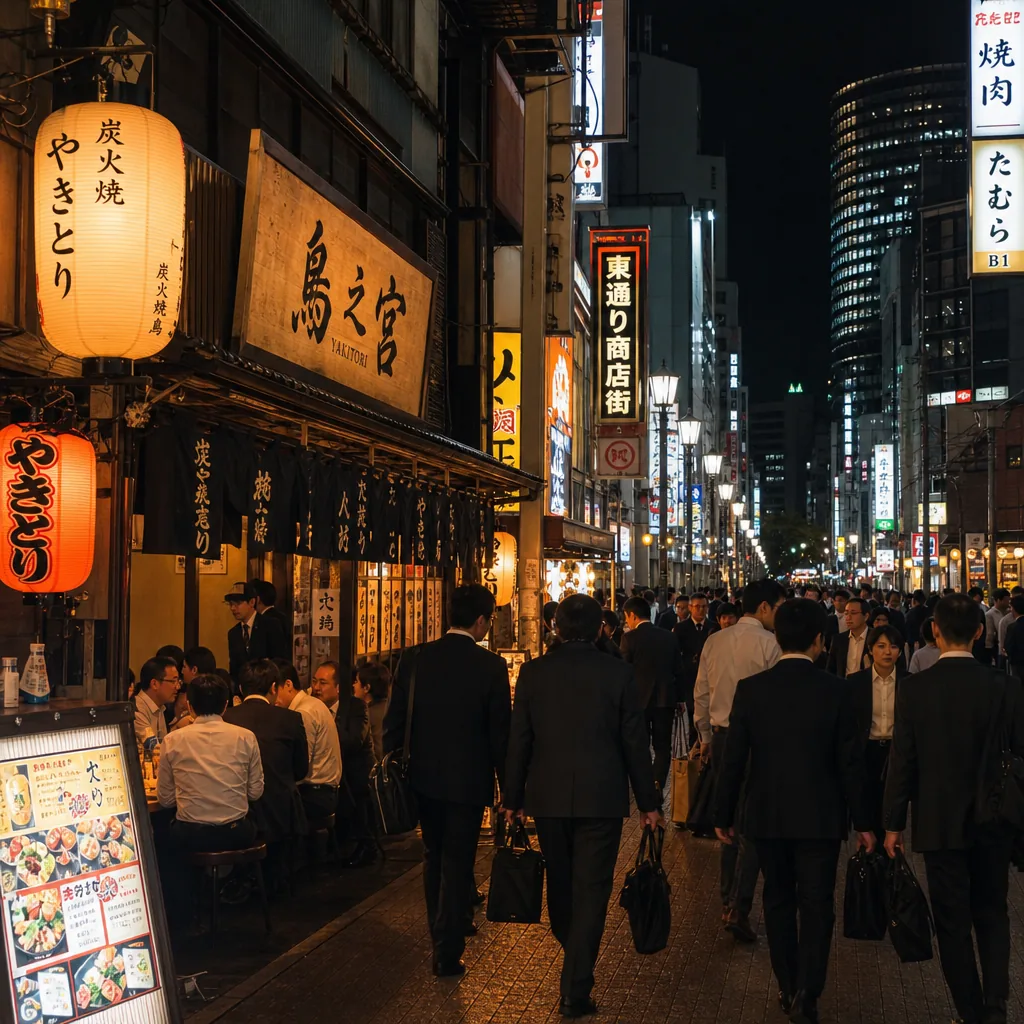
Where can you find English-friendly yakitori in Osaka after work? The most reliable answer is in Osaka’s central business and nightlife districts—especially Umeda, Namba, and Honmachi—where station access, restaurant clusters, and booking platforms make English-friendly dining much easier to find [1][2][5]. If you choose places with English menus, online reservations, or chain-brand multilingual support, you can usually avoid most ordering stress and still get a quick post-work meal [3][4].
Osaka is especially convenient for after-work yakitori because the city’s dining culture is built around office districts and train stations. Osaka’s official tourism resources point to central areas as practical places to eat and drink, and the city’s restaurant listings emphasize the ease of finding food in the downtown core [1][2].
That matters if you are eating after office hours. Yakitori is often best enjoyed in places that turn tables quickly, accept walk-ins, and stay open late enough for commuters. In Osaka, those conditions are common near major transit hubs such as Osaka-Umeda Station, Namba Station, and Honmachi Station, all of which are connected by the Osaka Metro network [5].
For English-friendly dining, the practical advantage is not just location. It is the combination of dense restaurant choice and better digital visibility. Restaurants that appear on English-language booking sites or on tourism listings are more likely to provide an English menu, simple reservation flow, or at least enough pictures to make ordering manageable [3][4].
Umeda is the safest starting point if you want convenience. It is one of Osaka’s biggest transport and business hubs, so after-work diners naturally funnel into the area. Osaka’s tourism pages highlight the city center as a dining base, and Umeda’s station connectivity makes it easy to meet colleagues or eat solo without leaving the office zone [1][5].
Look around the broader Kita/Umeda area for chain yakitori and izakaya restaurants that post English booking pages or multilingual menus. Because Umeda is heavily used by business travelers, it is also a good area to check English-friendly listings on GURUNAVI and Hot Pepper Gourmet before you go [3][4].
Namba is the best option if you want a livelier, more nightlife-oriented atmosphere after work. Osaka’s dining and sightseeing information repeatedly points to the Minami side as a major food district, and Namba’s station access makes it easy to move between the office, dinner, and late trains [1][2][5].
Honmachi is often the most practical choice if you work in central Osaka and want something lower-key than Namba. It sits between the business-heavy and entertainment-heavy parts of the city, so you can often find yakitori spots that cater to office workers leaving late. If you are choosing a restaurant here, prioritize shops that explicitly show English support online rather than relying on street-level signs alone [3][4].
The easiest way to reduce uncertainty is to filter before you arrive. English-friendly yakitori in Osaka is most often found through restaurant platforms that support English search and reservations, or through listings that clearly display English names, photos, and menu pages [3][4].
Start with booking sites such as Hot Pepper Gourmet and GURUNAVI. Both provide Osaka-area restaurant search tools in English, which makes it easier to scan for stations, neighborhoods, and opening hours before deciding where to go [3][4]. If you see a restaurant page with an English menu or English reservation interface, that is usually a strong sign that ordering will be manageable once you sit down.
Another useful shortcut is looking for chain-style yakitori and izakaya brands that operate in central Osaka. Chains are not automatically better, but they often standardize menus and make basic ordering easier for first-time visitors. In a post-work situation, that can matter more than finding the most famous grill in town.
One practical example is to search by station rather than by cuisine alone. If you search near Osaka-Umeda, Namba, or Honmachi on an English booking platform, you are more likely to find restaurants that already expect non-Japanese speakers [3][4][5].
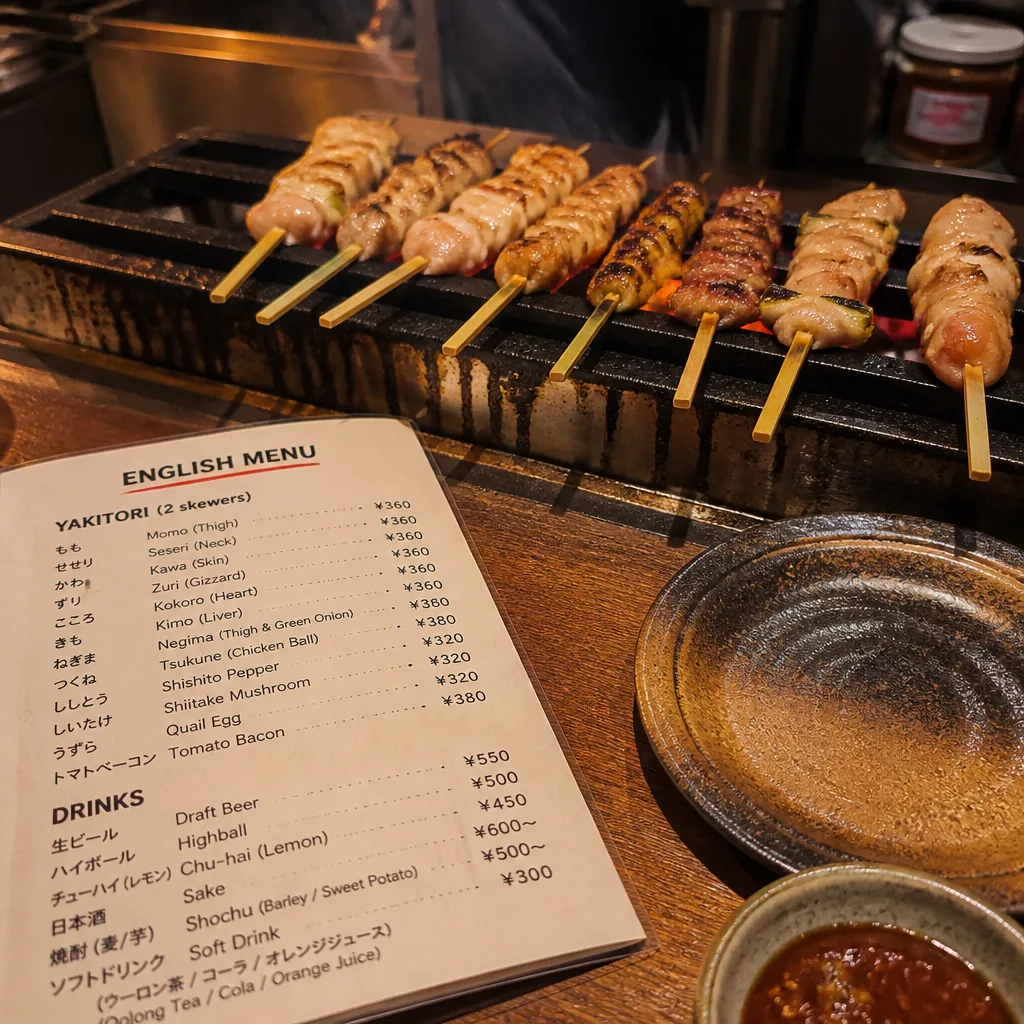
If you are going after work, arrive with a simple plan. Yakitori restaurants can fill quickly around station areas in Osaka, especially when office workers finish at the same time. Booking ahead through an English-supported platform is the lowest-risk option if you want a specific time or group size [3][4].
When you arrive, keep the order simple. A mix of chicken skewers, one side dish, and one drink is a normal way to start at an izakaya-style yakitori spot. If the menu is bilingual, use the English names to avoid confusion; if not, point to the picture or show the item on your phone. That is still common and accepted in busy restaurant districts.
It also helps to plan around transit. Osaka Metro’s route map shows how easily you can move between central neighborhoods, so a station-adjacent restaurant is usually the most efficient choice after work [5]. In practice, that means you can eat near the station closest to your office instead of crossing the whole city for dinner.
If you want a smoother experience, choose places that publish at least one of these three signals:
For Osaka specifically, the most useful first step is to check local tourism and restaurant guides that focus on central dining areas. Osaka Info’s dining pages and Osaka Convention & Tourism Bureau restaurant listings both help you narrow down major food districts before you book [1][2].
Then move to booking platforms. GURUNAVI’s Osaka area search and Hot Pepper Gourmet’s English interface are both practical for checking availability, neighborhood, and restaurant style in advance [3][4]. If you are planning a workday dinner, this matters more than trying to find a place by walking around after office hours.
A simple workflow is:
In short, the best English-friendly yakitori in Osaka after work is usually not hidden in a secret local-only alley. It is most often found where office workers already eat: near the stations of Umeda, Namba, and Honmachi, on restaurants that have made themselves visible on English-friendly platforms and tourism listings [1][2][3][4][5].
CallButler is a multilingual concierge service that handles research, coordination, and bookings so you do not have to navigate language barriers or unfamiliar systems alone. If you need help related to Where can I find english-friendly yakitori in Osaka after work? or the tasks around it, our team can step in to manage the details and keep things moving smoothly.
Looking for halal ramen in Kyoto after 10 p.m.? Here’s where to check, which areas are most practical, and how to verify hours and halal status.
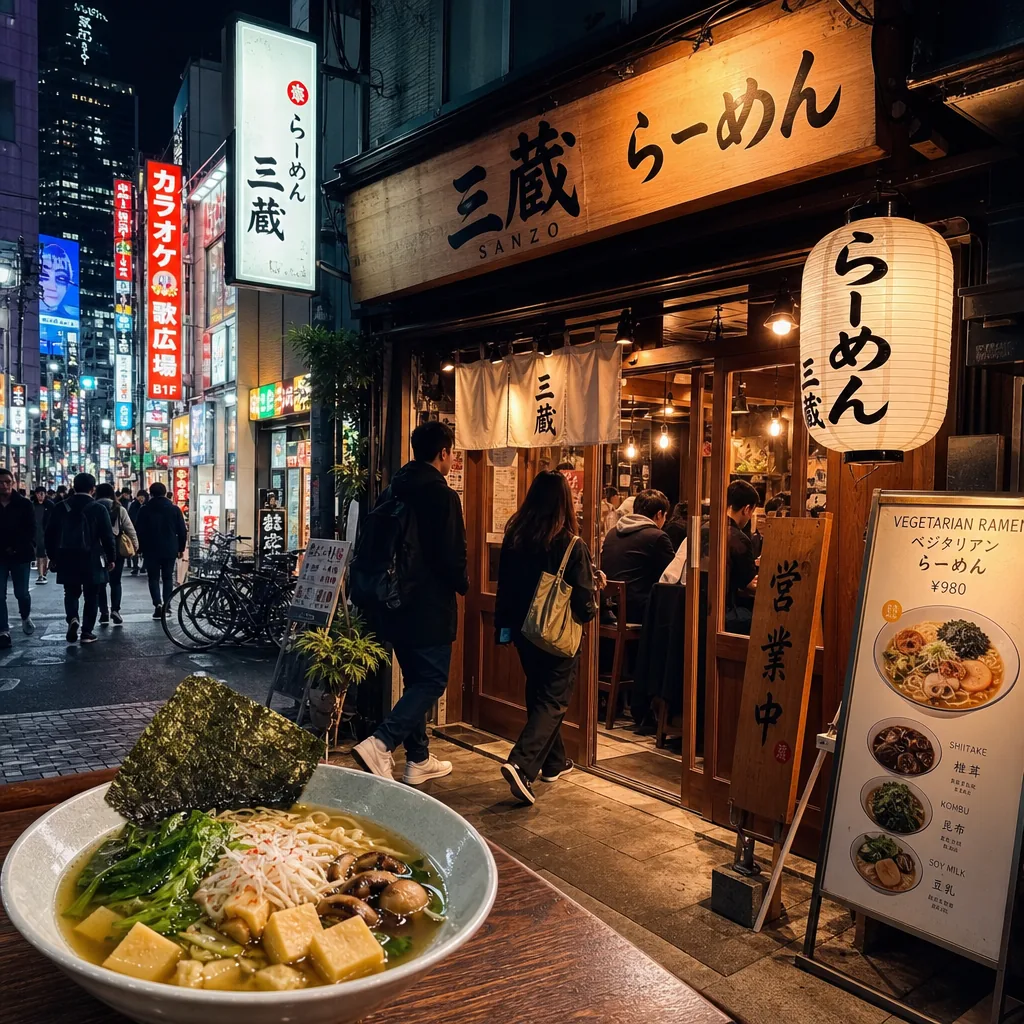
Find late-night vegetarian ramen in Tokyo by focusing on Shibuya, Shinjuku, and Roppongi, then verify broth, hours, and vegan menu details.
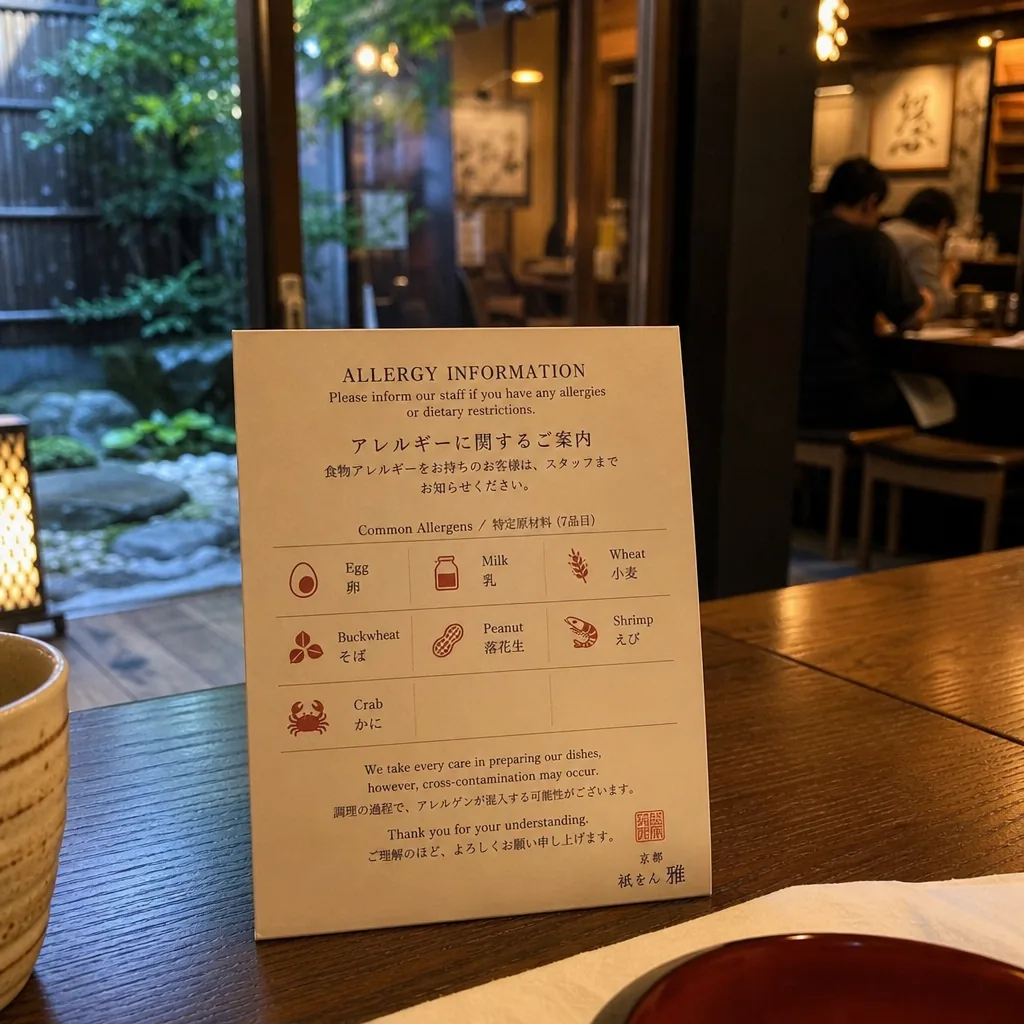
Practical Kyoto guide for expats on finding allergy-friendly restaurants, using official city resources, Japanese labeling rules, and booking tips.