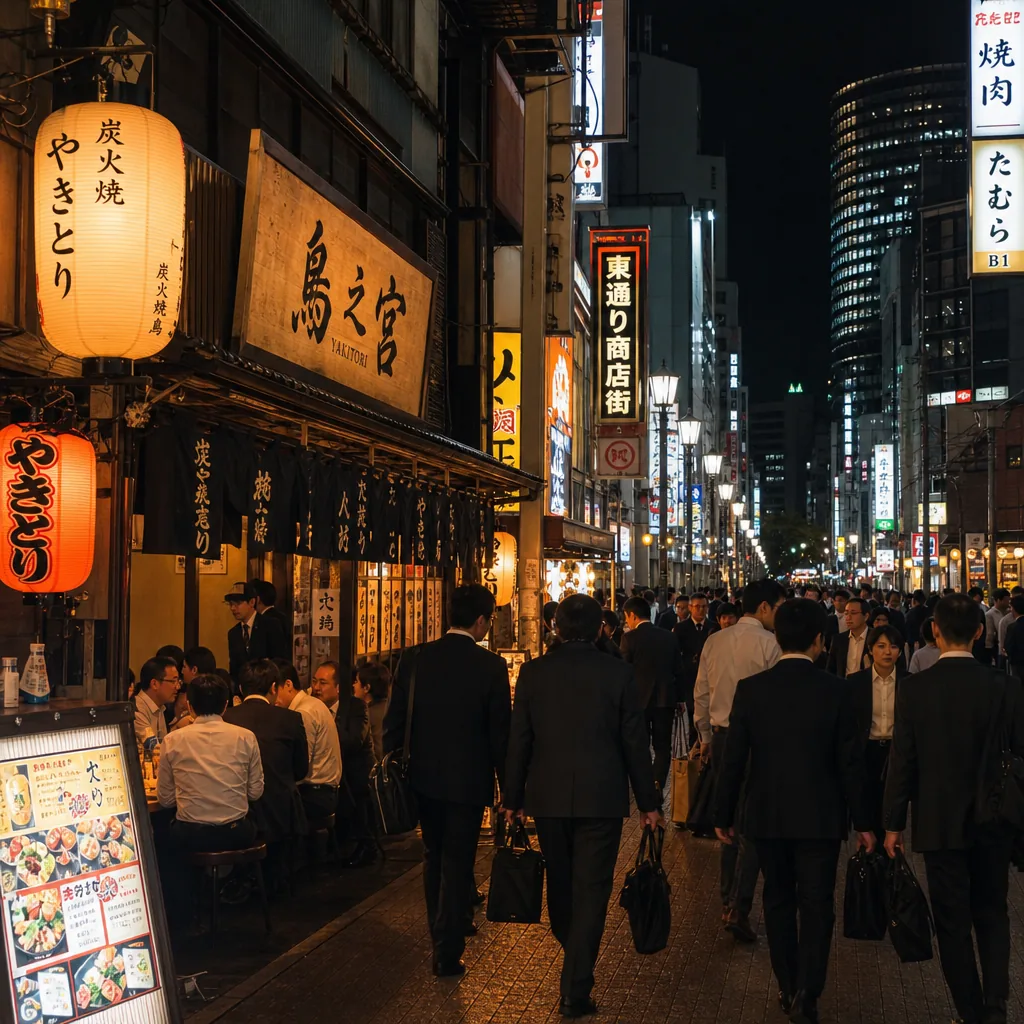
Where can I find english-friendly yakitori in Osaka after work?
Find English-friendly yakitori in Osaka after work by targeting Umeda, Namba, and Honmachi, plus booking sites and multilingual menus.
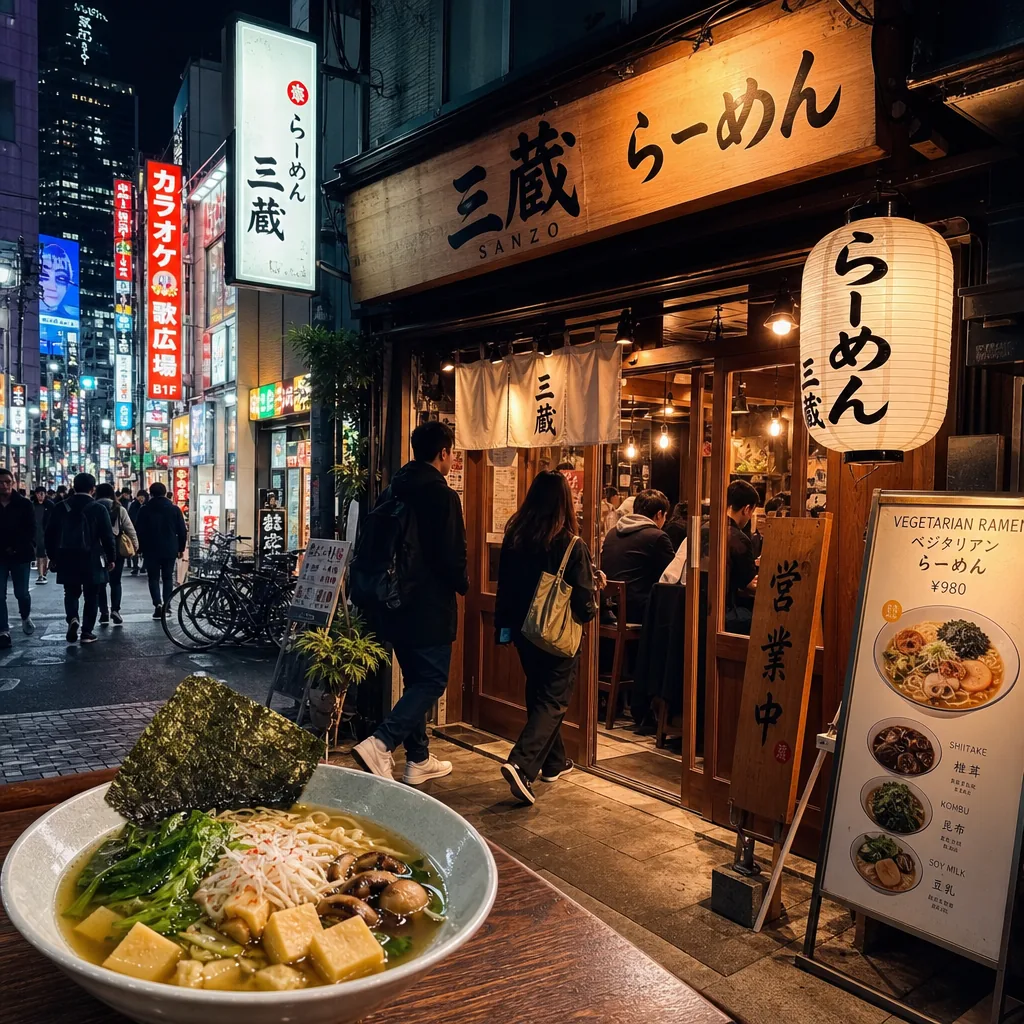
Yes—expats can find late-night vegetarian ramen in Tokyo, especially in Shibuya, Shinjuku, and Roppongi, where nightlife keeps restaurants open later than in many other parts of the city [1]. The best results come from checking current hours first and then confirming that the broth is fully plant-based, because some “vegetarian-looking” bowls still use fish-based dashi [2][5].
Tokyo is one of the easiest cities in Japan for this search because it has both dense nighttime districts and a growing plant-based dining scene. The Tokyo Metropolitan Government’s tourism guide points travelers toward food-and-drink planning by area, which is useful when you want to cluster your search around neighborhoods with late hours rather than crossing the city after dark [1].
That matters for ramen because many of the most reliable vegetarian or vegan bowls are concentrated in central Tokyo, where international visitors and local diners both create demand. Tokyo Cheapo’s vegan ramen guide and HappyCow’s Tokyo listings show that plant-based ramen is not rare, but it is unevenly distributed and often tied to specific shops rather than entire districts [2][3].
If you are planning a late-night meal, treat Tokyo like a neighborhood-by-neighborhood search. The practical advantage is that central entertainment areas tend to have multilingual menus, photo menus, or at least staff used to international customers, which makes a late meal less stressful.
Start with Shibuya, Shinjuku, and Roppongi. These are the most practical areas for expats because they combine heavy foot traffic, nightlife, and a higher chance of finding restaurants still serving late in the evening [1].
For named places, keep an eye on areas around Shibuya Center Gai, Shinjuku Station, and the Roppongi entertainment district. These are not guarantees of vegetarian ramen at every corner, but they are the most efficient zones for late-night searching because they concentrate restaurants and transit connections [1].
This is the most important step. In Tokyo, a bowl may be labeled “vegetarian” or look meat-free, but the broth can still contain fish stock or other animal-derived ingredients. Tokyo Vegan Guide and HappyCow are useful because they help you filter for vegan or vegetarian-friendly restaurants before you go, but you should still verify the details directly [3][5].
Use this checklist before ordering:
When in doubt, call ahead or check the restaurant’s latest post. That advice is especially useful in Tokyo because hours can change by weekday, weekend, and holiday, even for well-known ramen shops [2][4].
If you are ordering late at night, keep the interaction short and clear. Many restaurants in central Tokyo can handle simple English phrases, but a few key Japanese words help if staff are busy. The most useful question is whether the broth is vegetarian: “Kore wa bejitarian desu ka?” If you want vegan, ask “Kore wa vegan desu ka?”
It also helps to know what to look for on menus. In Tokyo, ramen shops often post photos outside, which lets you spot noodles topped with mushrooms, vegetables, sesame, or soy-based broth. In internationally oriented areas like Shibuya and Roppongi, multilingual menu boards are more common, and some restaurants listed on Tabelog’s English ramen search can be compared with reviews and location details before you head out [4].
If you are very hungry late at night, do not assume a place listed online is still serving the same menu all night. Some shops close kitchen service earlier than their posted closing time. That is why it is smarter to identify one main target and one backup nearby, both within the same train station area.
Here is a simple way to plan a Tokyo ramen night without wasting time:
A good example of this approach is to search Shibuya first, since Tokyo Cheapo and HappyCow both point to plant-based ramen options in central Tokyo, then verify whether that specific shop is still open on the night you plan to go [2][3]. If Shibuya is crowded, Shinjuku is the best backup because it is one of Tokyo’s most reliable late-night dining areas [1].
In practice, the winning strategy is not just finding vegetarian ramen in Tokyo—it is finding it in a district that is open, walkable, and easy to navigate after dark. For expats, that usually means sticking to central Tokyo, checking the actual broth ingredients, and confirming hours one last time before leaving. Do that, and a late-night bowl becomes one of the easiest plant-based meals to track down in the city.
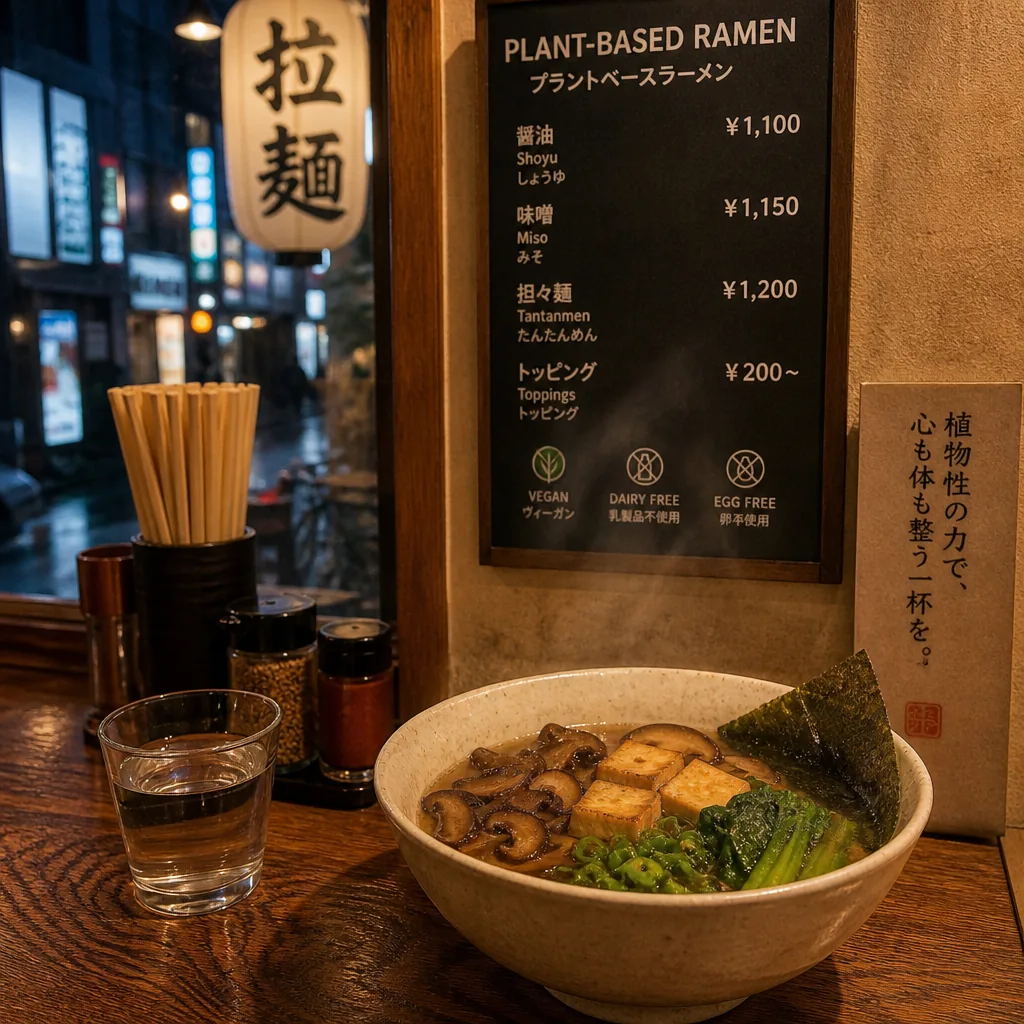
CallButler is a multilingual concierge service that handles research, coordination, and bookings so you do not have to navigate language barriers or unfamiliar systems alone. If you need help related to Where can expats find late-night vegetarian ramen in Tokyo? or the tasks around it, our team can step in to manage the details and keep things moving smoothly.
Find English-friendly yakitori in Osaka after work by targeting Umeda, Namba, and Honmachi, plus booking sites and multilingual menus.
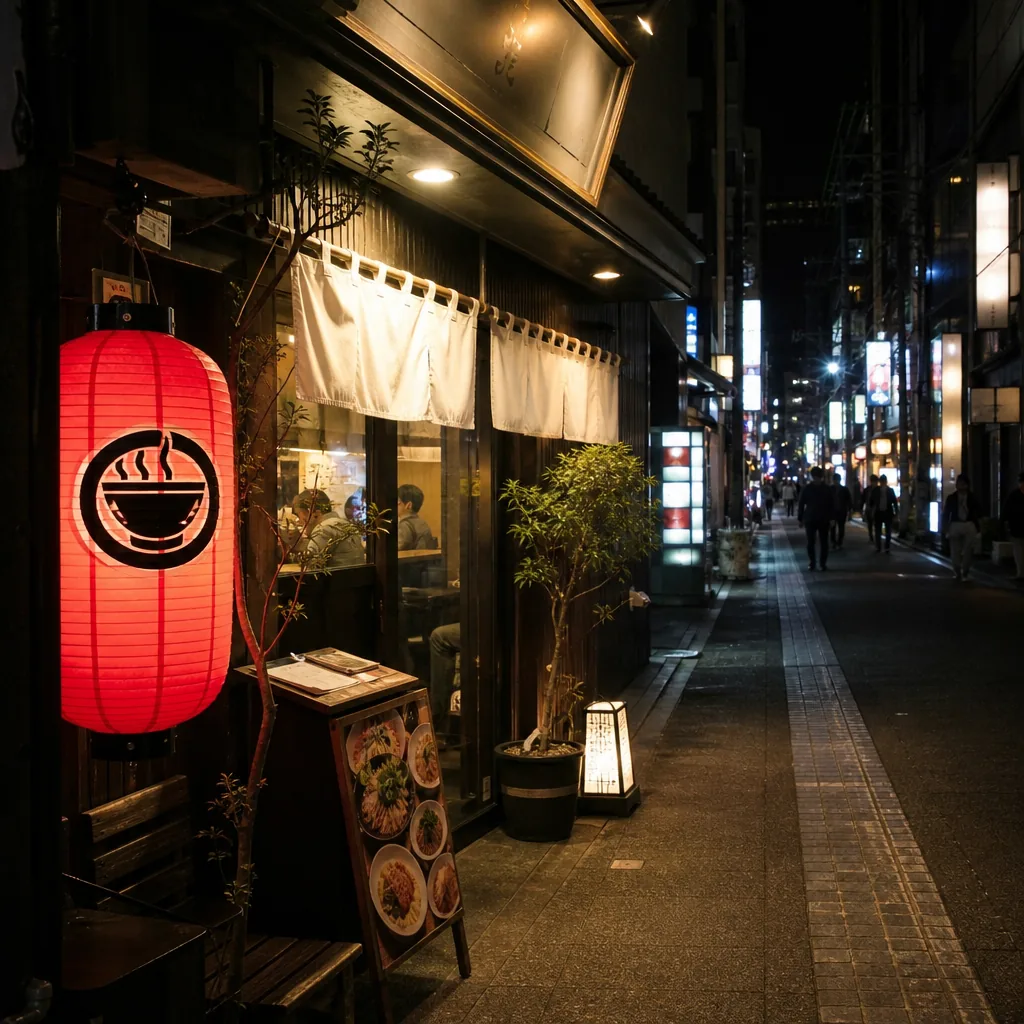
Looking for halal ramen in Kyoto after 10 p.m.? Here’s where to check, which areas are most practical, and how to verify hours and halal status.
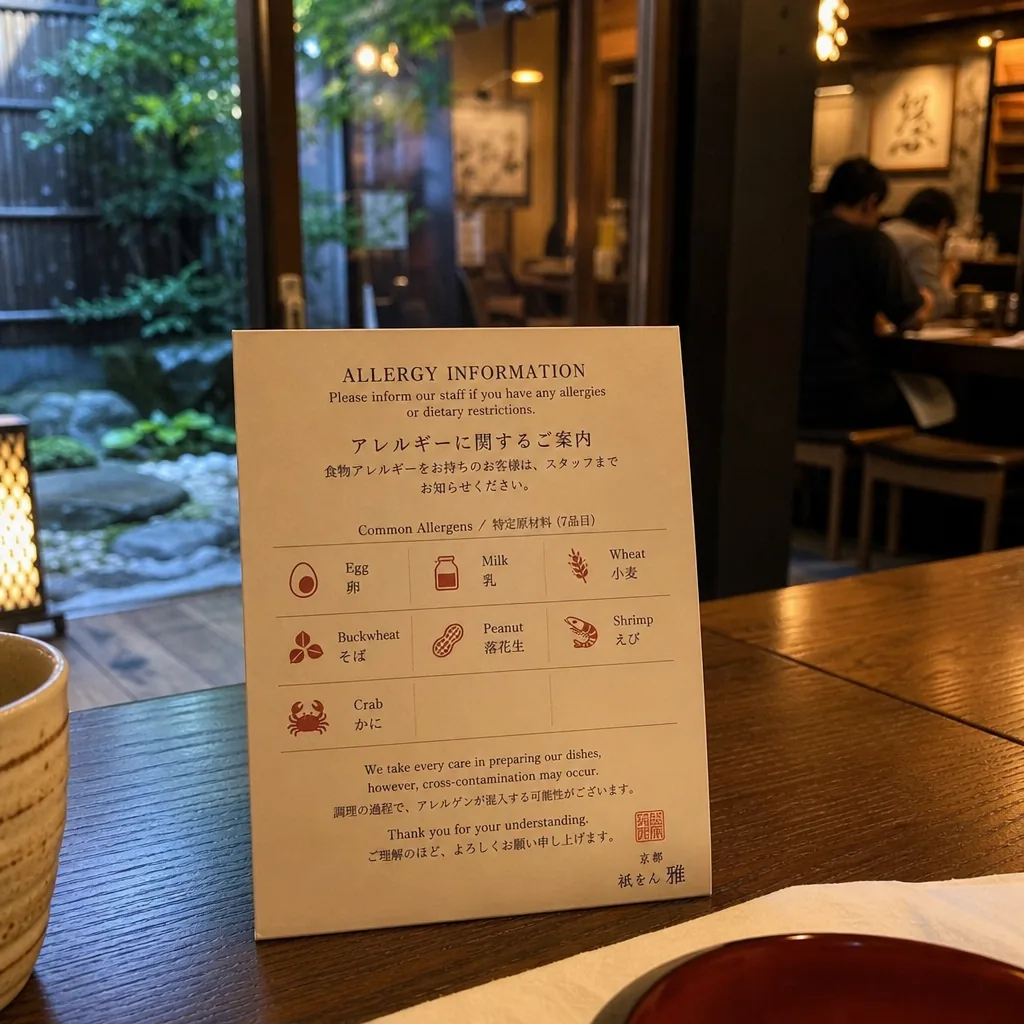
Practical Kyoto guide for expats on finding allergy-friendly restaurants, using official city resources, Japanese labeling rules, and booking tips.