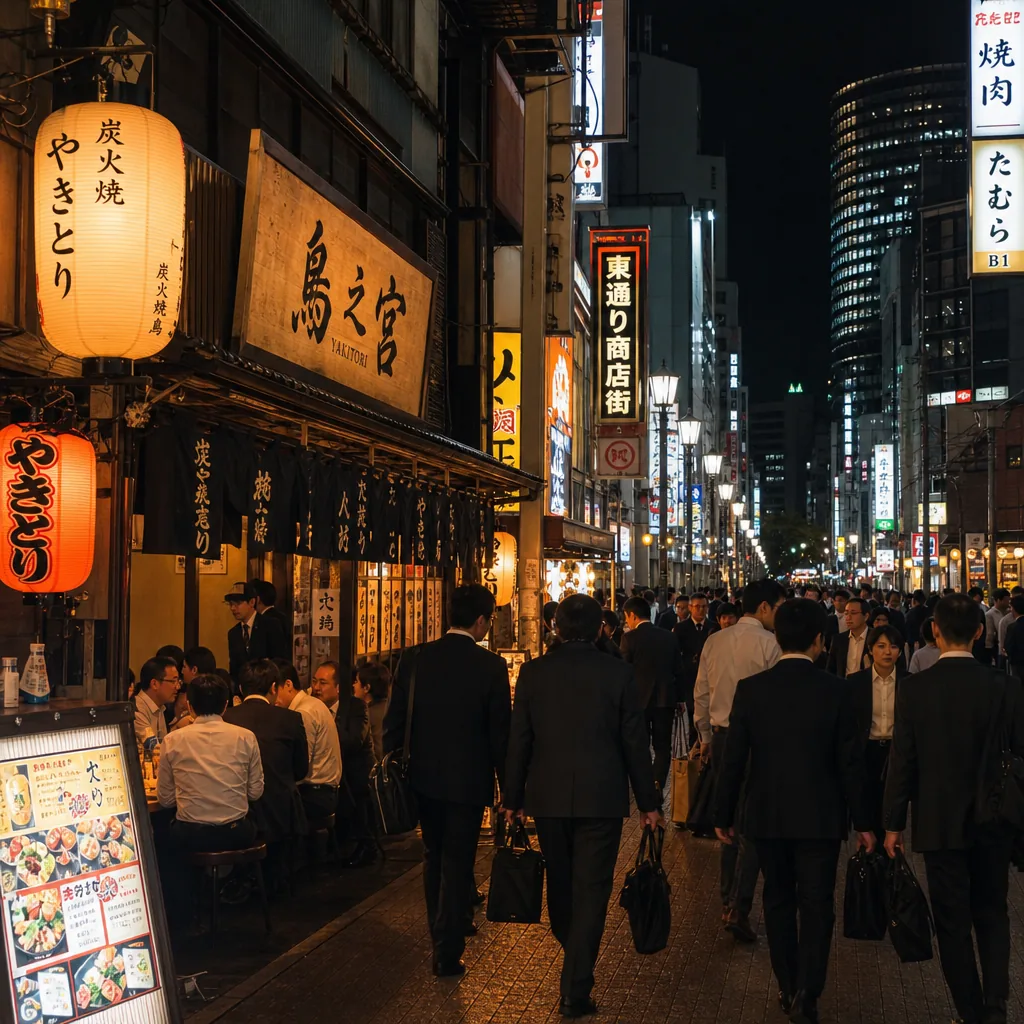
Where can I find english-friendly yakitori in Osaka after work?
Find English-friendly yakitori in Osaka after work by targeting Umeda, Namba, and Honmachi, plus booking sites and multilingual menus.
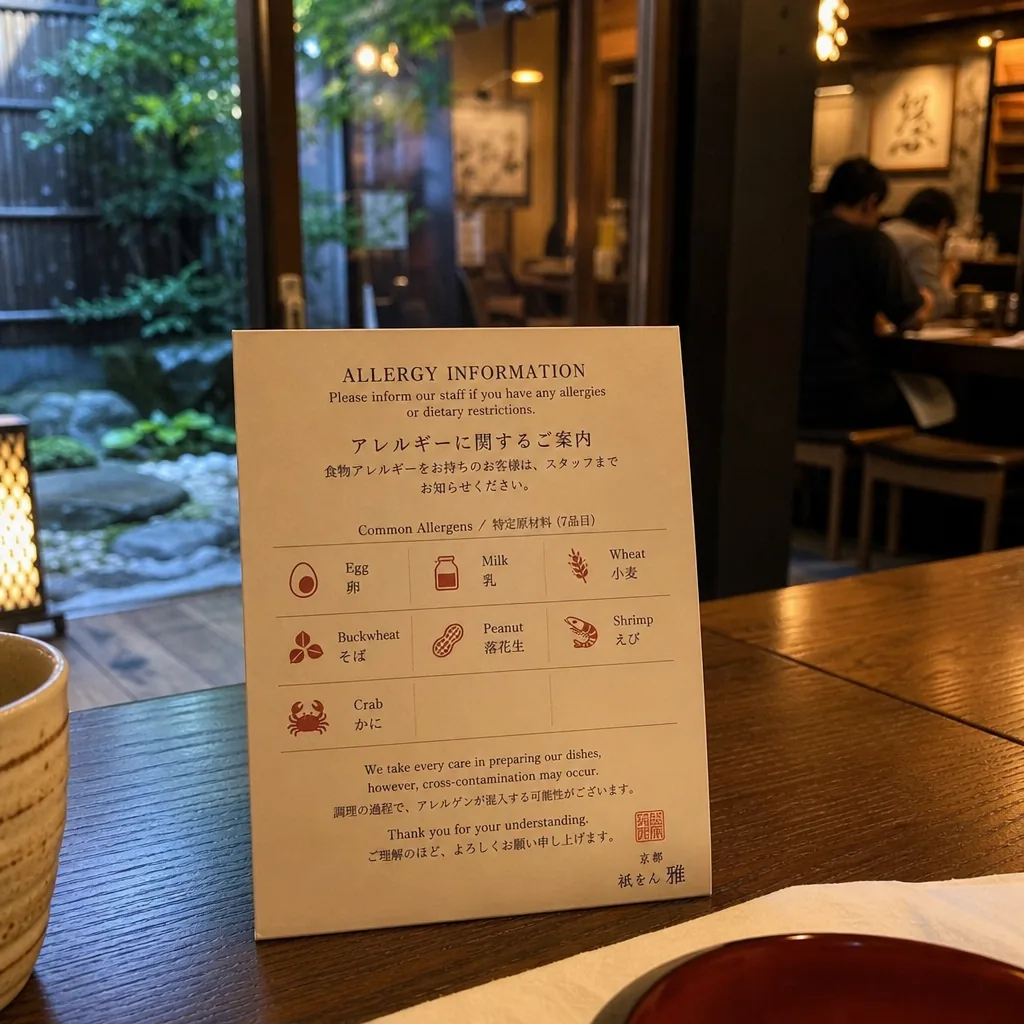
If you are looking for allergy-friendly restaurants in Kyoto as an expat, the safest approach is to combine official tourism resources, Japan’s allergen-labeling rules, and direct confirmation with each restaurant. Kyoto has useful multilingual visitor tools, but because menus do not always show every ingredient or cross-contact risk, you should still call ahead before you book or order [1][3][5].
The Kyoto City Official Travel Guide and the Kyoto City Tourism Association both provide English-language visitor information that can help you narrow down neighborhoods and restaurants with foreign-language support [1][5]. In practice, this is most useful in tourism-heavy areas such as Gion, around Kyoto Station, and near major temple districts, where restaurants are more likely to handle overseas visitors and special requests in English [1][5].
Japan’s Consumer Affairs Agency explains that packaged foods must follow national food-labeling rules for common allergens, including the most widely recognized ingredients used in standard labeling [3]. That does not guarantee a restaurant can make a dish safely for your specific allergy, but it does help you screen packaged sauces, snacks, and bento items sold in or near restaurants [3].
JNTO’s special-needs travel information also recommends checking accessibility and service details before you go, which is a good habit for any expat with food allergies because it encourages advance planning rather than last-minute guessing [4]. In Kyoto, that extra planning matters because many small local eateries have limited English and may not publish ingredient lists online [1][5].
Search in both English and Japanese so you do not miss restaurants that list allergy support only on Japanese pages. Helpful keywords include “allergy,” “vegetarian,” “vegan,” and ingredient-specific terms such as egg, milk, wheat, shrimp, crab, peanut, and buckwheat; in Japanese, these are often written as アレルギー, ベジタリアン, ヴィーガン, 卵, 乳, 小麦, えび, かに, ピーナッツ, and そば [1][3][5].
For Kyoto, focus first on areas that already receive many international visitors. Around Kyoto Station, Arashiyama, and central sightseeing areas, you are more likely to find English menus or staff who can handle special requests than in smaller neighborhood shops [1][5]. Temple-area dining is also often more accustomed to tourist questions, especially near destinations listed by Kyoto tourism guides [1][5].
When reviewing a restaurant page, look for:
If a place only has generic marketing pages and no menu details, treat it as a backup option rather than a first choice.
Calling ahead is often the safest step because menu descriptions may not list every ingredient or kitchen process. This is especially important for allergens that can appear in sauces, broths, garnishes, or frying oil rather than in the main dish itself [3][4].
Use a short, direct checklist when you contact the restaurant:
In Kyoto, this matters at both casual restaurants and more traditional venues, because a dish that seems simple may still use dashi, miso, soy sauce, or tempura batter that contains wheat, fish, or egg. Official labeling rules help with packaged items, but restaurant kitchens still require direct confirmation [3].
A written allergy card is one of the most practical tools for expats in Kyoto. It helps when staff are busy, when you are ordering in a fast-moving restaurant, or when the person taking your order does not feel confident speaking English [1][5].
Keep the card short and specific. Include your allergen, what happens if you eat it, and whether you need complete avoidance or only certain forms. For example, note if you react to all nuts or only peanuts, or if you must avoid sesame, wheat, or shellfish completely.
You can also show the card together with your spoken request. That reduces confusion and gives staff time to check with the kitchen instead of answering from memory.
Even in a city as visitor-friendly as Kyoto, online information can be incomplete. If a restaurant cannot confirm ingredients, choose a backup plan rather than hoping for the best [1][3][5].
Useful backup strategies include:
For travelers staying several days, it is smart to shortlist two or three restaurants in advance rather than relying on a single reservation. Kyoto’s tourism sites and visitor guides can help you build that list before you arrive [1][5].
Even a few phrases can make a big difference. If you cannot use a written card, these short lines are worth memorizing or copying into your phone:
Pair these with the Japanese ingredient names you need to avoid. For example, if you are asking about egg, wheat, or shellfish, write 卵, 小麦, or えび / かに on your card so staff can identify the issue quickly [3].
The best way to find allergy-friendly restaurants in Kyoto is to combine official travel resources, ingredient-label awareness, and direct communication. Kyoto City’s visitor information, the Kyoto City Tourism Association, and JNTO’s special-needs guidance are helpful for narrowing your choices, especially in tourist-centered districts with more English support [1][4][5].
Then verify each restaurant by checking the menu, asking about ingredients, and confirming cross-contact risks before you sit down. That extra step is not overcautious in Japan; it is the most reliable way to eat safely and still enjoy Kyoto’s food scene [3][4].
If you plan ahead, carry a Japanese allergy card, and keep one or two backup options in mind, you can make Kyoto much easier to navigate as an expat with food allergies [1][3][5].
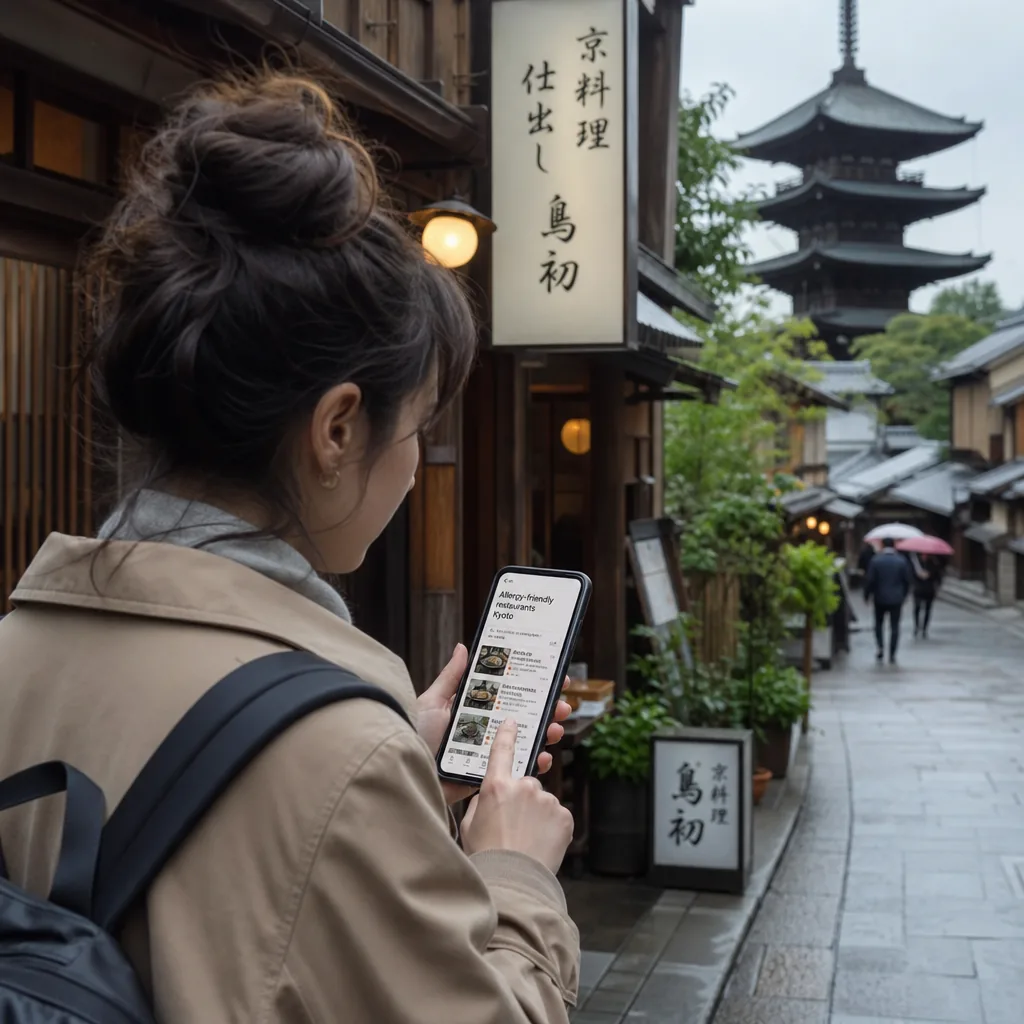
CallButler is a multilingual concierge service that handles research, coordination, and bookings so you do not have to navigate language barriers or unfamiliar systems alone. If you need help related to How do I find allergy-friendly restaurants in Kyoto as an expat? or the tasks around it, our team can step in to manage the details and keep things moving smoothly.
Find English-friendly yakitori in Osaka after work by targeting Umeda, Namba, and Honmachi, plus booking sites and multilingual menus.
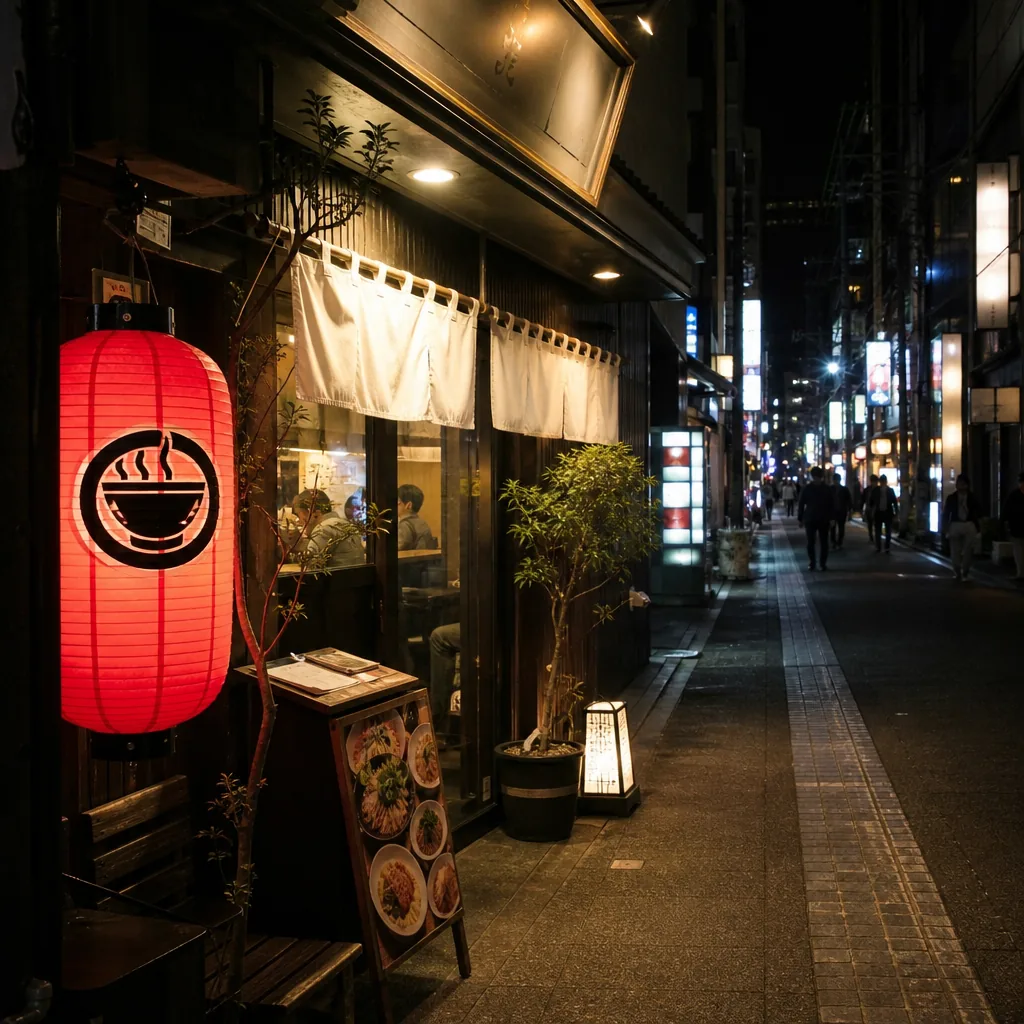
Looking for halal ramen in Kyoto after 10 p.m.? Here’s where to check, which areas are most practical, and how to verify hours and halal status.
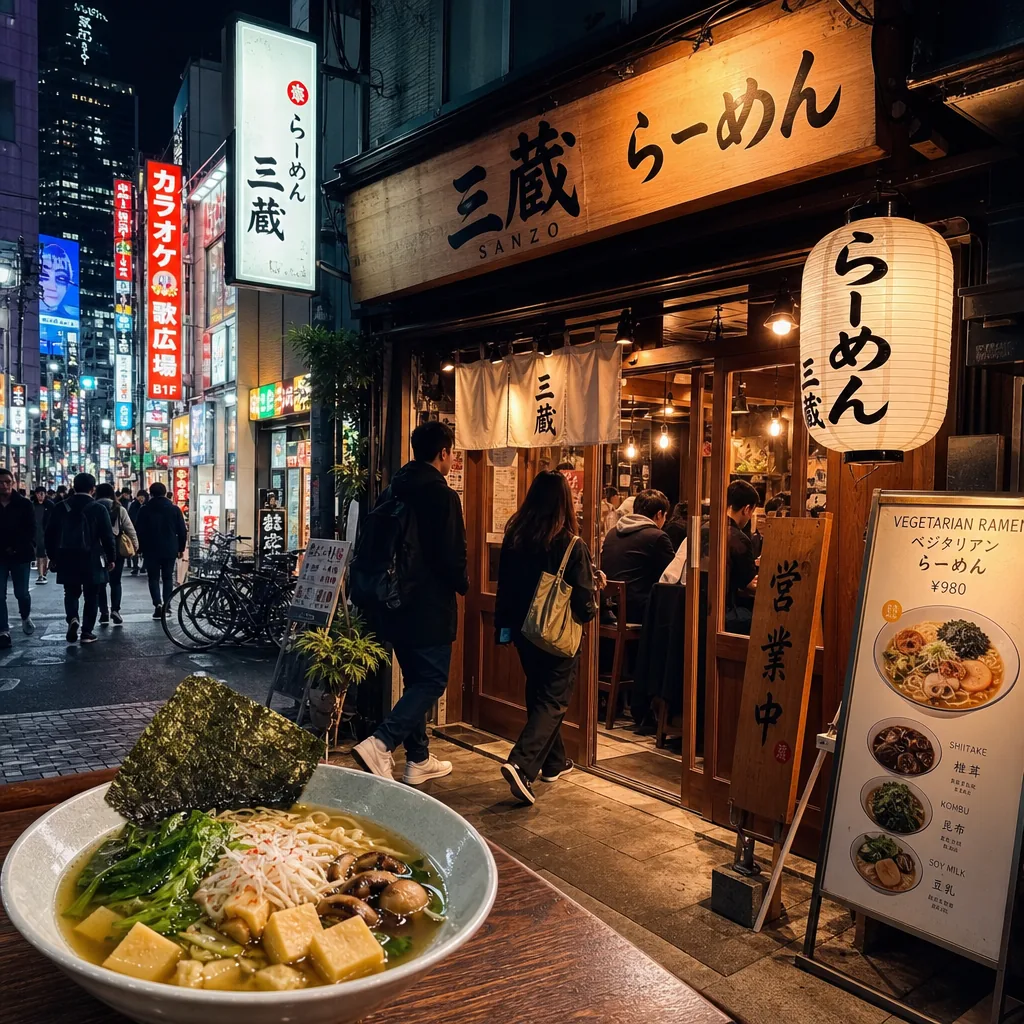
Find late-night vegetarian ramen in Tokyo by focusing on Shibuya, Shinjuku, and Roppongi, then verify broth, hours, and vegan menu details.