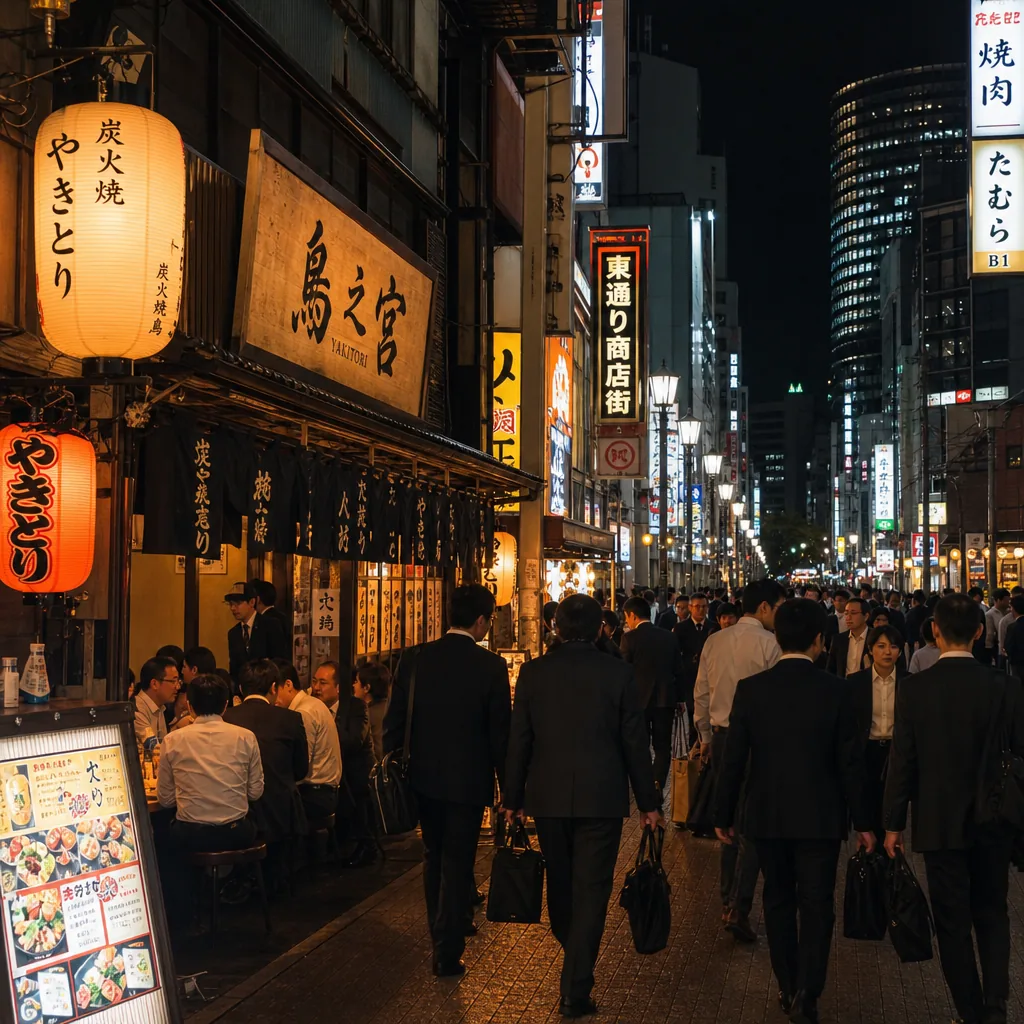
Where can I find english-friendly yakitori in Osaka after work?
Find English-friendly yakitori in Osaka after work by targeting Umeda, Namba, and Honmachi, plus booking sites and multilingual menus.
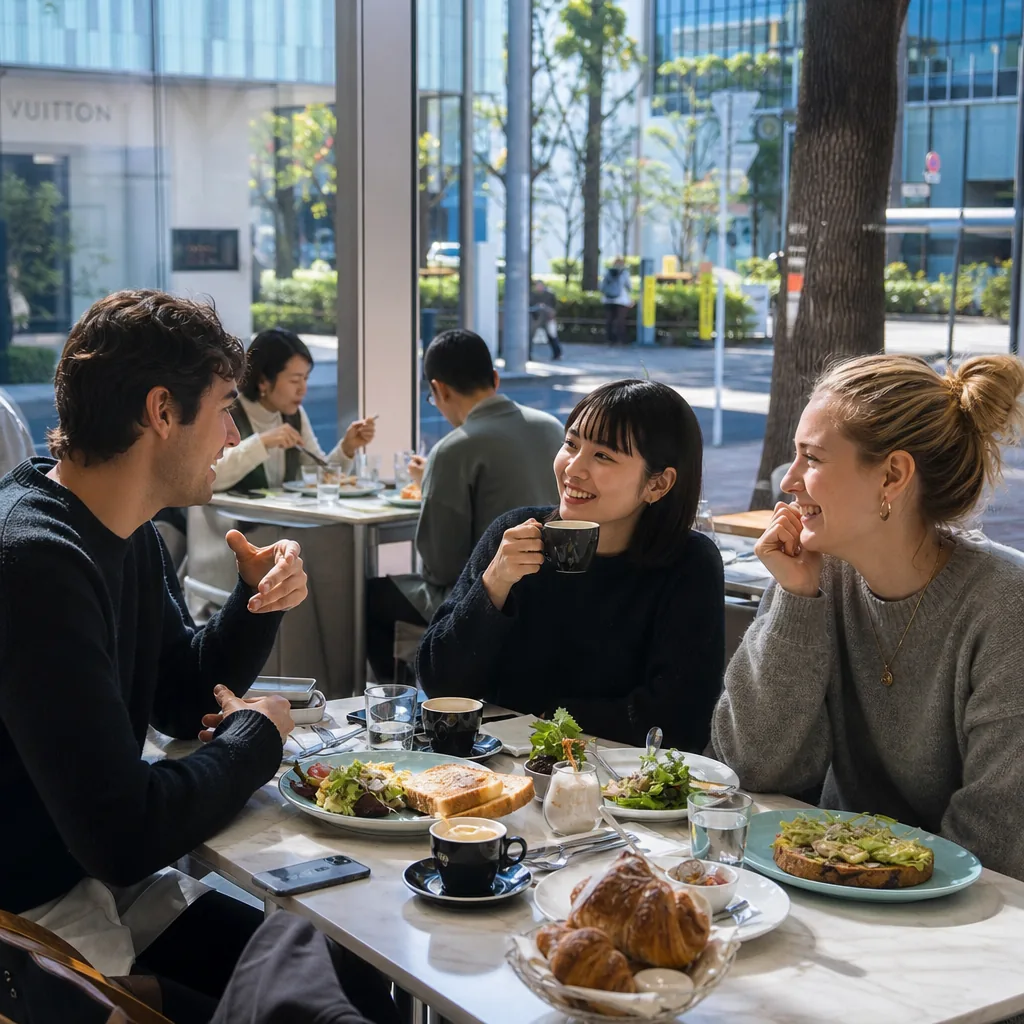
Tokyo is an excellent breakfast city for expats because you can choose between Japanese morning sets, Western-style cafés, hotel buffets, and bakery breakfasts without leaving the central wards. The best options are concentrated in neighborhoods like Shibuya, Omotesando/Aoyama, Roppongi, Marunouchi, and parts of Ginza and Shinjuku, where English-friendly menus and early opening hours are common [2][3][4][5].
Tokyo’s breakfast scene is unusually practical for newcomers. Japan National Tourism Organization guidance notes that dining in Japan includes everything from casual counters to formal restaurants, and many places are comfortable for solo diners or quick meals, which makes breakfast easy to navigate even before you know the city well [1].
For expats, the biggest advantage is variety. You can start the day with a traditional Japanese set featuring rice, miso soup, grilled fish, egg, pickles, and side dishes, or choose a pastry, toast set, eggs, or a full buffet breakfast in a hotel or café [1][2]. That flexibility matters in Tokyo, where commuting patterns and early meetings often make a dependable morning meal more useful than a long brunch.
If you want the highest concentration of reliable breakfast spots, begin in central Tokyo’s café and business districts. GO TOKYO and Tokyo city guides consistently highlight these areas because they combine strong restaurant infrastructure with good train access and a high share of international visitors [2][3][4][5].
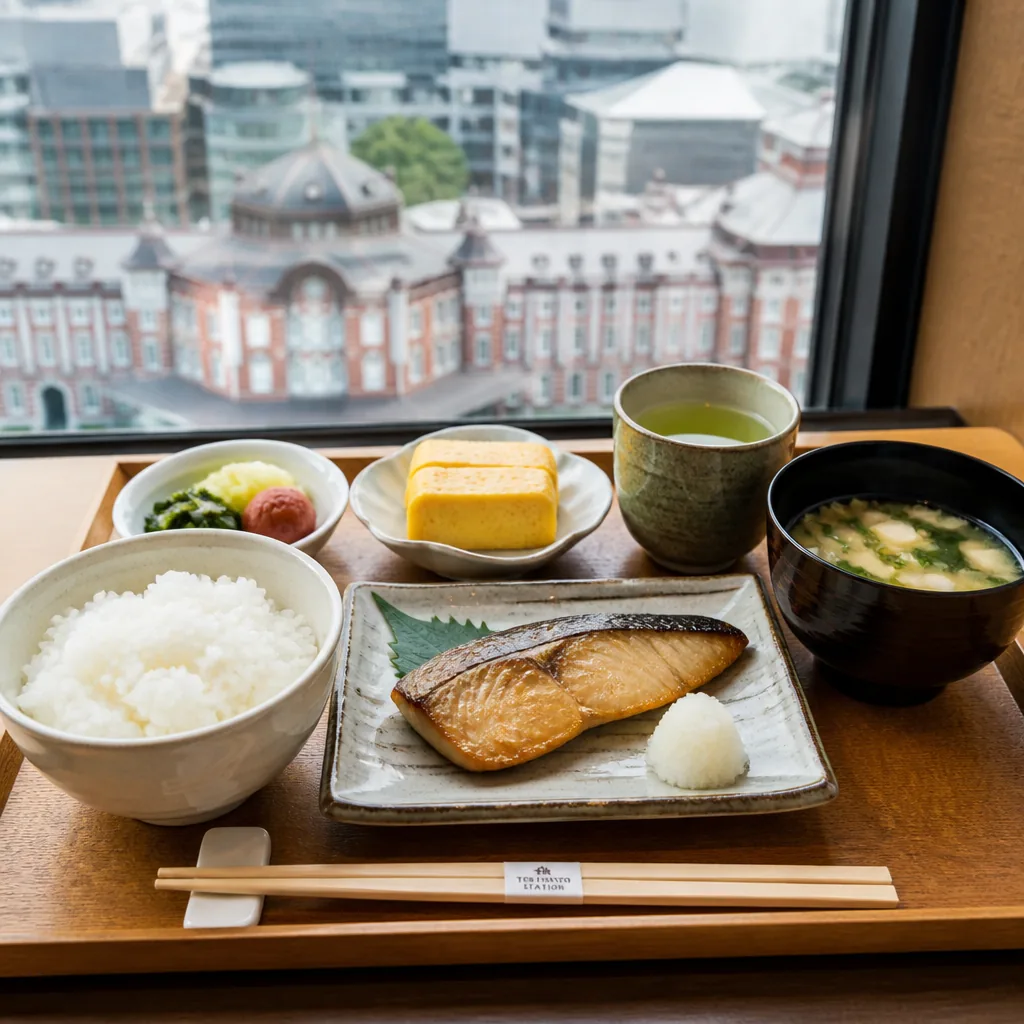
A traditional Japanese breakfast is filling, balanced, and usually savory rather than sweet. JNTO describes Japanese dining as built around seasonal ingredients and set meals, and the classic breakfast format typically includes rice, miso soup, fish, and side dishes [1].
For expats who have never tried it, this can be a good first step into local food culture. Many hotels and ryokan serve breakfast in this style, so you can experience it without hunting for a specialty restaurant. If you prefer something lighter, many places offer toast sets, yogurt, coffee, and eggs alongside Japanese options [1][2].
One practical point: Japanese breakfasts are usually not “grab and go” in the way a pastry shop might be in Europe or North America. Even casual spots may have set menus and a rhythm that feels more structured, so plan for a sit-down meal rather than expecting a fast counter service everywhere [1].
For expats who want familiar morning food, Tokyo’s Western-style breakfast scene is strong in the same neighborhoods that rank well for international dining overall. GO TOKYO’s café listings and major local guides point travelers toward cafés that serve coffee, baked goods, sandwiches, pancakes, and breakfast plates, especially in the city’s central districts [3][4][5].
Hotel breakfast buffets are one of the safest bets if you need variety or have mixed preferences in a group. They are common in business areas like Marunouchi and Roppongi, and they tend to offer a predictable mix of Japanese and Western items. That makes them especially useful for first-time visitors or expats with limited time [2][4].
Specialty bakeries are another strong option. Tokyo’s bakery culture is deep, and many central wards have shops opening early enough for weekday breakfasts. In practice, this means you can often build a simple breakfast from fresh bread, coffee, and a sandwich rather than committing to a full restaurant meal [4][5].
The easiest method is to search neighborhood-by-neighborhood and check whether a place posts English menu information, reservation rules, or opening hours online. Tokyo tourism resources and restaurant guides regularly note that many cafes and restaurants in central Tokyo make it easy for international guests to understand their offerings before visiting [2][3].
Use these practical steps:
If you are staying near Tokyo Station, Marunouchi is especially convenient because you can walk to breakfast and then connect to trains quickly. If you are in Shibuya or Omotesando, you will find more café-style places that suit a relaxed weekend breakfast or brunch [4][5].
Breakfast in Tokyo is usually straightforward, but a few habits make the experience smoother. JNTO advises visitors to follow general dining etiquette and to be mindful of queues and restaurant rules, which is especially relevant at popular breakfast spots where waiting lines can form early [1].
For expats, the best strategy is to mix one or two local-style breakfasts with familiar café or hotel options. That approach gives you a better feel for Tokyo while still keeping your mornings efficient. If you focus on Shibuya for modern cafés, Omotesando/Aoyama for polished bakery stops, Roppongi for international comfort, and Marunouchi for business-friendly reliability, you will cover most of the city’s strongest breakfast options [2][3][4][5].
CallButler is a multilingual concierge service that handles research, coordination, and bookings so you do not have to navigate language barriers or unfamiliar systems alone. If you need help related to Where can expats find the best breakfast spots in Tokyo? or the tasks around it, our team can step in to manage the details and keep things moving smoothly.
Find English-friendly yakitori in Osaka after work by targeting Umeda, Namba, and Honmachi, plus booking sites and multilingual menus.
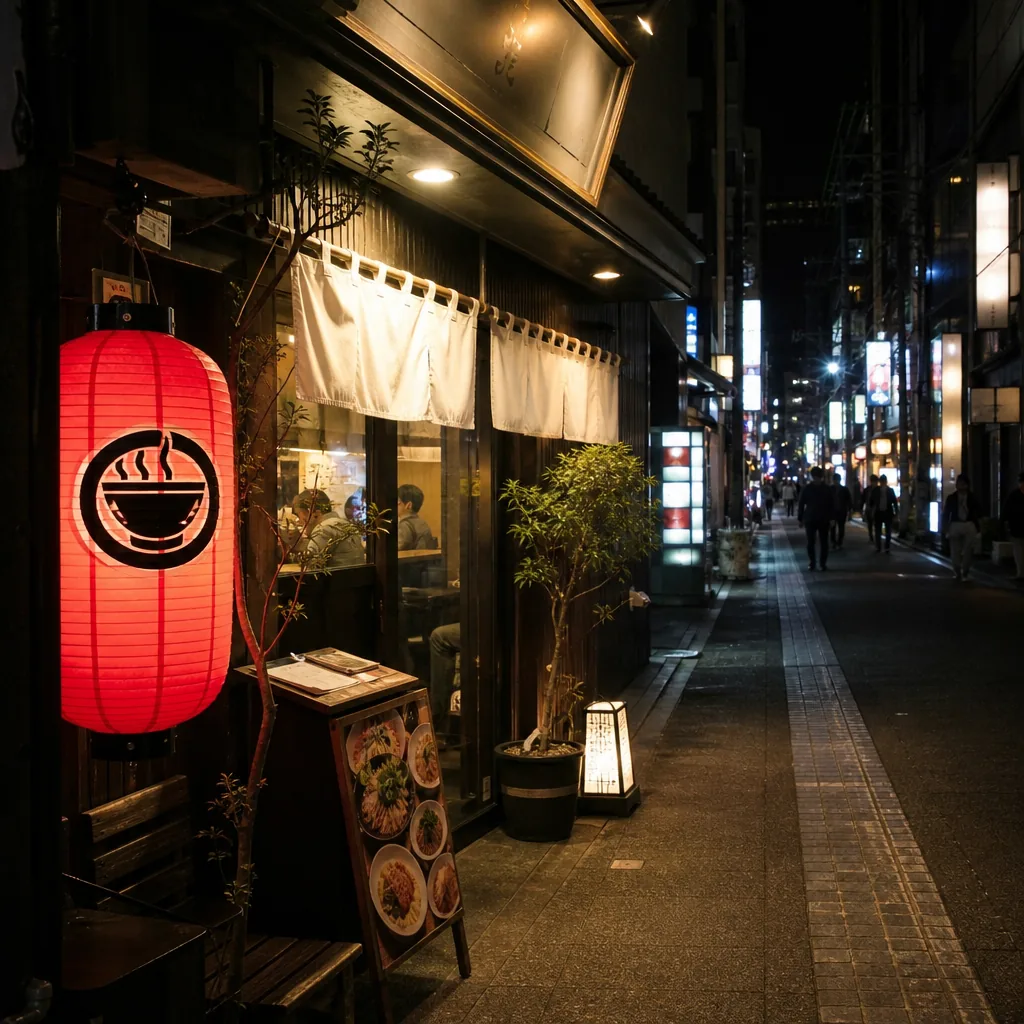
Looking for halal ramen in Kyoto after 10 p.m.? Here’s where to check, which areas are most practical, and how to verify hours and halal status.
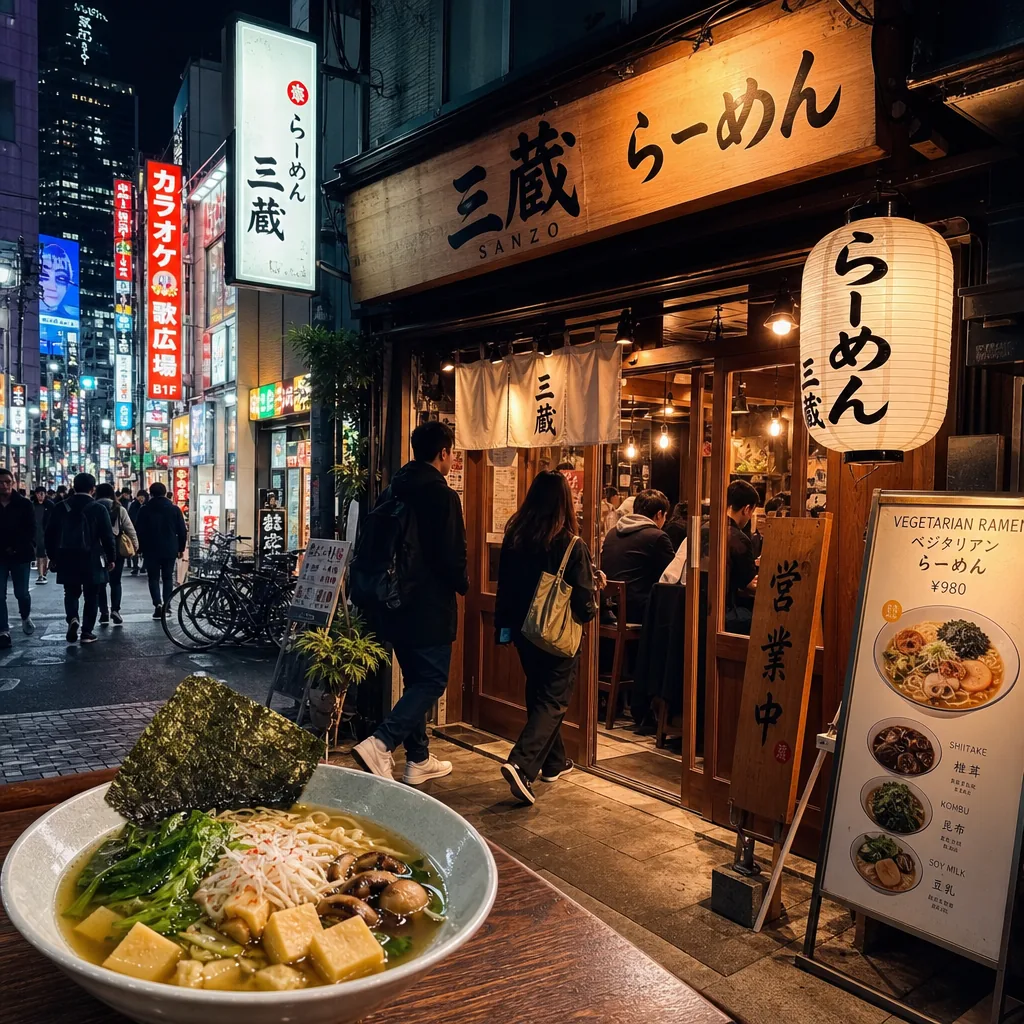
Find late-night vegetarian ramen in Tokyo by focusing on Shibuya, Shinjuku, and Roppongi, then verify broth, hours, and vegan menu details.