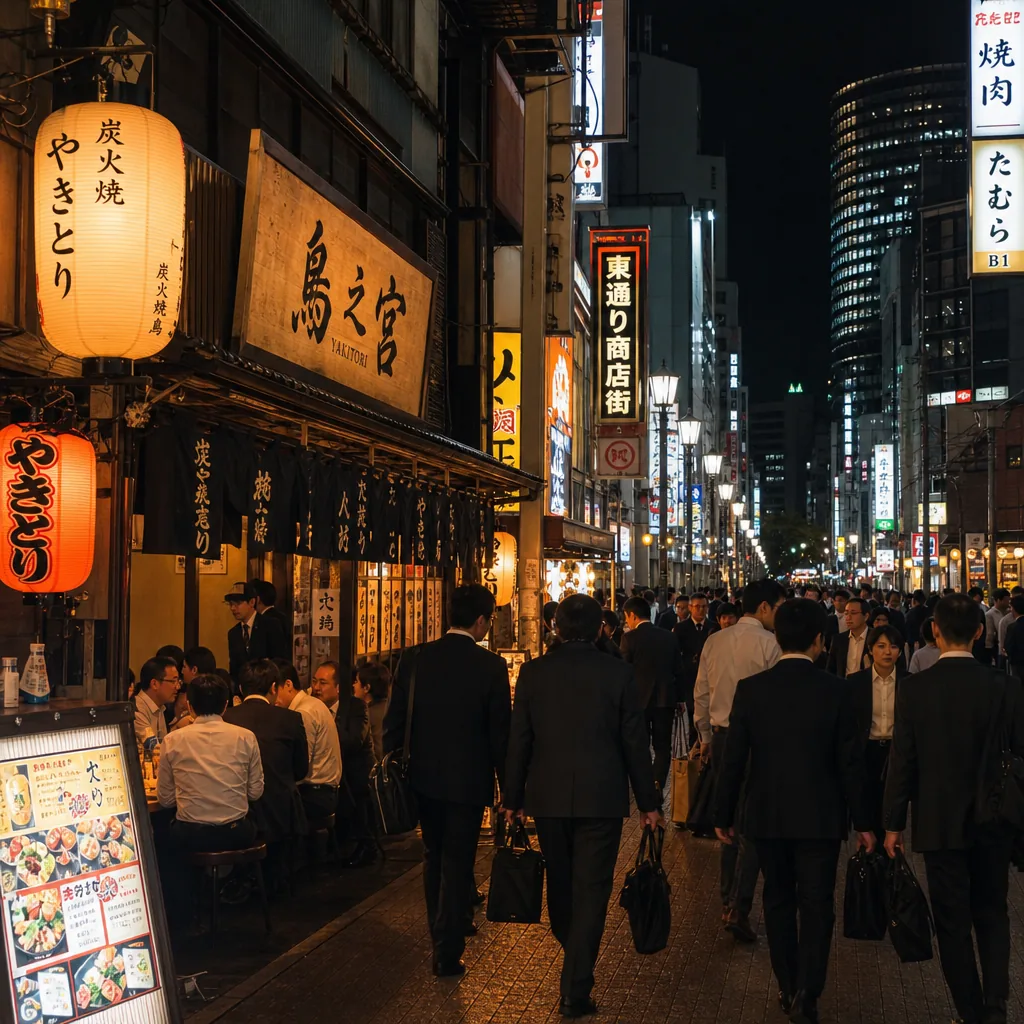
Where can I find english-friendly yakitori in Osaka after work?
Find English-friendly yakitori in Osaka after work by targeting Umeda, Namba, and Honmachi, plus booking sites and multilingual menus.
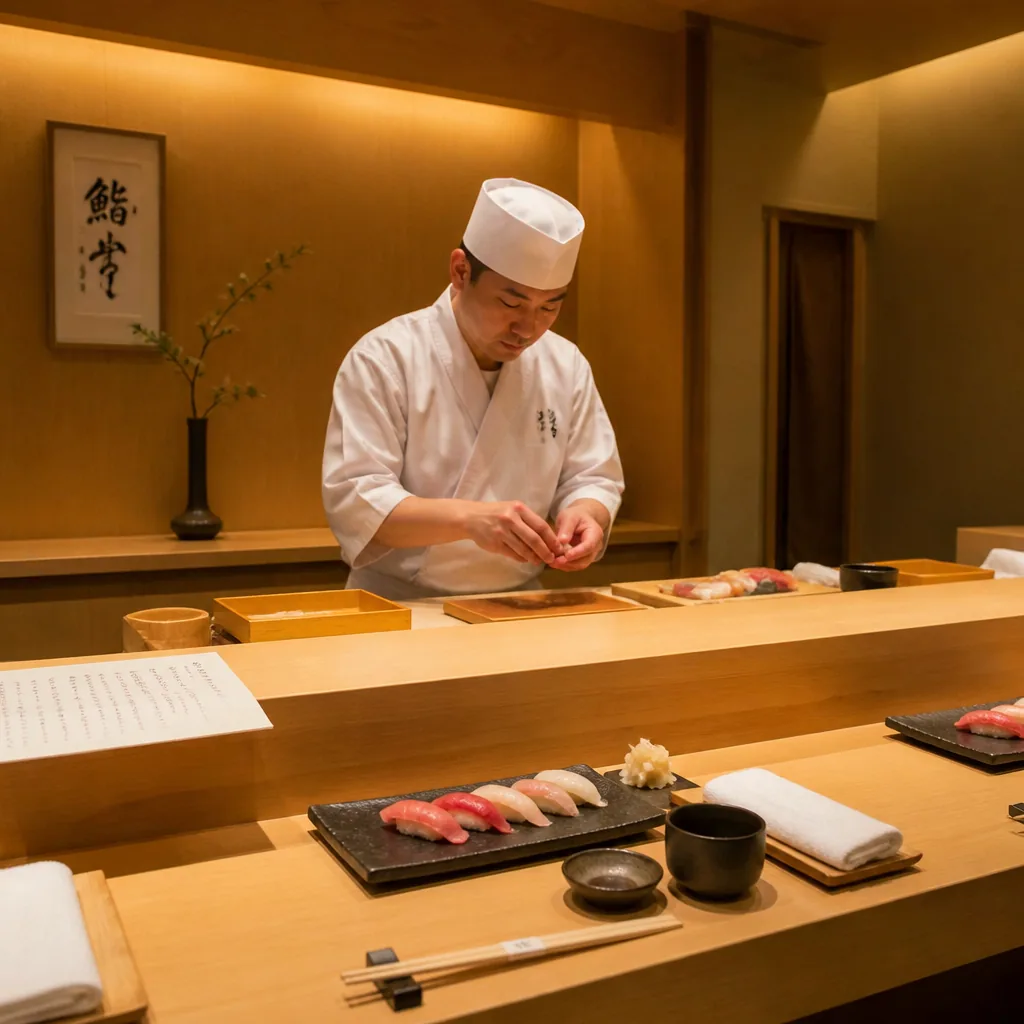
Yes—usually you book a private sushi omakase in Osaka by contacting the restaurant directly, using an official reservation platform, or asking a hotel concierge to help. “Private” can mean a private room, a counter reserved for your party, or a full buyout, so the first step is confirming which type the restaurant actually offers [1][2].
In Osaka, omakase is often a reservation-based dining style, and the word “private” is not standardized. One restaurant may mean a secluded room for four to six guests, while another may offer a chef’s counter only for your group, or a complete venue buyout for special occasions [1][2].
That matters because the booking method, minimum spend, and cancellation rules can change depending on the format. If you want a very specific experience—such as a birthday dinner at a counter in Kitashinchi or a private room near Umeda—ask for the seating type before you pay [1][4].
Osaka’s strongest dining areas for high-end sushi reservations are Umeda, Namba, and Kitashinchi. These districts have many restaurants that work with advance booking systems, which is useful because popular omakase seats can fill well ahead of time [1][3].
For concrete examples, start with restaurants listed through official booking platforms such as TableCheck and Omakase, both of which are used widely in Japan for restaurant reservations [4][5]. The Osaka Convention & Tourism Bureau also points travelers toward official tourism information and booking tools when planning popular dining visits [1].
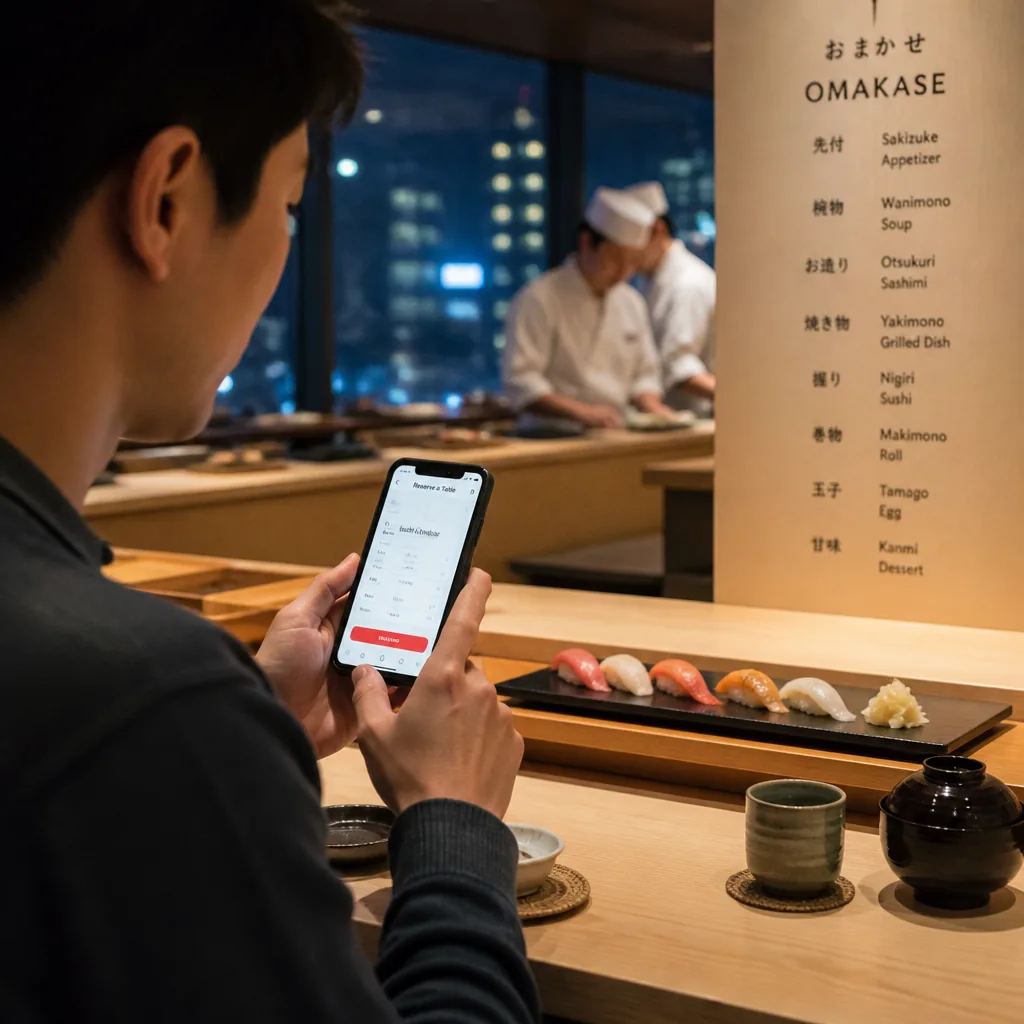
If the restaurant is sold out, do not stop at one date. Ask whether they have lunch seats, counter seats, another branch, or a private room on a different night. Many high-demand restaurants in Japan operate on tight seating schedules, so flexibility can make the difference between “no” and “yes” [2][4].
Before you pay, confirm the practical details that most affect a private sushi omakase experience. This is especially important in Osaka, where some restaurants offer minimal English communication and have strict reservation rules [1][2].
Also confirm the exact address and nearest station. Osaka Metro and official tourist information are useful for checking access to dining districts like Umeda, Namba, and Kitashinchi before the day of your reservation [1][3].
Private sushi omakase in Osaka is usually priced higher than casual sushi because you are paying for the chef’s time, the seat type, and sometimes an exclusive room or buyout. Platform listings commonly show prices up front, but the final bill can be higher once drinks, service charges, or tax are added [4][5].
Etiquette is simple but important: arrive on time, do not overbook your schedule, and follow the chef’s pacing. Omakase is designed as a progression of dishes, so leaving early can be disruptive and may violate cancellation terms at some restaurants [2][4].
For travelers unfamiliar with Japanese dining culture, the Japan National Tourism Organization notes that restaurant reservations and advance planning are normal for popular dining experiences, especially at higher-demand venues [2]. In Osaka, that usually means the best results come from booking early rather than waiting until after arrival [1][2].
Start your search two to four weeks ahead for ordinary omakase seats, and earlier if you want a private room, a weekend dinner, or a holiday date. High-demand restaurants in Osaka often fill well in advance, so last-minute bookings are less reliable [1][2][4].
When booking from abroad, copy the exact Japanese or English name of the restaurant, then verify it through the official site or a trusted reservation platform. This reduces confusion between similarly named venues and helps the restaurant confirm your request quickly [4][5].
Finally, if you are staying in a hotel in Osaka, ask the concierge to call or message the restaurant for you. That is especially useful for places in Kitashinchi or smaller counter-style sushi spots where the booking page may be limited, and it aligns with the practical advice from Osaka tourism sources to use direct contact and hospitality support for popular dining plans [1][2].
In short, booking a private sushi omakase in Osaka is straightforward once you know what “private” means, where to search, and what to confirm. Focus on official reservation channels, use the city’s dining districts as your starting point, and ask clear questions before you pay [1][2][4][5].
CallButler is a multilingual concierge service that handles research, coordination, and bookings so you do not have to navigate language barriers or unfamiliar systems alone. If you need help related to How can I book a private sushi omakase in Osaka? or the tasks around it, our team can step in to manage the details and keep things moving smoothly.
Find English-friendly yakitori in Osaka after work by targeting Umeda, Namba, and Honmachi, plus booking sites and multilingual menus.
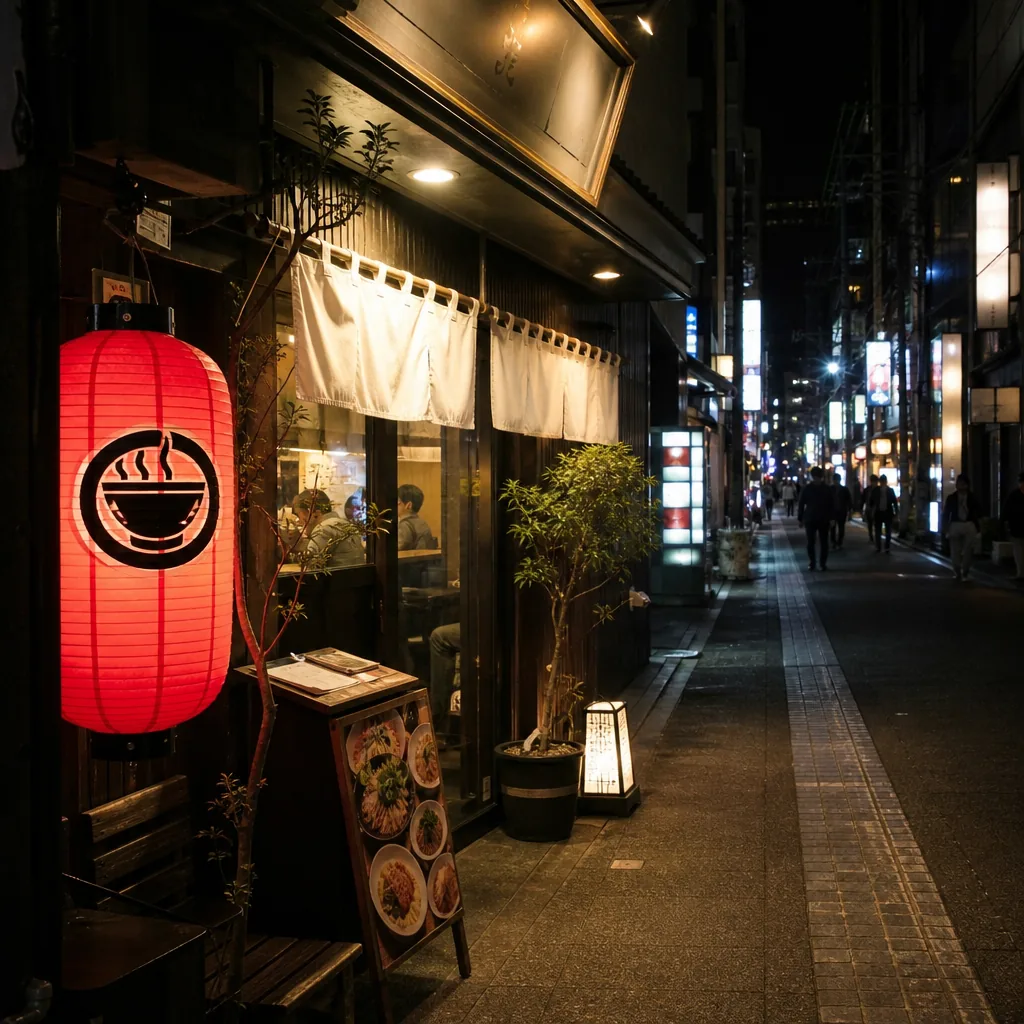
Looking for halal ramen in Kyoto after 10 p.m.? Here’s where to check, which areas are most practical, and how to verify hours and halal status.
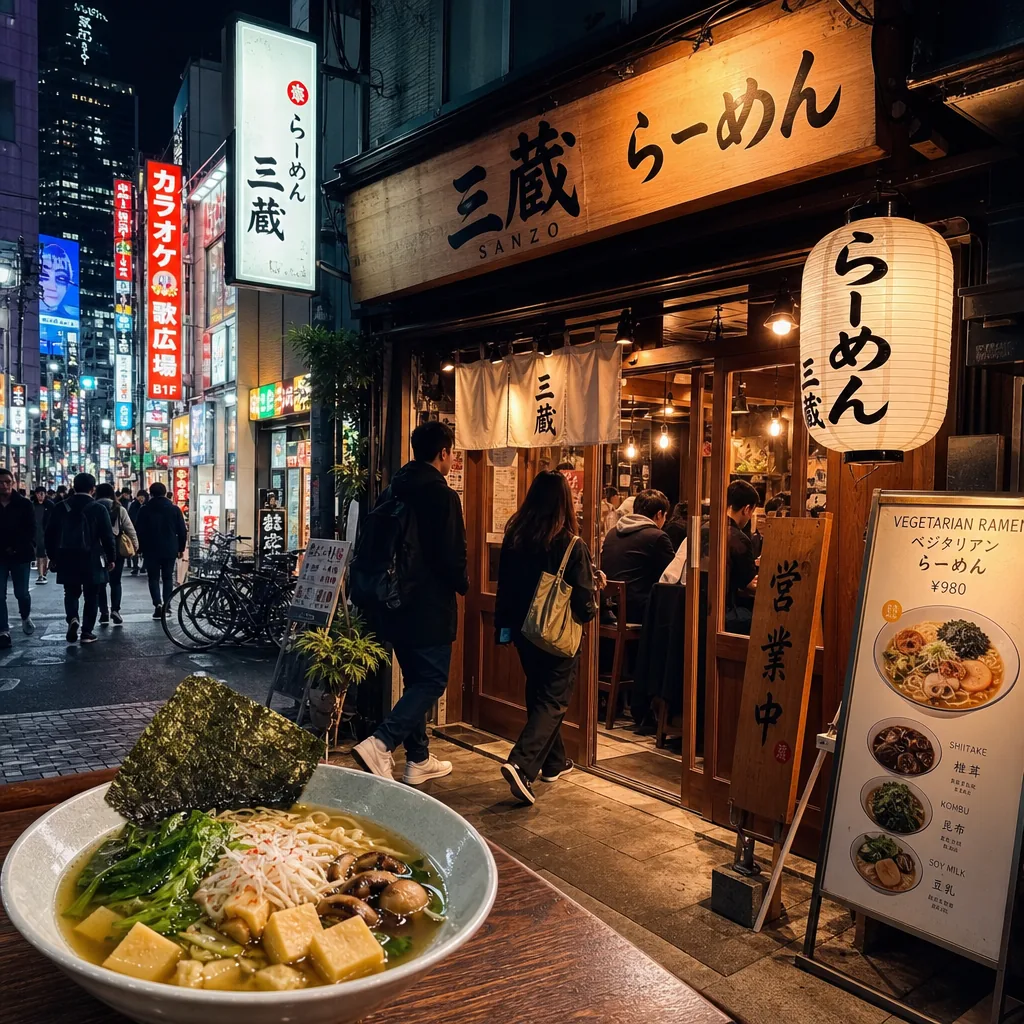
Find late-night vegetarian ramen in Tokyo by focusing on Shibuya, Shinjuku, and Roppongi, then verify broth, hours, and vegan menu details.