
Where can I find english-friendly yakitori in Osaka after work?
Find English-friendly yakitori in Osaka after work by targeting Umeda, Namba, and Honmachi, plus booking sites and multilingual menus.
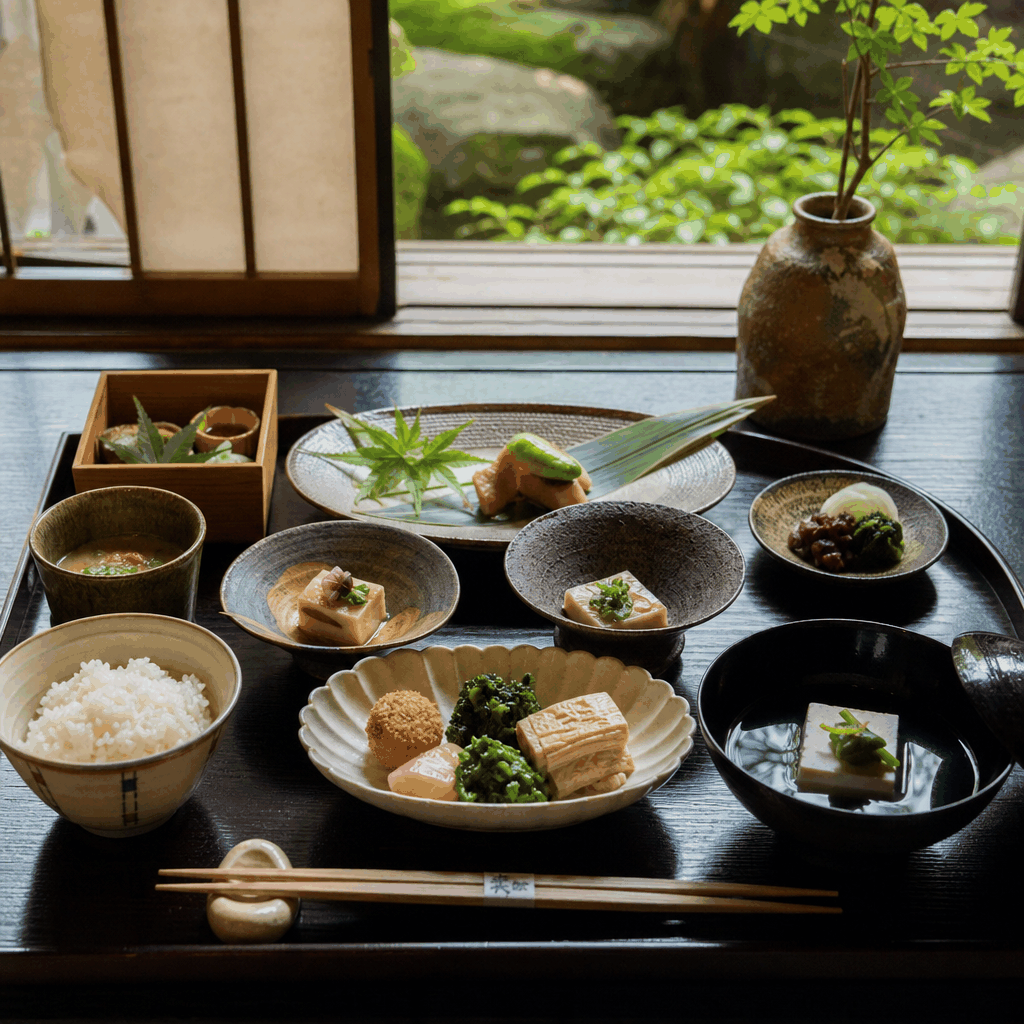
Yes—Kyoto is one of the best places in Japan to find plant-based kaiseki, especially if you focus on shojin ryori, temple-area dining, and hotels or restaurants that accept vegan requests in advance. Kyoto’s long Buddhist food culture and its official vegan dining guides make it much easier to plan a proper multi-course meal than in many other cities [1][2][3].
Kyoto’s advantage starts with history. As Japan’s former imperial capital, it developed a deep temple-cuisine tradition, and that tradition still shapes the city’s dining scene today. The Kyoto City official travel guide describes shojin ryori as Buddhist vegetarian cuisine, making it the closest classical match to vegan kaiseki in Kyoto [3].
For travelers, the practical benefit is that many restaurants already understand the idea of a refined multi-course meal without meat or fish. Kyoto City Tourism Association and Kyoto City both maintain vegetarian and vegan dining resources, which is a useful signal that the city actively supports this kind of travel planning [1][2][5].
That said, “vegetarian” and “vegan” are not the same in Japan. Kyoto’s own guides and JNTO both warn that dashi, bonito flakes, fish stock, egg, milk, and gelatin can appear in sauces, soups, and even side dishes [2][4]. If you want a fully plant-based kaiseki, you need to confirm every course, not just the main dish.
Shojin ryori is the safest starting point because it is traditionally plant-based and built around temple cuisine. Kyoto City’s travel guide specifically highlights shojin ryori as an established food style in the city, not a niche trend [3]. In practice, it often appears as a set meal or a seasonal course menu, which makes it feel kaiseki-like even when the restaurant does not use the word “kaiseki.”
Vegan kaiseki, on the other hand, is usually a modern adaptation. Some restaurants and hotel dining rooms will prepare a seasonal course dinner if you book ahead and clearly state your dietary requirements. Kyoto City Tourism Association notes that some restaurants can accommodate vegetarian or vegan diners, but advance confirmation is important [1].
Look for these clues when reading a menu or booking page:
If a place only says “vegetarian,” ask whether the soup stock is fish-free and whether egg or dairy appears in dessert or dressings [2][4].
Start with temple lodgings and temple-adjacent restaurants. Kyoto’s official shojin ryori guide highlights this cuisine as part of the city’s Buddhist food heritage, which makes temple areas one of the most reliable places to look [3]. Areas around major temples such as Kiyomizu-dera, Nanzen-ji, and Daitoku-ji are especially worth checking because temple-linked dining has a stronger chance of following traditional plant-based cooking methods.
For example, Kyoto tourism resources point visitors toward vegetarian and vegan-friendly listings throughout the city, including central Kyoto and districts with active tourism infrastructure [1][2]. That makes the central city a practical base if you want to combine sightseeing with a reserved dinner course. Staying near Kyoto Station, Kawaramachi, or Gion also helps because many restaurants in those areas are used to handling visitor requests and can coordinate by email or reservation form.
Hotel restaurants are another realistic option. JNTO advises travelers to contact restaurants in advance when dietary restrictions are involved, because many Japanese establishments need time to adapt a course meal [4]. In Kyoto, that often means booking a hotel kaiseki dinner or a ryokan meal several days ahead and asking for a fully vegan version. The key is not the category of restaurant alone, but whether the kitchen can replace fish-based broth and animal-derived garnishes throughout the course.
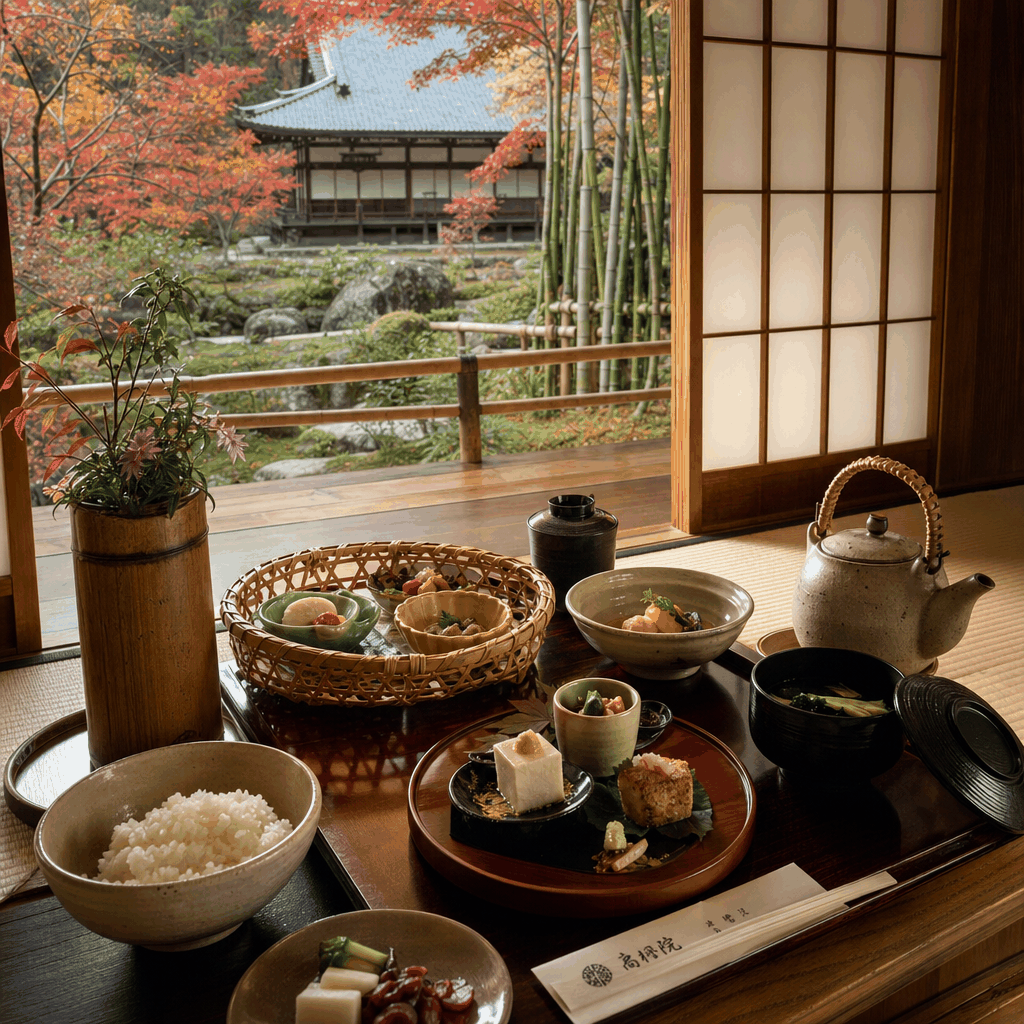
Three named Kyoto places to keep on your shortlist are Kiyomizu-dera, Nanzen-ji, and Daitoku-ji, since temple-culture dining is where shojin ryori is most naturally rooted [3]. If you are staying in the city center, use Kyoto City Tourism Association’s vegan guide and Kyoto City’s vegetarian/vegan page as your first screening tools, then contact individual venues directly to confirm the exact menu [1][2].
The biggest mistake is assuming a dish is vegan because it looks vegetable-based. Kyoto City and JNTO both emphasize hidden animal ingredients, especially dashi and bonito stock [2][4]. Even a clear broth, a glossy sauce, or a simple simmered dish can contain fish stock. Japanese desserts may also include gelatin or dairy, so ask about the whole course.
When reserving, be specific. A helpful request should include the following points:
Kyoto City’s visitor food information also points travelers toward multilingual support and dining guidance, which can help when you are communicating dietary needs [5]. If a venue is unsure, that is a sign to keep looking rather than hoping for a last-minute substitution.
The best vegan kaiseki in Kyoto is usually not a walk-in decision. Make reservations early, especially for dinner and weekend dates. Many restaurants that can adapt a course meal will only do so with advance notice [1][4].
A simple planning approach works well:
If you are choosing between shojin ryori and a modern vegan kaiseki, pick shojin ryori when you want the most traditional Kyoto experience. Choose a hotel or adaptable restaurant when you want a more elaborate seasonal course or a specific neighborhood location. Either way, Kyoto gives vegan travelers a rare combination of tradition, official support, and real booking options.
So, where can vegans find plant-based kaiseki in Kyoto? Start with shojin ryori near temple districts, then use Kyoto’s official vegan guides to identify restaurants and hotel dining rooms that can prepare a fully vegan course menu by reservation [1][2][3]. With advance planning and careful ingredient checks, Kyoto can deliver a genuinely memorable kaiseki experience without animal products.
CallButler is a multilingual concierge service that handles research, coordination, and bookings so you do not have to navigate language barriers or unfamiliar systems alone. If you need help related to Where can vegans find plant-based kaiseki in Kyoto? or the tasks around it, our team can step in to manage the details and keep things moving smoothly.
Find English-friendly yakitori in Osaka after work by targeting Umeda, Namba, and Honmachi, plus booking sites and multilingual menus.

Looking for halal ramen in Kyoto after 10 p.m.? Here’s where to check, which areas are most practical, and how to verify hours and halal status.
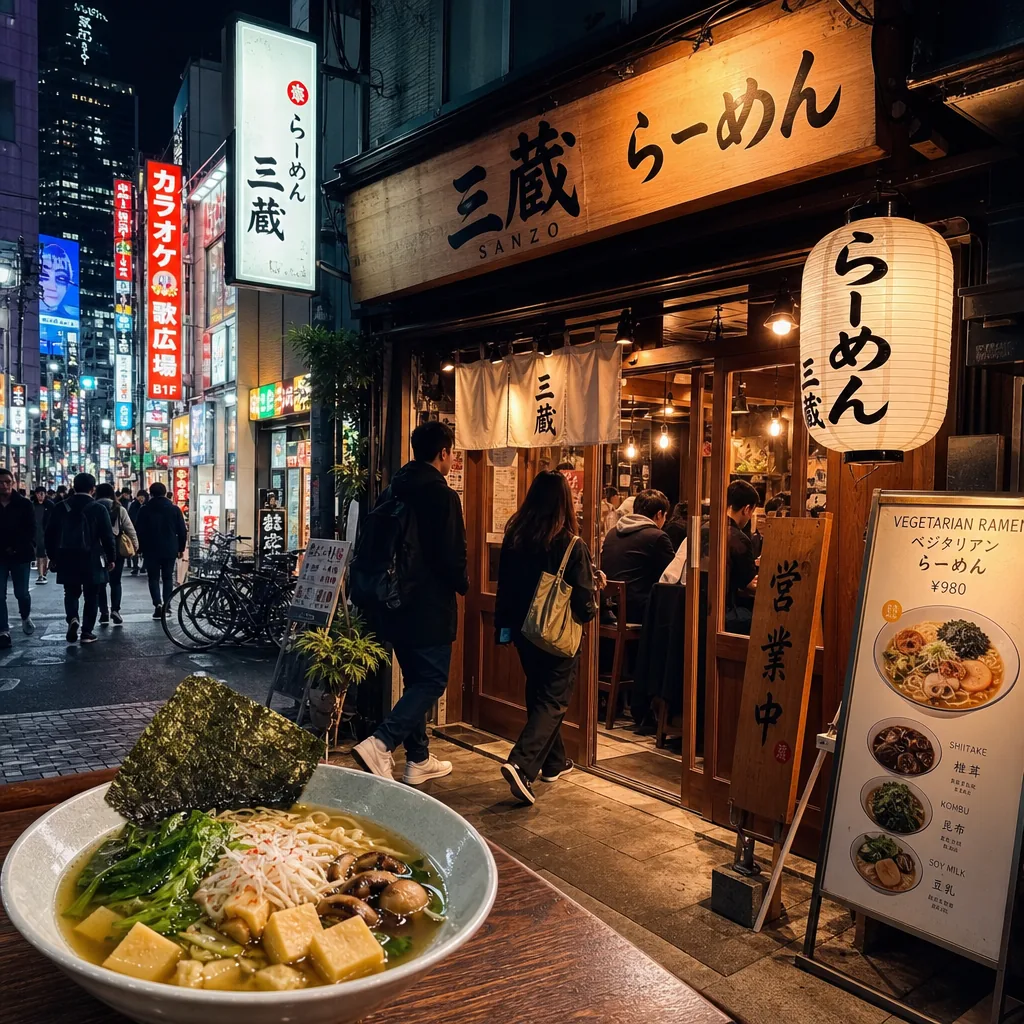
Find late-night vegetarian ramen in Tokyo by focusing on Shibuya, Shinjuku, and Roppongi, then verify broth, hours, and vegan menu details.