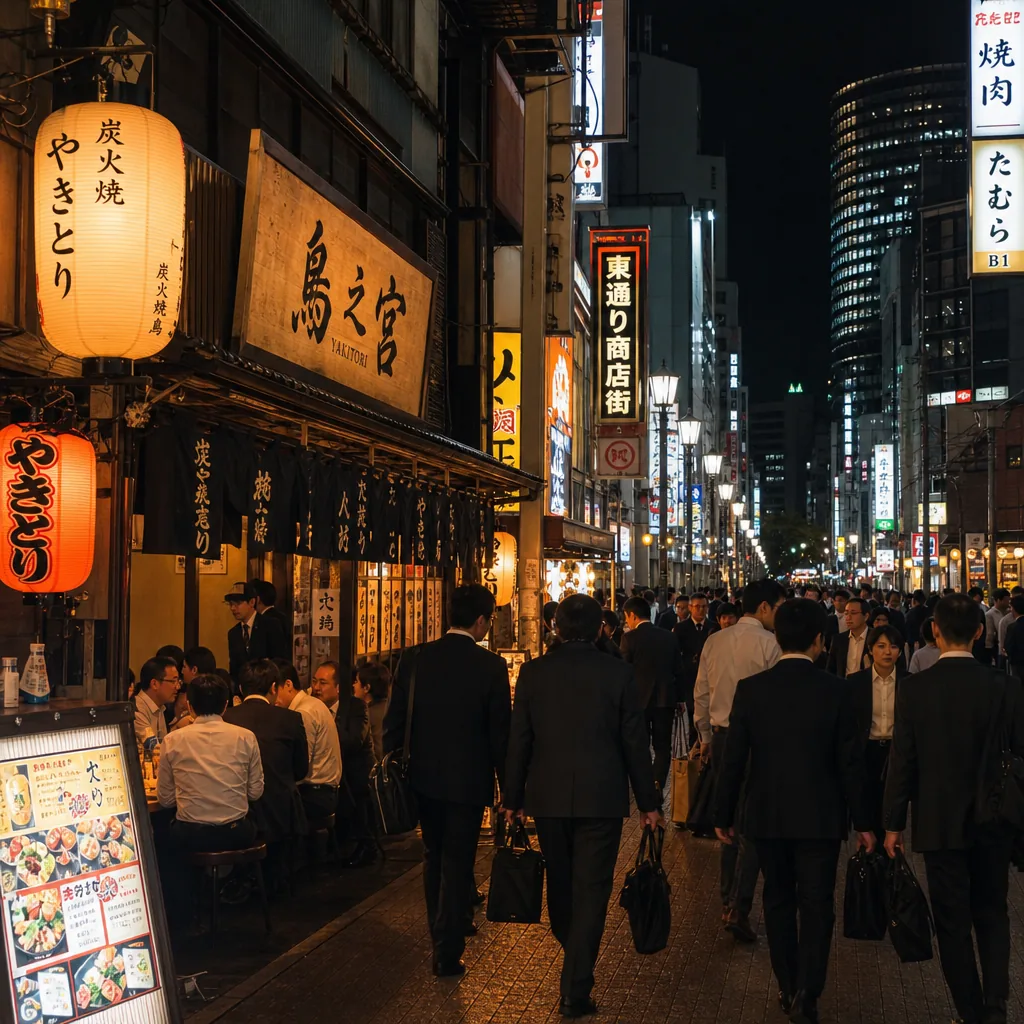
Where can I find english-friendly yakitori in Osaka after work?
Find English-friendly yakitori in Osaka after work by targeting Umeda, Namba, and Honmachi, plus booking sites and multilingual menus.
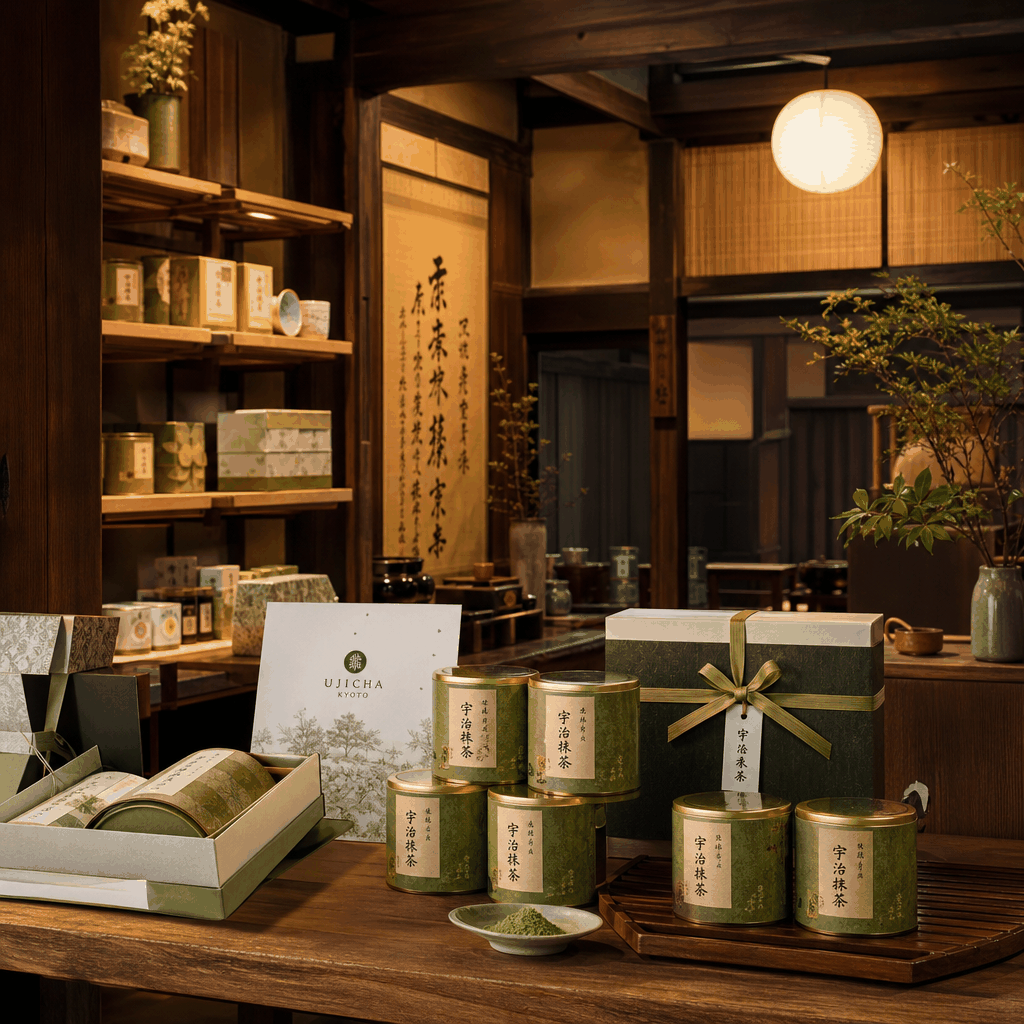
Yes—Kyoto is one of the best places to buy high-quality matcha powder for shipping, especially if you focus on Uji-area tea makers and long-established Kyoto tea retailers. The most reliable options are shops that list matcha grade, freshness details, and clear domestic or international shipping policies, such as Ippodo Tea Co. and Marukyu Koyamaen [3][4].
Kyoto stands out because its tea culture is deeply tied to Uji, the city area most associated with premium Japanese tea. Kyoto City’s official tourism guide describes Uji tea as central to Kyoto’s tea heritage, and Uji City’s tourism resources also promote the area as a tea destination [1][2]. For shoppers, that matters because the best matcha sellers in Kyoto are often the same businesses that have long worked with Uji tea production and tea ceremonies.
That heritage gives you two practical advantages. First, you can buy from merchants that specialize in matcha rather than general souvenir shops. Second, many of these merchants now operate official online stores, making it easier to ship fresh powder within Japan or abroad [3][4].
If you are comparing places to buy matcha in Kyoto, start with Uji and the central market areas where established tea brands and food retailers cluster. Uji is the clearest first stop because it is the heart of Kyoto’s tea identity and home to tea-focused sightseeing and shopping [1][2].
In central Kyoto, Nishiki Market is another useful reference point because it is a well-known food market area with many specialty shops and strong tourist traffic [5]. While not every shop there is a matcha specialist, it is a practical place to compare Kyoto-style food products and identify reputable retailers before ordering online.
For shipping, the most dependable shop types are:
When buying matcha for shipping, do not choose only by price or packaging design. Matcha quality is easier to judge when the product page clearly states the intended use. Look for labels such as usucha (thin tea), koicha (thick tea), or culinary use. Those labels help you match the powder to how you will actually drink or use it.
Also check whether the seller gives freshness details. Matcha is sensitive to light, heat, and air, so sealed packaging and quick shipping are important. If a shop explains storage conditions or emphasizes freshness on its online store, that is a better sign than a vague “premium” label alone [3][4].
Other practical markers to look for include:
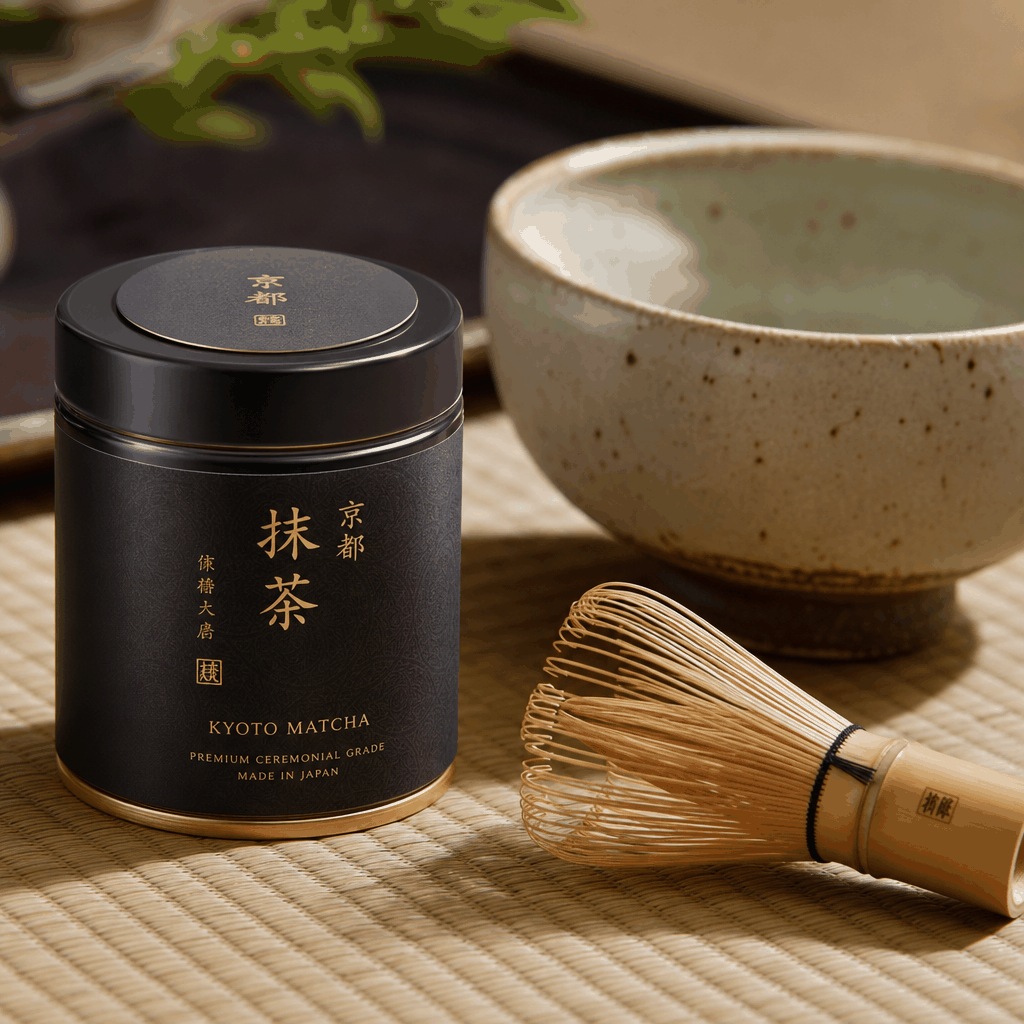
If you live in Japan, compare shipping speed and packaging before you buy. Matcha should be sent in sealed containers and delivered quickly enough that it does not sit in transit for too long. Ordering directly from Kyoto tea brands can help because their online shops are set up to handle their own product lines [3][4].
If you are overseas, first confirm whether the seller ships internationally on its own. Some Kyoto tea retailers provide direct international e-commerce support, while others may require a forwarding service or proxy shopper. Check the shipping page before adding items to your cart so you do not end up with a product that cannot be sent to your country [3][4].
Here is a simple buying process that works well:
This approach is especially useful for first-time buyers because it reduces the chance of ordering a matcha that is too strong, too weak, or not eligible for shipping to your location.
For direct purchase and shipping, two of the most useful Kyoto-based options are Ippodo Tea Co. and Marukyu Koyamaen. Both operate official online shops and are widely recognized names in Kyoto tea retail [3][4]. If you want a well-known brand with a long tea-house reputation, Ippodo is a strong place to start [3]. If you want a specialist closely associated with matcha and Uji tea products, Marukyu Koyamaen is another important source [4].
For shoppers who want to ground their purchase in Kyoto’s tea geography, Uji remains the best area to focus on. Kyoto City’s tourism guide and Uji City tourism materials both reinforce Uji’s status as the center of Kyoto tea culture [1][2]. That makes Uji-linked sellers more credible when you are looking for authentic matcha to ship home.
In practice, the best Kyoto matcha purchase is usually not the cheapest one. It is the one that clearly states its use, comes from a reputable Kyoto or Uji tea maker, and ships in a way that protects freshness. If you shop with those criteria, Kyoto gives you a strong chance of getting matcha that tastes as good at home as it does in the city itself.
CallButler is a multilingual concierge service that handles research, coordination, and bookings so you do not have to navigate language barriers or unfamiliar systems alone. If you need help related to Where can I buy high-quality matcha powder in Kyoto for shipping? or the tasks around it, our team can step in to manage the details and keep things moving smoothly.
Find English-friendly yakitori in Osaka after work by targeting Umeda, Namba, and Honmachi, plus booking sites and multilingual menus.
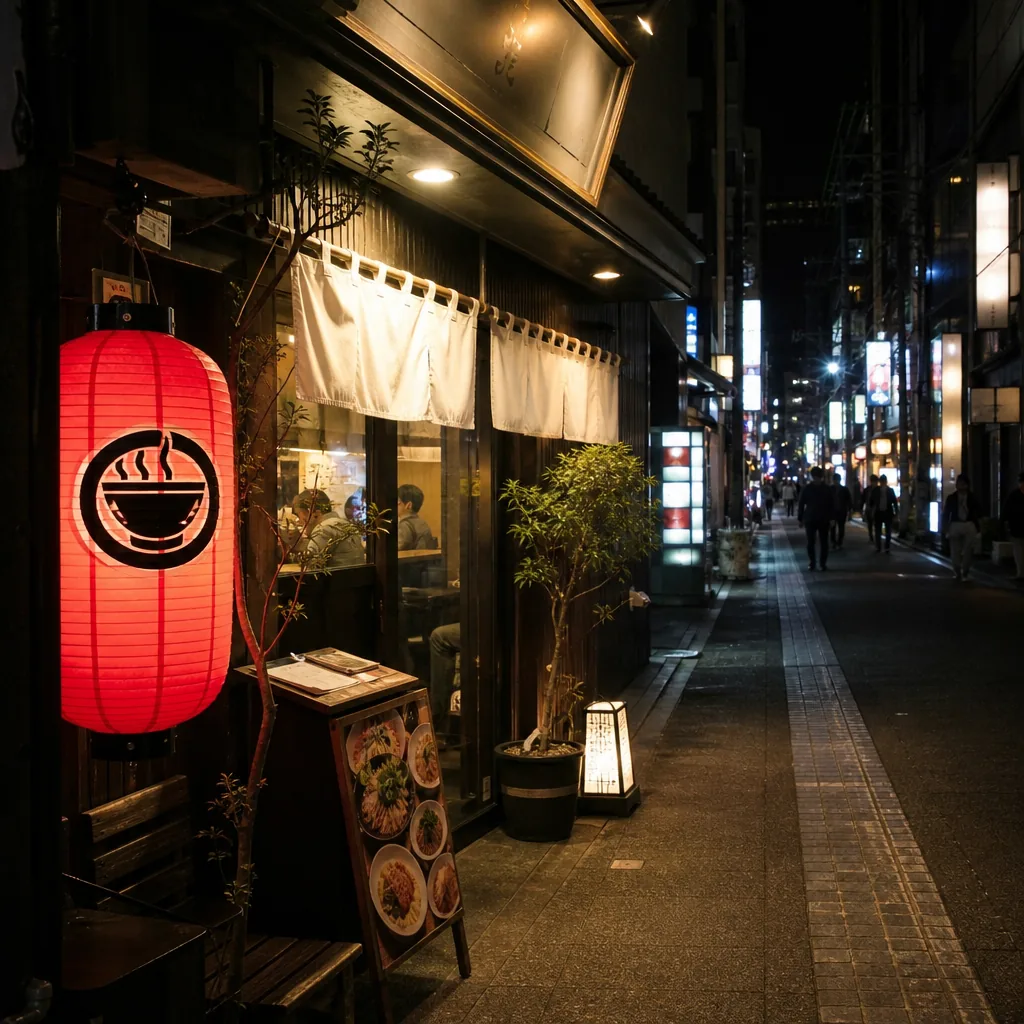
Looking for halal ramen in Kyoto after 10 p.m.? Here’s where to check, which areas are most practical, and how to verify hours and halal status.
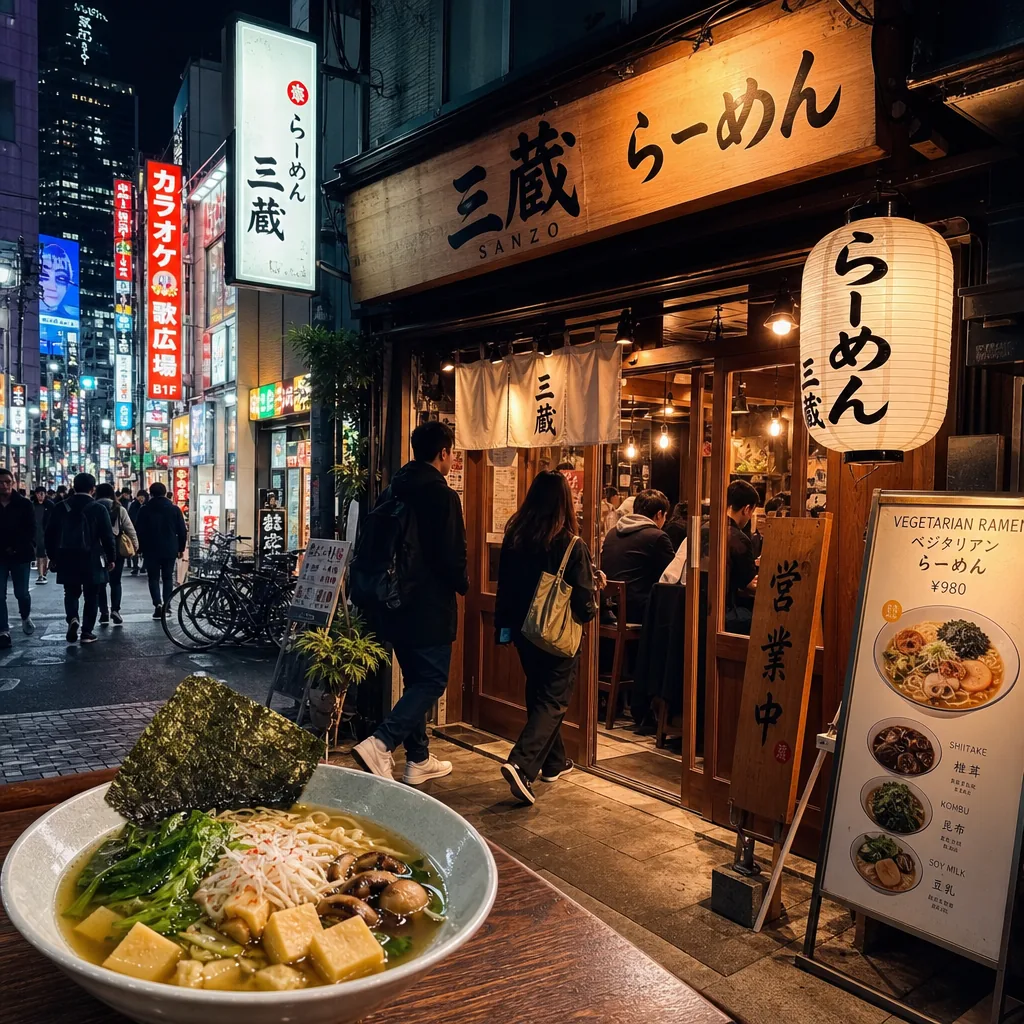
Find late-night vegetarian ramen in Tokyo by focusing on Shibuya, Shinjuku, and Roppongi, then verify broth, hours, and vegan menu details.