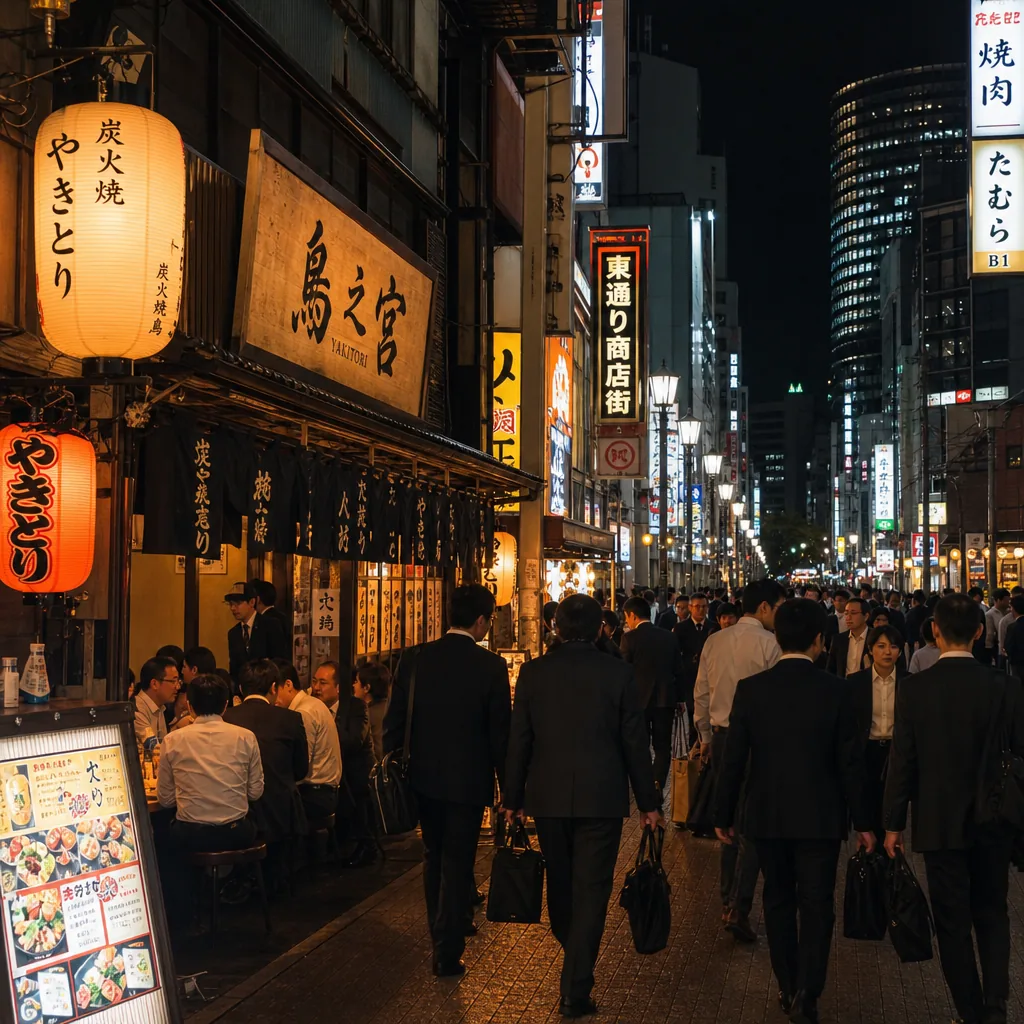
Where can I find english-friendly yakitori in Osaka after work?
Find English-friendly yakitori in Osaka after work by targeting Umeda, Namba, and Honmachi, plus booking sites and multilingual menus.
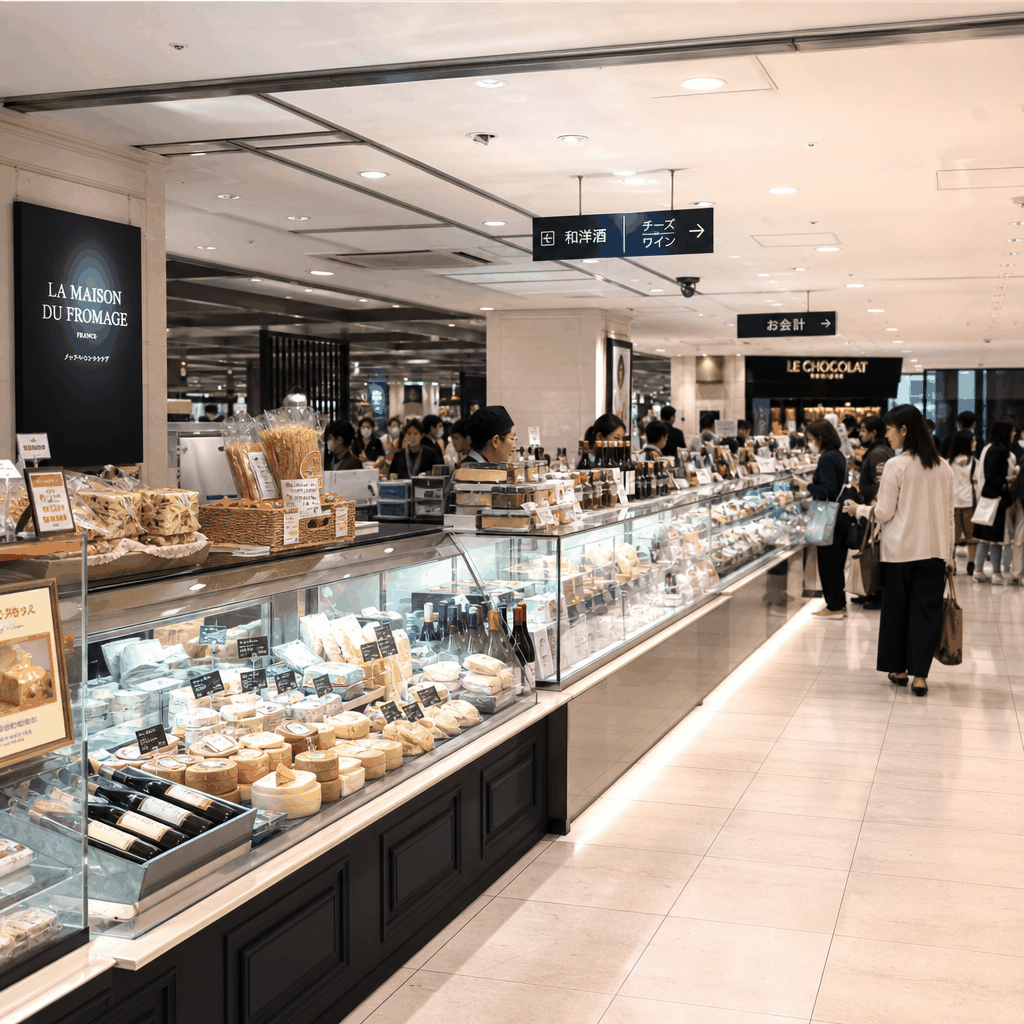
Which Tokyo depachika are best for international food counters? The best choices are the large, central department stores in Ginza, Nihombashi, Shinjuku, Ikebukuro, and near Tokyo Station, because they combine size, premium selection, and easy access for visitors. If you want imported cheeses, wines, chocolates, deli items, and polished gift-ready foods, these food basements are where Tokyo consistently delivers [1][2][3][4][5][6].
“Depachika” is short for department-store basement food floor. In Tokyo, these spaces are not just convenience stops; they are curated food halls with prepared meals, sweets, bakery items, deli counters, and imported goods displayed with unusual care [6].
For international food counters, depachika are especially useful because they often concentrate premium imported products in one place. You are more likely to find cheeses, cured meats, wine, chocolates, teas, and specialty condiments at a department store food hall than at a standard supermarket, and the packaging tends to be gift-ready rather than bulk-oriented [6].
That is why Tokyo’s most famous department stores are also the strongest depachika options. Their food floors serve a broad customer base, which supports variety, quality, and the kind of upscale imports visitors usually want [1][2][3][4][5].
Mitsukoshi Nihombashi is one of Tokyo’s classic flagship department stores and a dependable choice if you want a premium food floor in a historic central location. Nihombashi is a convenient base for shopping around Tokyo Station and central Tokyo, and Mitsukoshi’s department-store format makes it a strong candidate for upscale imported items and gifts [1][6].
Isetan Shinjuku is especially well known for high-end food selection. Its Shinjuku location makes it easy to reach from major rail lines, and the store’s reputation for gourmet food makes it one of the best bets for specialty international counters and premium imported products [2].
Takashimaya Times Square in Shinjuku is a practical choice if you want breadth as well as convenience. The store’s major food hall is a strong option for visitors who want to compare many prepared-food and imported-food counters in one stop, and Shinjuku’s transport links make it easy to fit into a sightseeing day [3].
Matsuya Ginza is a smart central-Tokyo option if you want upscale food shopping in Ginza. The Ginza area is one of Tokyo’s most polished shopping districts, and Matsuya’s department-store food floor is a convenient place to look for premium gift items and imported specialties [4][6].
Ginza Mitsukoshi is another strong Ginza-area choice, especially if you want to combine food shopping with other central-Tokyo errands. Like other flagship stores in the area, it benefits from a high-end customer base and a food hall that tends to emphasize quality and presentation [6].
Sogo Ikebukuro is useful if you are staying in northwest Tokyo or changing trains through Ikebukuro. Ikebukuro is a major transport hub, and Sogo & Seibu’s Ikebukuro main store gives visitors a large department-store food basement without having to travel into the most crowded central districts [5][6].
International food counters in Tokyo depachika usually focus on high-value, compact items rather than supermarket-style volume. Expect to see imported cheeses, hams, pâtés, sausages, chocolates, cookies, specialty teas, wines, olives, and bottled condiments, along with Japanese delicatessen dishes that pair well with them [6].
Many stores also emphasize seasonal and limited-edition products. Department stores in Tokyo are known for presentation, and the food floors often reflect that by grouping items into highly visible, neatly staffed counters rather than open-ended warehouse aisles [6].
That matters for visitors because depachika are excellent for gifts and curated food souvenirs. If you need a few high-quality items to take back to a hotel, share at a dinner, or give to a host, the packaging and service level are a major advantage [6].
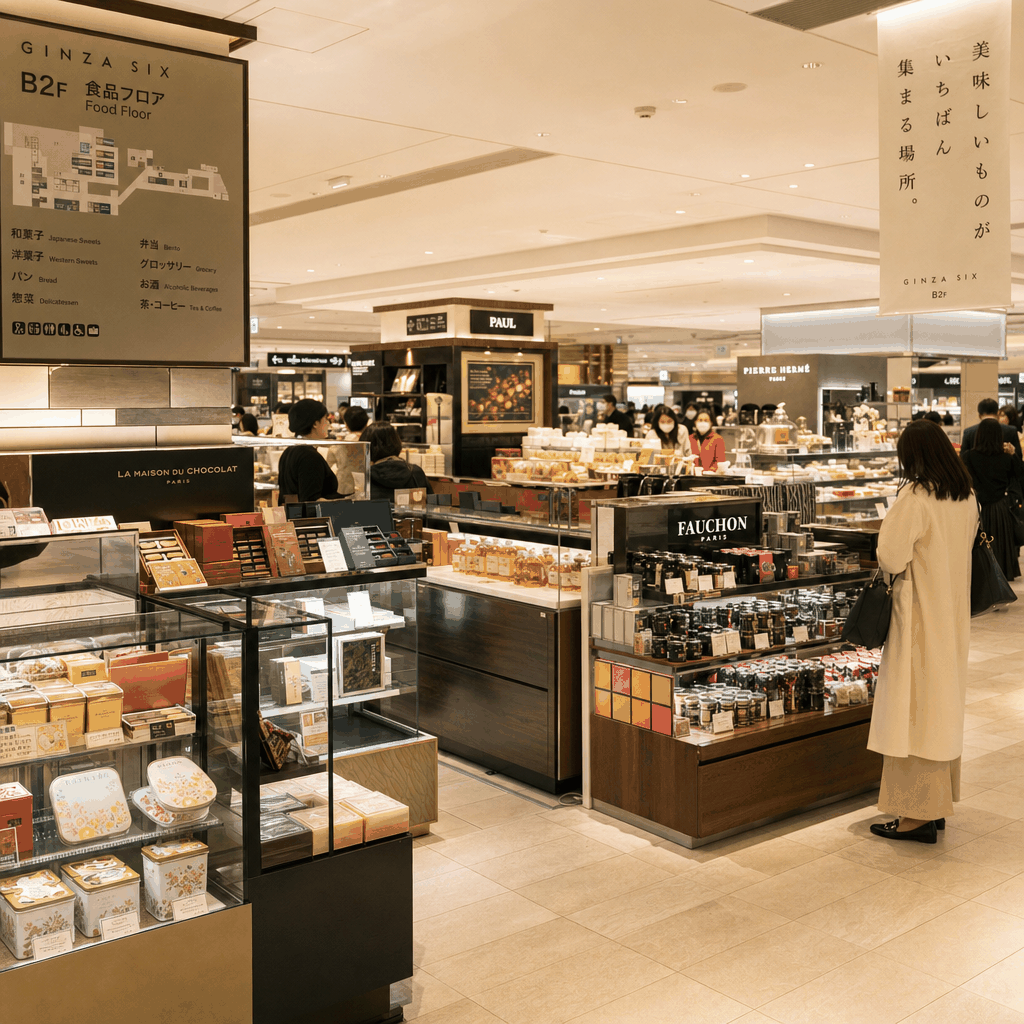
If you want the simplest Tokyo itinerary, choose the depachika that matches where you are already spending time. Central Tokyo stores are often the most efficient for visitors because they pair shopping with major sightseeing and transit nodes [6].
If your goal is to compare imported-food counters quickly, Shinjuku is one of the easiest neighborhoods because both Isetan and Takashimaya are there. If your goal is a more elegant shopping trip, Ginza and Nihombashi are better choices. If your schedule is tight, Tokyo Station-area access and nearby central districts can save time because they are practical for shopping before or after moving around the city [1][3][6].
In practice, the “best” Tokyo depachika for international food counters are the ones with the biggest food floors and the strongest department-store reputations: Mitsukoshi Nihombashi, Isetan Shinjuku, Takashimaya Times Square, Matsuya Ginza, Ginza Mitsukoshi, and Sogo Ikebukuro [1][2][3][4][5][6]. If you want variety, start in Shinjuku; if you want elegance, choose Ginza or Nihombashi; if you want convenience, Ikebukuro is hard to beat. Either way, Tokyo’s depachika make imported food shopping feel polished, efficient, and distinctly local.
CallButler is a multilingual concierge service that handles research, coordination, and bookings so you do not have to navigate language barriers or unfamiliar systems alone. If you need help related to Which Tokyo depachika are best for international food counters? or the tasks around it, our team can step in to manage the details and keep things moving smoothly.
Find English-friendly yakitori in Osaka after work by targeting Umeda, Namba, and Honmachi, plus booking sites and multilingual menus.
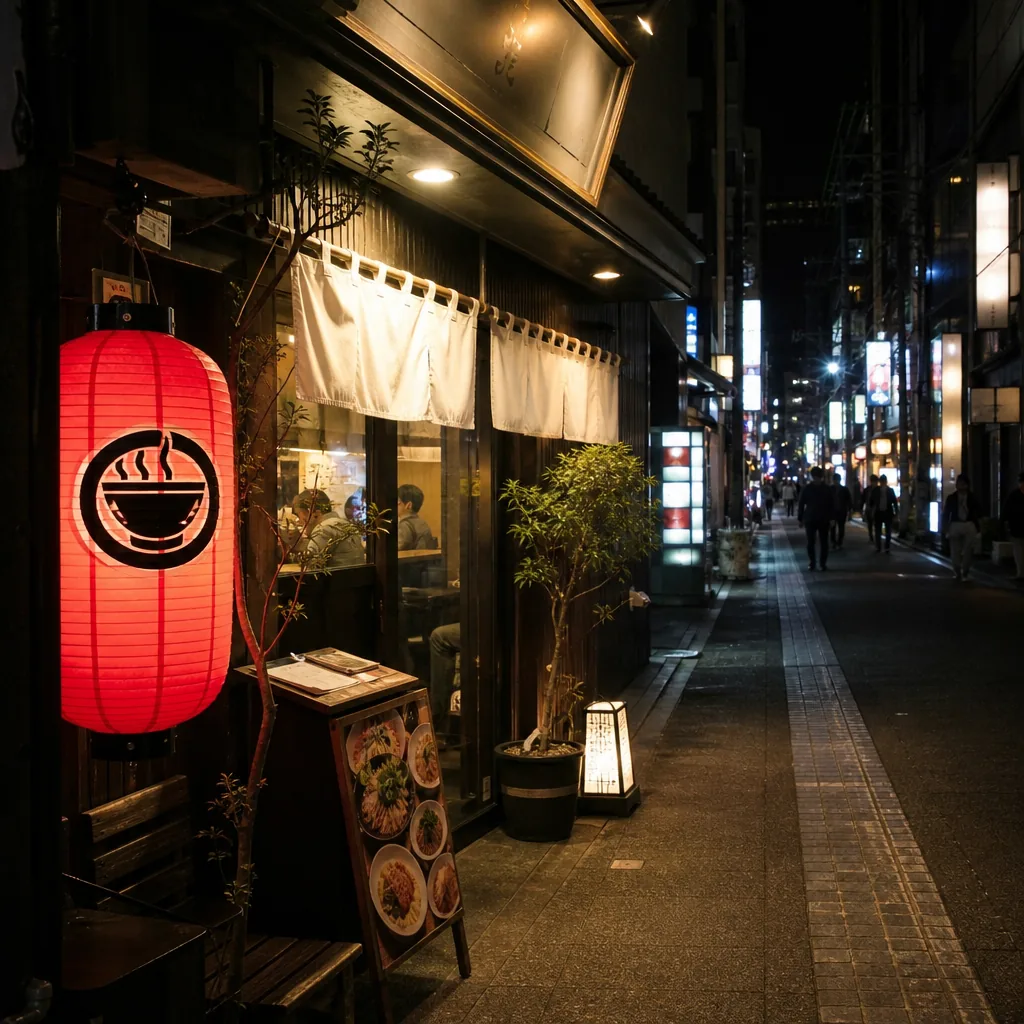
Looking for halal ramen in Kyoto after 10 p.m.? Here’s where to check, which areas are most practical, and how to verify hours and halal status.
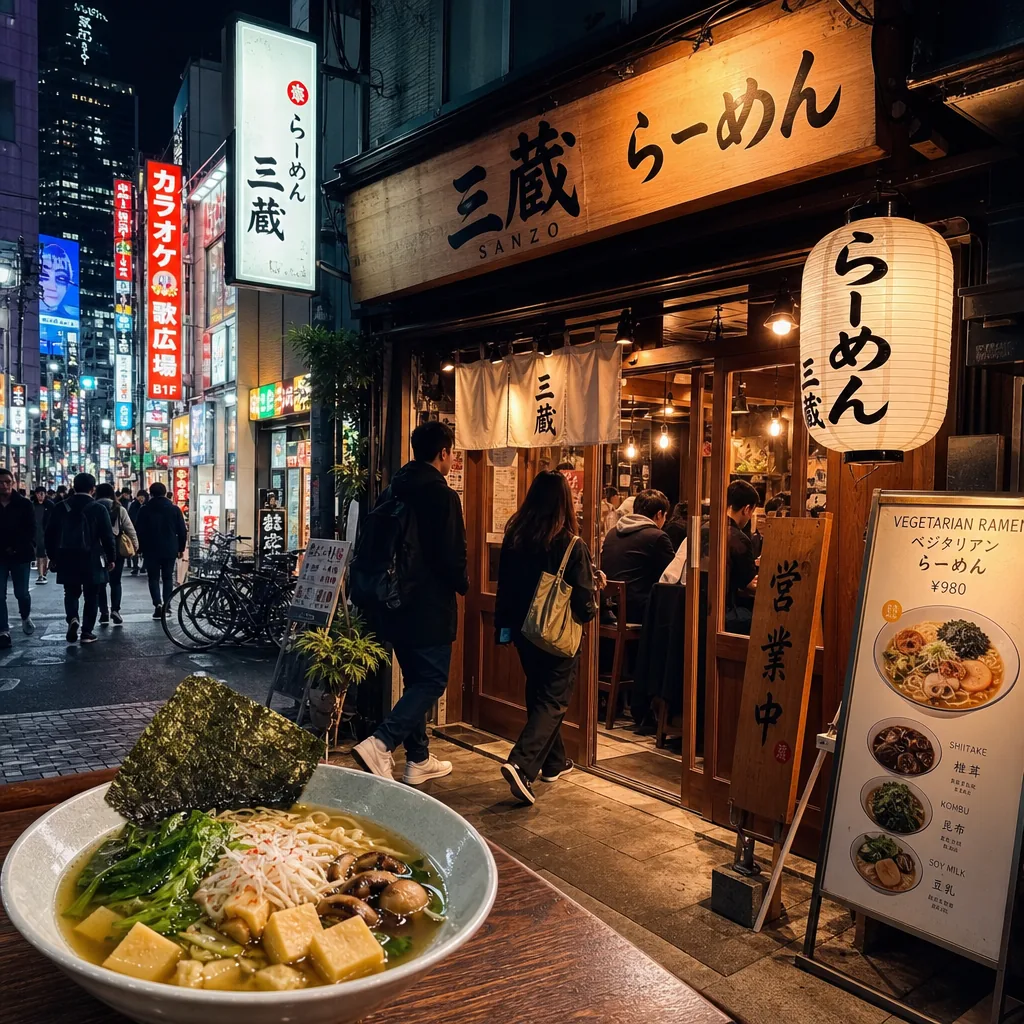
Find late-night vegetarian ramen in Tokyo by focusing on Shibuya, Shinjuku, and Roppongi, then verify broth, hours, and vegan menu details.