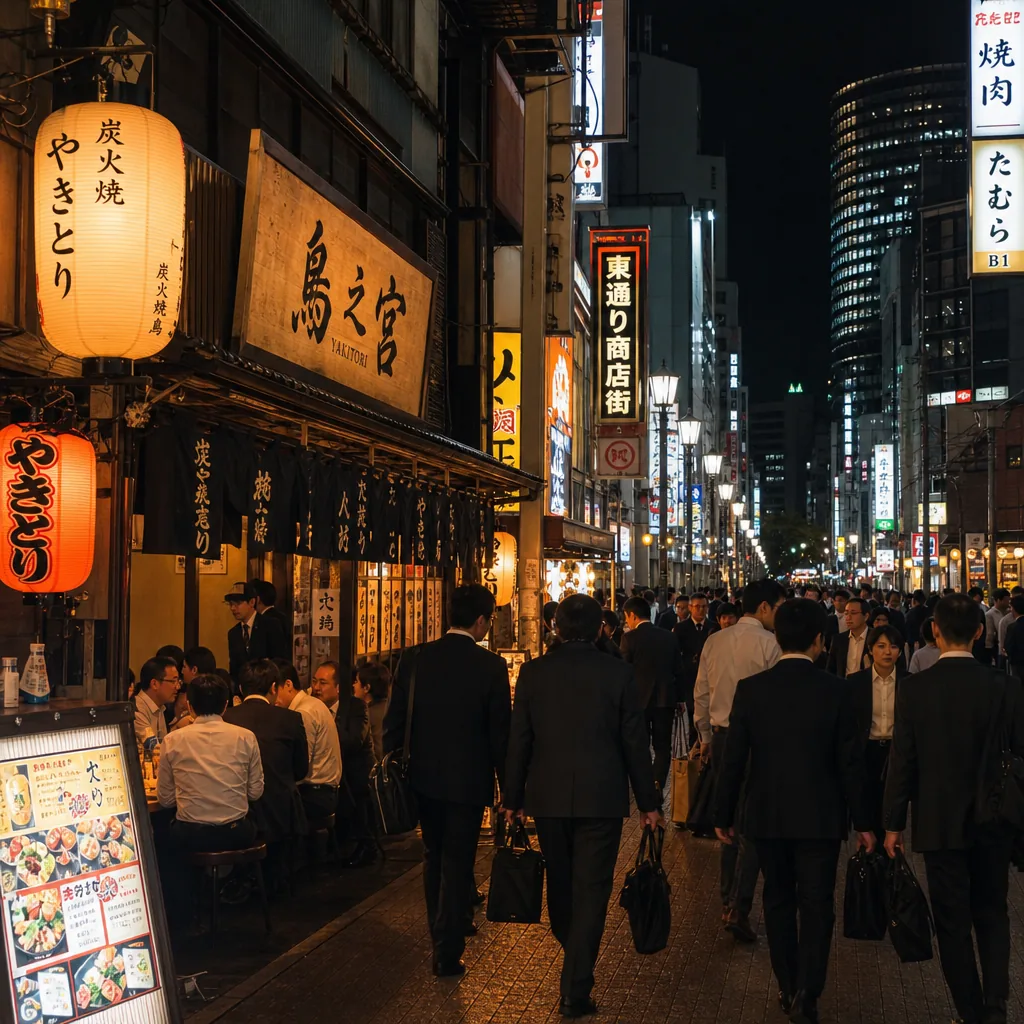
Where can I find english-friendly yakitori in Osaka after work?
Find English-friendly yakitori in Osaka after work by targeting Umeda, Namba, and Honmachi, plus booking sites and multilingual menus.
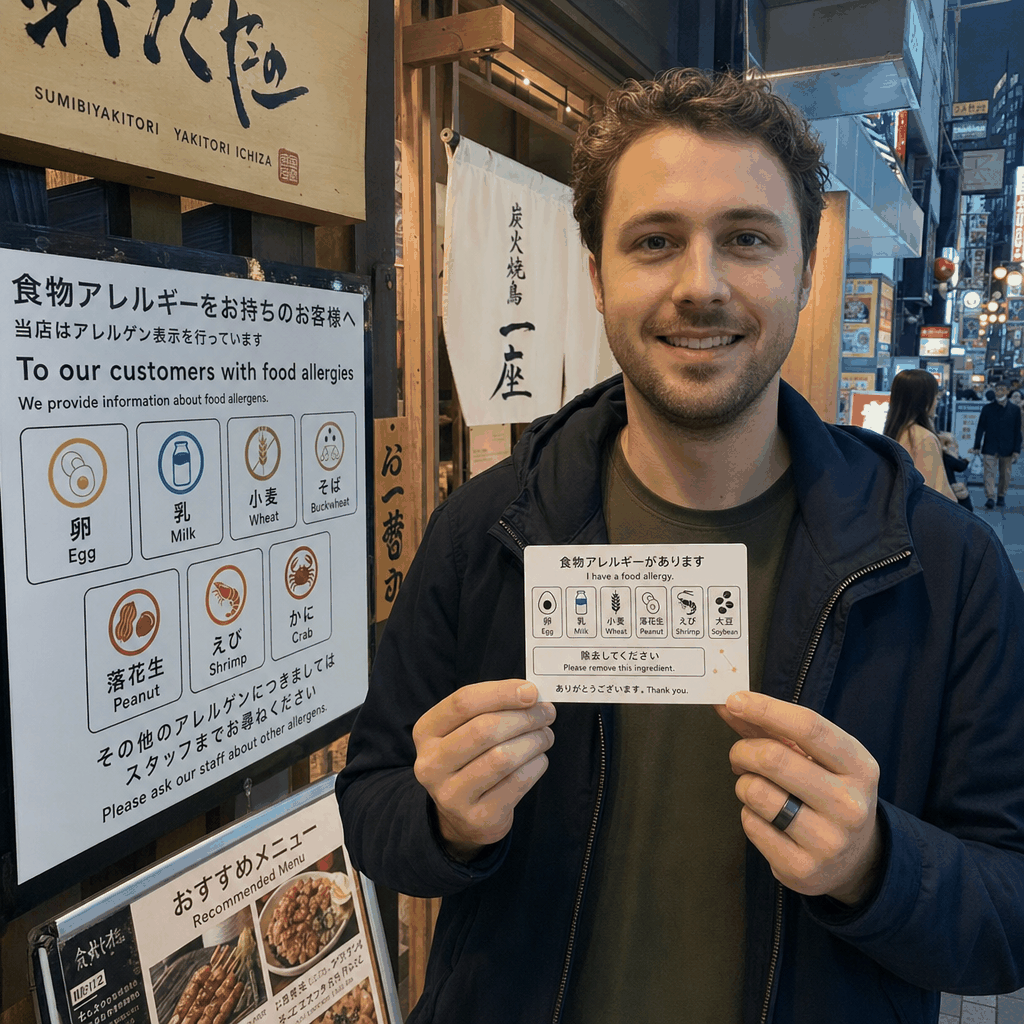
Yes—expats can find allergy-friendly restaurants in Osaka, but the safest approach is to combine official restaurant search tools, direct confirmation with staff, and a written allergy note in Japanese. Osaka’s tourism and public-health resources make it easier to check menus and ingredients in advance, especially in busy visitor areas like Umeda, Namba, and around Osaka Station [1][2][5].
Japan has clear food-allergy labeling rules for packaged foods, but restaurant practices are more variable, so you should not assume a menu item is safe just because it looks simple [3]. The Consumer Affairs Agency identifies seven priority allergens that often require attention: egg, milk, wheat, buckwheat, peanuts, shrimp, and crab [3]. In Osaka, where many restaurants serve noodles, tempura, sauces, and broths, those ingredients can appear in places that are not obvious from the dish name alone [1][2].
That is why expats with allergies should treat restaurant research as part of trip planning, not something to do only after being seated. Osaka Prefecture’s food allergy guidance also emphasizes careful communication, because allergens can be present in seasonings, frying oil, or soup stock even when the main ingredients seem safe [2].
Start with official tourism directories before relying on general review apps. Osaka Convention & Tourism Bureau’s dining pages and Visit Osaka’s restaurant search tools are designed for visitors and often point you toward restaurants that are used to handling international requests [1][5]. These sources are useful because they can lead you to places that already publish English menus, allergy notes, or ingredient details online [1][5].
For public transit-based dining plans, Osaka Metro’s multilingual visitor guidance can help you move between food districts efficiently, which matters when you want to compare several restaurants before choosing one [4]. If you are staying near a station, searching by area name such as “Umeda,” “Namba,” or “Osaka Station” is practical because these neighborhoods have a higher concentration of tourist-oriented restaurants that are more likely to answer ingredient questions [1][5].
Many restaurants in Osaka can answer basic questions, but “allergy-friendly” does not always mean “allergen-free.” A menu might label one dish as gluten-free or vegan, yet still leave out cross-contact details or hidden ingredients such as fish broth, soy sauce, or cooking oil [2][3]. For severe allergies, the safest method is to ask the restaurant to check with the kitchen rather than relying on menu descriptions alone [2].
A simple approach is to ask three things: what is in the dish, whether it shares cookware or oil with other foods, and whether any sauce or broth contains your allergen. This is especially important in Osaka because many popular foods—such as ramen, takoyaki-style items, and fried dishes—often use wheat, egg, dairy, or seafood-derived ingredients [1][2][3].
Useful wording: save a Japanese allergy card on your phone or print one before traveling. Osaka public-health guidance supports clear communication, and a written note can help staff understand exactly what must be avoided [2].
Osaka’s best areas for allergy-aware dining are the ones that already serve lots of overseas visitors. Umeda and Osaka Station are strong starting points because they combine department stores, large food floors, and chain restaurants that often publish more detailed menu information online [1][4][5]. Namba is another practical area because it is a major tourist hub with many restaurants that are accustomed to multilingual questions [1][5].
These neighborhoods do not guarantee safety, but they give you more options and more chances to compare answers. If one venue cannot confirm ingredients, you can move to another nearby rather than starting over in a less central district. 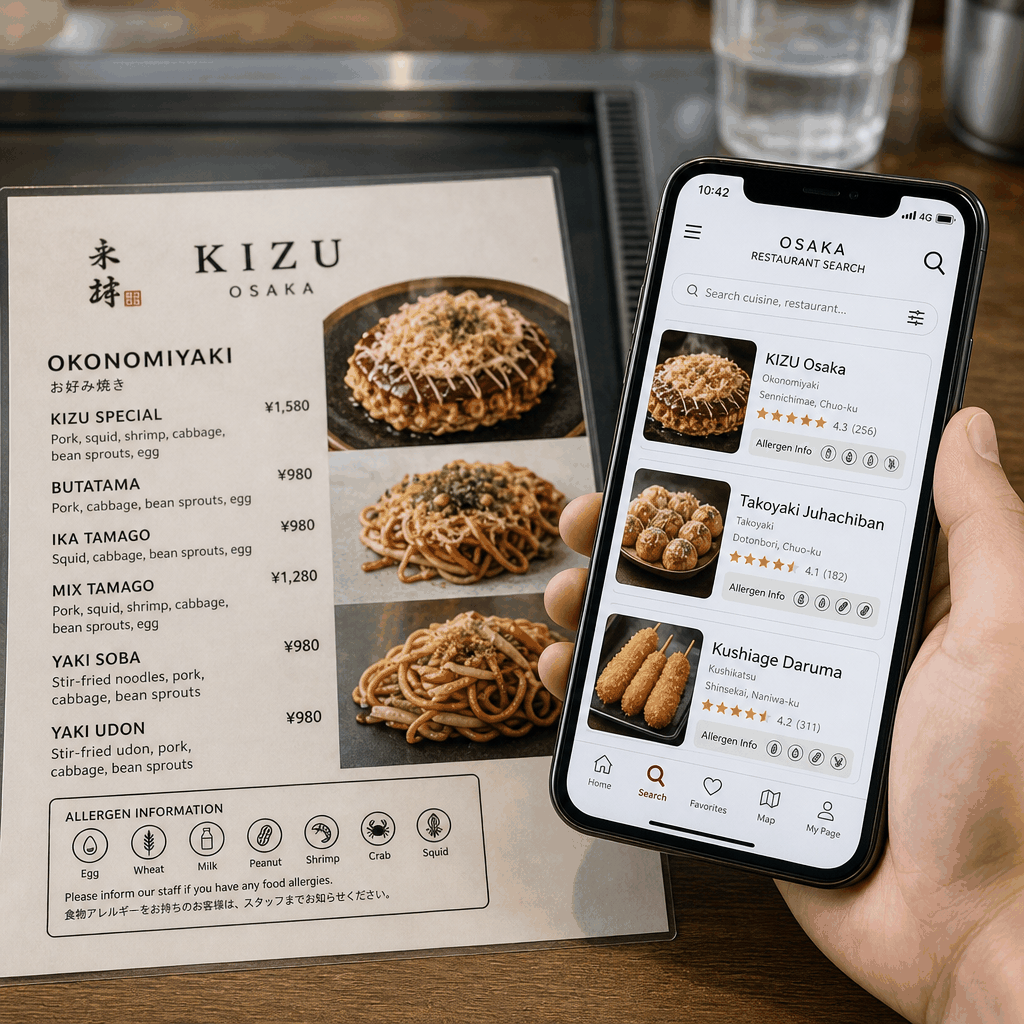
Named places worth checking through official guides include Osaka Station, Umeda, and Namba; all three are highlighted by tourism resources as useful bases for visitors looking for dining and shopping [1][5]. If you are using the subway, Osaka Metro’s multilingual guidance can help you plan those short hops between restaurant clusters [4].
The most reliable strategy in Osaka is to combine digital research, direct confirmation, and conservative decision-making. Specialty restaurants such as vegan, vegetarian, halal, or gluten-free spots can be helpful because they often already think carefully about ingredients, but you should still confirm each allergen individually [1][2][5]. A vegan dish, for example, may still contain wheat or soy, while a gluten-free option may not address seafood or dairy concerns [2][3].
It also helps to plan for time. If you message a restaurant ahead of your visit, give them enough lead time to check with the kitchen rather than expecting an instant answer at the table [2][5]. For lunch in busy areas, sending a question earlier in the day—or even the day before—can make the difference between a clear answer and a rushed no [1][2].
In Osaka, the safest path is not finding a “perfect” restaurant on the first try; it is using the city’s tourist infrastructure to verify each meal carefully. With official search tools, clear questions, and a bit of planning, expats can eat out more confidently while keeping their risk low [1][2][5].
CallButler is a multilingual concierge service that handles research, coordination, and bookings so you do not have to navigate language barriers or unfamiliar systems alone. If you need help related to How can expats find allergy-friendly restaurants in Osaka? or the tasks around it, our team can step in to manage the details and keep things moving smoothly.
Find English-friendly yakitori in Osaka after work by targeting Umeda, Namba, and Honmachi, plus booking sites and multilingual menus.
Looking for halal ramen in Kyoto after 10 p.m.? Here’s where to check, which areas are most practical, and how to verify hours and halal status.
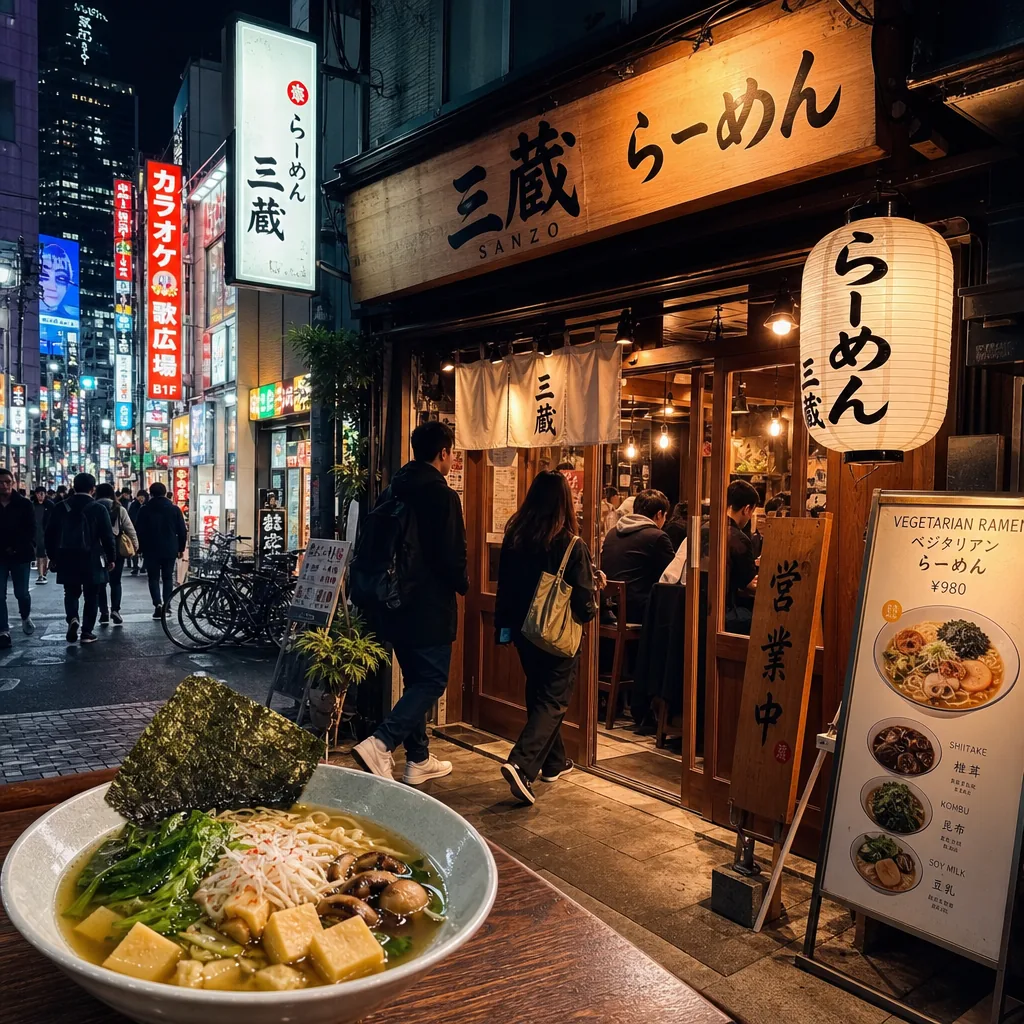
Find late-night vegetarian ramen in Tokyo by focusing on Shibuya, Shinjuku, and Roppongi, then verify broth, hours, and vegan menu details.