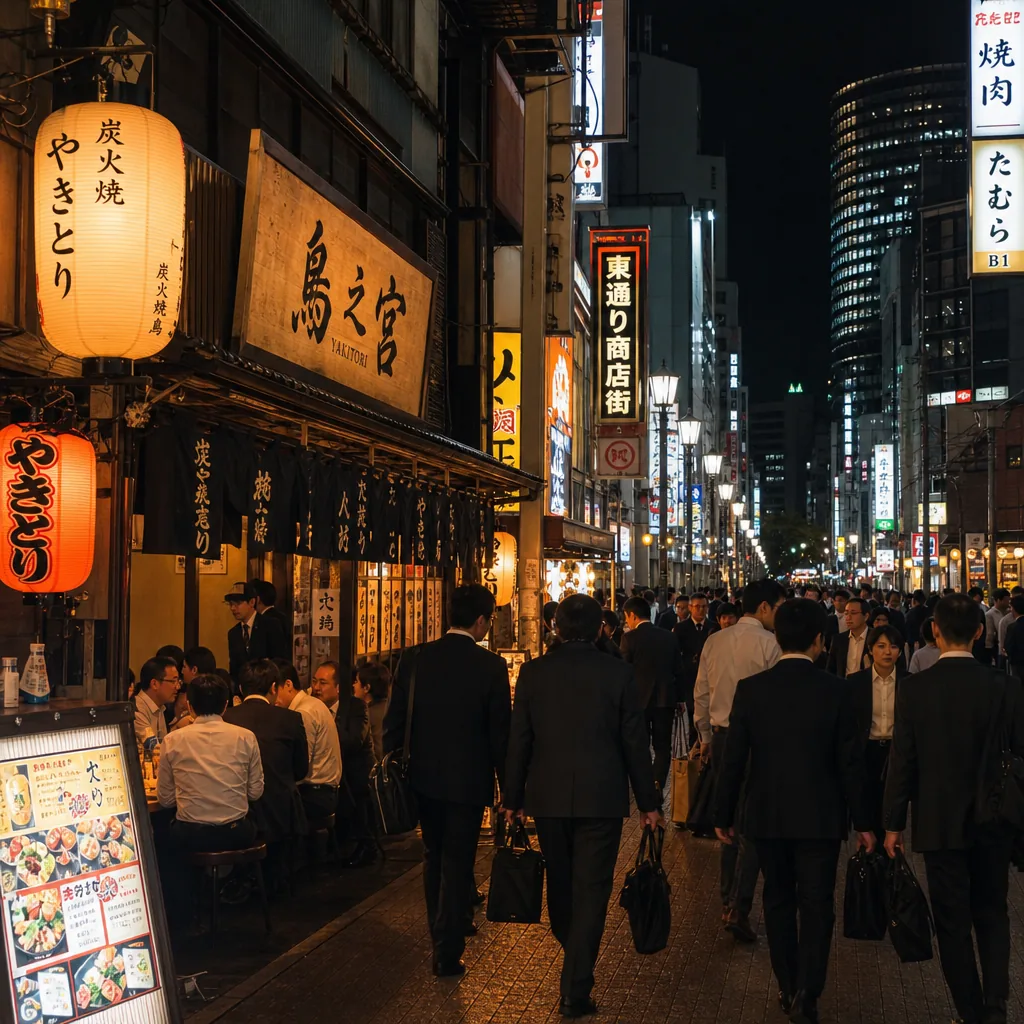
Where can I find english-friendly yakitori in Osaka after work?
Find English-friendly yakitori in Osaka after work by targeting Umeda, Namba, and Honmachi, plus booking sites and multilingual menus.
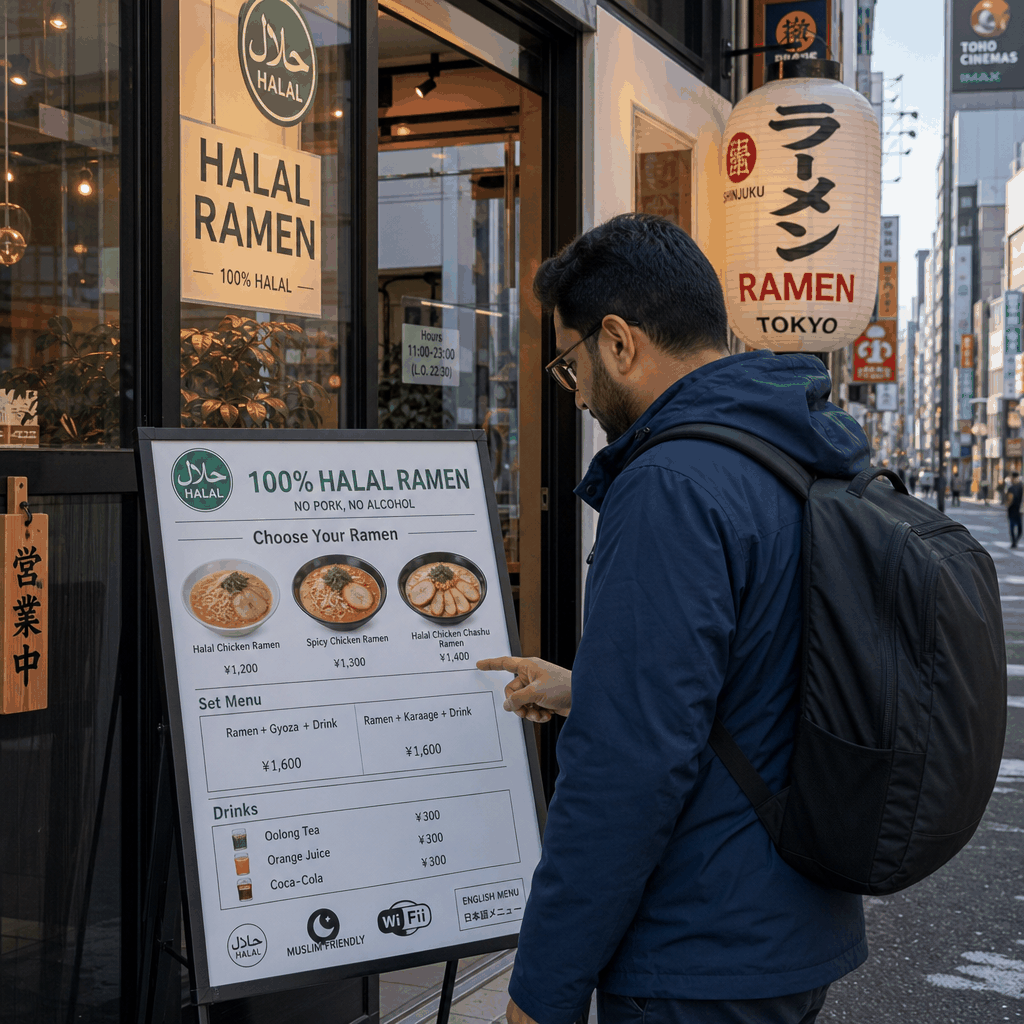
Where can you find halal and Muslim-friendly restaurants in Tokyo? The best starting points are official tourism guides and halal directory sites, especially in Shinjuku, Asakusa, Ueno, Akihabara, and Ginza, where visitor demand has helped expand the options [1][2][3]. For strict halal diners, fully halal restaurants are the safest choice; for others, Muslim-friendly spots can still work if you verify ingredients, pork handling, and alcohol use before you go [1][2].
In Tokyo, “halal” usually means a restaurant or menu that follows Islamic dietary rules more strictly, often with halal certification or clear halal preparation. “Muslim-friendly” is broader: a place may offer halal menus, avoid pork, or provide ingredient information, but it may not be fully certified and may still use alcohol in some dishes or sauces [1][2][3].
That distinction matters because Tokyo’s dining scene is very mixed. A restaurant may be safe for some Muslim travelers but not for others, depending on whether you require separate cookware, no alcohol in cooking, or only certified halal meat. Tokyo Convention & Visitors Bureau specifically recommends checking the restaurant’s halal status and ingredients rather than relying on the label alone [1][2].
Tokyo’s halal and Muslim-friendly choices are concentrated in major sightseeing and business districts. If you want the highest density of practical options, start with these neighborhoods:
If you are planning a full day out, it can help to choose a neighborhood near a mosque or prayer room. Some Tokyo dining guides include nearby prayer space information or note access to Muslim facilities, which makes meal planning around prayer times easier [2][3].
Because restaurant listings can change quickly, the most reliable approach is to confirm details the same day or the day before visiting. Tokyo’s official tourism pages and Muslim travel guides both emphasize checking current status, not just using an old recommendation [1][2][3].
Use this checklist before you sit down:
For strict halal diners, the safest choice is a fully halal restaurant with specific certification or a clear, detailed halal policy. For travelers who are comfortable with broader Muslim-friendly standards, a place that offers a halal menu and transparent ingredient information may be enough, but it is still wise to ask direct questions before ordering [1][2][3].
The most practical way to search Tokyo is to combine official tourism sources with dedicated halal directories. Tokyo Convention & Visitors Bureau provides a halal and Muslim-friendly information page plus a restaurant guide, both of which are useful because they focus on Tokyo and are designed for visitors [1][2]. Japan National Tourism Organization’s Muslim Travel Guide for Tokyo is another helpful starting point, especially for travelers who want a broader city overview [3].
For more frequent updates and restaurant-by-restaurant details, Halal Gourmet Japan is one of the most useful local platforms. It lists halal and Muslim-friendly restaurants with practical dining information, and it is often more current than printed guides [4]. Japan Travel by NAVITIME also has a Tokyo Muslim-friendly guide that helps narrow down areas and restaurant types [5].
Good example places that appear in Tokyo’s halal dining ecosystem include Naritaya in Asakusa, which is widely known among visitors looking for halal ramen, Gyumon in Shibuya for halal yakiniku-style dining, and Honolu in Tokyo for halal Japanese and fried chicken options; always confirm the current menu and policy before you go because operating details can change [4][5].
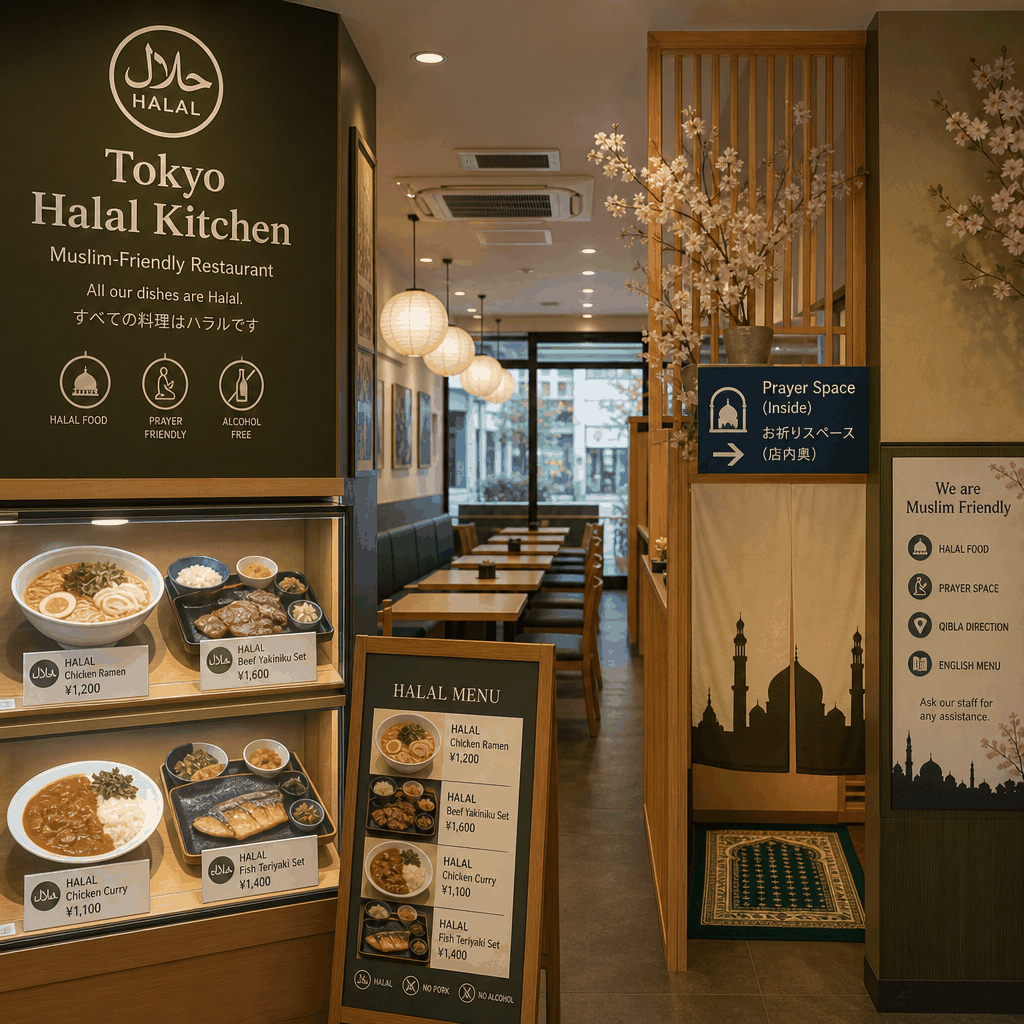
Tokyo is easier to navigate if you plan meals around your sightseeing route rather than searching randomly while hungry. Since halal-friendly restaurants cluster in certain districts, it is often smarter to book lunch near your main attraction and leave dinner flexible only if you have checked a reliable directory first [1][2][4].
Use these simple habits to make dining smoother:
Tokyo’s halal dining scene is not uniform, but it is very usable once you know where to look. Focus on tourist-heavy neighborhoods, verify each restaurant’s policy, and lean on current Tokyo-based directories for the latest information. That approach gives you the best chance of finding meals that fit your needs without wasting time across the city [1][2][3][4][5].
CallButler is a multilingual concierge service that handles research, coordination, and bookings so you do not have to navigate language barriers or unfamiliar systems alone. If you need help related to Where can I find halal and Muslim-friendly restaurants in Tokyo? or the tasks around it, our team can step in to manage the details and keep things moving smoothly.
Find English-friendly yakitori in Osaka after work by targeting Umeda, Namba, and Honmachi, plus booking sites and multilingual menus.
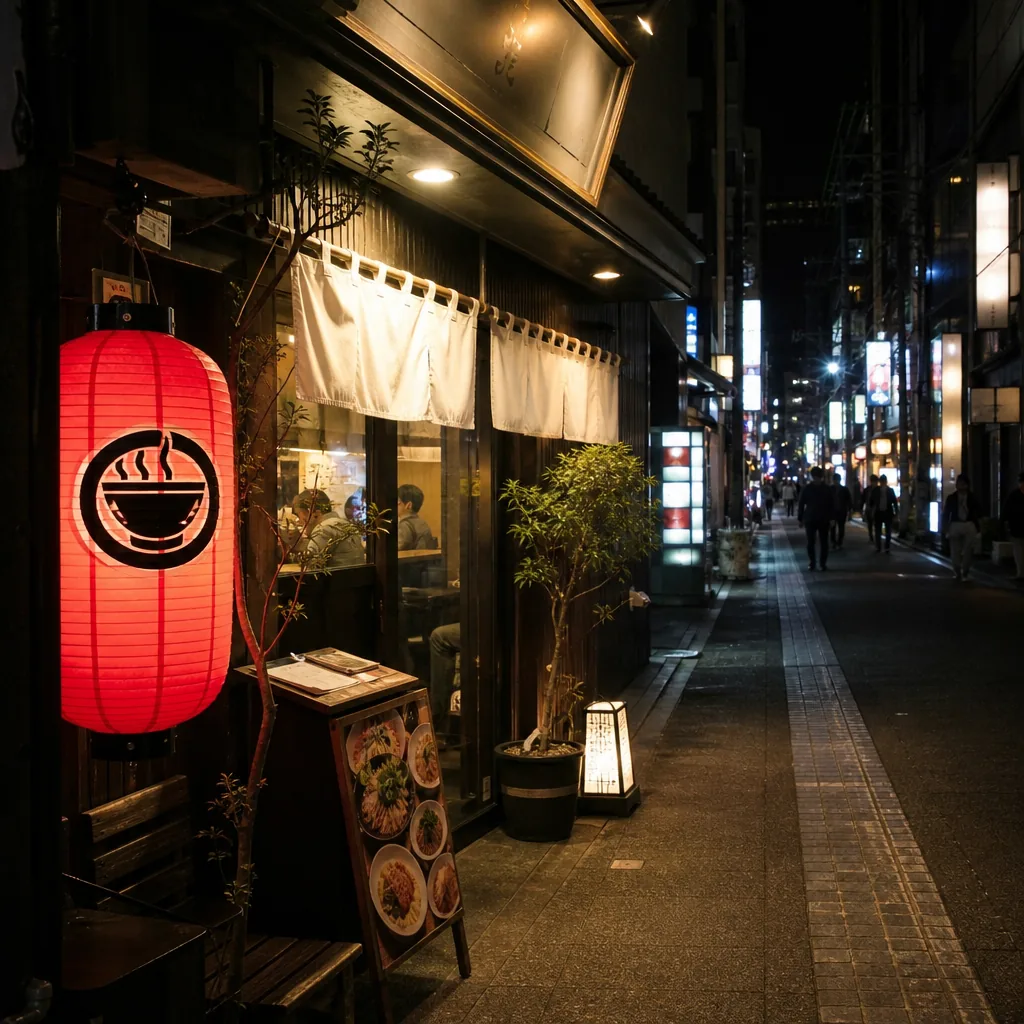
Looking for halal ramen in Kyoto after 10 p.m.? Here’s where to check, which areas are most practical, and how to verify hours and halal status.
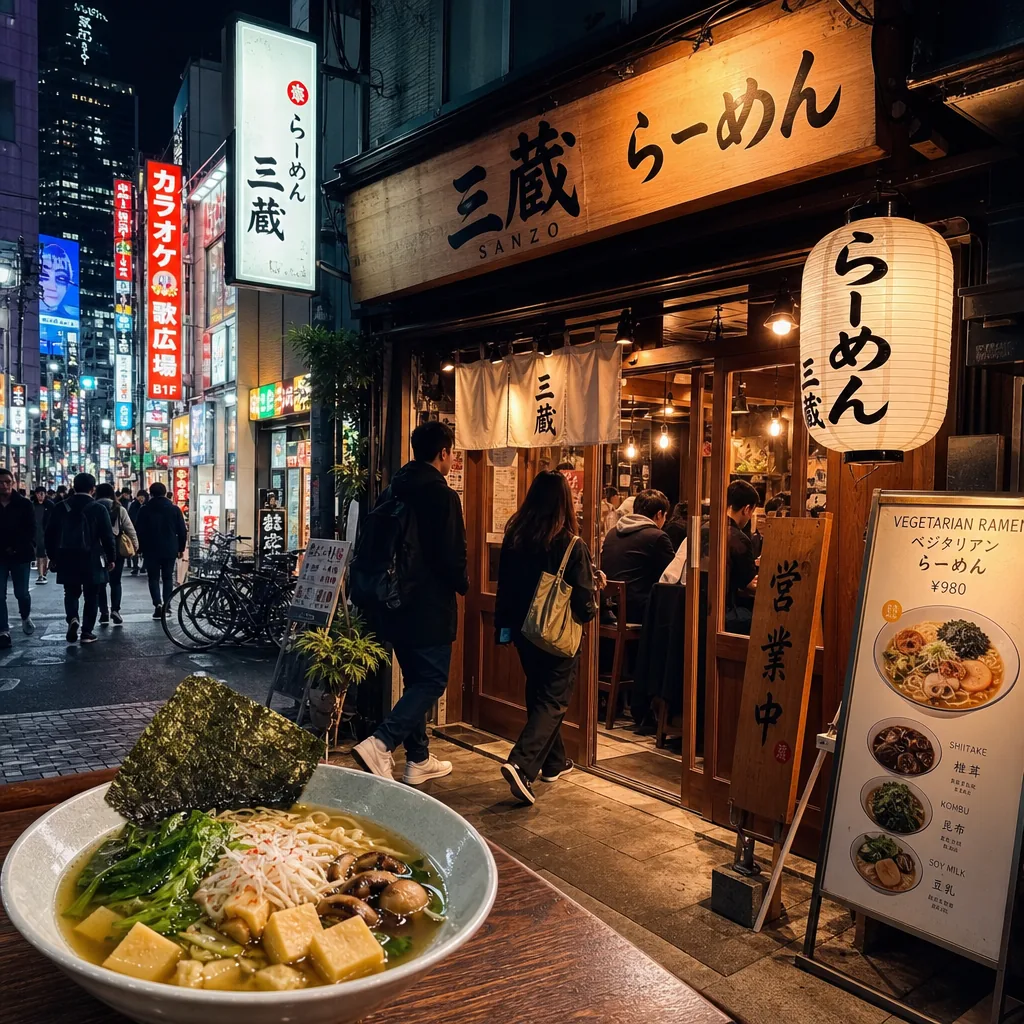
Find late-night vegetarian ramen in Tokyo by focusing on Shibuya, Shinjuku, and Roppongi, then verify broth, hours, and vegan menu details.