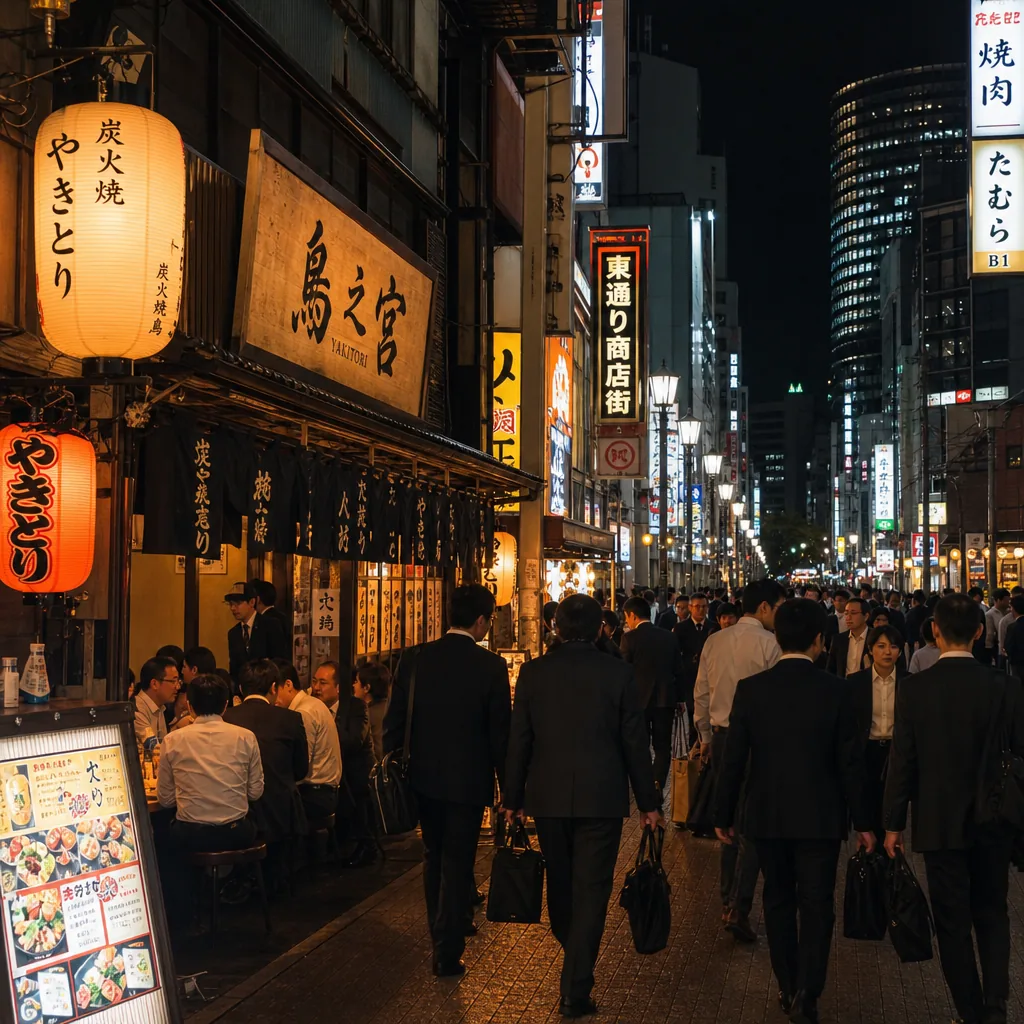
Where can I find english-friendly yakitori in Osaka after work?
Find English-friendly yakitori in Osaka after work by targeting Umeda, Namba, and Honmachi, plus booking sites and multilingual menus.
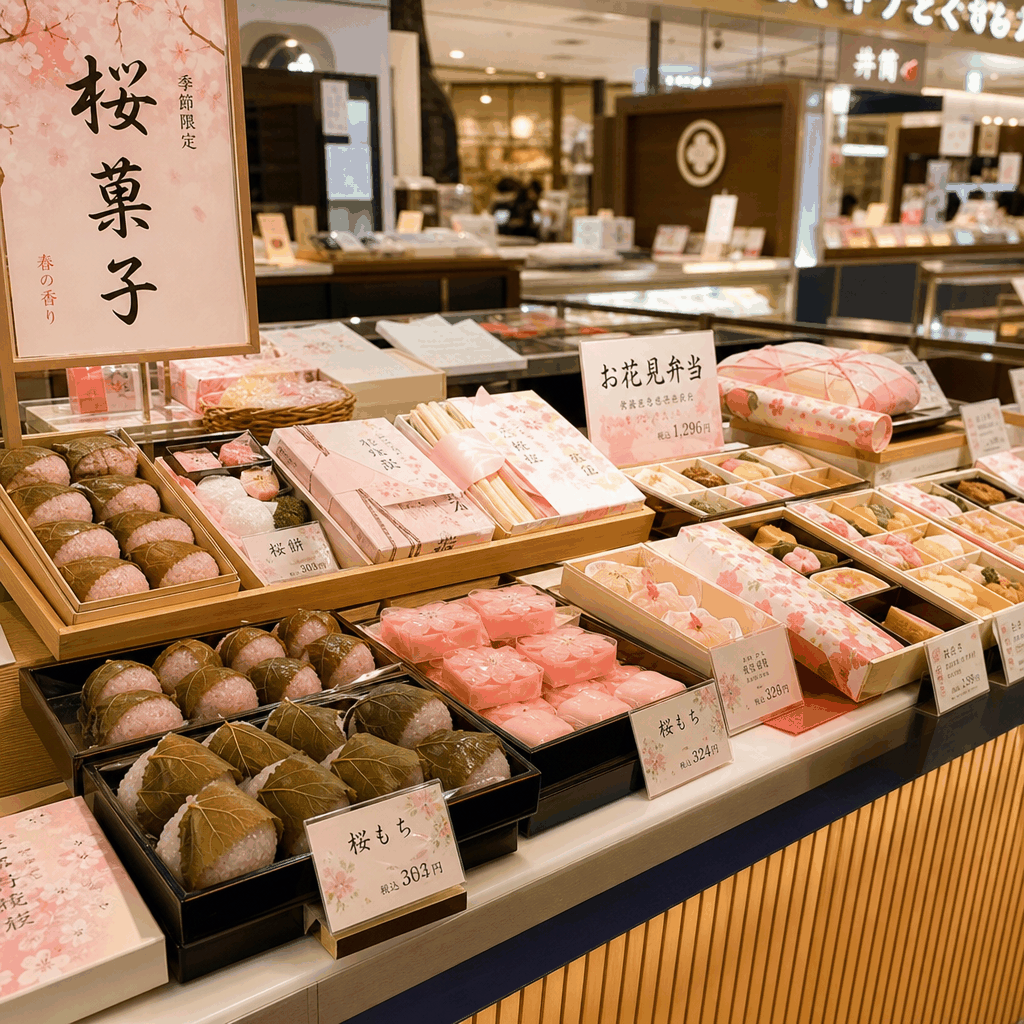
Yes—Kyoto is one of the easiest places in Japan to buy sakura sweets and spring-only bento, especially from late March to early April when cherry blossoms peak [1]. The most reliable options are the food floors at Kyoto Station-area department stores, traditional wagashi shops, and cafés or bakeries that release limited spring menus [2][3][4].
In Kyoto, cherry blossom season usually runs from late March into early April, though the exact timing changes each year [1]. That is when many shops launch limited-time products such as sakura mochi, cherry blossom-flavored cakes, and picnic bentos made for hanami, the cherry-blossom viewing tradition [1][5].
The practical takeaway is simple: if you are visiting for blossoms, shop early in the season and verify current availability before you go. Spring items are seasonal by design, so they can disappear quickly once the peak viewing days pass [1][5].
If you want variety in one stop, start around Kyoto Station. The station itself is a major shopping hub, and the surrounding department stores make it easy to compare multiple confectionery counters without moving far [2][3][4]. This is especially useful if you want to buy both sweets and a picnic bento on the same trip.
For traditional Kyoto-style sweets, look for wagashi shops that highlight spring assortments. Kyoto’s wagashi culture is closely tied to seasonal ingredients and presentation, and spring boxes often include sakura mochi or other flower-themed confections [5]. A good rule is to choose shops that explicitly advertise seasonal goods rather than assuming every sweets counter will have them.
Three named places to check are:
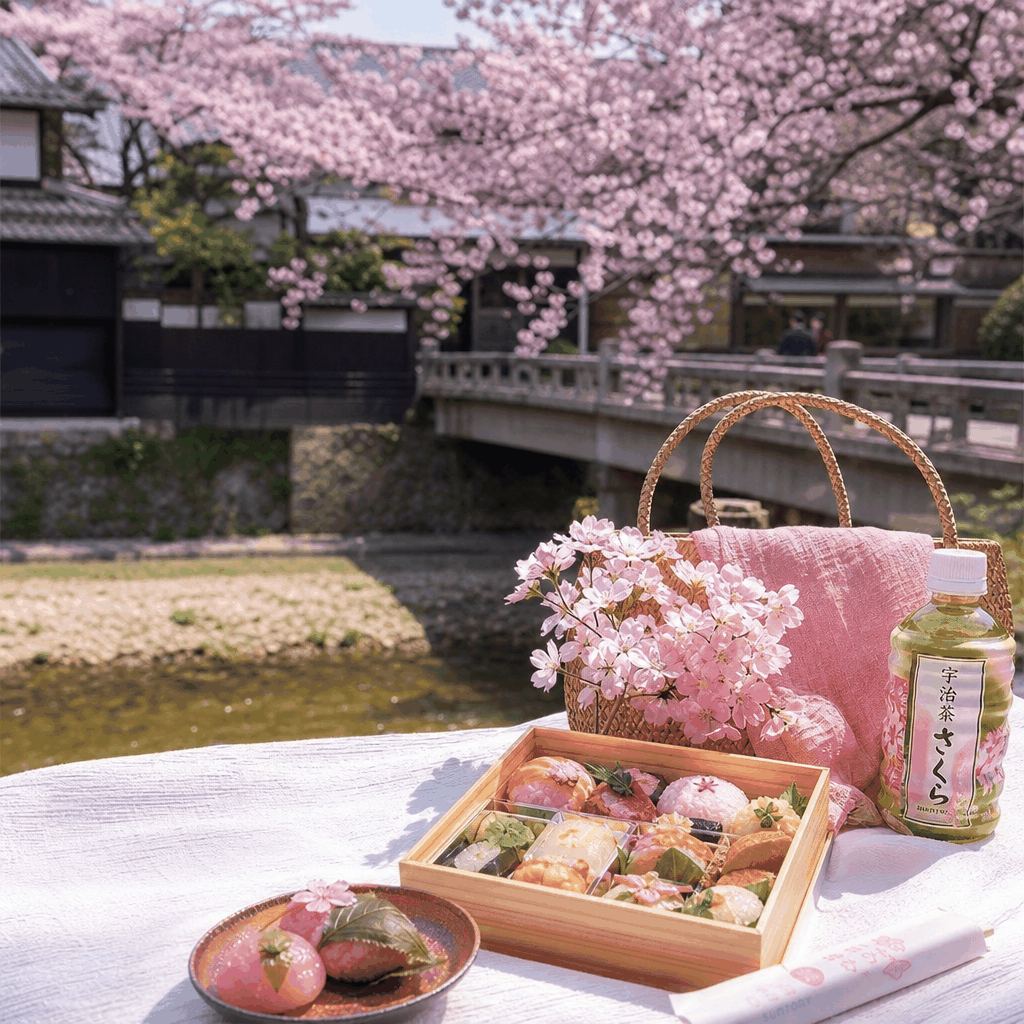
If you prefer a more traditional stop, combine shopping with sightseeing in central Kyoto neighborhoods where wagashi makers serve seasonal items alongside other local specialties. The benefit of these smaller shops is that they often offer more Kyoto-specific sweets than station chains, especially in spring [5].
For hanami bento, the most practical places are depachika and station-area department stores. These basement food halls usually gather multiple vendors in one place, so you can compare boxes, prices, and ingredients quickly before heading to a park or riverside viewing spot [3][4].
Seasonal bentos are particularly useful in Kyoto because blossom viewing often happens on a schedule. If you are going to popular spots on a weekend or during full bloom, buying before midday is a smart move; the best picnic boxes are more likely to sell out later in the day [1][3][4].
When choosing a hanami bento, look for spring vegetables, rice garnishes, or pink-toned ingredients that signal a seasonal menu. Many boxes are designed for takeaway, which makes them convenient for a picnic at a blossom location rather than a sit-down meal [1][3][4].
Commonly helpful shopping zones include:
The biggest mistake is waiting until the afternoon on a peak blossom day. Kyoto’s spring food offerings are seasonal and popular, so the safest plan is to buy sweets and bento earlier in the day, then enjoy them at your chosen viewing spot [1][3][4].
It also helps to check official pages before you leave. Kyoto tourism pages track the blossom season, while department store sites often post current food-floor campaigns and store information [1][2][3][4]. For traditional sweets, cultural overview pages can help you understand which products are seasonal rather than year-round [5].
Kyoto Station is the easiest base if you want efficient shopping. You can pick up sakura sweets and a seasonal bento, then continue to blossom-viewing destinations without needing a separate food run [2][3][4].
For a more atmospheric outing, pair a sweets stop with sightseeing in traditional areas where Kyoto wagashi culture is especially visible. Kyoto’s spring confections fit naturally into a day built around temples, gardens, and cherry blossom walks [1][5].
If your goal is a classic hanami day, buy takeout at Kyoto Station or a nearby department store, then head to a local blossom spot rather than searching for food after you arrive. That approach is the most dependable because it matches Kyoto’s seasonal rhythm: limited-time sweets, quick-selling bentos, and very busy peak blossom days [1][3][4].
In short, Kyoto is best for sakura sweets and seasonal bento when you shop in the station-area department stores first, then explore traditional wagashi shops for more local spring specialties [2][3][4][5]. If you time your visit with the late-March-to-early-April blossom window and buy early in the day, you will have the best chance of finding the freshest seasonal selection [1].
CallButler is a multilingual concierge service that handles research, coordination, and bookings so you do not have to navigate language barriers or unfamiliar systems alone. If you need help related to Where can I buy sakura sweets and seasonal bento in Kyoto? or the tasks around it, our team can step in to manage the details and keep things moving smoothly.
Find English-friendly yakitori in Osaka after work by targeting Umeda, Namba, and Honmachi, plus booking sites and multilingual menus.
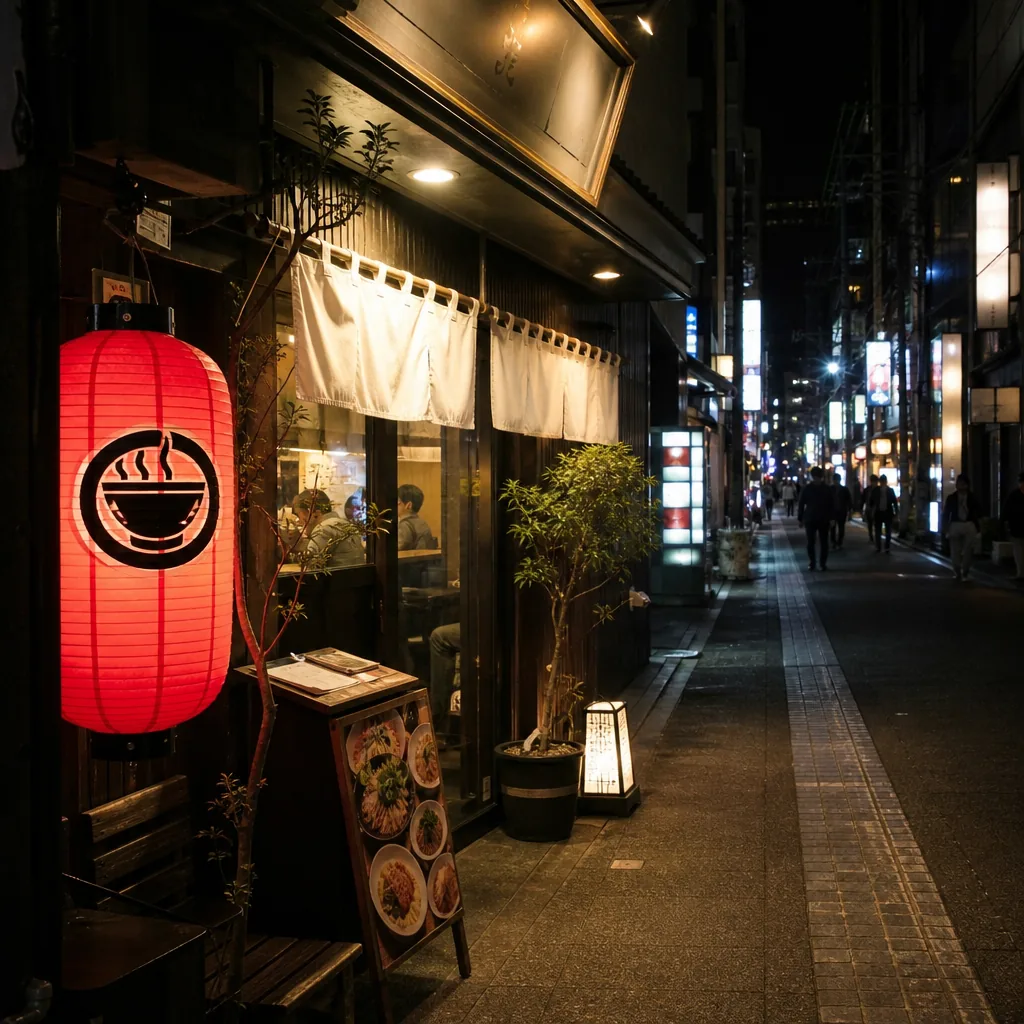
Looking for halal ramen in Kyoto after 10 p.m.? Here’s where to check, which areas are most practical, and how to verify hours and halal status.
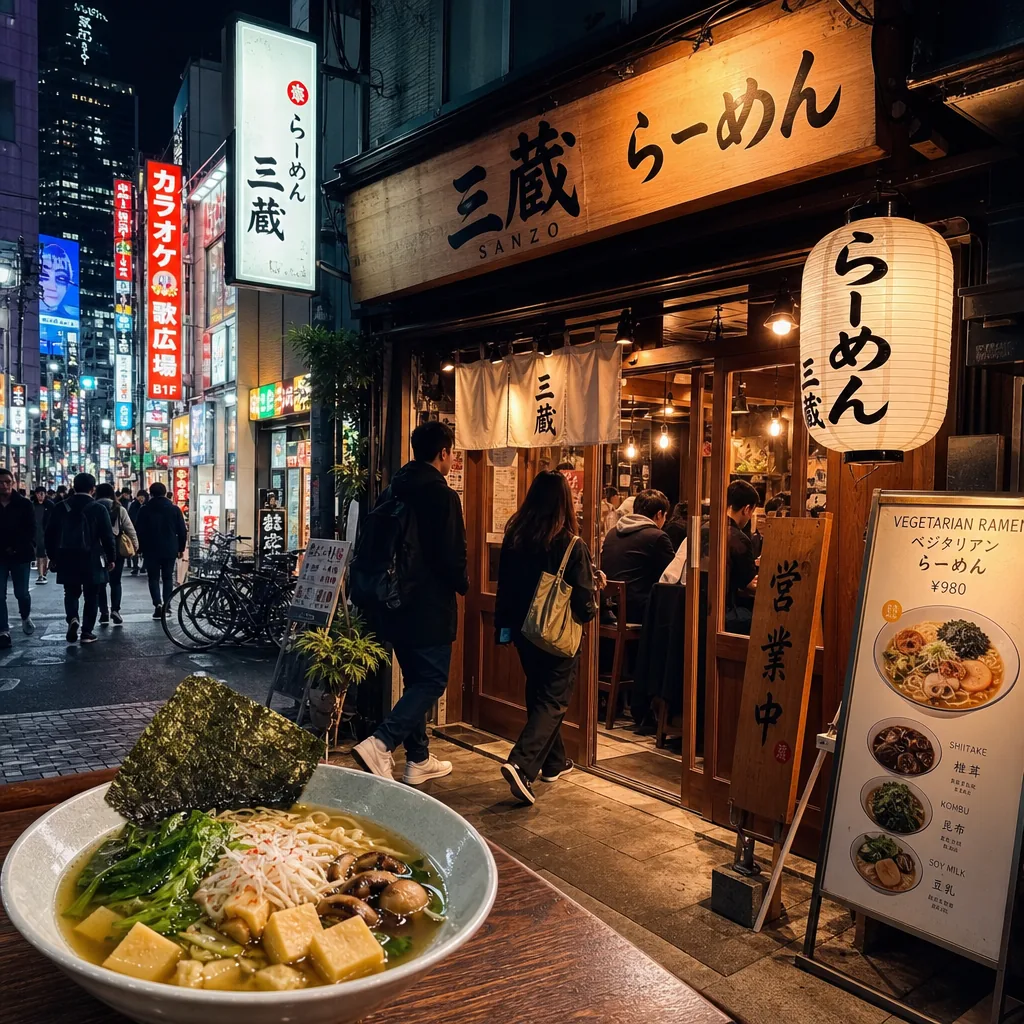
Find late-night vegetarian ramen in Tokyo by focusing on Shibuya, Shinjuku, and Roppongi, then verify broth, hours, and vegan menu details.