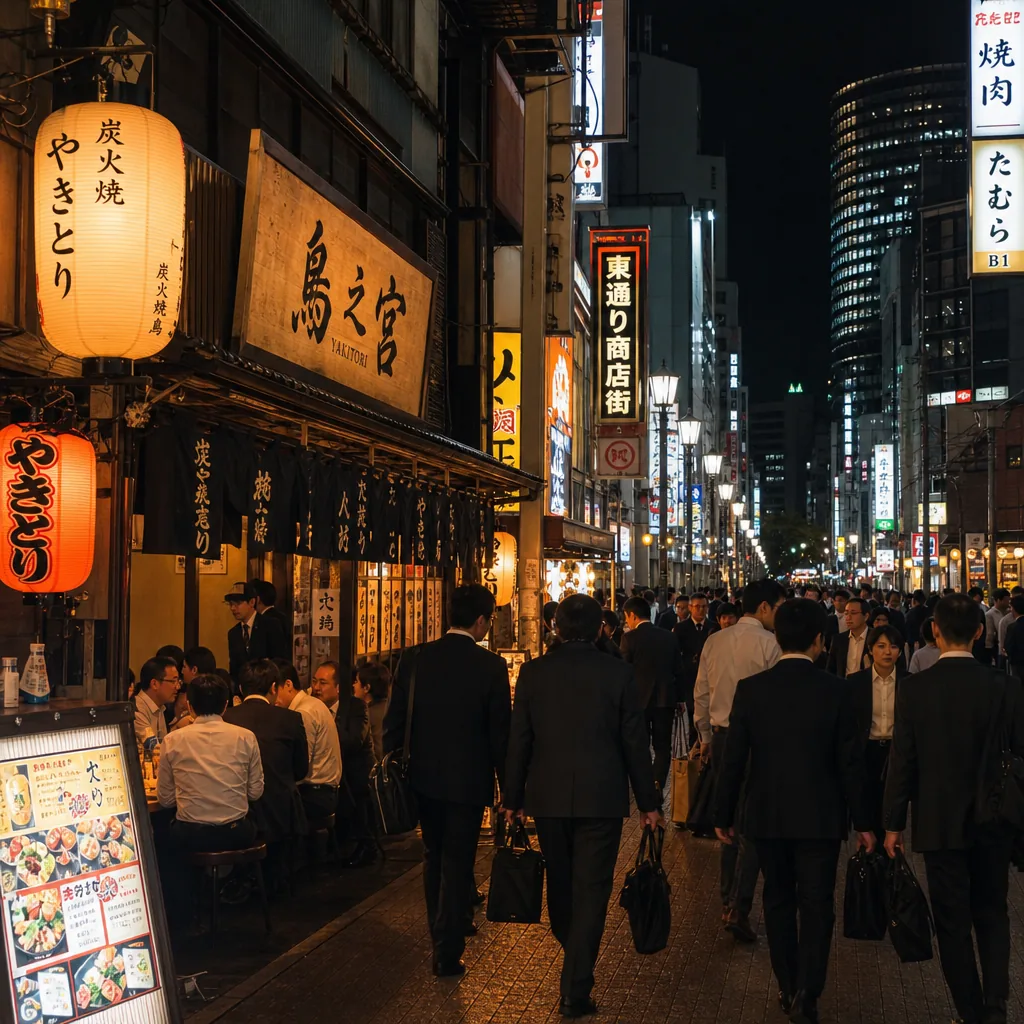
Where can I find english-friendly yakitori in Osaka after work?
Find English-friendly yakitori in Osaka after work by targeting Umeda, Namba, and Honmachi, plus booking sites and multilingual menus.
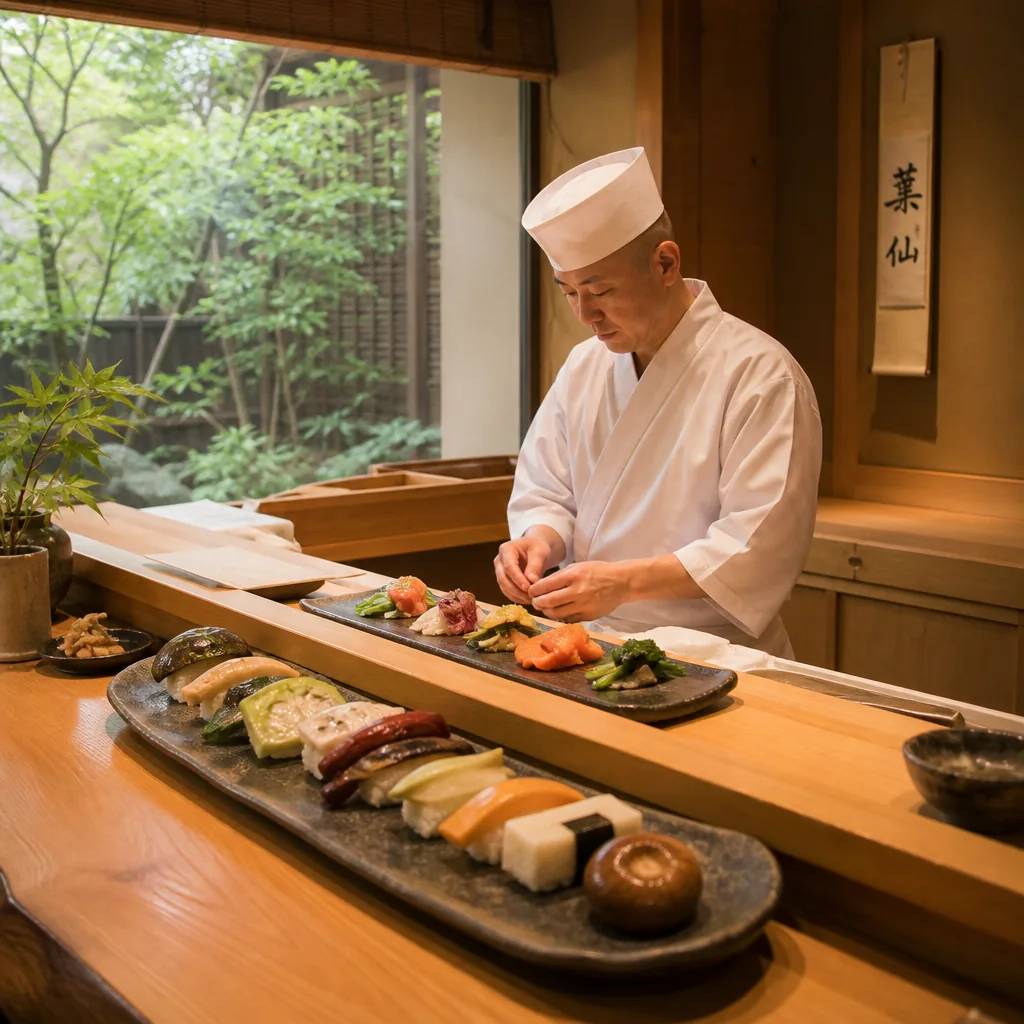
Yes, a concierge may be able to book a vegetarian sushi omakase in Kyoto, but it is not a standard request and it usually succeeds only when the restaurant agrees to customize in advance. Kyoto is a better place than many Japanese cities to try because it has a long vegetarian tradition through shojin ryori and tofu cuisine, plus official tourism resources that help visitors communicate dietary needs [2][5].
In practical terms, a vegetarian sushi omakase in Kyoto means a chef prepares a multi-course sushi meal without fish, seafood, or other animal products, while still treating the experience like an omakase: the chef chooses the sequence and composition. That can include vegetable nigiri, tofu-based items, pickled seasonal produce, and perhaps soup or small side dishes, but every ingredient has to be checked carefully because many Japanese preparations use fish-based broth or seasoning.
Kyoto is known for plant-forward cuisine, especially temple food and tofu dishes. Kyoto City’s tourism guide highlights shojin ryori, the Buddhist vegetarian cuisine found around temple areas, and notes that these traditions are part of the city’s food culture [5]. That matters because restaurants accustomed to shojin ryori or vegetarian diners are more likely to understand what “no fish stock, no bonito, no hidden seafood seasoning” actually means.
The short answer is: realistic, but only in the right setting. A concierge can often help if the restaurant already handles special diets or if the chef is open to a custom menu. Kyoto City’s official travel guide and its vegetarian/vegan information page both direct visitors toward restaurants and tourism support for dietary needs, which suggests the city expects these requests and has infrastructure for them [1][2].
That said, a fully vegetarian sushi omakase is still uncommon. The best odds are usually with high-end sushi counters, kappo restaurants, or chefs who already work with seasonal vegetables and guest-specific courses. If the venue is a small, traditional sushi-only counter with one fixed fish-driven menu, the request may be declined quickly, and that is normal.
Kyoto has a reputation for vegetarian-friendly dining because of its temple heritage, tofu culture, and the presence of food areas where visitors can compare options. The Kyoto City guide specifically promotes vegetarian and vegan dining information for travelers [2]. JNTO also provides national guidance on vegetarian and vegan food in Japan, including advice on asking about ingredients and communicating dietary restrictions clearly [4].
Three places or venue types stand out for a concierge to use as reference points:
These examples matter because the concierge does not need to rely on luck alone. Kyoto already has a tourism ecosystem that recognizes vegetarian visitors, which makes pre-booking and confirmation much more practical than in places where dietary requests are treated as unusual.
The biggest problem is that “vegetarian” in Japan can still include fish-derived ingredients unless the restaurant says otherwise. Dashi, bonito flakes, fish powder, and seafood-based sauces can appear in rice seasoning, soups, pickles, and even sauces brushed on vegetables. JNTO explicitly advises travelers to communicate food restrictions clearly and check ingredients before ordering [4].
Cross-contamination is the second issue. Even if a chef agrees to use only vegetables, sushi rice may be prepared near fish, knives and boards may be shared, and garnishes may touch seafood items during service. A concierge should therefore not stop at “Can you make it vegetarian?” The better question is whether the kitchen can prepare the meal separately enough for the guest’s rule set.
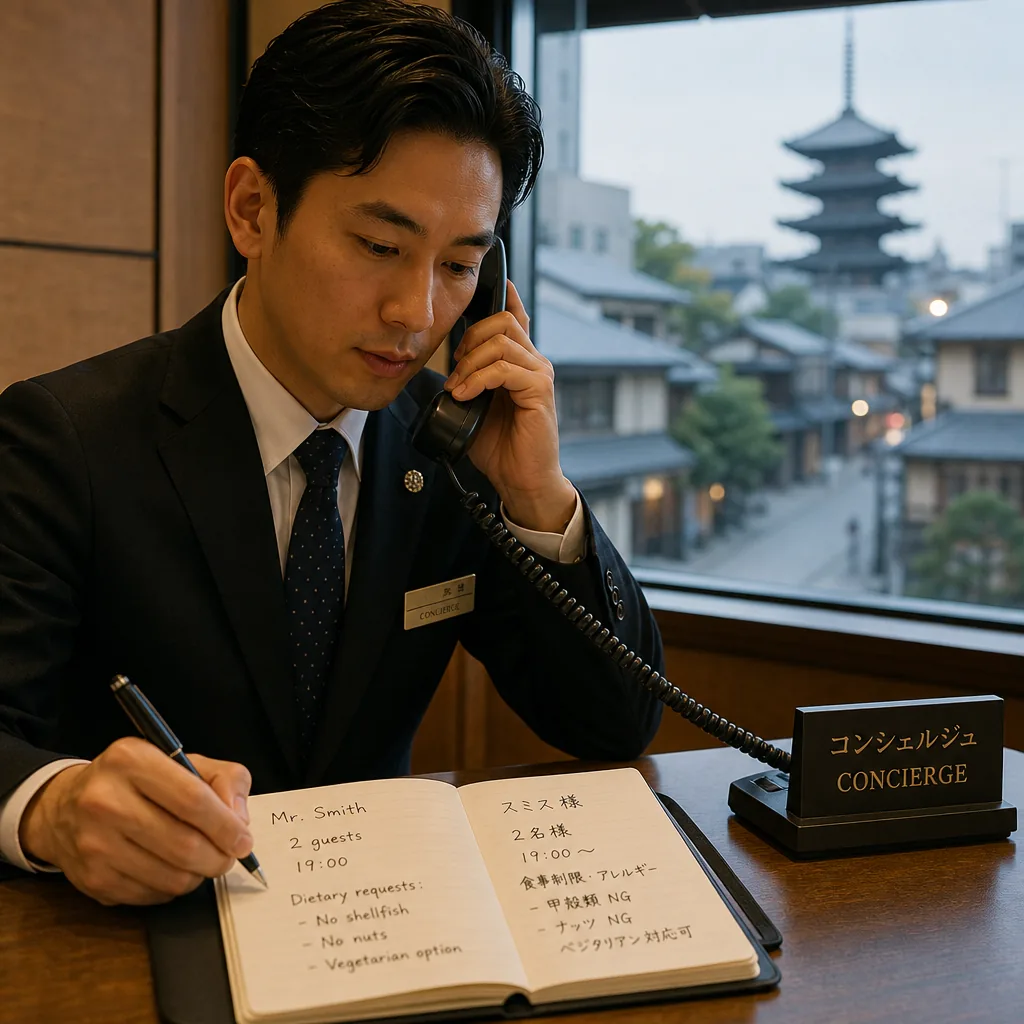
The most effective approach is written and specific. A concierge should contact the restaurant in advance, explain the guest’s exact restrictions, and ask for a written confirmation if possible. Kyoto City’s vegetarian travel information is useful for identifying venues and setting expectations, but the restaurant itself must approve the menu [2].
If the restaurant cannot provide a full custom sushi omakase, the concierge should immediately ask whether it can offer an alternative vegetarian course. Kyoto has well-established shojin ryori and tofu-based dining options, so a vegetarian kaiseki or kappo-style dinner may be a better and more dependable fit [5].
The best strategy is to start early and remain flexible. For an omakase-style request, a concierge should contact the restaurant as soon as the travel dates are known, ideally well before the reservation date, because the chef may need time to source ingredients and plan a separate prep flow. The request should include the number of guests, allergy-level seriousness if relevant, and whether eggs or dairy are allowed.
A smart backup plan is to target neighborhoods and dining areas where vegetarian interest is already visible, then narrow down to sushi later. For example, Nishiki Market is a strong starting point for understanding the city’s food culture and locating nearby dining possibilities [3]. Kyoto City’s official travel materials can also help the concierge identify vegetarian-friendly districts and restaurants [1][2].
For a guest, this means the concierge should not promise “sushi omakase” as a sure thing. Instead, the better promise is: “We will ask for a vegetarian omakase experience in Kyoto and secure the closest restaurant that can confirm it in writing.” That is more accurate and more likely to succeed.
If a Kyoto restaurant accepts the request, the experience may not look like conventional sushi omakase. The chef may use seasonal vegetables, tofu, yuba, pickles, and carefully prepared rice, and the pacing may resemble a Japanese tasting menu more than a classic fish-focused counter meal. The dinner may also include temple-inspired dishes or other Kyoto specialties that fit the guest’s vegetarian rules.
In many cases, the result is best understood as a custom Kyoto omakase rather than a traditional sushi omakase that happens to be vegetarian. That distinction matters because it sets realistic expectations for the guest and avoids disappointment if the chef swaps in tofu nigiri, vegetable hand rolls, or a shojin ryori-inspired sequence instead of fish-based sushi classics.
So, can a concierge book a vegetarian sushi omakase in Kyoto? Yes, sometimes. The key is not the label alone, but advance coordination, precise ingredient checks, and a willingness to accept a custom vegetarian course when a pure sushi version is not available. Kyoto’s vegetarian-aware food culture gives the concierge a real advantage—but only if the request is handled carefully from the start [2][4][5].
CallButler is a multilingual concierge service that handles research, coordination, and bookings so you do not have to navigate language barriers or unfamiliar systems alone. If you need help related to Can a concierge book a vegetarian sushi omakase in Kyoto? or the tasks around it, our team can step in to manage the details and keep things moving smoothly.
Find English-friendly yakitori in Osaka after work by targeting Umeda, Namba, and Honmachi, plus booking sites and multilingual menus.
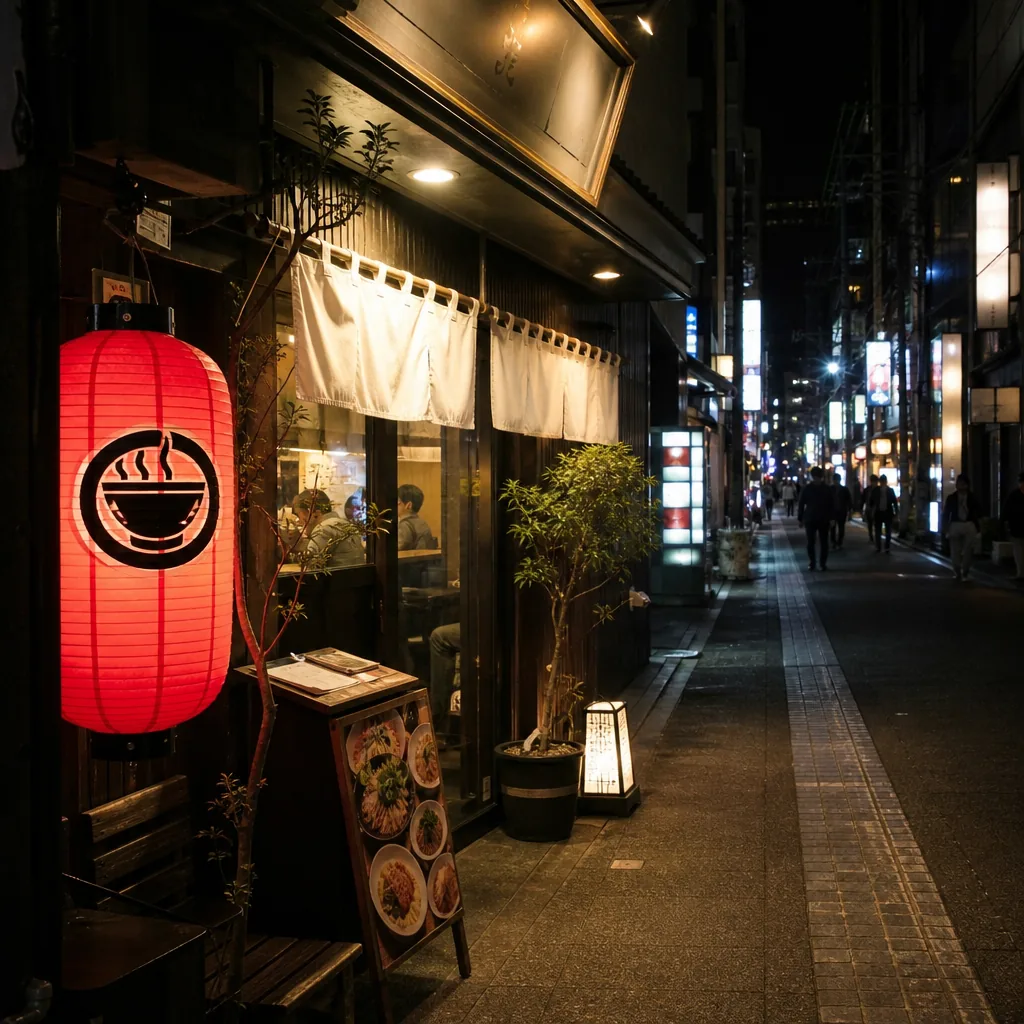
Looking for halal ramen in Kyoto after 10 p.m.? Here’s where to check, which areas are most practical, and how to verify hours and halal status.
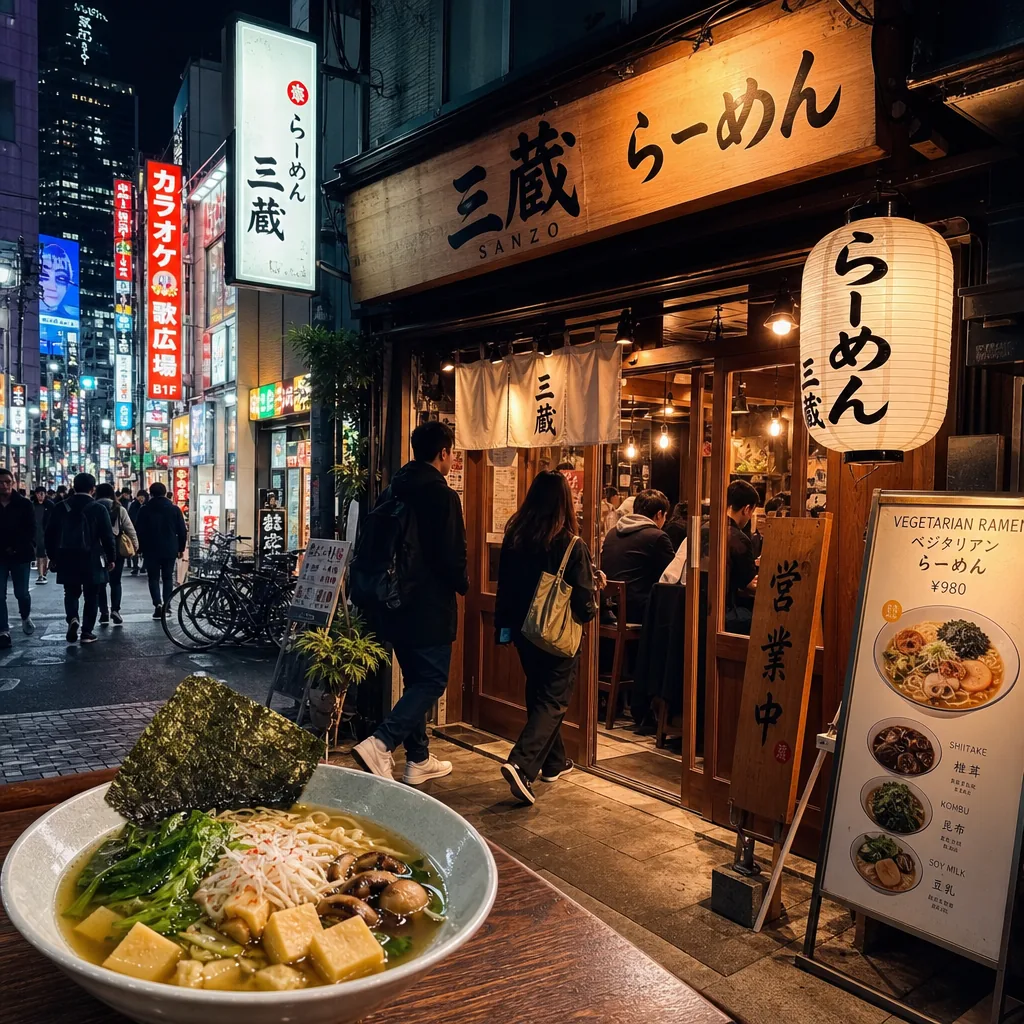
Find late-night vegetarian ramen in Tokyo by focusing on Shibuya, Shinjuku, and Roppongi, then verify broth, hours, and vegan menu details.