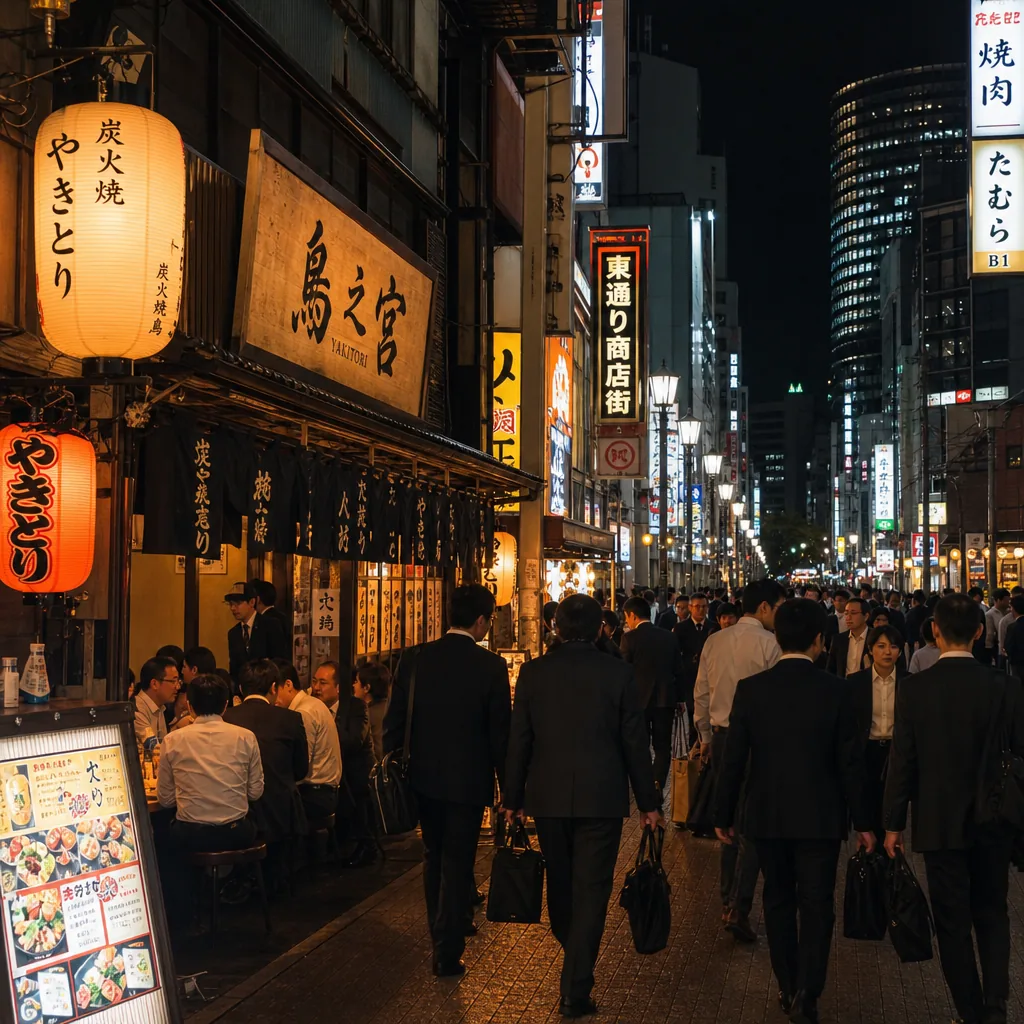
Where can I find english-friendly yakitori in Osaka after work?
Find English-friendly yakitori in Osaka after work by targeting Umeda, Namba, and Honmachi, plus booking sites and multilingual menus.
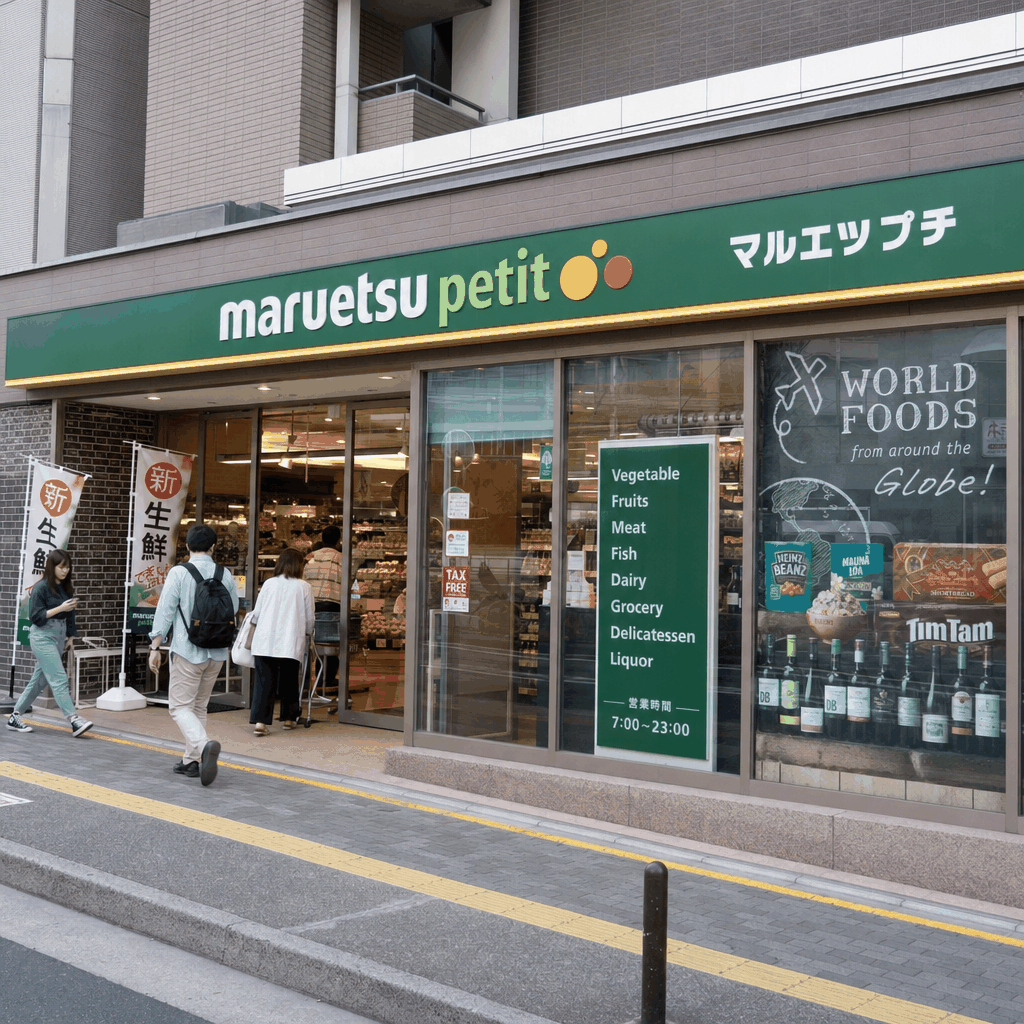
Yes—Tokyo is one of the easiest cities in Japan for expats to find international groceries, with import-focused supermarkets, specialty delis, department-store food halls, and online options all over the city. If you need Western staples, Asian pantry items, or halal-friendly products, the best results usually come from targeting the right neighborhood and store type rather than relying on a single “international” supermarket.
Tokyo’s shopping scene is built for variety. The Japan National Tourism Organization notes that shopping in Japan includes everything from department stores and specialty shops to supermarkets and food halls, while the Tokyo Convention & Visitors Bureau highlights imported food as a common part of the city’s retail mix [1][2]. For expats, that means you can often find familiar products without leaving central Tokyo—especially in neighborhoods with large foreign resident communities or international dining scenes.
In practice, the city’s grocery options fall into a few useful categories: large import-oriented supermarkets, neighborhood specialty stores, basement food halls inside department stores, and chains that stock overseas brands. Knowing which one to try first saves time and reduces the chance of visiting the wrong part of town for a specific ingredient.
One of the most well-known names is National Azabu in Hiroo. Its store is built around imported and international foods, and its website positions it as a destination for foreign groceries and specialty items [4]. If you want products that feel closest to a Western-style supermarket—such as imported dairy, sauces, cereals, frozen items, and packaged snacks—this is one of the first places to check.
Another major option is Nissin World Delicatessen in Azabu-Juban. The store’s website describes it as a specialty supermarket with imported foods and deli goods, and its location makes it especially convenient if you are shopping in Minato-ku [3]. Because the area is close to many embassies and international restaurants, it is a practical stop for shoppers looking for ingredients from multiple regions in one trip.
For a more casual, chain-based approach, Kaldi Coffee Farm is a useful citywide option. While not a full-service foreign grocery, Kaldi stores are known for imported foods, seasonings, sauces, snacks, coffee, and pantry basics that can fill gaps in an expat kitchen [5]. It is especially helpful for quick restocks when you do not need a full specialty store.
Department stores and major retail complexes in central Tokyo also deserve attention. Tokyo’s official visitor guide points out that department stores and specialty stores are major shopping anchors in the city [2]. In food basements, or depachika, you may find imported cheeses, wines, packaged sweets, olive oil, spices, and seasonal gourmet items. These are not always the cheapest option, but they are often the easiest place to find high-quality imported ingredients in one stop.
If you want the most efficient shopping trips, focus on neighborhoods where international groceries are easiest to access. Azabu-Juban is one of the most practical areas because it combines specialty grocery stores, embassies, and international dining in a compact, walkable district. Hiroo is another strong choice, especially for shoppers who want a neighborhood with a long-standing expat presence and a mix of imported food options.
Nishi-Azabu is also worth keeping on your map. Even when a specific store is not on the main shopping street, the broader Minato area often offers the kind of imported food access expats need. In Shibuya and parts of Setagaya, you may find international grocery access through larger retail complexes, specialty shops, and supermarket branches that carry more foreign brands than a typical local neighborhood store.
For first-time shoppers, the easiest strategy is to match the neighborhood to the ingredient category you need:
Not every store is equally good for every product. Large import-focused supermarkets are best for staples like pasta, peanut butter, breakfast cereals, sauces, frozen food, and familiar snacks. Specialty delis are better for cheeses, breads, meats, and prepared items. Department-store food halls are strongest for premium ingredients and gifts, while chain stores such as Kaldi are often the most convenient for mid-range imported pantry goods [3][4][5].
Tokyo’s store mix also reflects different cuisines and shopping needs. Some retailers carry South Asian spices and staples, others focus on Southeast Asian products, and some have halal-friendly selections. Because availability changes by branch and season, it is smart to check a store’s website or floor guide before traveling across the city [1][2].
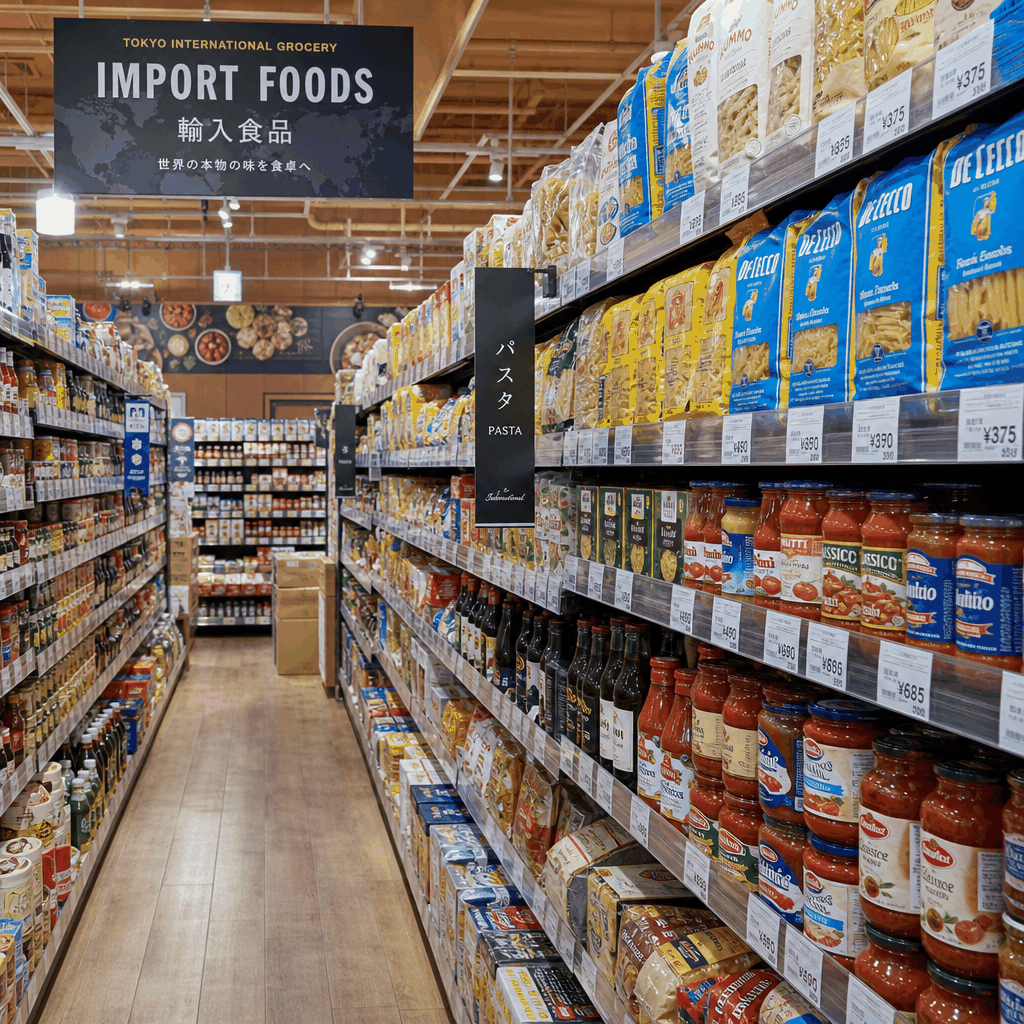
For ingredients that are hard to find in a nearby supermarket, online ordering can save a lot of time. Many Tokyo grocery retailers now publish product lists, store information, and shopping guides online, which makes it easier to confirm whether a product is in stock before leaving home [2][3][4][5]. This is especially useful for bulky items like bottled sauces, pasta, flour, or beverages.
Online shopping is also helpful when you are looking for a product that appears only at certain branches. In Tokyo, some imported goods are available only seasonally or in limited quantities, so checking online can help avoid wasted trips. If you are shopping for a specific cuisine, it is often better to search by store name first and then confirm branch-level availability.
To shop efficiently in Tokyo, start with the exact product type rather than the store name. If you need Western cheese, go first to National Azabu or a department-store food hall. If you need mixed international pantry items, try Nissin World Delicatessen or Kaldi Coffee Farm [3][4][5]. If you want the broadest selection, choose neighborhoods like Azabu-Juban or Hiroo, where international groceries are more likely to be clustered together.
In Tokyo, the real advantage is choice. Instead of searching for one perfect international supermarket, expats usually do better by building a short list of stores and neighborhoods that match their own grocery habits. With that approach, buying international groceries in Tokyo becomes routine rather than a hunt.
CallButler is a multilingual concierge service that handles research, coordination, and bookings so you do not have to navigate language barriers or unfamiliar systems alone. If you need help related to Where can expats buy international groceries in Tokyo? or the tasks around it, our team can step in to manage the details and keep things moving smoothly.
Find English-friendly yakitori in Osaka after work by targeting Umeda, Namba, and Honmachi, plus booking sites and multilingual menus.
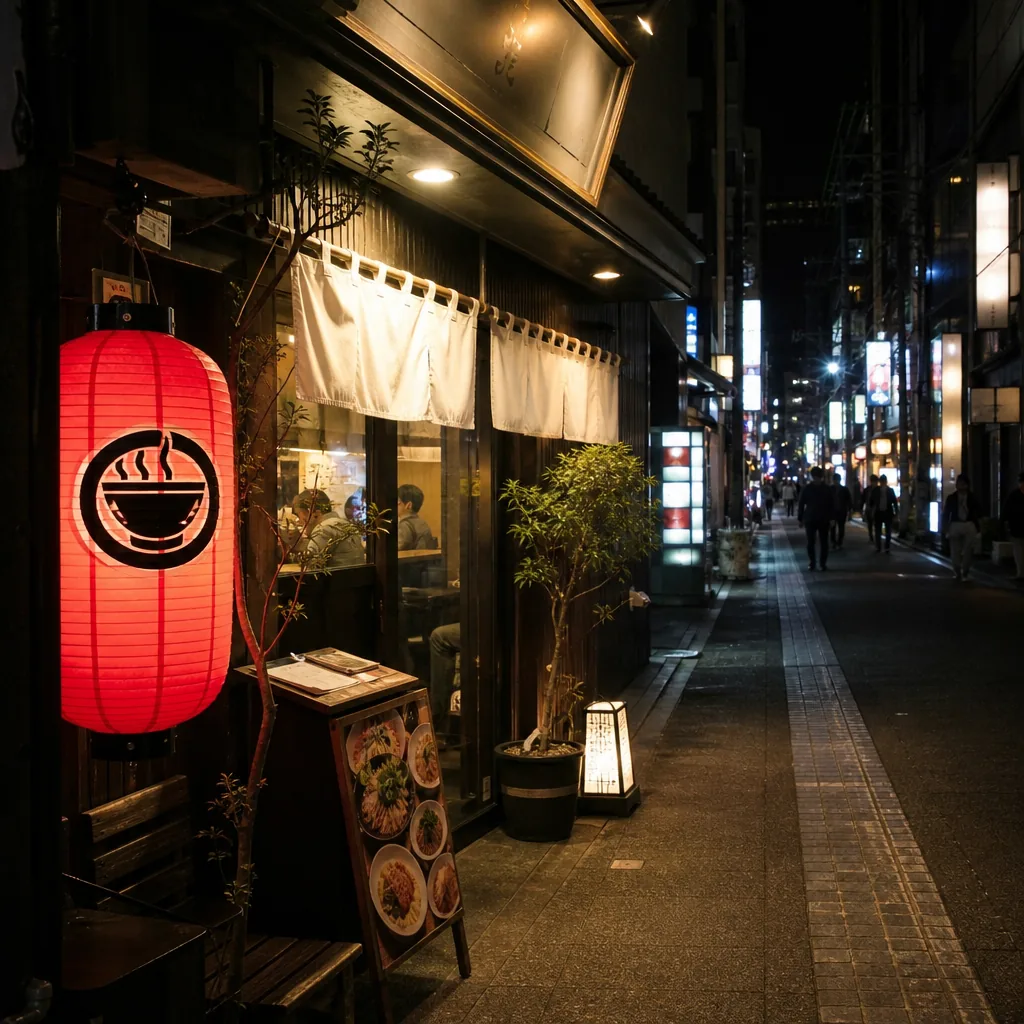
Looking for halal ramen in Kyoto after 10 p.m.? Here’s where to check, which areas are most practical, and how to verify hours and halal status.
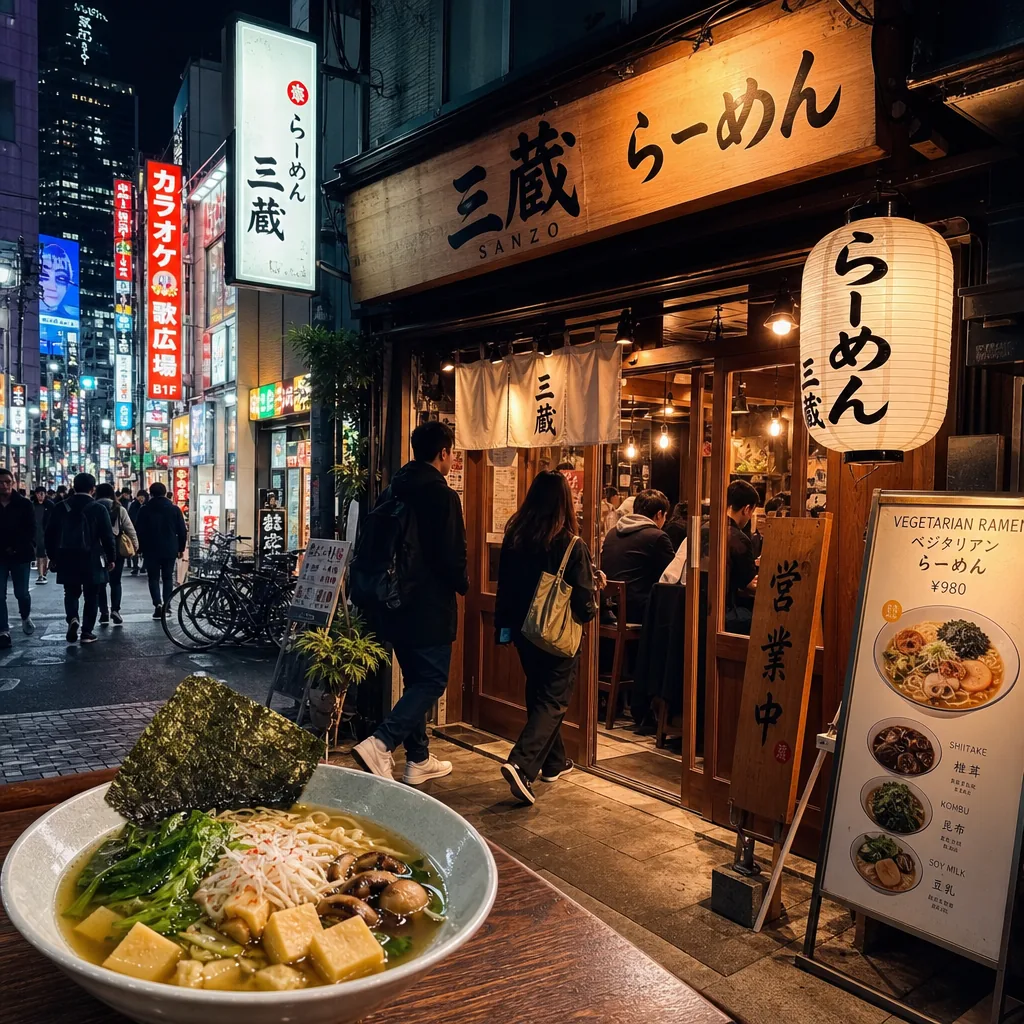
Find late-night vegetarian ramen in Tokyo by focusing on Shibuya, Shinjuku, and Roppongi, then verify broth, hours, and vegan menu details.