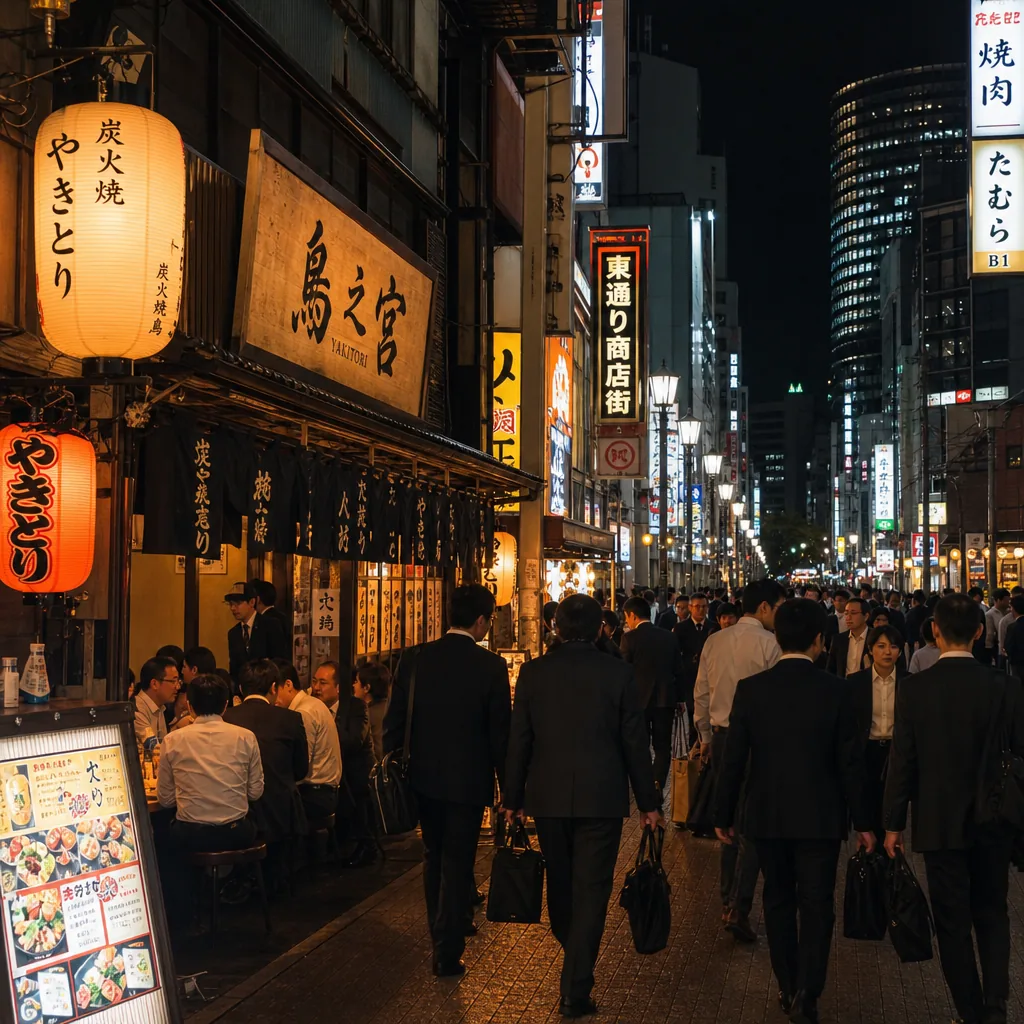
Where can I find english-friendly yakitori in Osaka after work?
Find English-friendly yakitori in Osaka after work by targeting Umeda, Namba, and Honmachi, plus booking sites and multilingual menus.
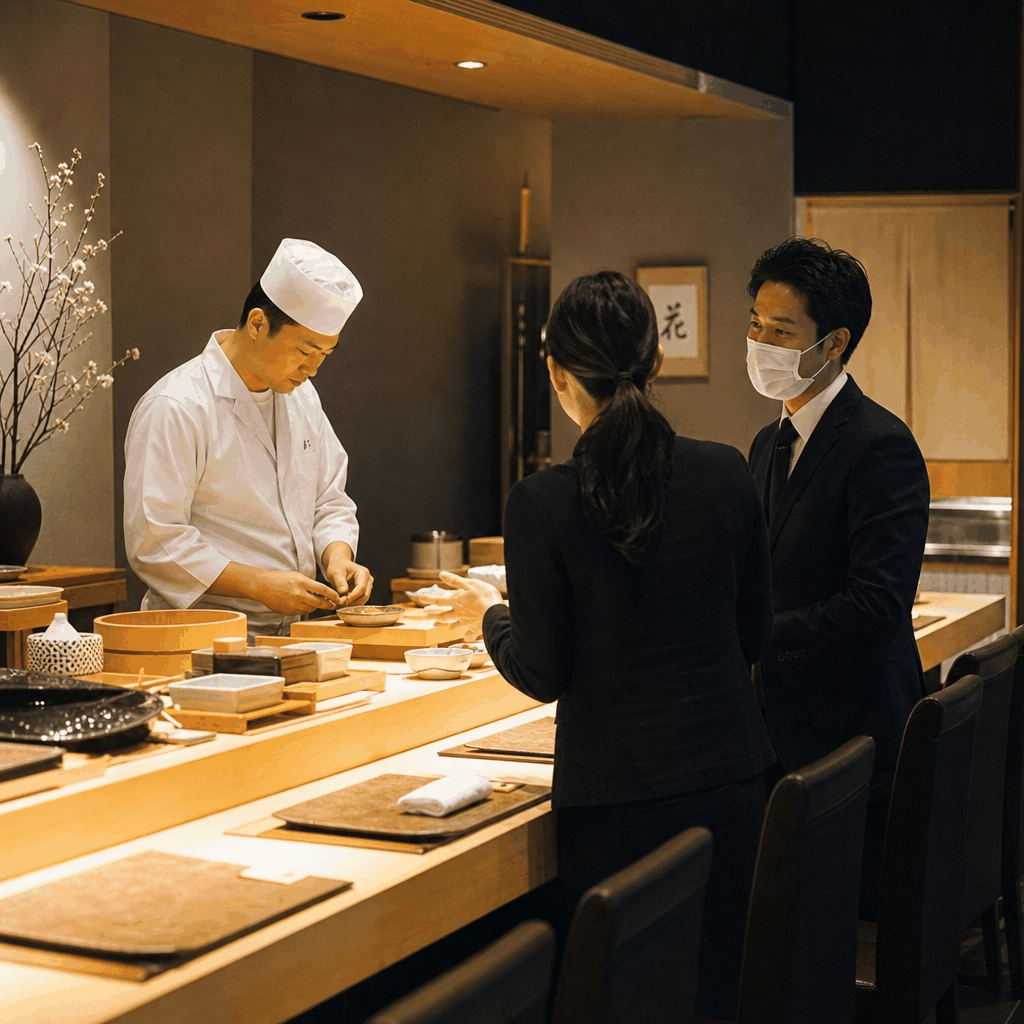
Yes—most Tokyo omakase restaurants can consider dietary restrictions, but only if you tell them clearly and early. Because omakase means the chef chooses the menu, the safest approach is to contact the restaurant before booking or as soon as you reserve, then confirm exactly what you can and cannot eat [1][4].
In Tokyo, omakase is not a set menu you can customize at the table. It is a chef-led experience built around seasonal ingredients, so many counters prep dishes in advance and may not be able to change them at the last minute [1][4]. That is why a request made on the day of the meal is often too late, especially at small sushi counters in places like Ginza, Nishi-Azabu, and Shibuya.
This matters because Tokyo has many high-end, fixed-course omakase venues where the kitchen works from a tight schedule. The Tokyo Convention & Visitors Bureau notes that dining in Tokyo ranges from casual to very formal, and omakase-style meals are part of that broader food culture [1]. In practice, the earlier you explain your needs, the more likely the chef can plan around them.
Some requests are more workable than others. A restaurant may be able to remove a topping, avoid a garnish, or skip an alcohol-based seasoning if you ask early. Other restrictions are much harder because the cuisine often relies on ingredients like dashi, soy sauce, mirin, fish stock, or shared prep surfaces.
Japan’s Consumer Affairs Agency and Ministry of Health, Labour and Welfare both stress that people with allergies should communicate clearly about the specific allergen and the risk of trace contamination, not just the ingredient name [2][3]. That advice is especially important in omakase, where one sauce or broth can affect multiple courses.
When possible, make the request at the time of reservation. If you book through a restaurant website or a reservation platform, put the restriction in the notes field. If you book by phone or email, state it immediately and ask for confirmation. Reconfirm on arrival so there is no confusion between the booking staff and the kitchen.
Be specific. Instead of saying “I have allergies,” list the exact ingredients, whether you can eat fish or dashi, and whether cross-contact is a problem. For example, “No shellfish, no shrimp stock, and please avoid shared fryers or cutting boards” gives the restaurant more useful information than a general warning [2][3].
For Tokyo restaurants, a short written note in English plus a few Japanese keywords can help. Staff may not read long explanations quickly, but they can usually understand clear labels like “allergy,” “cannot eat,” and “cross-contact.”
Simple phrasing works best. You do not need perfect Japanese; you need precision. If you are sending a message before the meal, keep it short and polite.
If you are unsure whether a restaurant can help, ask a direct question: この制限に対応できますか? — “Can you accommodate this restriction?” That gives the restaurant a chance to answer honestly before the booking is finalized.
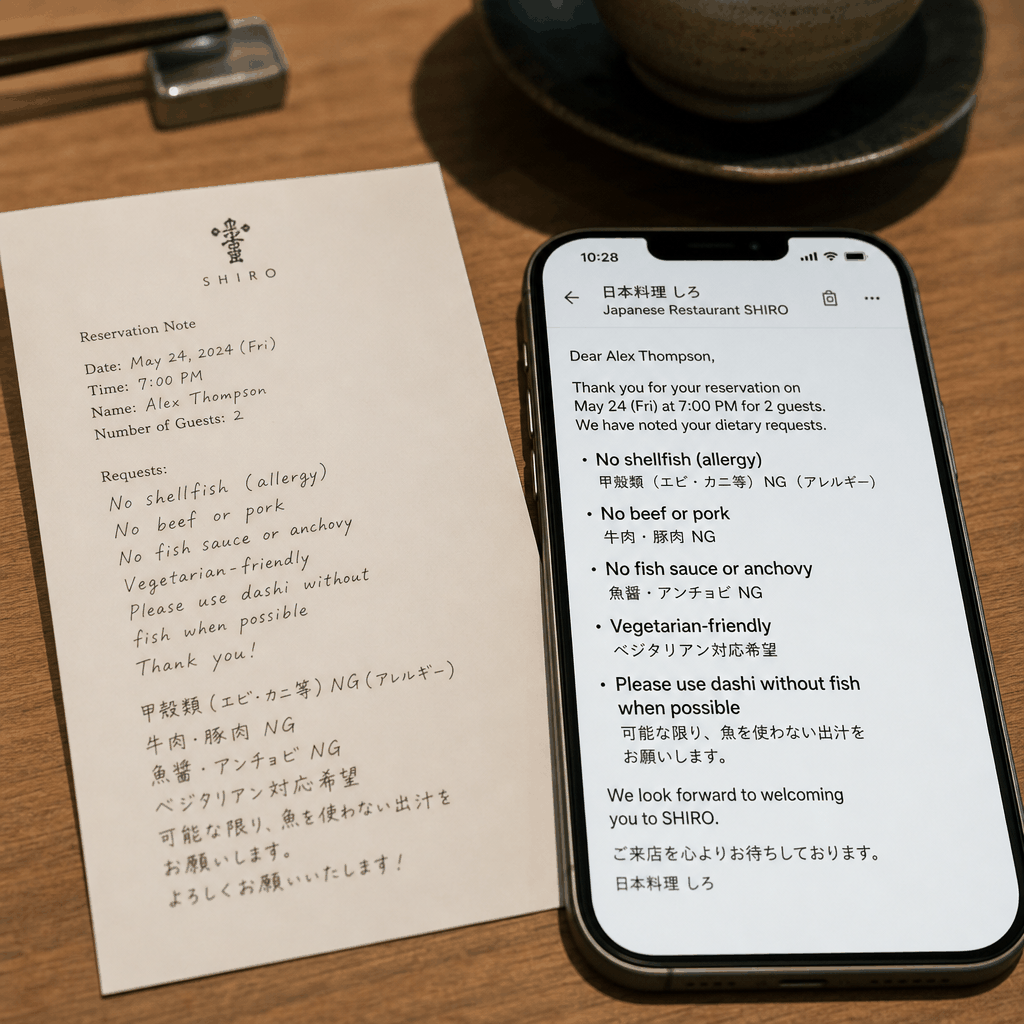
For a mild preference, the main issue is taste. For a medical allergy, the main issue is safety. Japan’s food allergy guidance emphasizes checking ingredients carefully and understanding that processed sauces, stocks, and seasonings can contain allergens even when the main item seems safe [2][3]. In omakase, that is especially relevant because a course may include hidden ingredients in dressing, marinade, or broth.
If your allergy is severe, do not assume a substitution is safe unless the restaurant explicitly confirms it. Cross-contact can happen through knives, grills, cutting boards, oil, or ladles. If a chef says they cannot guarantee safety, take that seriously and do not push for a workaround [2][3].
Halal and vegan diners should also be careful with stock and seasoning. Tokyo has dedicated resources for halal-friendly dining, but many traditional omakase counters still use fish-based dashi, mirin, or alcohol-based seasonings [5]. That means a restaurant may be able to remove one ingredient but still cannot offer a fully compliant meal.
If the chef or reservation staff says no, the best response is to thank them and look for another restaurant. In Tokyo, that is safer than hoping the kitchen can improvise on the night. A refusal is not rude; it is often the most responsible answer when the menu is fixed or the risk is too high [2][3].
You can also look for restaurants that advertise special dietary support in advance. Tokyo’s dining guide and halal resources are useful starting points for venues that already state their policies [1][5]. If you need a stricter diet, consider choosing a restaurant that explicitly accepts the restriction rather than asking a counter to build an exception around a seasonal menu.
Named Tokyo venues and dining areas such as Ginza, Shibuya, and Nishi-Azabu are known for omakase and high-end dining, but the important factor is always the restaurant’s policy, not the neighborhood itself [1][4].
To make the meal run smoothly, keep your request concise, respectful, and early. The goal is to give the chef enough time to plan without forcing last-minute substitutions.
Tokyo rewards preparation. If you communicate clearly and accept that some omakase counters cannot safely adapt, you will have a much better chance of finding a restaurant that can host you well [1][2][3][4]. The key is not to ask vaguely at the table, but to make your needs part of the reservation conversation from the start.
CallButler is a multilingual concierge service that handles research, coordination, and bookings so you do not have to navigate language barriers or unfamiliar systems alone. If you need help related to How do I request dietary restrictions at omakase in Tokyo? or the tasks around it, our team can step in to manage the details and keep things moving smoothly.
Find English-friendly yakitori in Osaka after work by targeting Umeda, Namba, and Honmachi, plus booking sites and multilingual menus.
Looking for halal ramen in Kyoto after 10 p.m.? Here’s where to check, which areas are most practical, and how to verify hours and halal status.
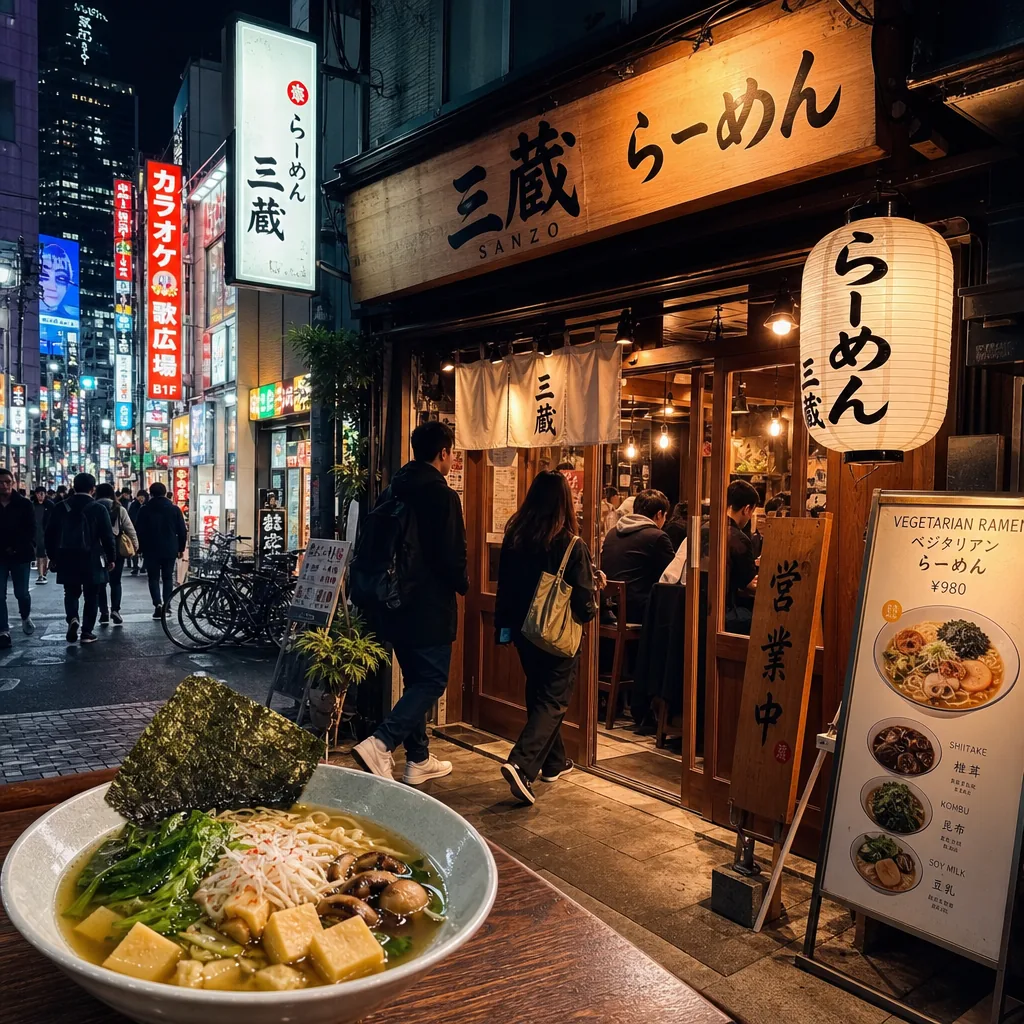
Find late-night vegetarian ramen in Tokyo by focusing on Shibuya, Shinjuku, and Roppongi, then verify broth, hours, and vegan menu details.