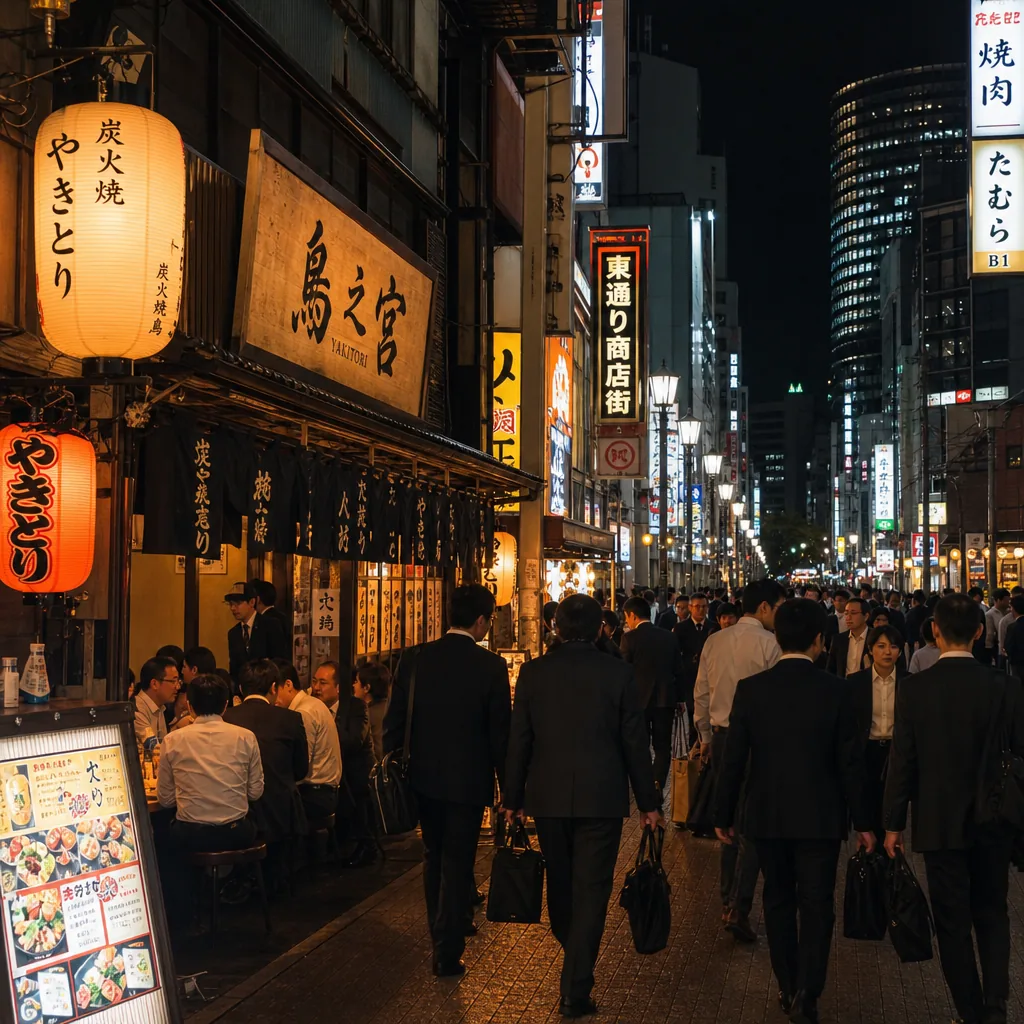
Where can I find english-friendly yakitori in Osaka after work?
Find English-friendly yakitori in Osaka after work by targeting Umeda, Namba, and Honmachi, plus booking sites and multilingual menus.
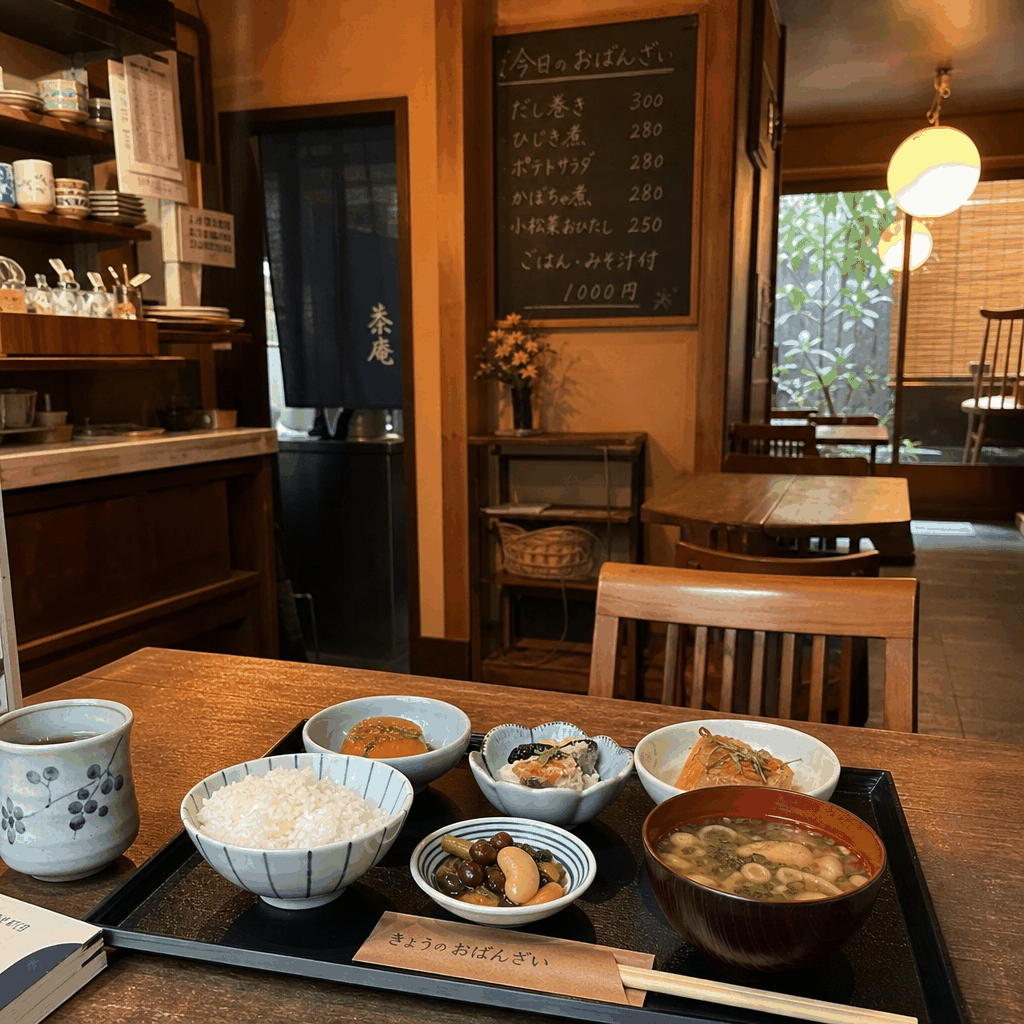
Yes—if you want affordable obanzai in Kyoto, the easiest route is usually a lunch set at a casual local restaurant, a food hall, or a station-area dining floor. Obanzai is Kyoto-style home cooking built around seasonal vegetables, tofu, simmered dishes, and small side plates, so you do not need to book a kaiseki restaurant to try it well [1][2].
Kyoto’s official tourism sources describe Kyoto cuisine as closely tied to local ingredients, seasonal cooking, and everyday food culture rather than only formal banquet dining [1][2][3]. Obanzai fits that idea perfectly: it is not one fixed menu, but a style of home-style dishes that often includes kiriboshi daikon, simmered greens, tofu, and other simple preparations made with care [1][2].
That matters for budget travelers because obanzai is often served in small, flexible formats. Instead of a pricey multi-course meal, you may find a lunch teishoku with rice, miso soup, and several side dishes, or a daily set with one main obanzai item plus a few seasonal sides. Kyoto’s food guides specifically encourage visitors to explore local specialties in everyday restaurants and food markets, not just high-end dining rooms [3].
If you want the best chance of finding affordable obanzai, start in central, transit-friendly districts. These areas have dense clusters of casual eateries and food floors, making it easier to compare prices and menus quickly.
For a more local-food-focused stop, Nishiki Market is also worth checking because its official site highlights Kyoto ingredients, prepared foods, and the market’s role as a long-running food destination [4]. While not every stall sells obanzai, it is a useful place to browse for Kyoto-style side dishes, tofu-based items, and ready-to-eat foods that can fit a lower budget [4].
The easiest way to save money is to look for lunch rather than dinner. In Japan, many restaurants offer better-value set menus at midday, and that is especially true for obanzai-style dining because lunch service often includes a smaller but still varied selection of dishes. If a place has both lunch and dinner menus, compare the set prices before choosing.
When scanning a menu, these terms are good signals:
A useful rule of thumb is this: if the menu offers rice, miso soup, and several small dishes for one fixed price, it is likely a strong value. Kyoto’s official food pages emphasize the city’s everyday culinary culture, which is why these simple set meals often deliver a more authentic experience than chasing only famous or expensive banquet restaurants [1][3].
Kyoto Station Building is one of the most practical first stops for visitors because it combines transport, shopping, and dining in one place [5]. If you arrive in Kyoto and want a quick, reasonably priced meal, the station-area restaurants are convenient and easy to compare. The official station building site lists a range of dining options, which makes it a smart fallback when you do not want to wander far from transit [5].
Nishiki Market is another useful stop, especially for daytime browsing [4]. The market is famous for Kyoto ingredients and local food culture, and it can help you identify what seasonal dishes are popular in the city. Even if you do not eat a full meal there, it is a good place to learn the vocabulary you will see on obanzai menus later [4].
Kawaramachi and Gion are also worth checking because they cluster many small restaurants in walkable streets. Kyoto tourism materials repeatedly point visitors toward local cuisine around the city center, where day-to-day dining is easier to find than in purely upscale districts [1][3].
When you are standing in front of a restaurant, these practical checks can help you avoid overpaying:
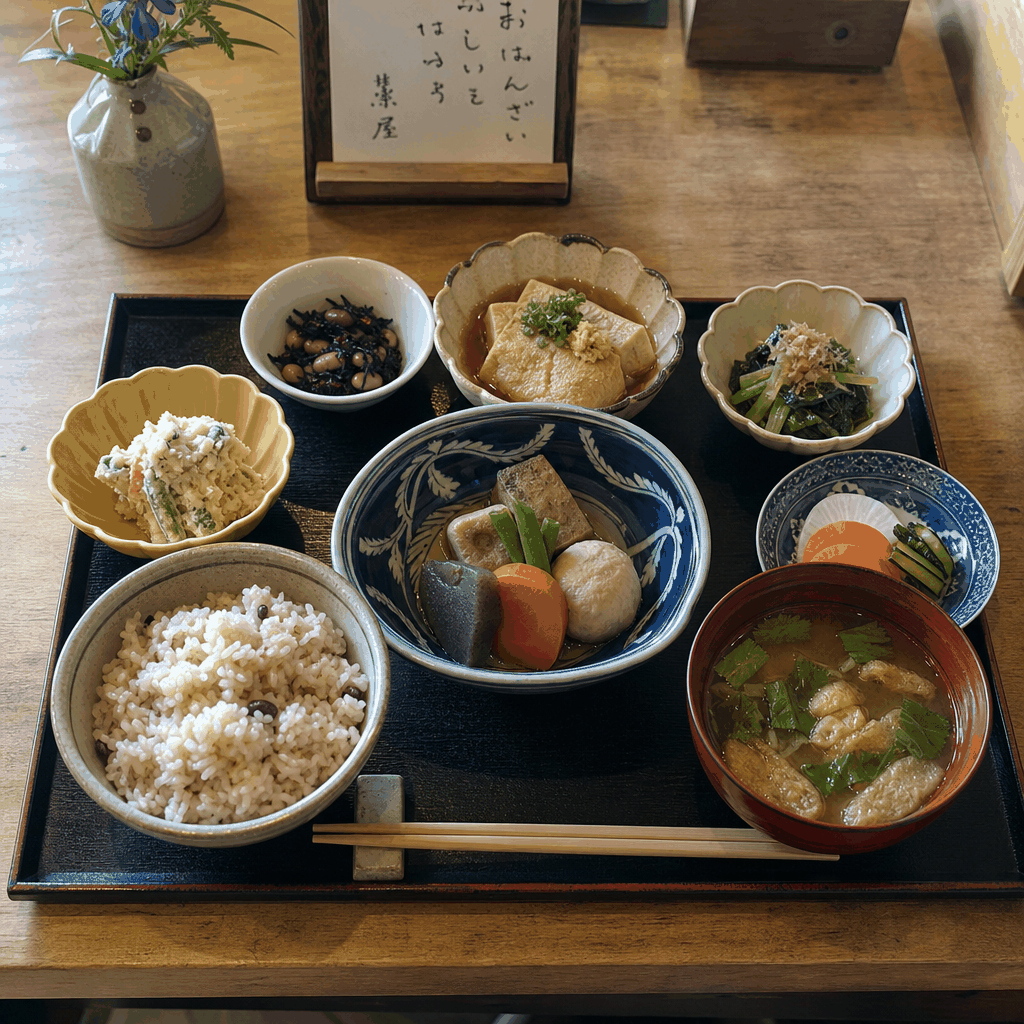
Here is a simple way to plan a low-cost obanzai meal in Kyoto without wasting time:
In practice, the best affordable obanzai meals in Kyoto are rarely the most famous ones. They are usually the lunch sets tucked into central neighborhoods, station buildings, and everyday local restaurants where Kyoto’s home-style cooking is served simply and seasonally [1][2][3][5]. If you keep your search focused on those places, you can eat well without stretching your budget.
CallButler is a multilingual concierge service that handles research, coordination, and bookings so you do not have to navigate language barriers or unfamiliar systems alone. If you need help related to Where can I find affordable obanzai meals in Kyoto? or the tasks around it, our team can step in to manage the details and keep things moving smoothly.
Find English-friendly yakitori in Osaka after work by targeting Umeda, Namba, and Honmachi, plus booking sites and multilingual menus.
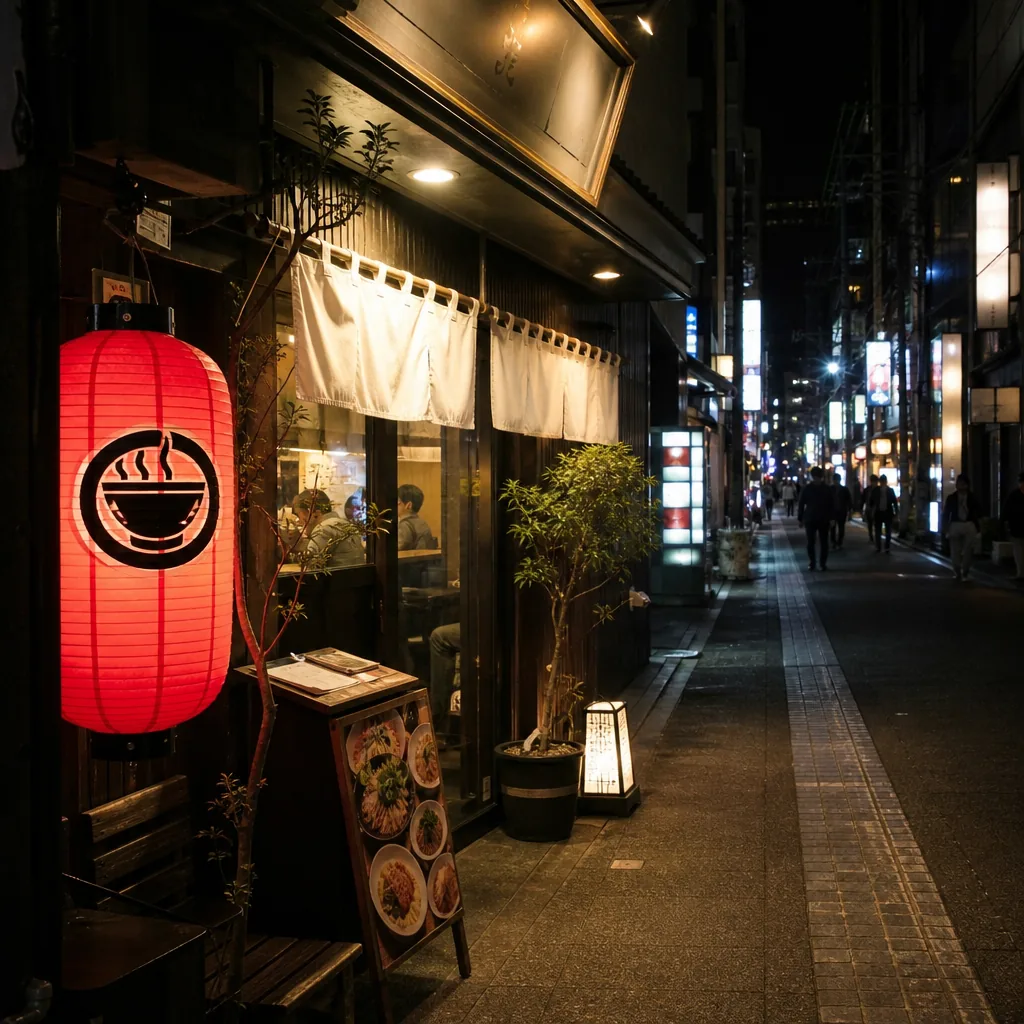
Looking for halal ramen in Kyoto after 10 p.m.? Here’s where to check, which areas are most practical, and how to verify hours and halal status.
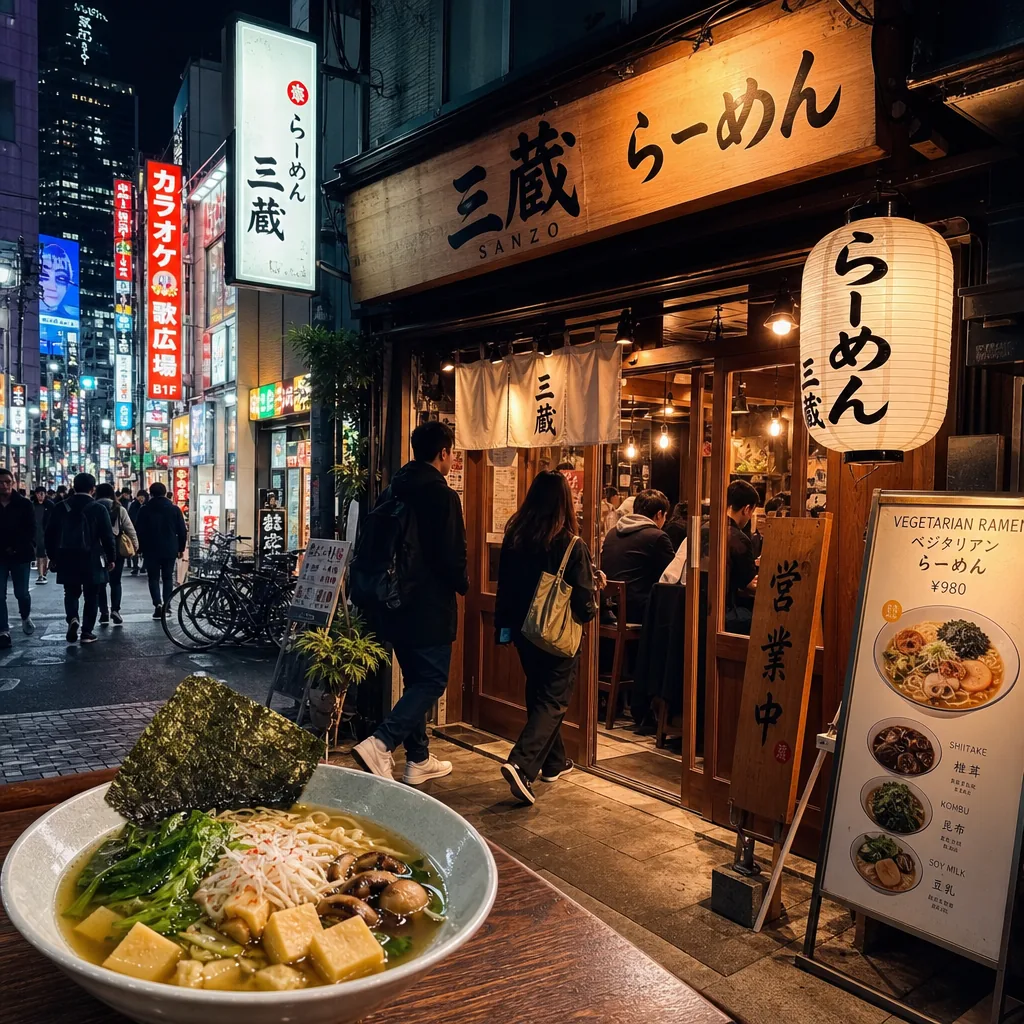
Find late-night vegetarian ramen in Tokyo by focusing on Shibuya, Shinjuku, and Roppongi, then verify broth, hours, and vegan menu details.