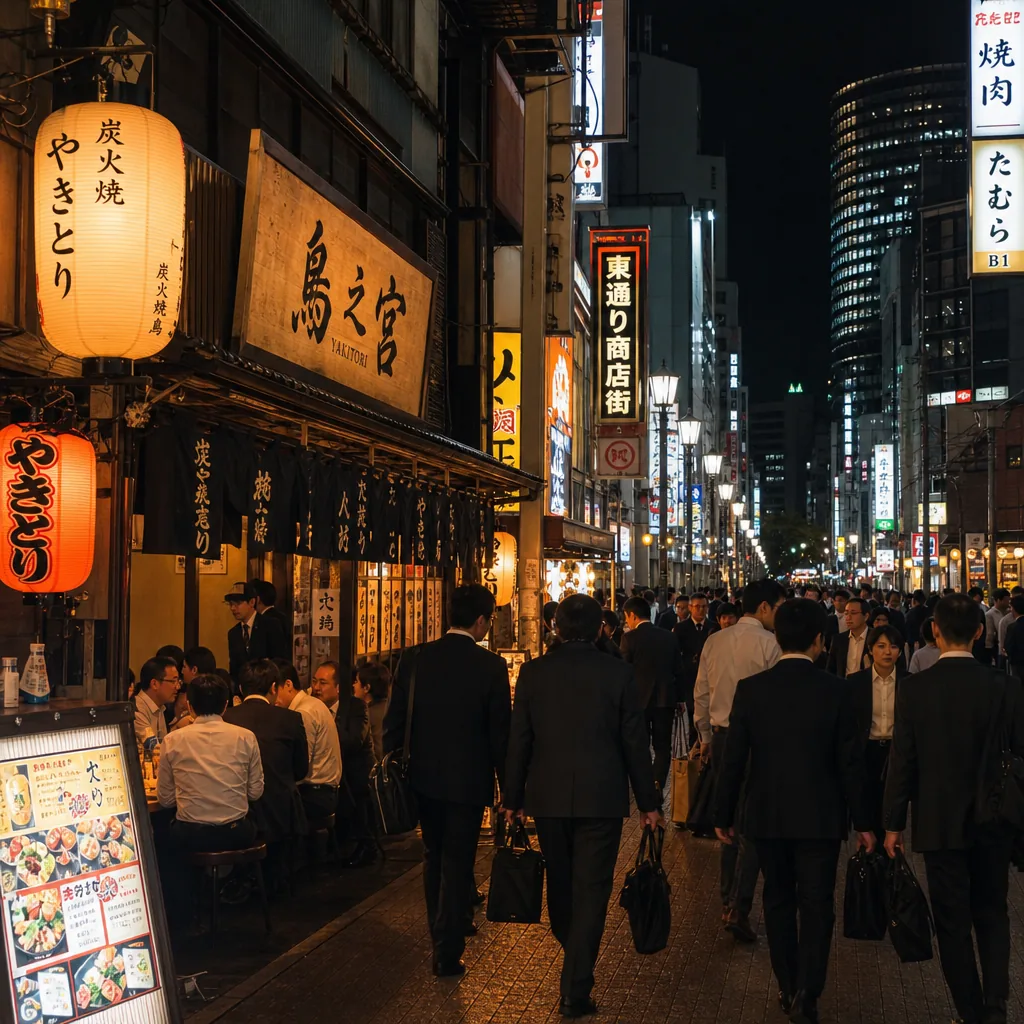
Where can I find english-friendly yakitori in Osaka after work?
Find English-friendly yakitori in Osaka after work by targeting Umeda, Namba, and Honmachi, plus booking sites and multilingual menus.
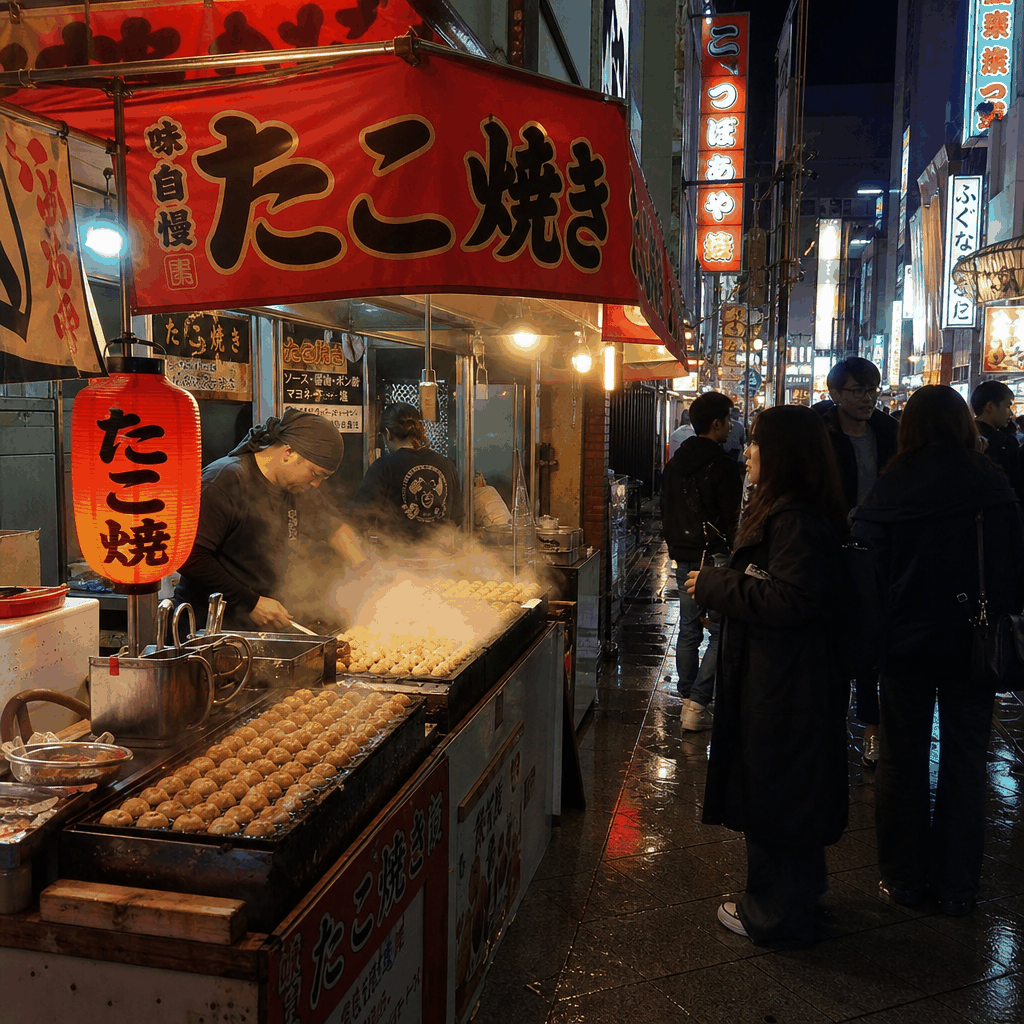
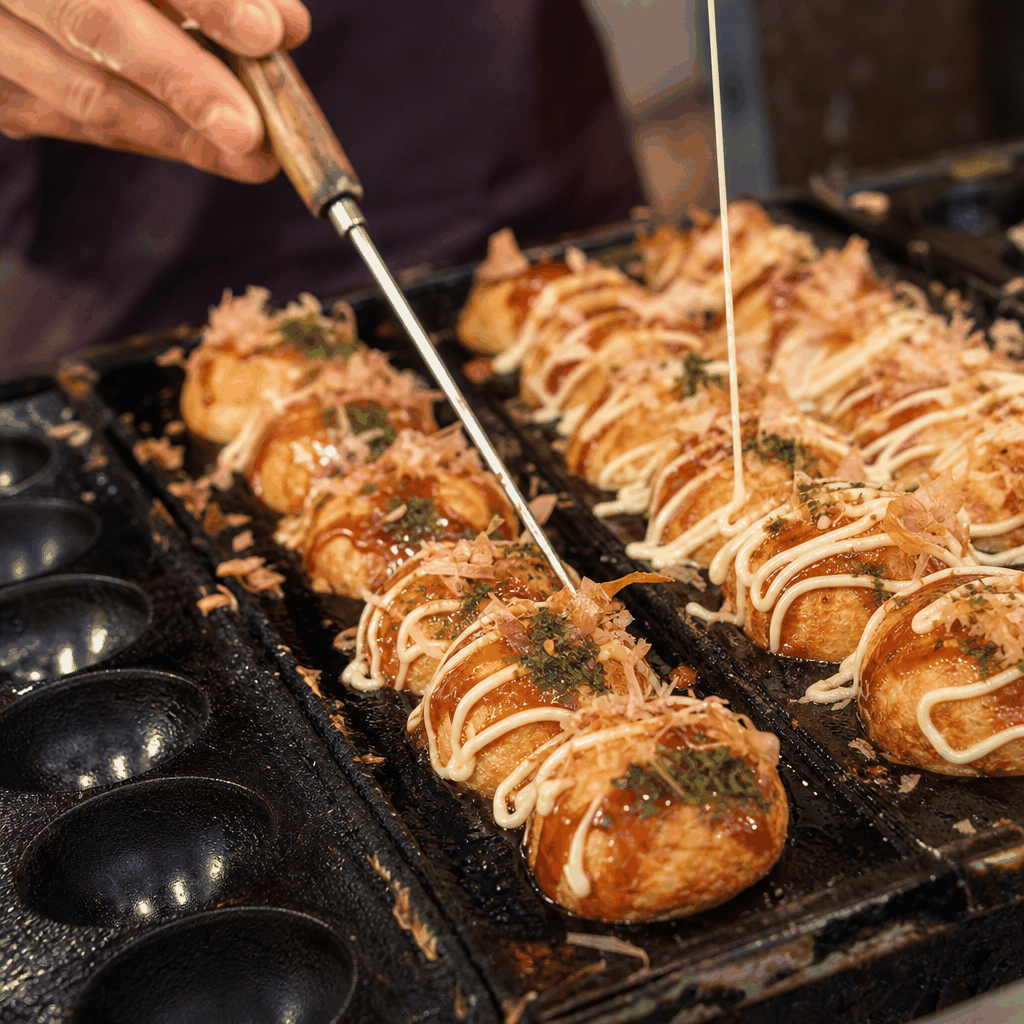
Osaka is one of the best places in Japan to eat takoyaki, and the short answer is that the best stalls are usually in Dotonbori, Namba, and around Kizu Market. If you want the classic Osaka experience, look for stalls that cook to order, sell takoyaki with a crisp shell and molten center, and finish each batch with sauce, mayonnaise, aonori, and bonito flakes [1][2][4].
Takoyaki is strongly tied to Osaka’s food culture and appears on official city and tourism guides as a must-try local dish [1][5]. The classic version is a golf-ball-sized batter dumpling with octopus inside, cooked in a molded pan until the outside is lightly crisp and the inside stays soft. That contrast is a big part of why Osaka takoyaki tastes different from versions you may find elsewhere in Japan.
The standard finishing style in Osaka is simple but important: sauce, mayonnaise, aonori seaweed, and bonito flakes. Osaka tourism materials consistently describe takoyaki as a signature street food, and the city’s food guides point visitors to neighborhoods where multiple vendors are clustered together, making comparison easy [1][3].
Dotonbori is the easiest place to start. The Osaka Convention & Tourism Bureau highlights Dotonbori as a food-focused entertainment district, and it is one of the best-known places in the city to compare takoyaki stalls side by side [2]. Because several famous shops are concentrated there, you can sample different batter textures and sauce styles without traveling far.
Namba is another strong choice, especially if you want takoyaki as part of a bigger street-food crawl. Osaka City’s gourmet guide places takoyaki among the city’s signature foods, and Namba’s heavy foot traffic helps support small vendors and established snack counters that serve locals and visitors throughout the day [3].
Kizu Market is worth including if you want a more everyday food setting. The market’s official site presents it as a wholesale and retail food hub, which means you are not only eating near fresh ingredients but also in a neighborhood where food is treated as daily business rather than only tourist entertainment [4].
Instead of chasing a single “best” stall, Osaka rewards comparison. A useful approach is to visit one well-known Dotonbori shop, one market-area vendor, and one stall in Namba, then compare them on the same day. That lets you notice differences in batter density, octopus size, and sauce balance more clearly.
In Dotonbori, the appeal is density: the area is famous for having multiple takoyaki shops close together, which is exactly why it is so useful for first-timers [2]. You can stand in one street and choose between stalls that emphasize richer batter, stronger sauce, or a softer interior. This is the simplest place in Osaka to taste more than one style without extra planning.
At Kizu Market, the experience is often more practical and less polished, which can be a plus. The market environment favors stalls that turn over food quickly for a steady crowd, and that often means you get takoyaki that is made to order and served hot [4]. For many visitors, that fresh-from-the-pan timing matters more than branding.
In Namba, look for shops that are busy with both lunch and evening crowds. Osaka’s tourism resources emphasize the area as part of the city’s broader food scene, so it is a good place to judge whether a stall is serving locals as well as visitors [3][5]. A steady line is not a guarantee of quality, but it is a useful clue when you are choosing between several nearby vendors.
Osaka takoyaki is not one fixed recipe. Some stalls make a batter that is richer and slightly more custard-like, while others aim for a lighter center with a more noticeable crust. You will also see differences in octopus size, sauce sweetness, and whether the topping balance leans heavily on mayonnaise or keeps it more restrained.
If you are only trying two stalls, make sure they are clearly different. For example, pair a famous Dotonbori shop with a market stall near Kizu Market so you can compare the “tourist district” interpretation with a more everyday food-market version [2][4].
Local shoppers in Osaka tend to care about freshness first. Takoyaki is best when it is cooked to order, because the contrast between the crust and the molten center fades quickly if it sits too long. If the stall keeps a pan working continuously and sends out batches as soon as they are ready, that is usually a good sign.
Another practical clue is the crowd mix. A line made up of both locals and visitors is often more useful than a line made up of tourists alone. Osaka tourism guides consistently frame takoyaki as a city signature, so popular stalls in central food districts are often busy for good reason [1][3][5].
Also pay attention to what the shop emphasizes. Some stalls highlight the octopus itself, others focus on batter richness, and others are known for a stronger sauce profile. Those differences are not marketing fluff; they are the main reason one Osaka takoyaki shop may taste noticeably different from another.
Takoyaki comes out very hot, so the biggest mistake is eating it too quickly. Let it rest for a short moment after it is served, then take small bites. The inside should still be soft, but not so hot that you cannot taste the batter and octopus separately.
If you are planning a takoyaki crawl, keep it simple:
That route works well because it keeps you inside Osaka’s core food districts without wasting time on transit. It also gives you three different contexts for the same dish: iconic tourist street, busy city-center shopping area, and market neighborhood. For takoyaki, that comparison is often the best way to understand what Osaka does best [1][2][4].
In the end, the “best” takoyaki stall in Osaka is the one that serves hot takoyaki to order, uses a style you enjoy, and fits the kind of food experience you want. If you want the most reliable answer, start in Dotonbori, compare a few nearby shops, and then branch out to Namba and Kizu Market for a fuller picture of Osaka’s takoyaki scene [2][3][4].
CallButler is a multilingual concierge service that handles research, coordination, and bookings so you do not have to navigate language barriers or unfamiliar systems alone. If you need help related to Where are the best takoyaki stalls and styles in Osaka? or the tasks around it, our team can step in to manage the details and keep things moving smoothly.
Find English-friendly yakitori in Osaka after work by targeting Umeda, Namba, and Honmachi, plus booking sites and multilingual menus.
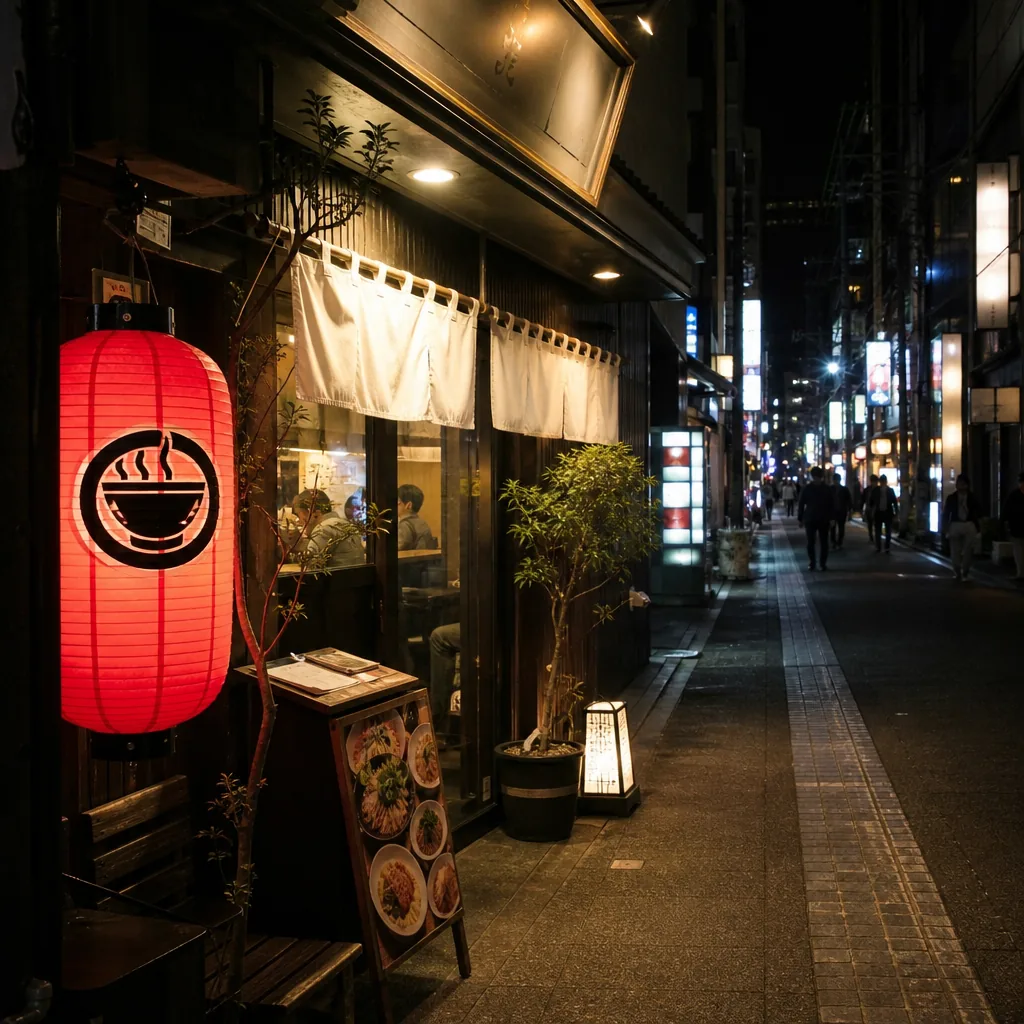
Looking for halal ramen in Kyoto after 10 p.m.? Here’s where to check, which areas are most practical, and how to verify hours and halal status.
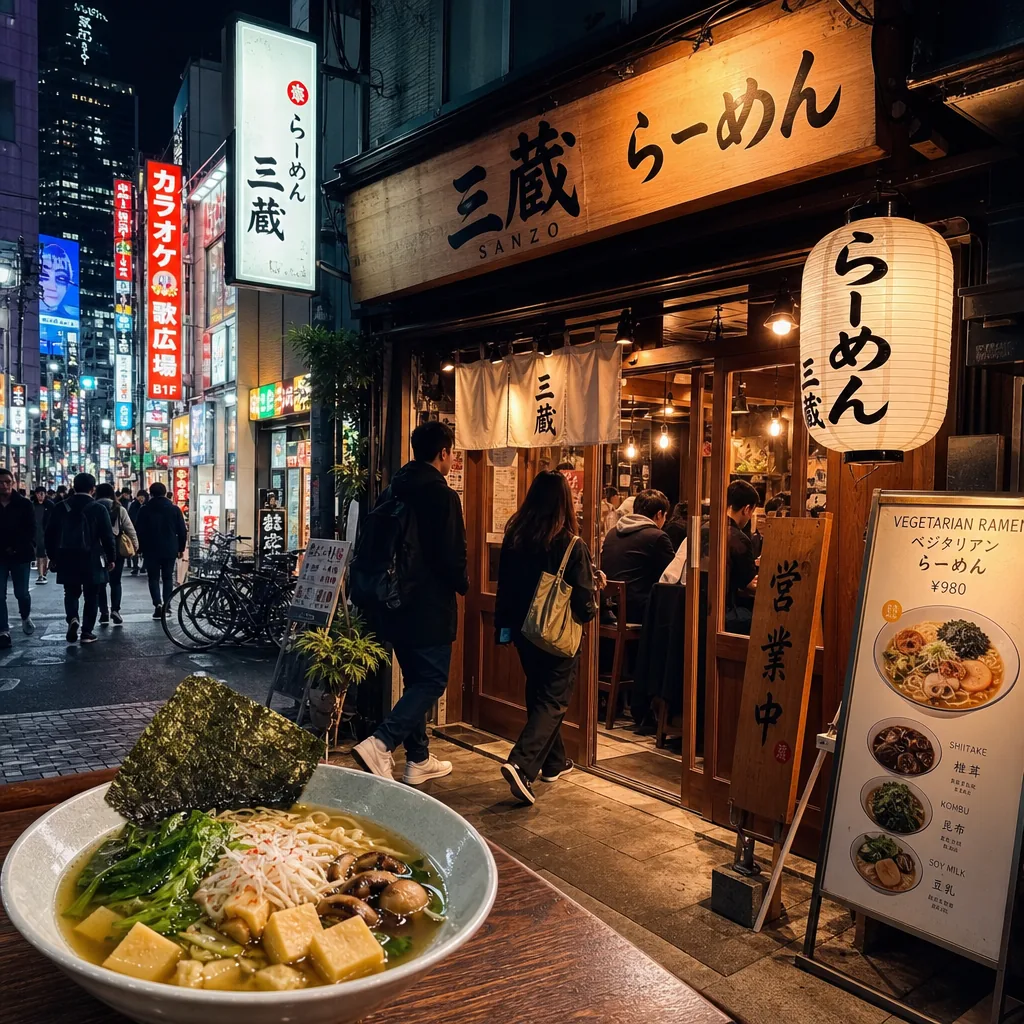
Find late-night vegetarian ramen in Tokyo by focusing on Shibuya, Shinjuku, and Roppongi, then verify broth, hours, and vegan menu details.