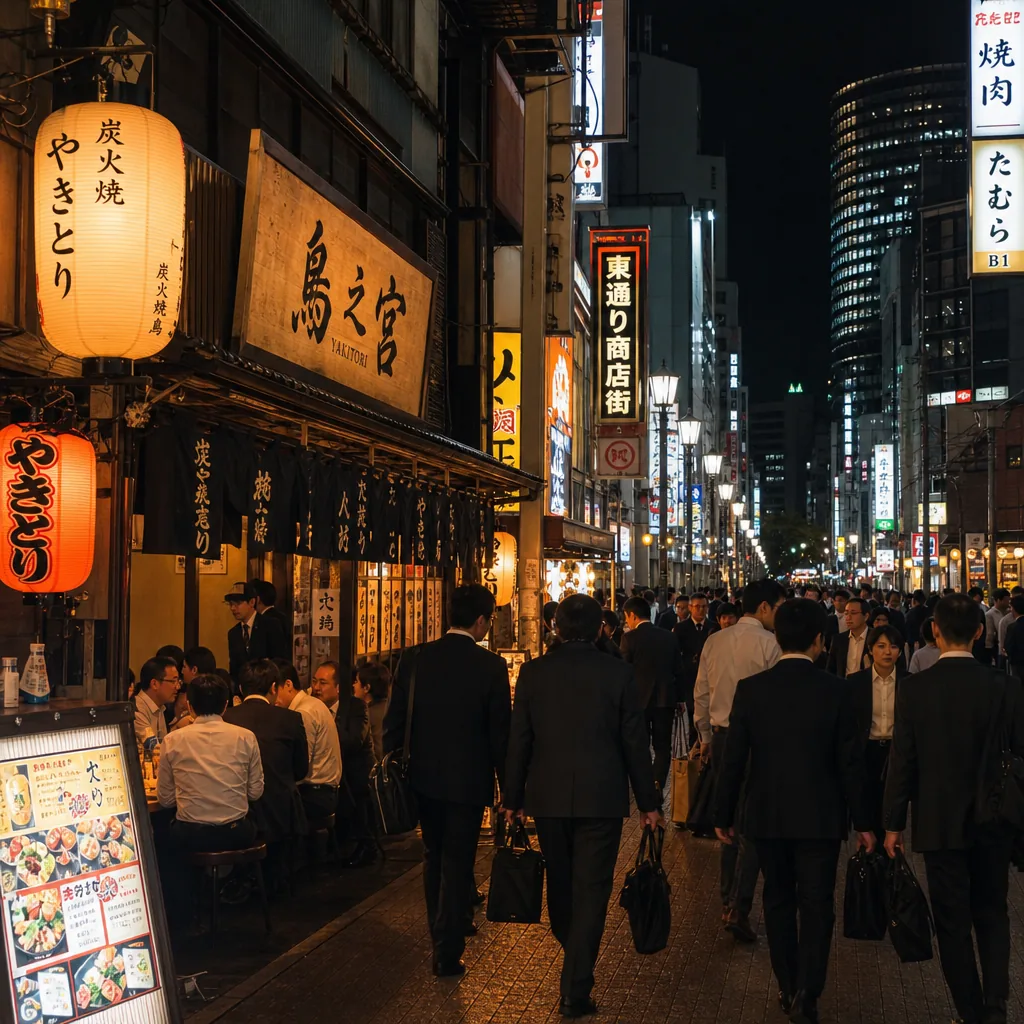
Where can I find english-friendly yakitori in Osaka after work?
Find English-friendly yakitori in Osaka after work by targeting Umeda, Namba, and Honmachi, plus booking sites and multilingual menus.
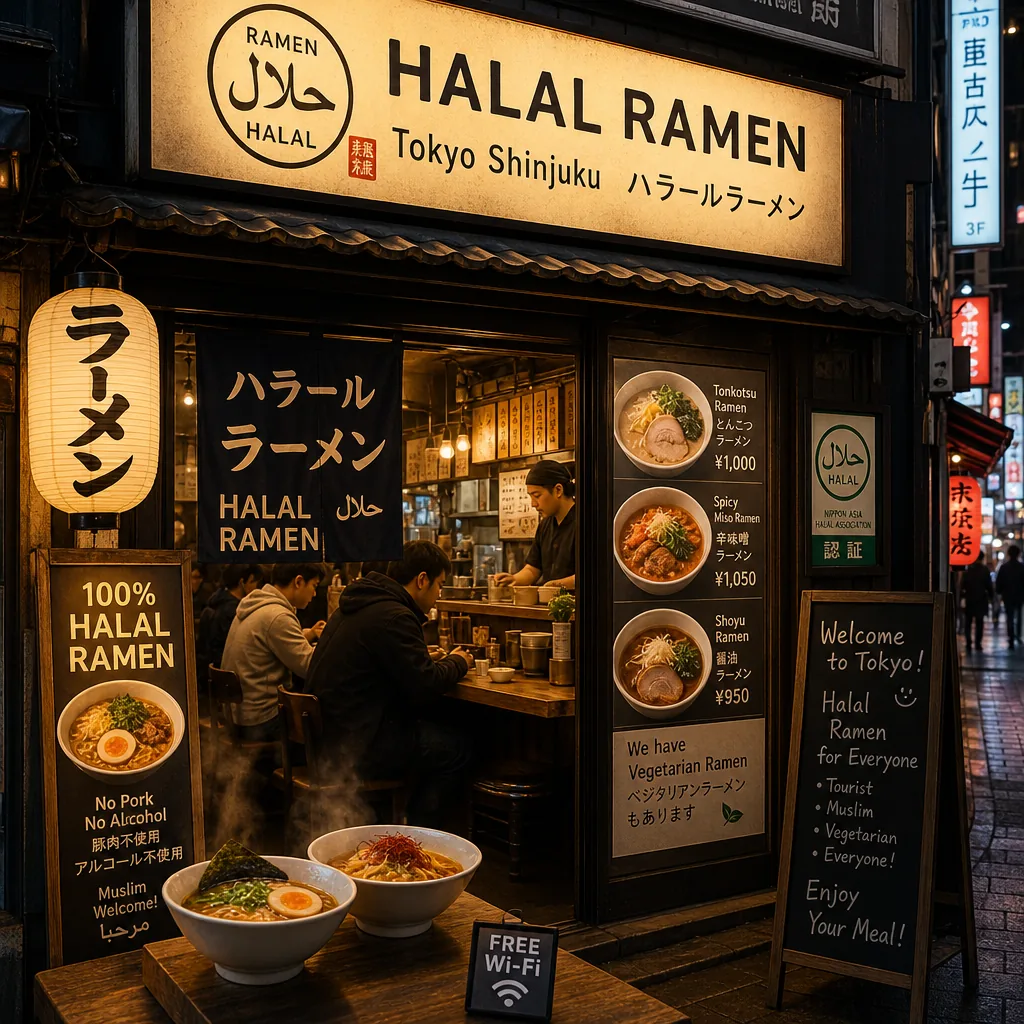
If you’re looking for the best halal ramen in Tokyo, start in Asakusa, Shinjuku, and Ikebukuro, where tourist-facing restaurants are most likely to advertise halal certification or Muslim-friendly service [1][2]. The best bowl is usually at a shop that clearly says it uses no pork, no alcohol-based ingredients, and separate cookware—because in Tokyo, “halal” can mean either fully certified or simply Muslim-friendly [1][3].
In Tokyo, the key question is not just whether a restaurant serves “halal ramen,” but how it defines that label. Tokyo Metropolitan Government guidance explains that Muslim-friendly food options may include halal-certified restaurants as well as restaurants that provide halal or pork-free dishes but may still serve non-halal food in the same venue [1].
For ramen, that means you should look for more than a chicken broth. A trustworthy shop will usually state that it avoids pork, lard, mirin, and cooking sake in the broth and tare, and that it uses separate utensils or cookware to reduce cross-contamination [1][3].
Tokyo Convention & Visitors Bureau’s Muslim-friendly guide also recommends checking the latest status directly with the restaurant or through its official site before visiting, because menus and certification can change [2]. In practice, the most reliable halal ramen spots are those that make their rules easy to verify online and in-store [1][2].
If you want to minimize time spent hunting, focus first on Tokyo’s busiest visitor districts. These areas have the strongest concentration of Muslim-friendly dining because they already serve many international travelers [1][2].
For most visitors, these neighborhoods are better starting points than quieter residential wards. They’re where restaurant operators are likeliest to maintain English menus, visible certification, and staff used to answering ingredient questions [1][2].
Tokyo’s halal ramen options are still limited compared with standard ramen shops, but a few names appear repeatedly in Tokyo tourism and Muslim travel guides [1][2][3]. Rather than chasing a single “best” bowl, compare certification, broth style, and convenience.
These shops matter because they represent the main pattern in Tokyo halal ramen: chicken-based or shoyu-style bowls designed to avoid pork, often with a clearer halal policy than ordinary ramen counters [1][3]. If you’re near Asakusa, Shinjuku, or Ikebukuro, one of these names is often the easiest place to start [2][3][5].
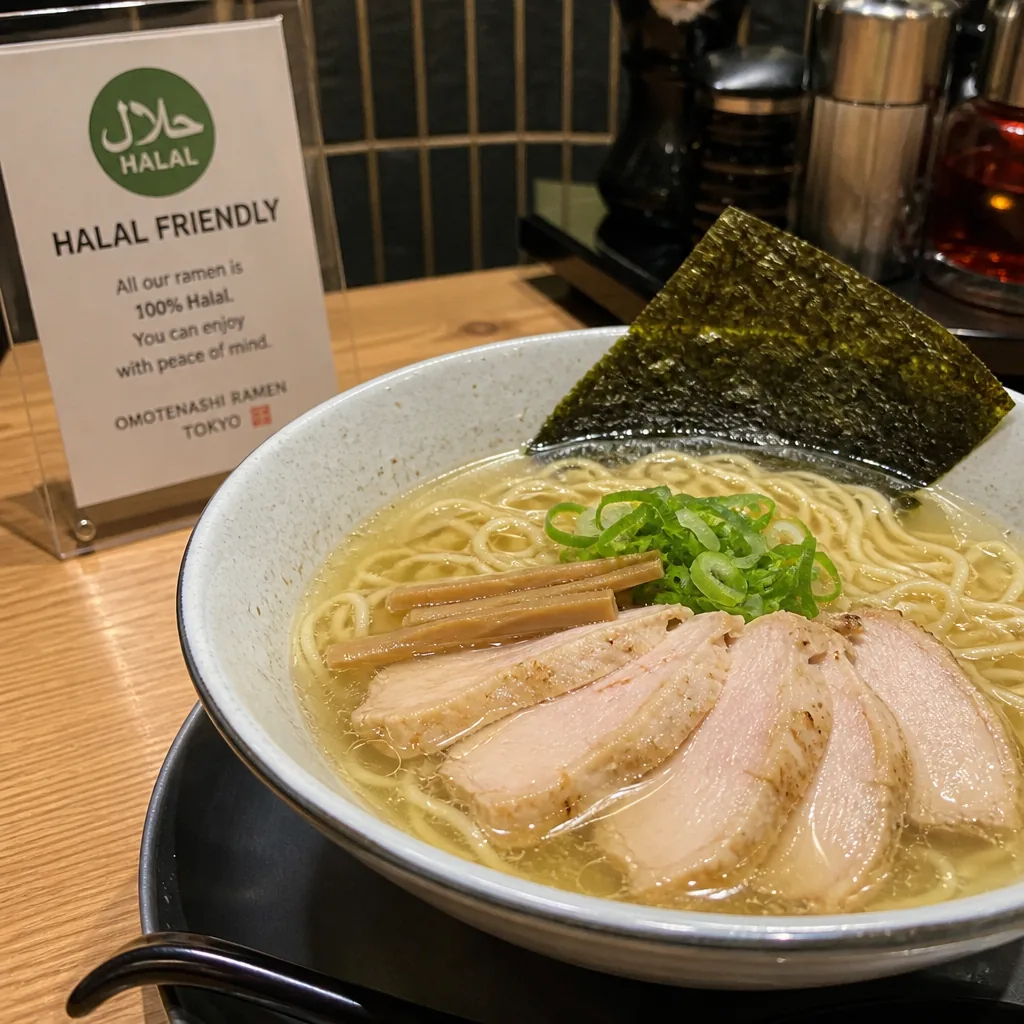
One practical point: do not assume that “ramen” automatically means a single standard recipe. In Tokyo, the halal versions you’re most likely to see are shoyu, miso, and chicken-based broths, adapted so they exclude pork and alcohol-based seasonings [1][3].
The safest way to choose is to verify the shop before you go, then confirm again at the counter. Tokyo tourism guides recommend checking official restaurant websites and certification details because policies can change without much notice [1][2].
This matters because “Muslim-friendly” is not the same as “fully halal.” Tokyo Metropolitan Government’s guide makes that distinction clear, and travelers should treat it seriously if they want to avoid pork-derived ingredients or cross-contamination [1].
Tokyo is one of the easiest Japanese cities for Muslim travelers to navigate, but ramen still rewards planning. Use the city’s major tourist districts, build around transport hubs, and keep a backup option nearby in case the first restaurant is full [2][4][5].
Most importantly, stay flexible. Tokyo’s halal ramen scene is growing, but the best experience often comes from matching your expectations to the shop’s actual policy rather than relying on a generic label [1][2][3]. If you verify the details and stick to the main visitor districts, you can find a satisfying bowl without compromising dietary rules.
CallButler is a multilingual concierge service that handles research, coordination, and bookings so you do not have to navigate language barriers or unfamiliar systems alone. If you need help related to Where can I find the best halal ramen in Tokyo? or the tasks around it, our team can step in to manage the details and keep things moving smoothly.
Find English-friendly yakitori in Osaka after work by targeting Umeda, Namba, and Honmachi, plus booking sites and multilingual menus.
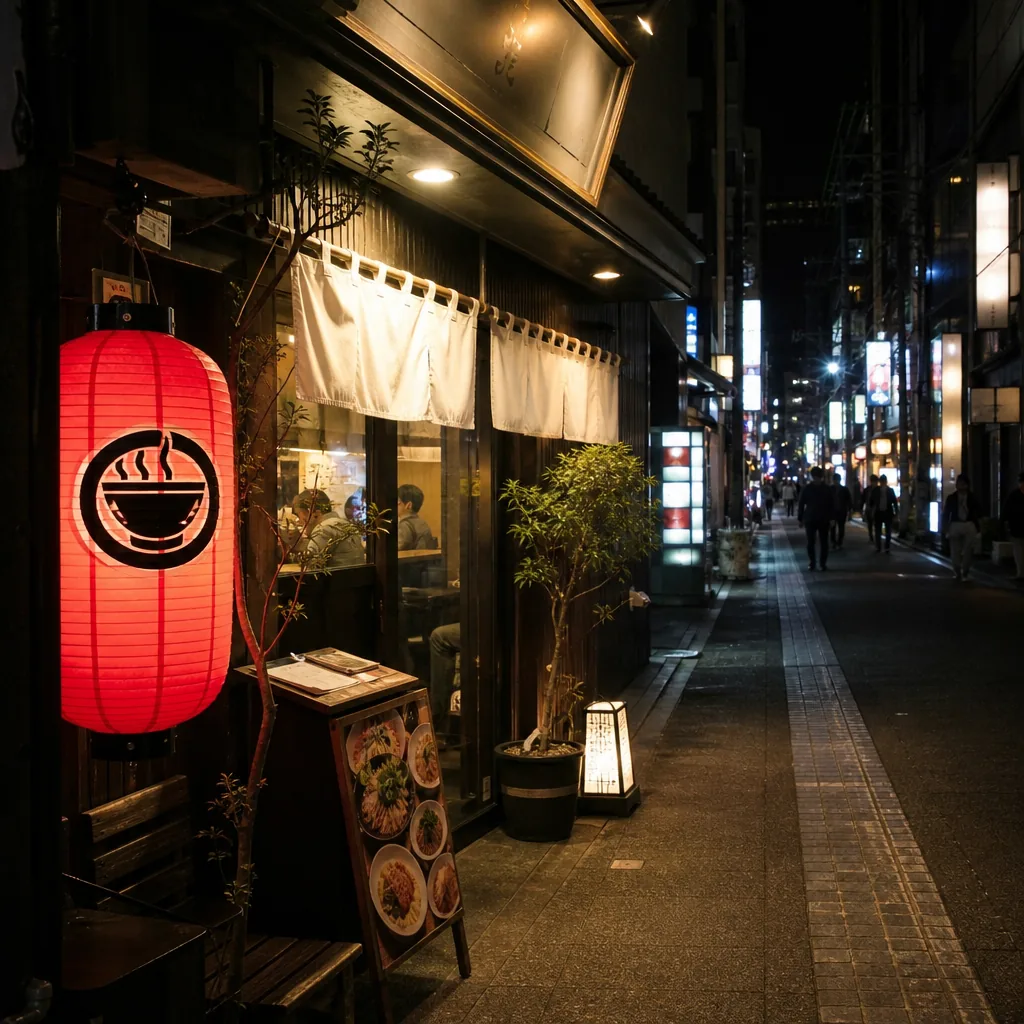
Looking for halal ramen in Kyoto after 10 p.m.? Here’s where to check, which areas are most practical, and how to verify hours and halal status.
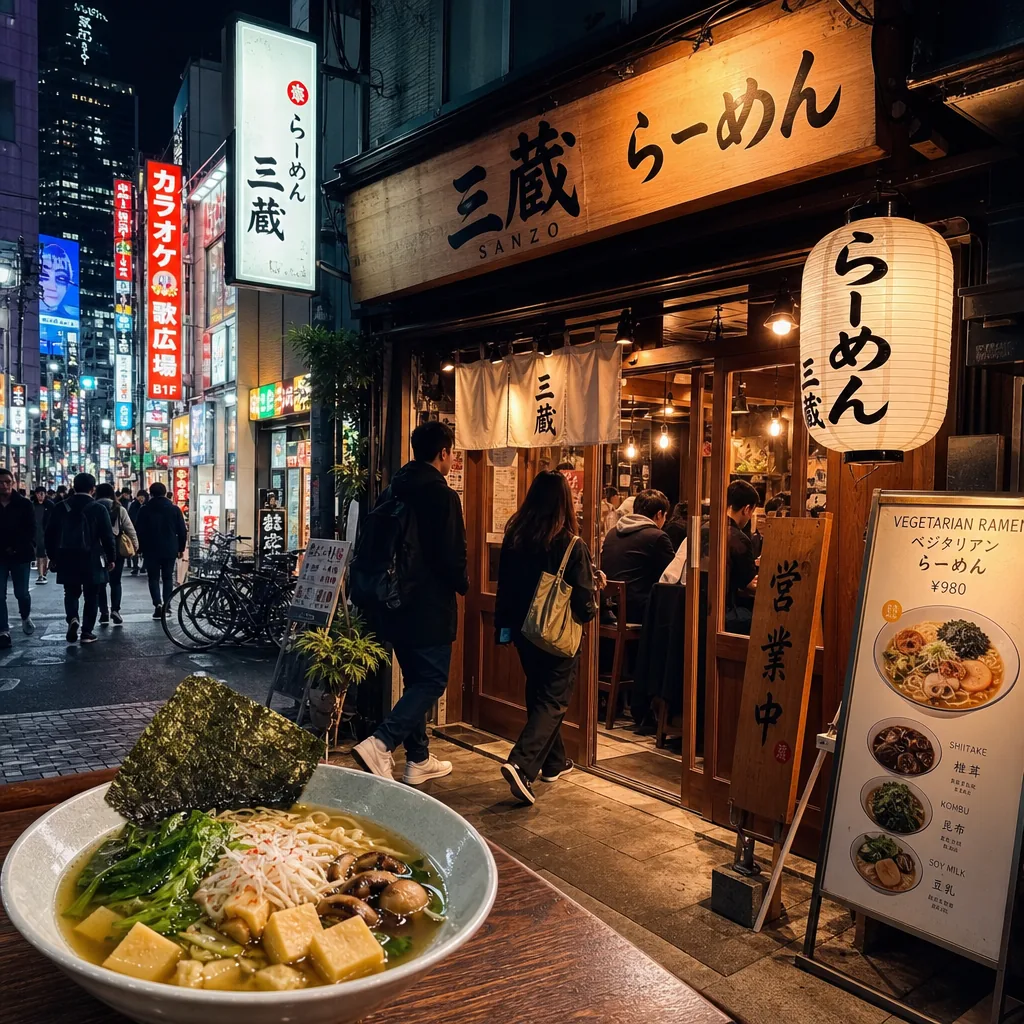
Find late-night vegetarian ramen in Tokyo by focusing on Shibuya, Shinjuku, and Roppongi, then verify broth, hours, and vegan menu details.