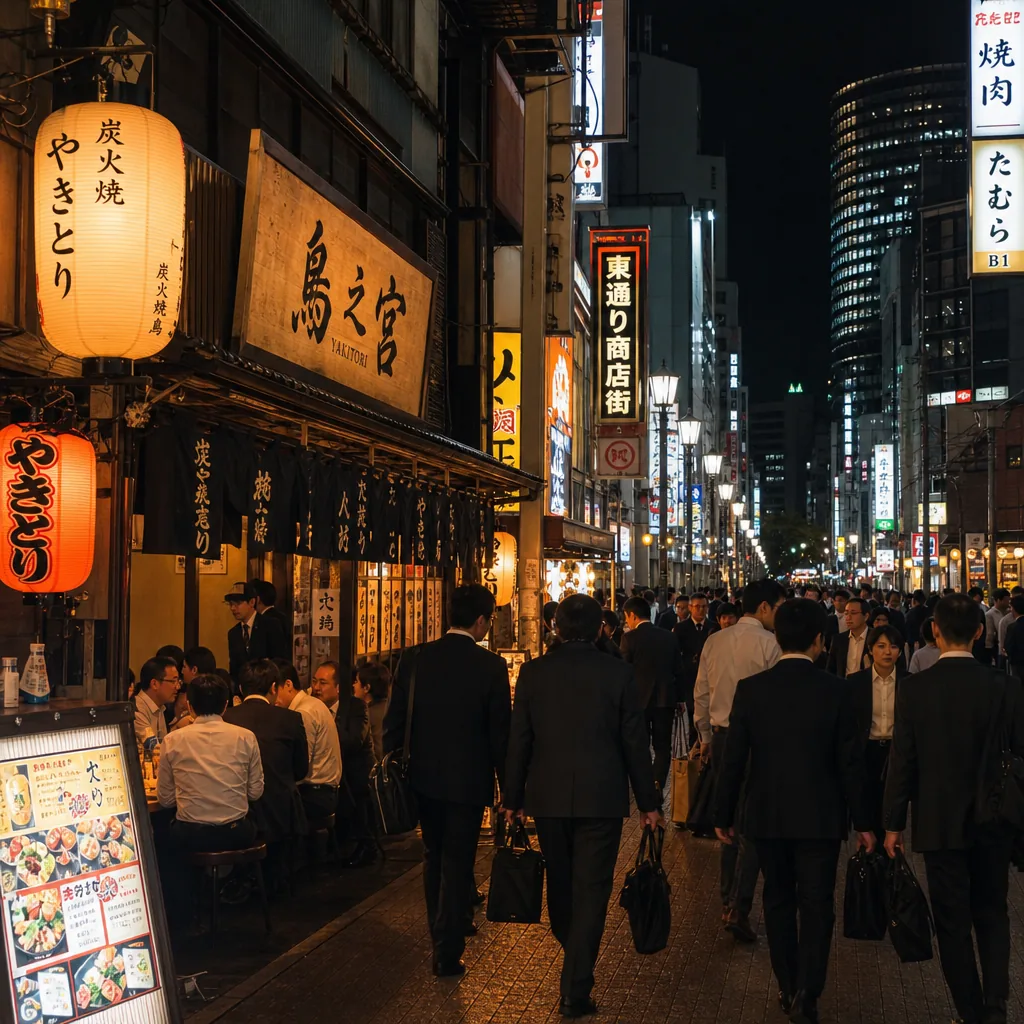
Where can I find english-friendly yakitori in Osaka after work?
Find English-friendly yakitori in Osaka after work by targeting Umeda, Namba, and Honmachi, plus booking sites and multilingual menus.
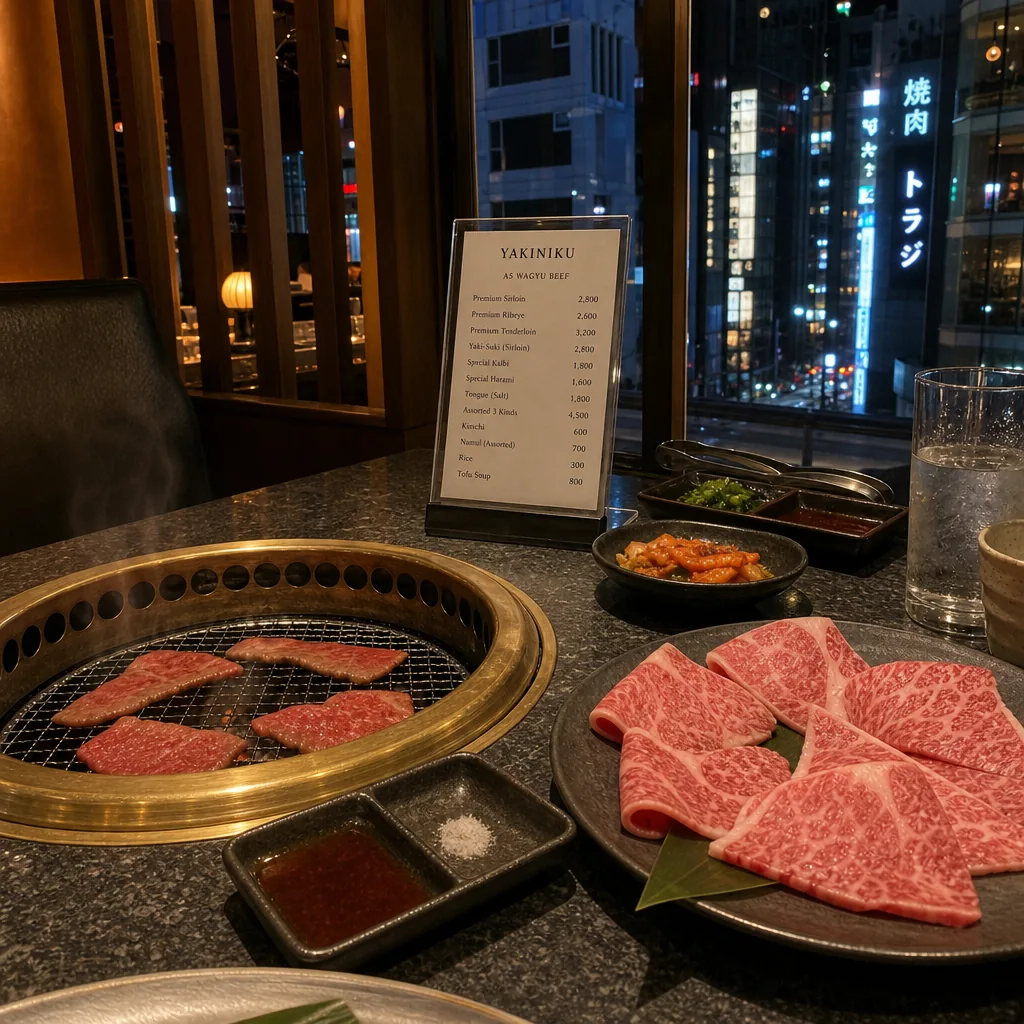
If you want English-menu wagyu yakiniku in Tokyo, start in Shibuya, Shinjuku, Ginza, and Roppongi, where tourist-friendly restaurants are easiest to find and confirm in advance. Tokyo is one of the best cities in Japan for this because official tourism guides and restaurant directories regularly list language support, reservation options, and dining details [1][2][3].
The most reliable option is a restaurant that shows an English menu on its website, accepts online reservations, and clearly explains whether it serves wagyu by the cut, by course, or as a tasting set. Tokyo’s official dining guides point visitors toward restaurants with multilingual information and practical booking support, which is especially useful if you are planning a specific meal rather than just walking in [3][5].
Wagyu yakiniku restaurants often work well for first-time visitors because staff can explain grilling timing and serving style, and many places offer set courses that simplify ordering [1][3]. If you prefer a low-stress experience, look for places that list both English menu availability and a reservation platform before you leave home.
Central Tokyo districts are the strongest starting point because they combine high visitor traffic with restaurants used to multilingual guests. The official Tokyo tourism guide highlights yakiniku as a major dining option for visitors, and broader city dining resources emphasize easy access to tourist-oriented restaurants across central neighborhoods [1][5].
For example, Tokyo’s restaurant and tourism listings make it easier to compare options in these districts before you go, rather than relying on street-level guesswork [2][5]. If your goal is a guaranteed English-menu meal, these neighborhoods should come before smaller local shopping streets or residential wards.
The safest approach is to check three things directly: the restaurant website, its reservation page, and an official tourism or restaurant directory. JNTO’s food guidance and Tokyo’s tourism resources both point travelers toward restaurants and guides that can help them understand menu formats and booking details in advance [3][4].
One practical example is Gurunavi’s Tokyo restaurant guide, which includes filters that help narrow down restaurants with features such as language support and area selection, making it easier to search in places like Shinjuku or central Tokyo [2]. Because English-menu availability can change, always verify the current page before making plans.
If you are new to yakiniku, a course menu is usually the easiest choice. It typically bundles several cuts and side dishes, reducing the need to identify every item one by one, and it fits well with Tokyo restaurants that want to make ordering simpler for visitors [1][3].
At the table, it helps to ask for the staff’s recommendation on grilling time for each cut, since wagyu fat content can make it cook faster than expected. If the restaurant provides an English menu, use it to compare course price, beef grade, and portion size before ordering extra items.
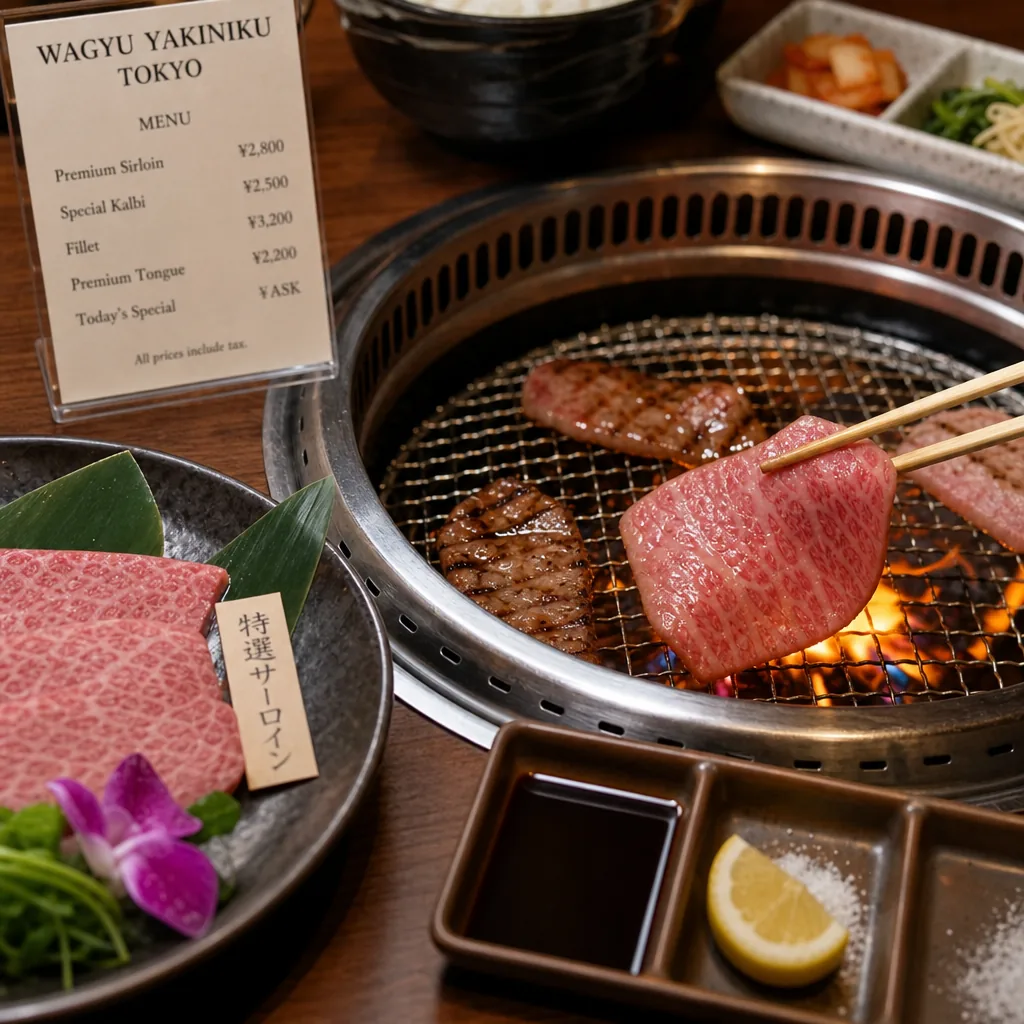
If you want current English-menu wagyu yakiniku options, use official Tokyo and Japan travel resources first. The Tokyo tourism guide explains yakiniku as a major category for visitors, while JNTO provides broader food-and-drink guidance for international travelers [1][3]. Tokyo Metropolitan Government and Tokyo Convention & Visitors Bureau materials are also useful for citywide visitor information and dining references [4][5].
These sources are especially helpful because restaurant language support can change, and some venues update their booking systems seasonally or by branch. Checking a restaurant’s own page alongside an official directory gives you the best chance of finding an English-menu wagyu meal that is still available on the day you want to go.
The easiest answer is to begin your search in Shibuya, Shinjuku, Ginza, or Roppongi, then confirm English menus and reservations on official restaurant or tourism pages before visiting [1][2][3]. Tokyo makes this process manageable because its major dining districts and visitor guides are built around multilingual guests, especially for popular wagyu yakiniku dinners [4][5].
If you keep your search focused on those areas, prioritize course menus, and verify details directly, you can find a reliable English-menu wagyu yakiniku experience in Tokyo without wasting time on uncertain listings.
CallButler is a multilingual concierge service that handles research, coordination, and bookings so you do not have to navigate language barriers or unfamiliar systems alone. If you need help related to Where can I find English-menu wagyu yakiniku in Tokyo? or the tasks around it, our team can step in to manage the details and keep things moving smoothly.
Find English-friendly yakitori in Osaka after work by targeting Umeda, Namba, and Honmachi, plus booking sites and multilingual menus.
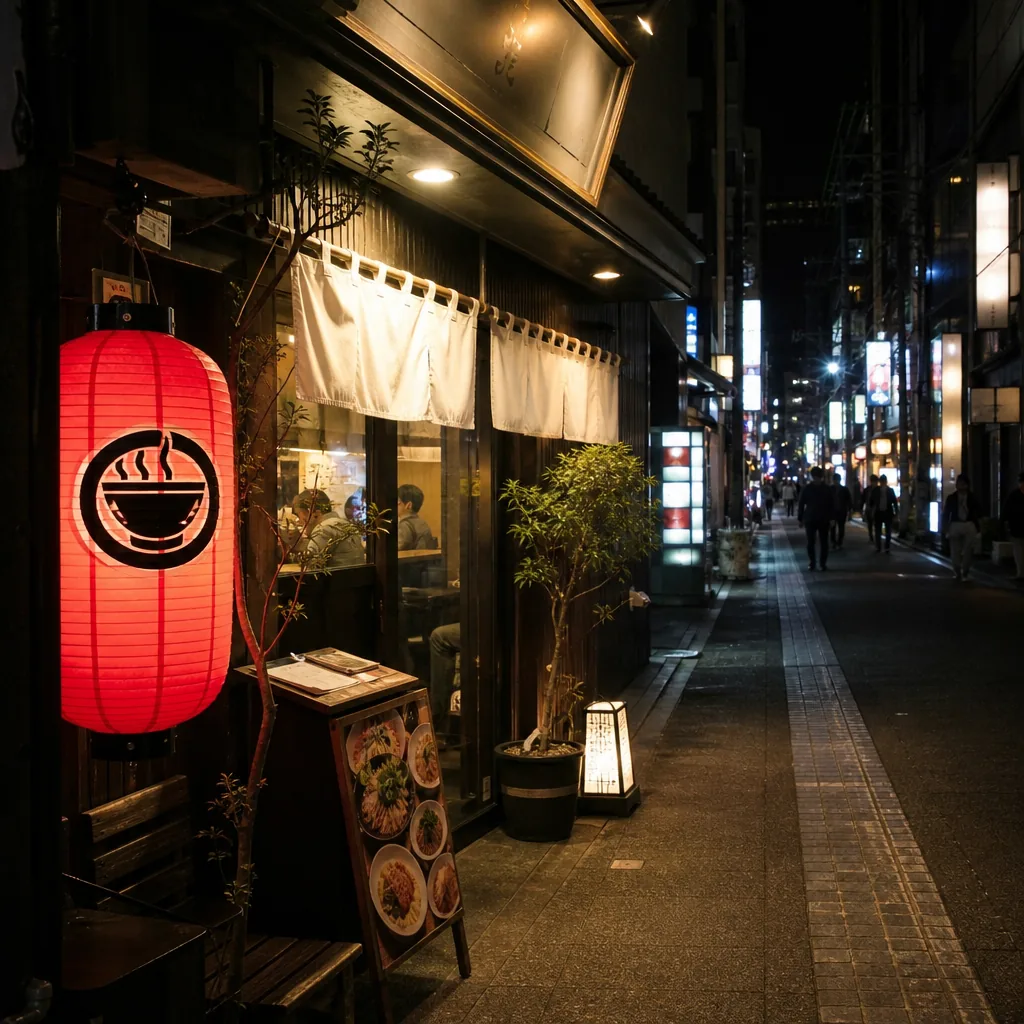
Looking for halal ramen in Kyoto after 10 p.m.? Here’s where to check, which areas are most practical, and how to verify hours and halal status.
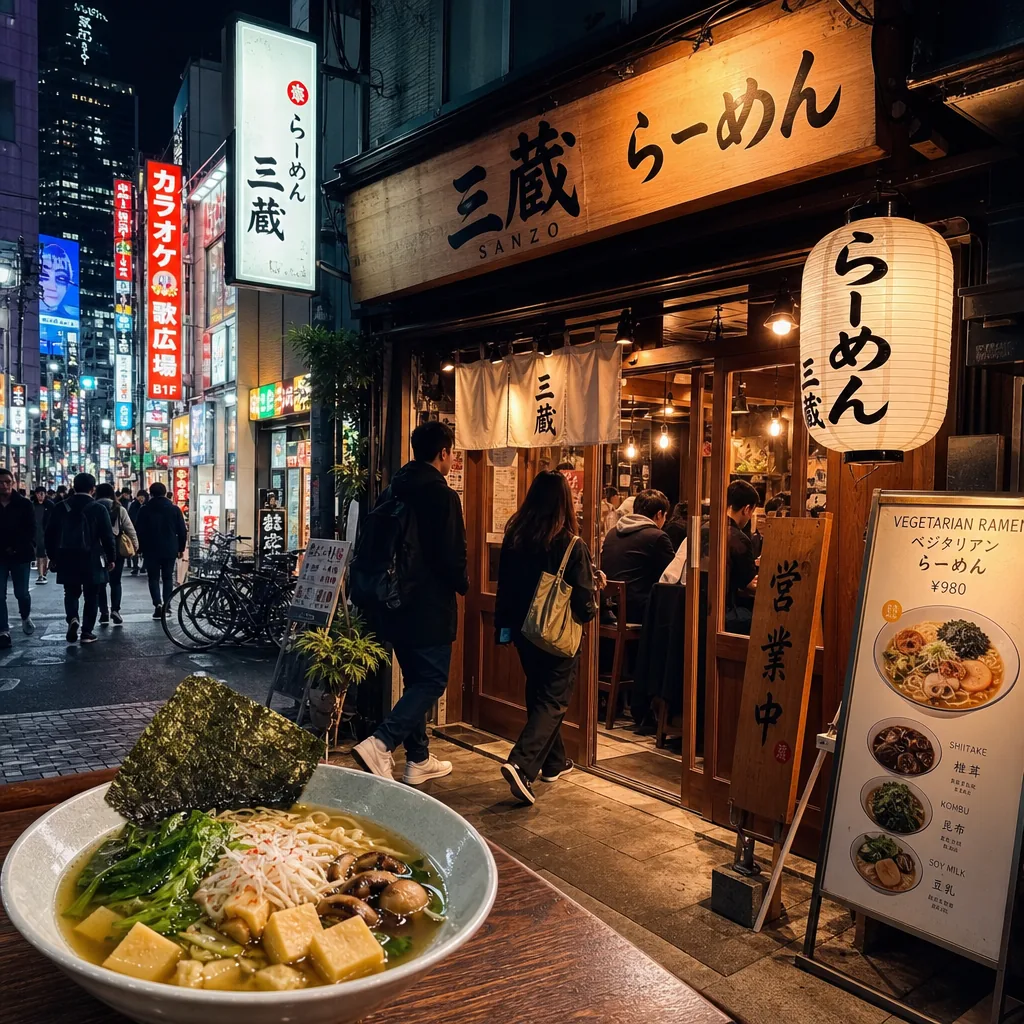
Find late-night vegetarian ramen in Tokyo by focusing on Shibuya, Shinjuku, and Roppongi, then verify broth, hours, and vegan menu details.