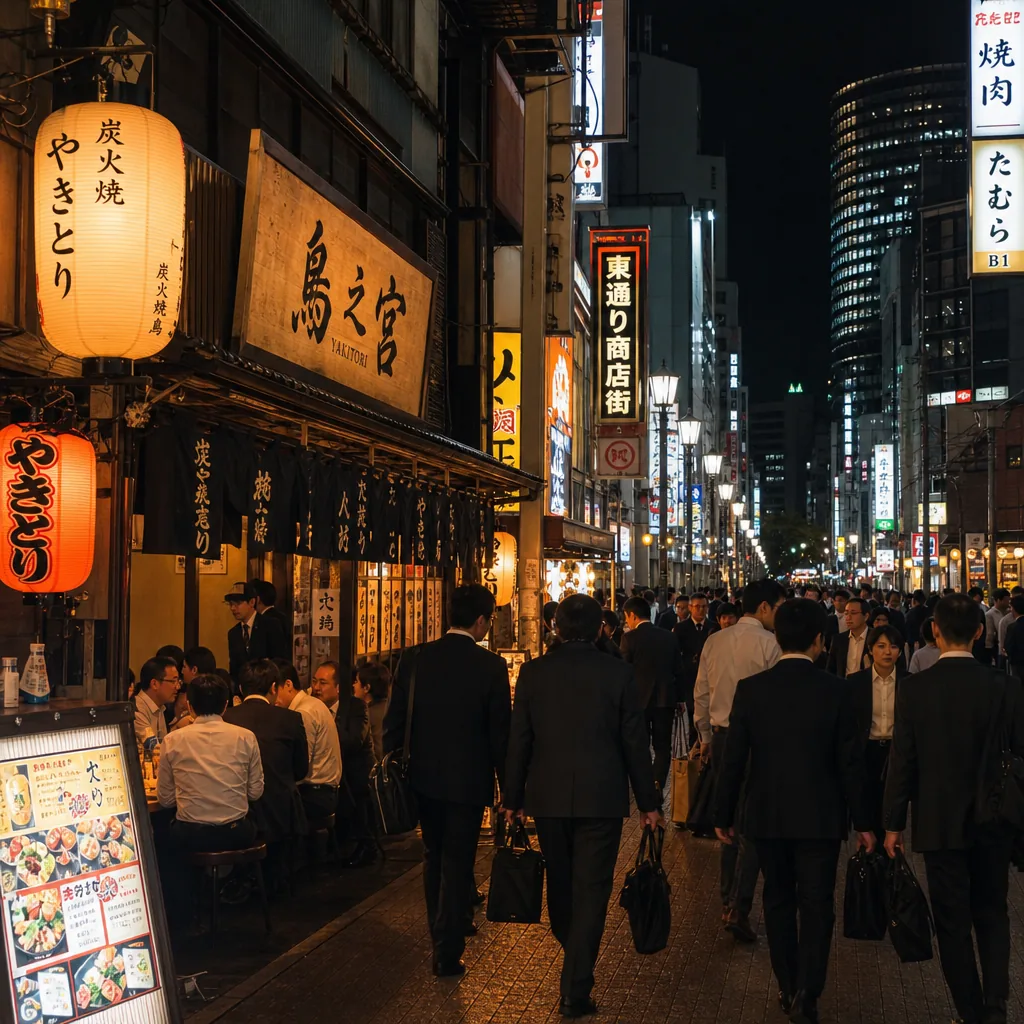
Where can I find english-friendly yakitori in Osaka after work?
Find English-friendly yakitori in Osaka after work by targeting Umeda, Namba, and Honmachi, plus booking sites and multilingual menus.
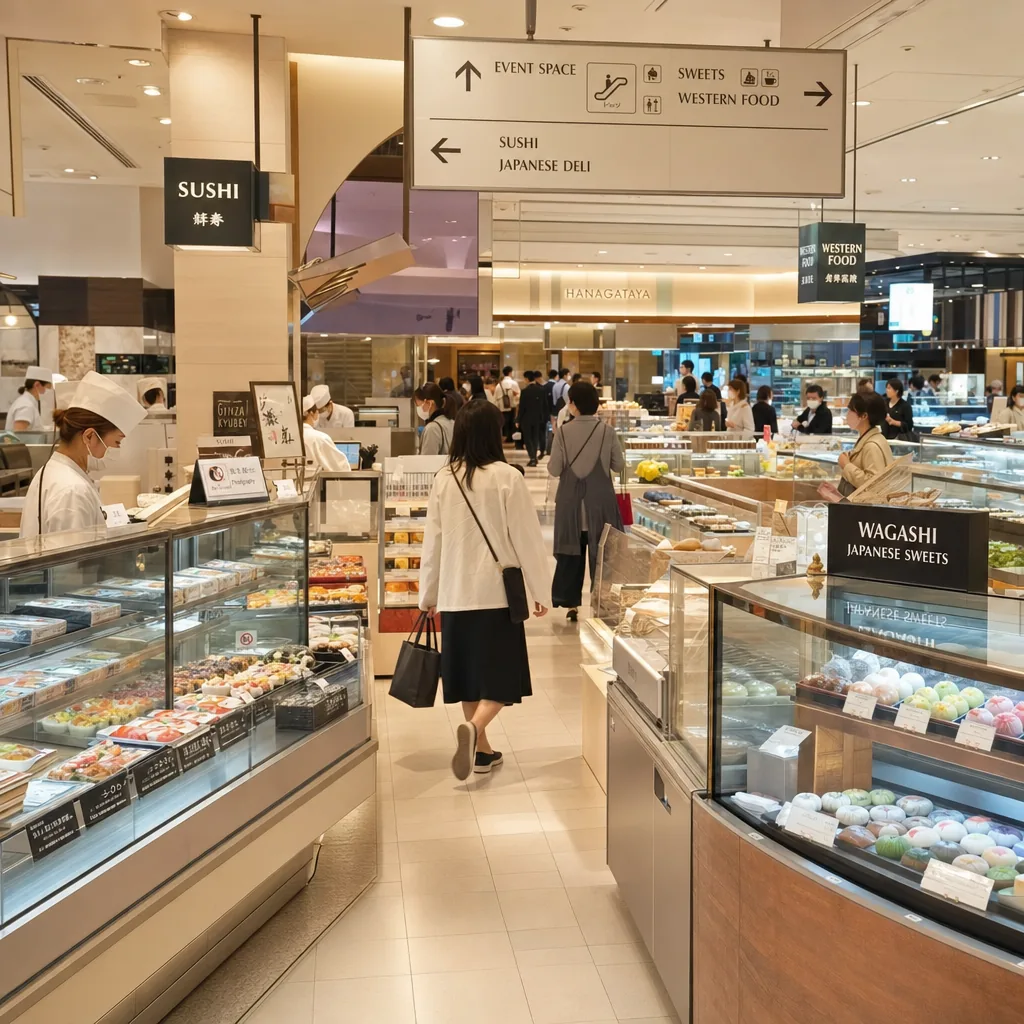
Yes—expats can absolutely find English-friendly depachika in Tokyo, and the easiest ones are usually in major department stores around Tokyo Station, Marunouchi, Ginza, Shinjuku, and Shibuya. These basement food halls are designed for browsing, gifting, and takeaway meals, and the biggest downtown stores tend to have the clearest signs, more imported products, and staff who are used to helping foreign visitors [1].
A depachika is a department store food hall, usually located in the basement level. In Tokyo, these spaces typically sell prepared meals, sushi, bento, sweets, deli items, tea, condiments, and premium packaged foods from a mix of Japanese and international brands [1].
For expats, the appeal is practical: depachika let you compare many foods in one place without needing to navigate a full supermarket. Displays are usually neat and visual, staff are accustomed to takeaway orders, and many items are presented in glass cases or with clear packaging, which makes shopping easier even if your Japanese is limited [1].
The most accessible depachika for English speakers are concentrated in central, high-traffic districts where department stores cater to commuters, office workers, and tourists. If you want the safest bet, start near major rail hubs and flagship stores.
If you are choosing just one area, Tokyo Station and Ginza are especially practical. Tokyo Station works well for a quick stop before or after a train ride, while Ginza is useful if you want a polished department store experience with strong gift-buying options [2][3].
English support in Tokyo depachika is usually better at large flagship stores than at smaller suburban department stores. You should expect a mix of English signage, bilingual floor maps, and product displays that help you browse without speaking much Japanese [1][3][4][5].
That said, English is not guaranteed at every counter. In many places, staff may know basic greetings and numbers, but ingredient explanations or detailed product questions may still need simple Japanese, a translation app, or pointing to a menu item. The good news is that many depachika are built for quick visual decisions, so you can often shop successfully with minimal conversation [1].
At stores with international visitor traffic, you are also more likely to find clearly labeled gift sets, duty-free or tourist-service counters nearby in the same building, and payment systems that are familiar to overseas shoppers. Department stores near major stations tend to be the most practical for this reason [2][3][4][5].
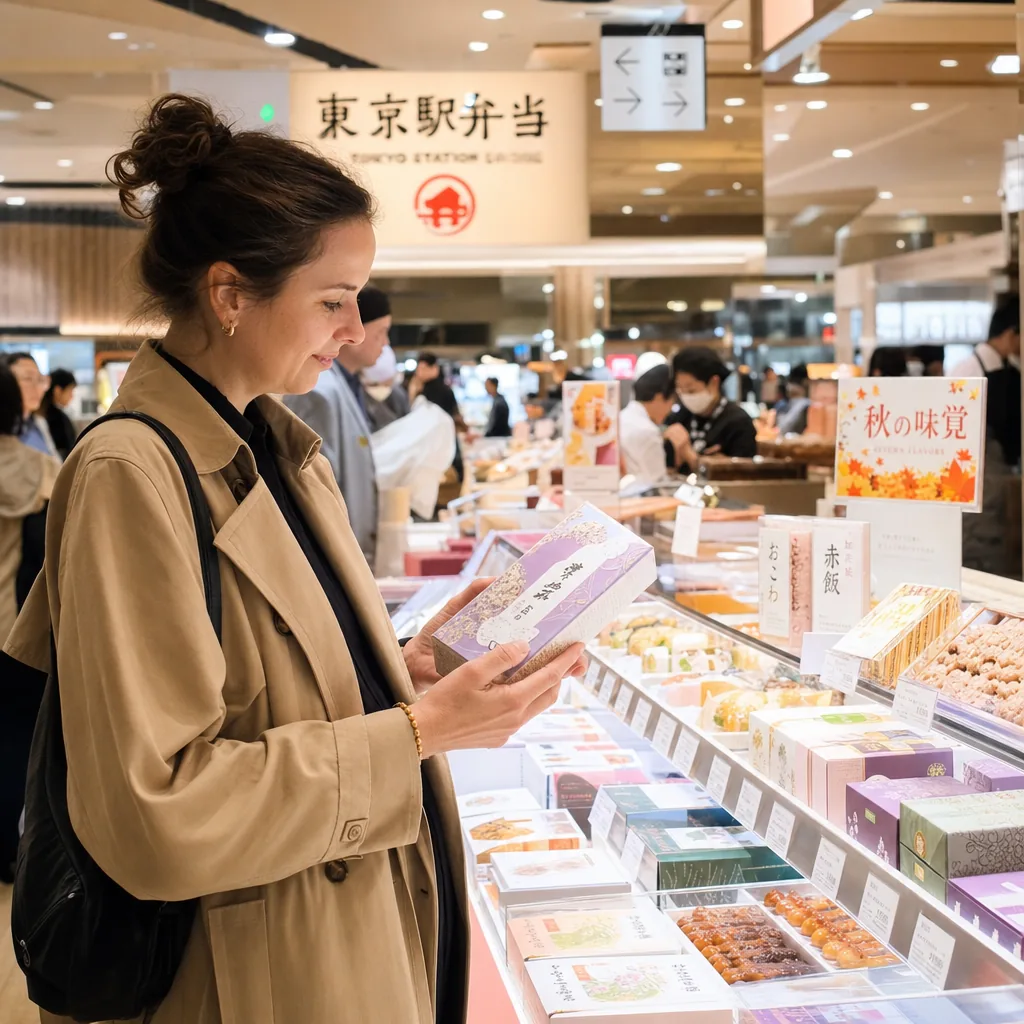
The easiest strategy is to do a first lap without buying anything. Depachika are often busy, and a quick walk-through helps you compare prices, portion sizes, and packaging before you commit.
As a rule, depachika are best for browsing when you already know whether you want lunch, sweets, or gifts. If you are undecided, look for the nearest information desk in the department store before heading downstairs.
If you follow a vegetarian, vegan, halal, or allergy-sensitive diet, depachika can still be useful, but packaged ingredient labels may be the main obstacle. JNTO notes that depachika are convenient for high-quality Japanese foods, but labels and ingredients may still require attention, especially for processed items [1].
For dietary needs, prioritize counters with obvious ingredient lists, simple rice-based items, fruit, sweets, or packaged goods with visible branding. When in doubt, ask staff to point out ingredients or use a translation app to read the label. Major stores in Ginza, Shinjuku, and Shibuya are a better starting point than smaller local branches because they are more likely to see international customers and offer clearer visitor support [3][4][5].
Depachika are also excellent for gifts. Look for seasonal wagashi, boxed pastries, tea sets, and neatly packaged regional specialties. Department stores near Tokyo Station are especially convenient if you need something you can carry onto a train or give as an omiyage before leaving the city [2].
For expats living in Tokyo, the practical answer is simple: go to a major downtown department store first. Tokyo Station’s Daimaru Tokyo, Mitsukoshi Ginza, Isetan Shinjuku, and Shibuya Scramble Square are among the most accessible places to start, because they combine central locations, strong visitor support, and the visual clarity that makes depachika shopping easy [2][3][4][5].
CallButler is a multilingual concierge service that handles research, coordination, and bookings so you do not have to navigate language barriers or unfamiliar systems alone. If you need help related to Where can expats find English-friendly depachika in Tokyo? or the tasks around it, our team can step in to manage the details and keep things moving smoothly.
Find English-friendly yakitori in Osaka after work by targeting Umeda, Namba, and Honmachi, plus booking sites and multilingual menus.
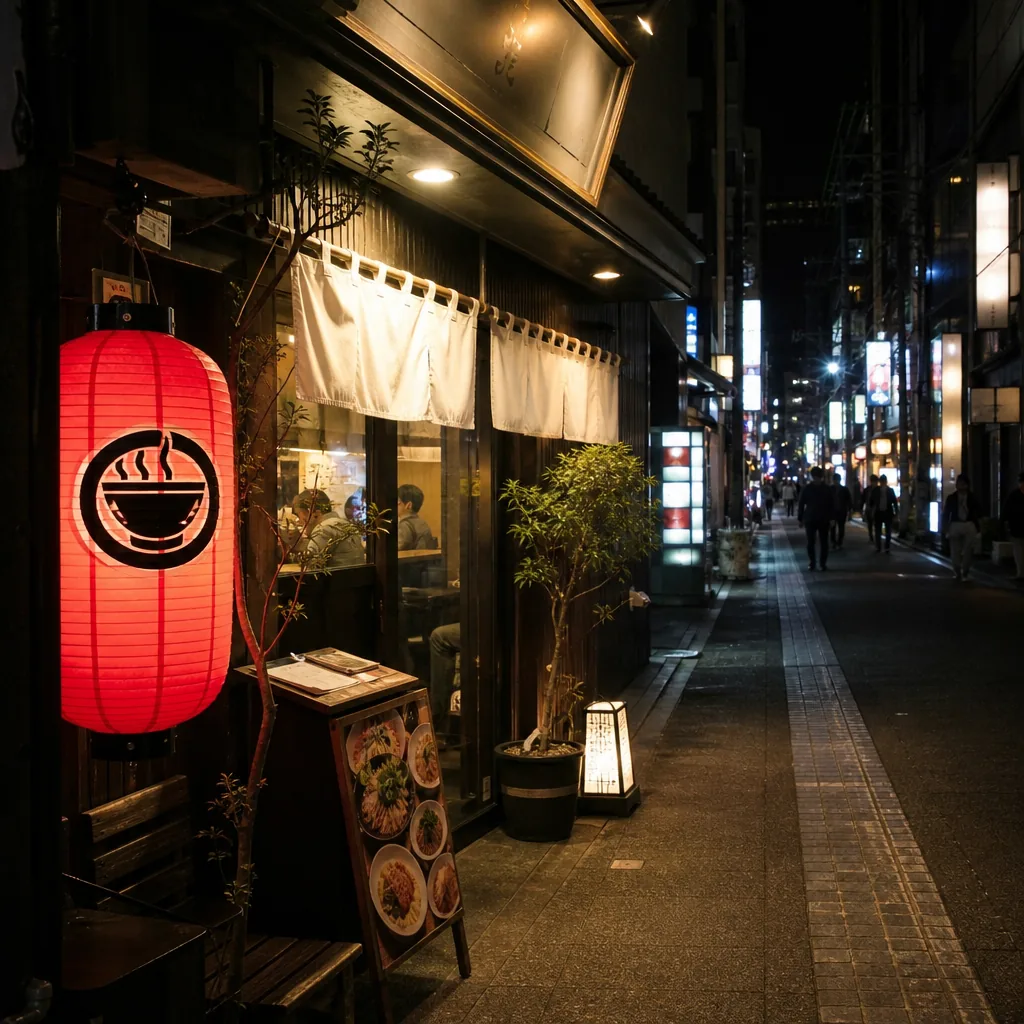
Looking for halal ramen in Kyoto after 10 p.m.? Here’s where to check, which areas are most practical, and how to verify hours and halal status.
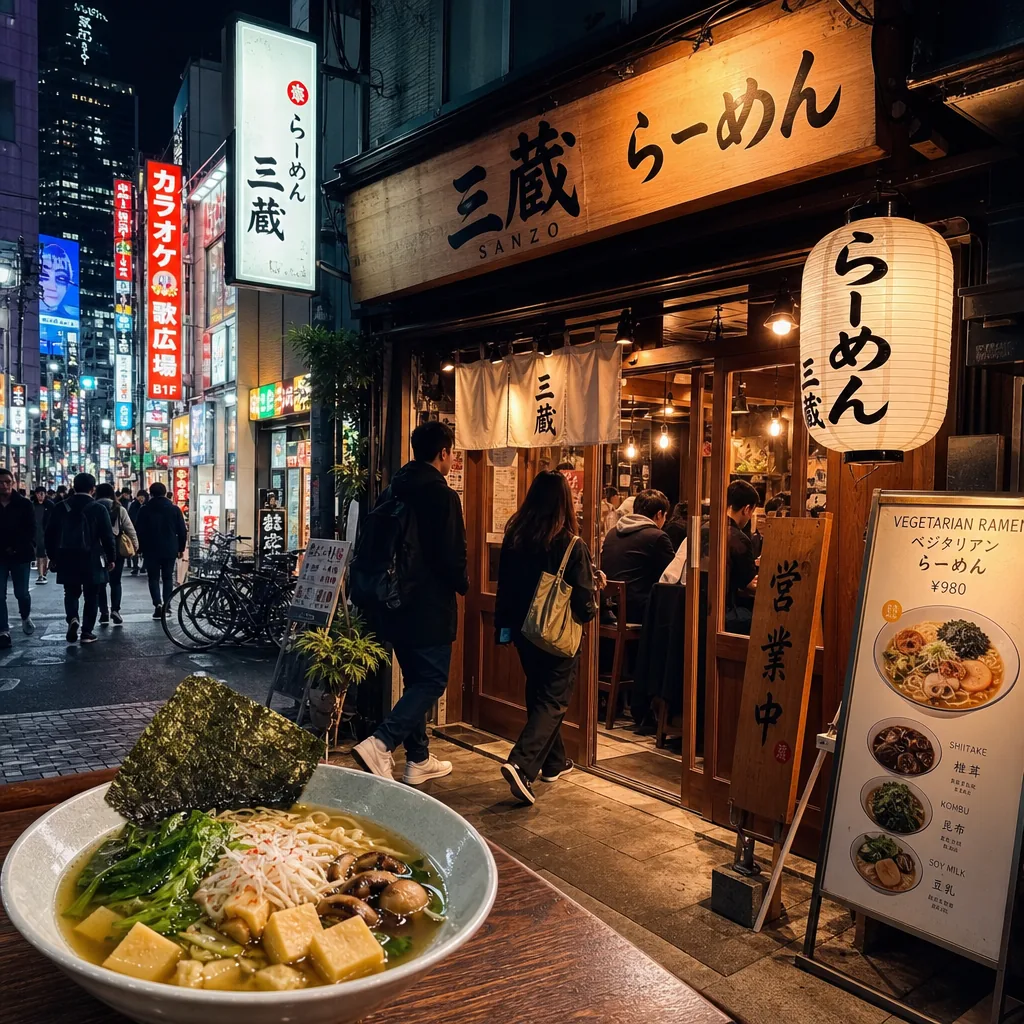
Find late-night vegetarian ramen in Tokyo by focusing on Shibuya, Shinjuku, and Roppongi, then verify broth, hours, and vegan menu details.