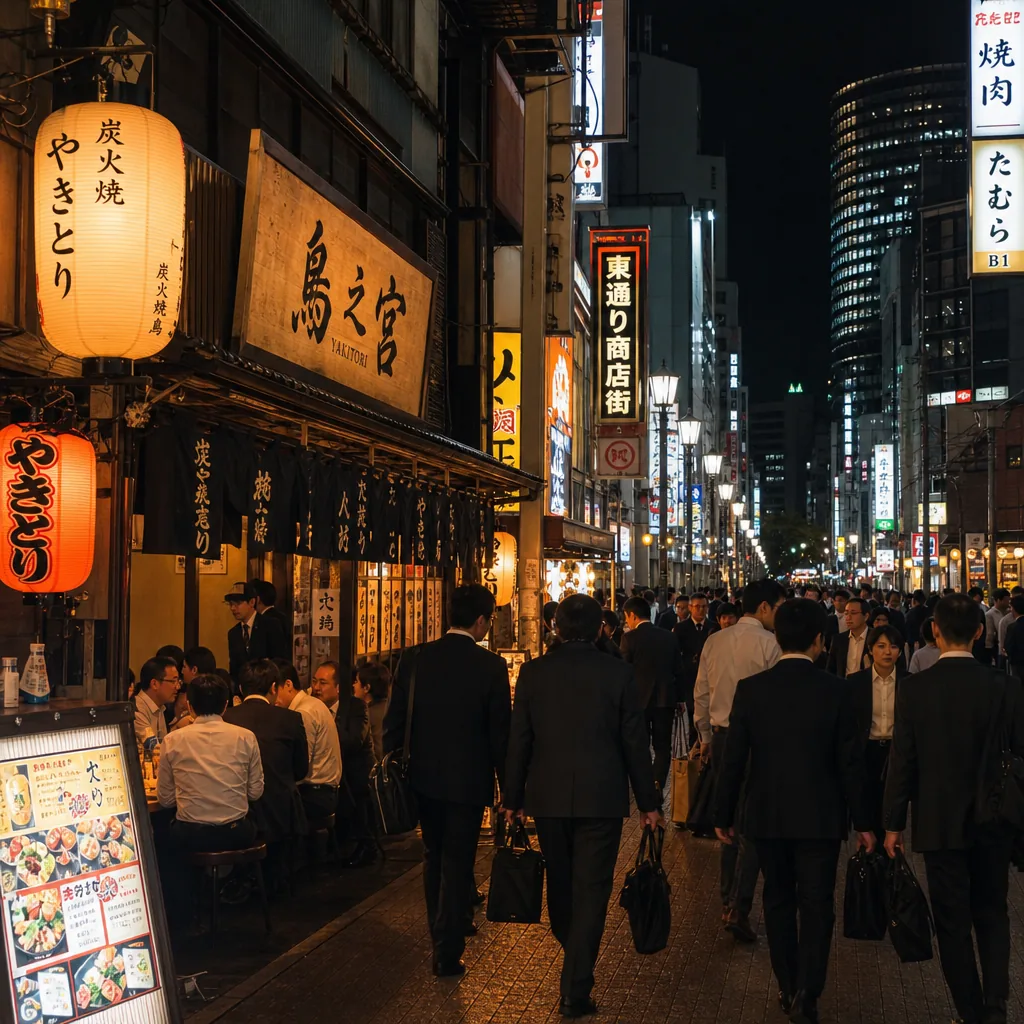
Where can I find english-friendly yakitori in Osaka after work?
Find English-friendly yakitori in Osaka after work by targeting Umeda, Namba, and Honmachi, plus booking sites and multilingual menus.
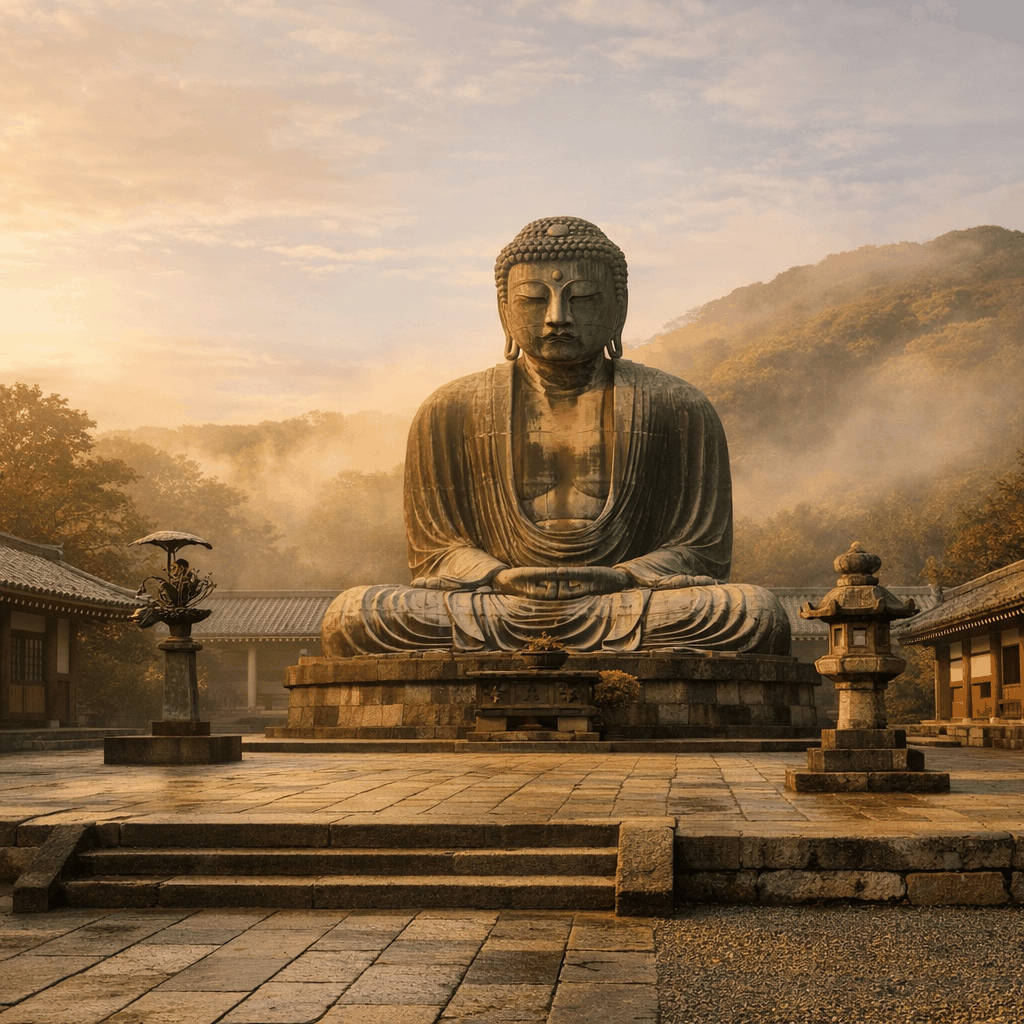
Visit Kotoku-in's Great Buddha (Daibutsu) in Kamakura on a weekday immediately after opening (roughly 08:00–09:30) or on a weekday late afternoon (about 15:30 until closing) to avoid the largest crowds. These windows consistently see fewer visitors than weekends, national holidays (Golden Week, Obon, New Year) and peak sakura/autumn-leaf weeks [1][2][5].
Kotoku-in's outdoor Daibutsu is one of Kamakura's most visited single sights, so even modest admission (historically around ¥200) attracts steady foot traffic; crowds also swell because nearby Hasedera and Tsurugaoka Hachimangu bring group flows into the same neighborhood [1][2][3]. Congestion affects photography, circulation, and short itineraries—planning the hour of your visit is the simplest way to make a compact trip smoother.
Kotoku-in is open daily; published hours are commonly 8:00–17:30 in spring–summer and 8:00–17:00 in autumn–winter, but the temple advises visitors to check the official site for seasonal changes or special closures [1]. Admission to the Daibutsu area has historically been modest (about ¥200), which keeps the site accessible and popular [1][2].
The most convenient public access is the Enoshima Electric Railway (Enoden) to Hase Station; Kotoku-in is a short walk of about 5–10 minutes from Hase Station, so arriving by Enoden early helps you be among the first at the gates [4]. If you arrive via JR Kamakura Station, allow an extra 10–15 minutes to reach Hase on foot or by bus. On peak dates, trains and buses are fuller; factor that into departure planning so you reach Hase before most day-trip groups [3][4].
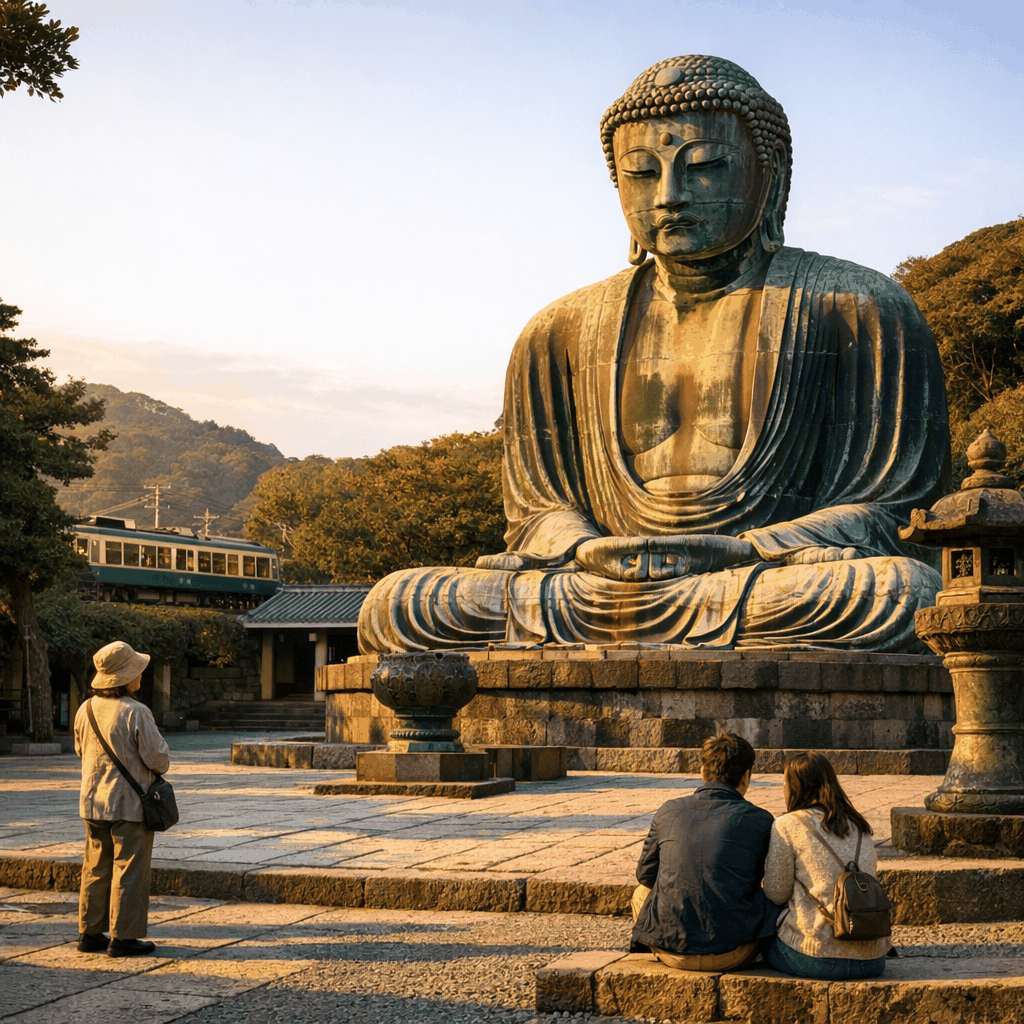
For date-specific crowd expectations (special events, temporary closures, or exact opening times), check the Kotoku-in official site and local transit notices before you go [1][4]. Planning around weekdays and the two daily low-crowd windows—early morning and late afternoon—will give you the best chance to experience Kamakura's Great Buddha with minimal crowds.
CallButler is a multilingual concierge service that handles research, coordination, and bookings so you do not have to navigate language barriers or unfamiliar systems alone. If you need help related to When should I visit the Kamakura Great Buddha to avoid crowds? or the tasks around it, our team can step in to manage the details and keep things moving smoothly.
Find English-friendly yakitori in Osaka after work by targeting Umeda, Namba, and Honmachi, plus booking sites and multilingual menus.
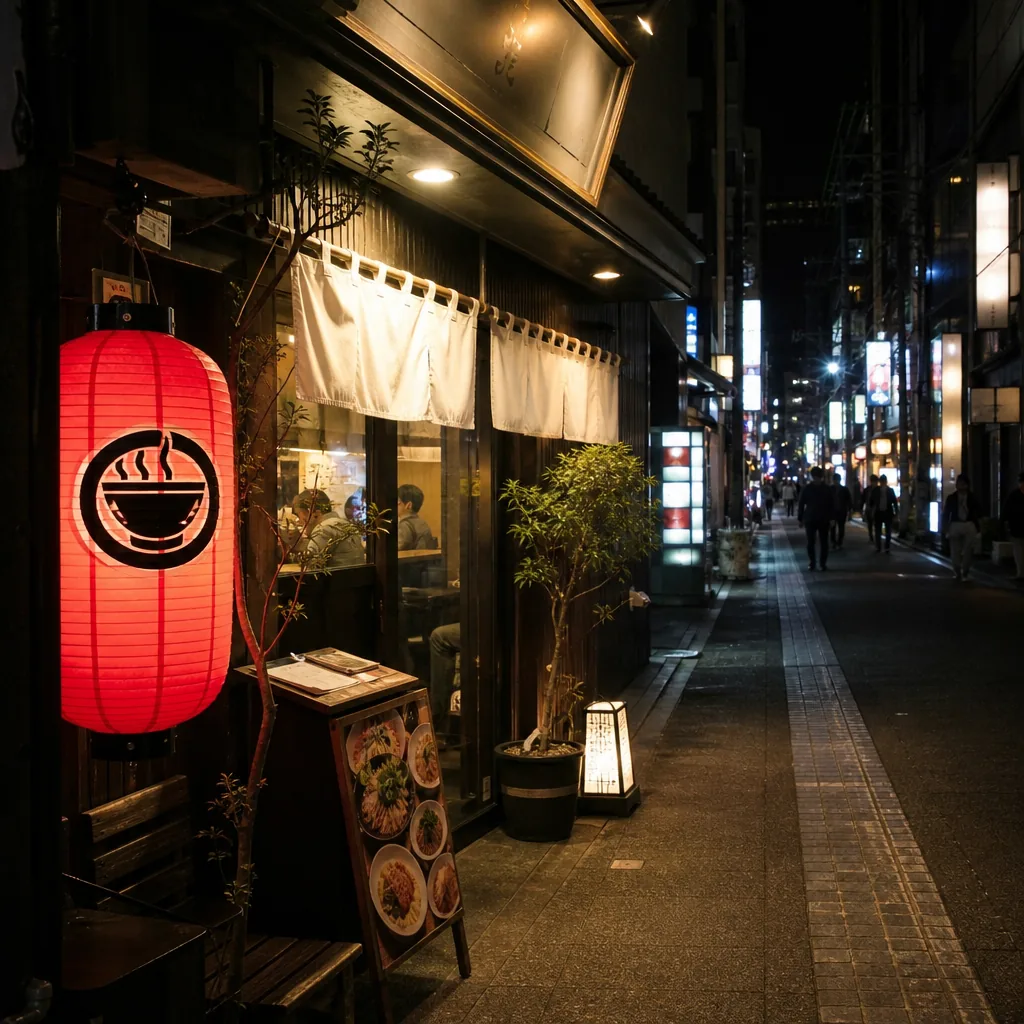
Looking for halal ramen in Kyoto after 10 p.m.? Here’s where to check, which areas are most practical, and how to verify hours and halal status.
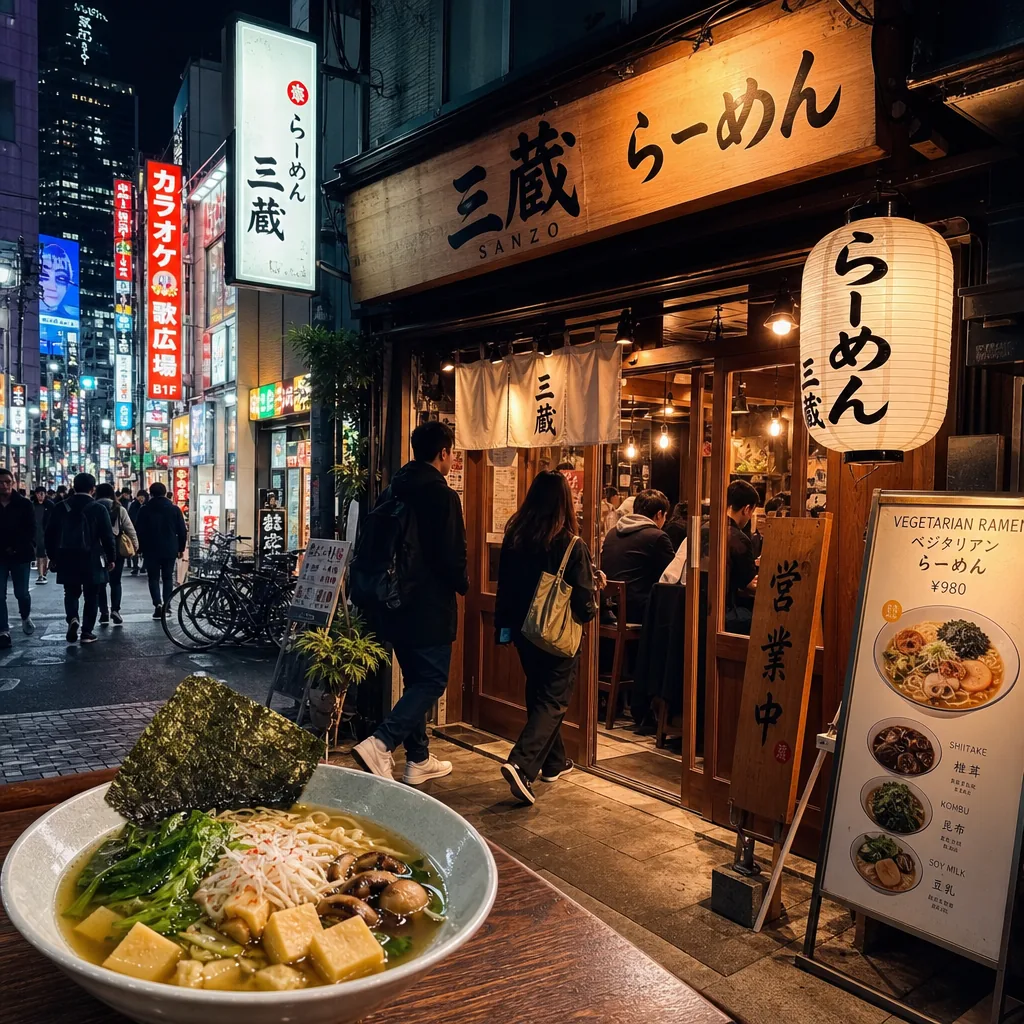
Find late-night vegetarian ramen in Tokyo by focusing on Shibuya, Shinjuku, and Roppongi, then verify broth, hours, and vegan menu details.