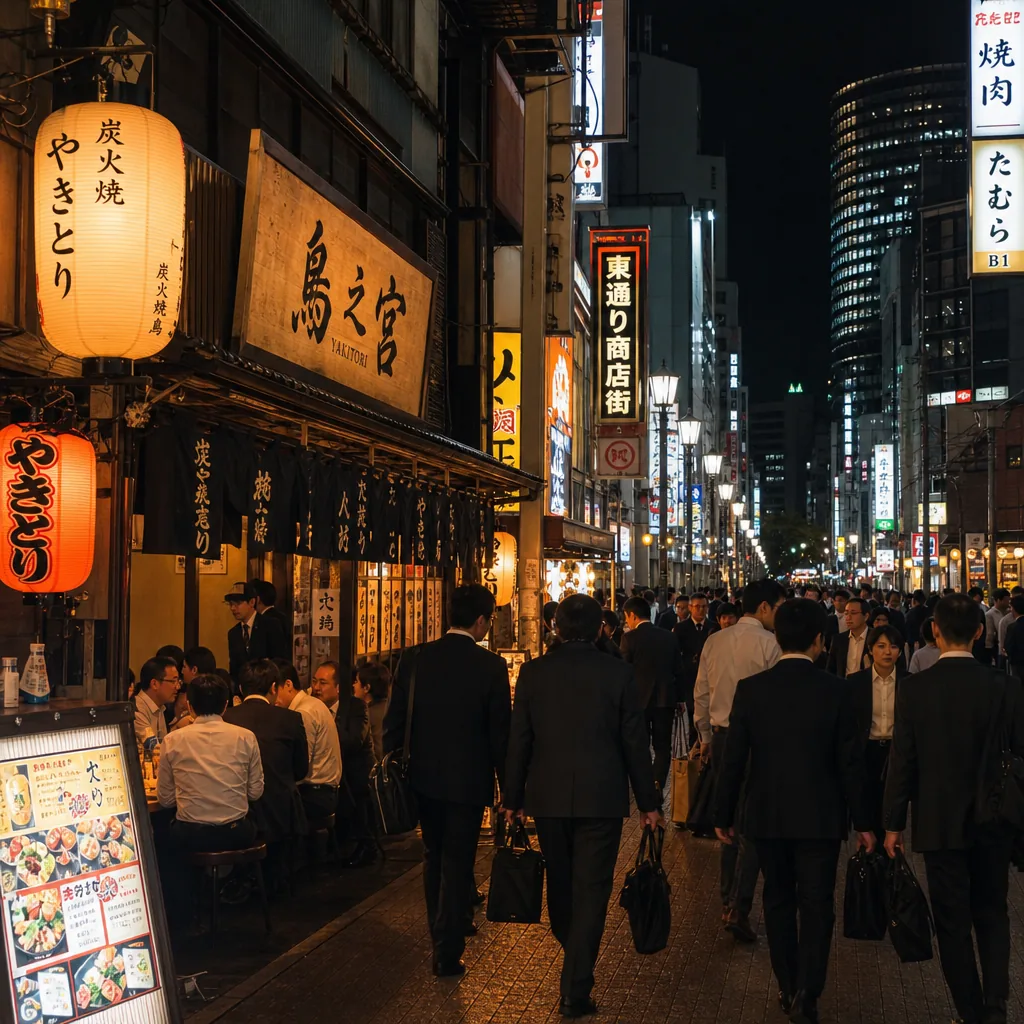
Where can I find english-friendly yakitori in Osaka after work?
Find English-friendly yakitori in Osaka after work by targeting Umeda, Namba, and Honmachi, plus booking sites and multilingual menus.
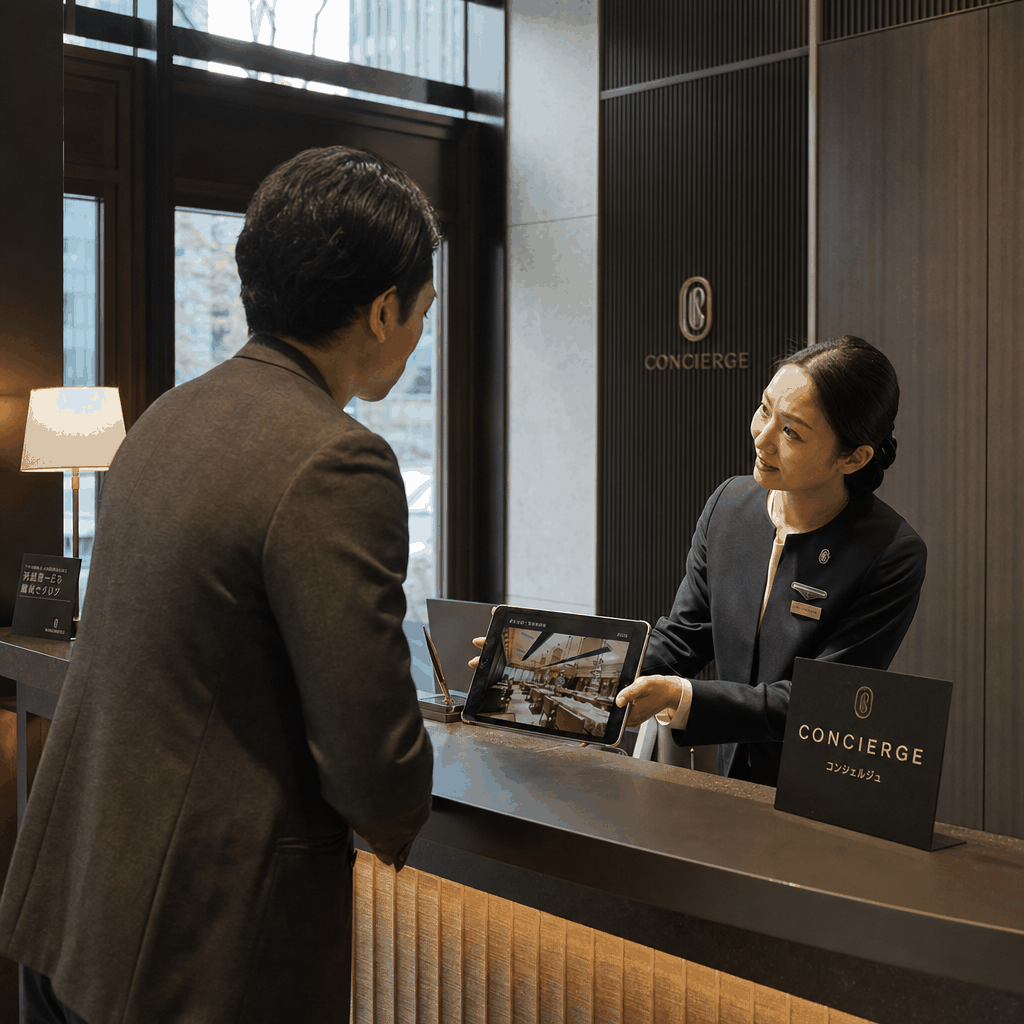
Yes—many Tokyo concierge services can arrange restaurant reservations, especially for hard-to-book omakase counters, fine dining, and special-occasion meals. In practice, the request is only as successful as the restaurant’s own reservation policy, availability, and willingness to accept third-party bookings.
In Tokyo, a concierge usually acts as an intermediary: you tell them the date, time, party size, cuisine, budget, and any special needs, then they contact the restaurant on your behalf. Hotel concierges, premium travel concierge desks, and dedicated concierge services all do this, and JTB’s Travel Concierge explicitly includes restaurant reservations as part of its support [2].
This can be especially useful when you are trying to book a restaurant that uses Japanese-language channels or has limited online access. Tokyo’s official visitor information also notes that dining options range widely, from casual restaurants to specialized venues, so a concierge can help narrow the search to places that fit your plans [1].
For travelers staying at a high-end hotel, the concierge desk is often the simplest first step. The Peninsula Tokyo, for example, describes its concierge service as able to assist with restaurant bookings and other arrangements, which reflects how many luxury hotels in the city handle dining requests [4].
Concierge help works best for restaurants that take reservations in advance and have a clear booking process. In Tokyo, that often includes hotel restaurants, larger multi-course dining rooms, and established venues with formal reservation systems [1][3].
The easiest categories to request through a concierge usually include:
Tokyo’s dining scene is especially known for high-demand places where the number of seats is limited, and these often book quickly. If you are aiming for a specific neighborhood or style—say, a Michelin-listed sushi counter in Ginza or a kappo restaurant in Shibuya—your chances improve when you ask well ahead of time and give the concierge several acceptable alternatives.
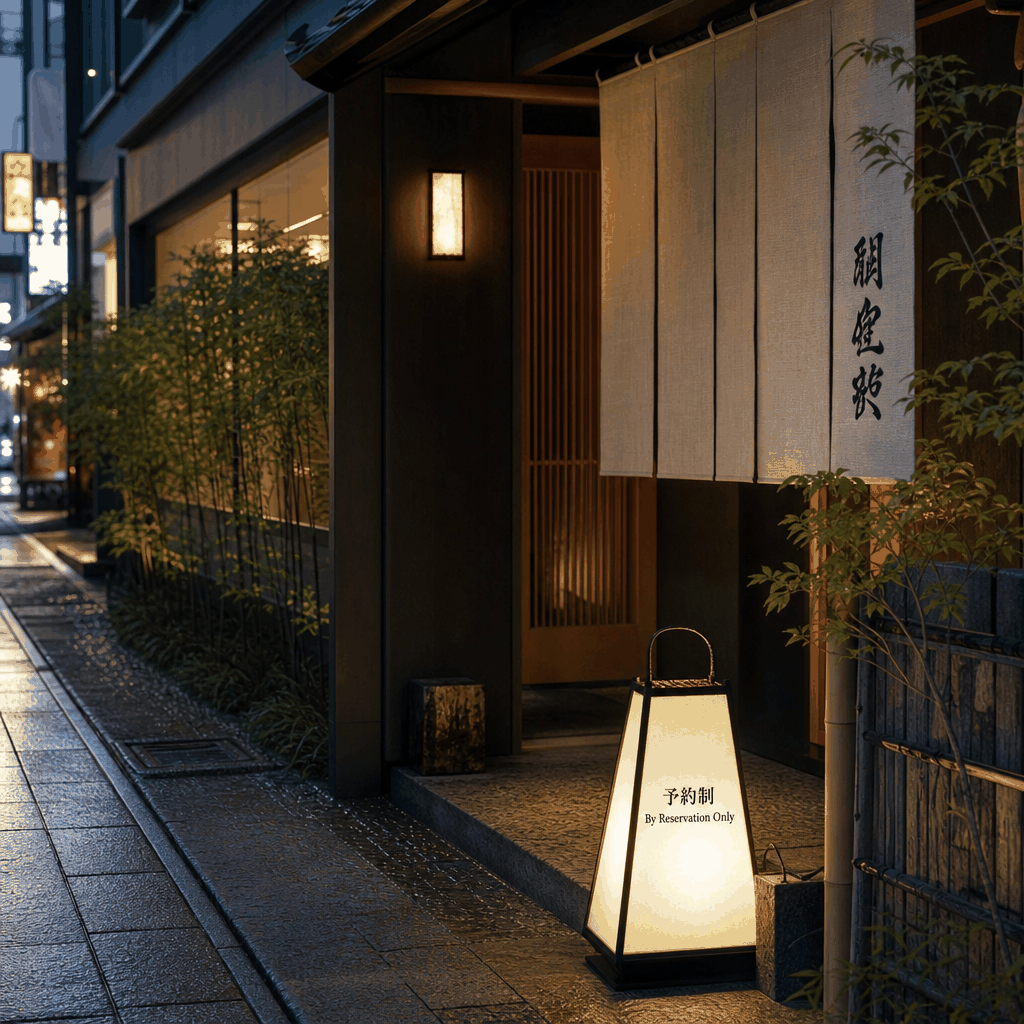
In contrast, casual eateries, ramen shops, and many izakaya are often walk-in friendly, so concierge assistance is usually less necessary. JNTO’s dining guidance also emphasizes the variety of dining styles available in Japan, which means a concierge is most valuable when you need structure, not spontaneity [5].
A concierge cannot override a restaurant’s policy. Some Tokyo restaurants handle bookings only through their own channels, and some do not accept all third-party requests. That is why even a strong concierge service cannot guarantee success [3].
Common reasons a booking may fail include:
Language can also be a barrier. If the restaurant staff communicate mainly in Japanese, a concierge with Japanese-language support can help, but that still does not change the restaurant’s capacity or policy. JTB’s concierge service highlights assistance in arranging dining, which is useful precisely because local communication can be a challenge for visitors [2].
Timing matters as well. Popular Tokyo restaurants can fill up fast, particularly for dinner slots and weekend dates. If you wait until the last minute, even a well-connected concierge may only find backup options rather than your first choice.
The best strategy is to combine concierge help with official reservation channels. Tabelog provides reservation and booking information for many restaurants and is often a useful place to check how a venue prefers to be contacted [3]. If the restaurant has its own booking page, use it; if not, ask the concierge to take the lead.
To improve your odds, provide your concierge with complete details up front. The more precise your request, the easier it is for them to match you with a restaurant that can actually confirm the table.
If you are looking for a high-demand restaurant, ask early—ideally as soon as your travel dates are firm. For some of Tokyo’s most sought-after venues, a two- to four-week lead time may still be tight, while other places may open bookings further in advance. The key is not the exact number of days but the fact that small-seat-count restaurants in Tokyo often close reservations quickly [1][3].
It also helps to be flexible about timing. If your first choice is unavailable, ask whether lunch, a weekday dinner, or a slightly earlier seating is possible. In Tokyo, that flexibility can make the difference between no booking and a confirmed table.
Yes, a Tokyo concierge service can often arrange restaurant reservations, and it is one of the most practical ways to secure difficult bookings in the city. Hotel concierges, JTB’s Travel Concierge, and other premium services can all help, but the restaurant’s own rules always decide the final outcome [2][4].
If you want the best chance of success, start with an official booking channel when available, then use a concierge for hard-to-book places or Japanese-language communication. Focus on a specific restaurant, a clear backup list, and as much advance notice as possible. For Tokyo dining, that combination is usually far more effective than making a last-minute request and hoping for the best.
CallButler is a multilingual concierge service that handles research, coordination, and bookings so you do not have to navigate language barriers or unfamiliar systems alone. If you need help related to Can a Tokyo concierge service arrange restaurant reservations? or the tasks around it, our team can step in to manage the details and keep things moving smoothly.
Find English-friendly yakitori in Osaka after work by targeting Umeda, Namba, and Honmachi, plus booking sites and multilingual menus.
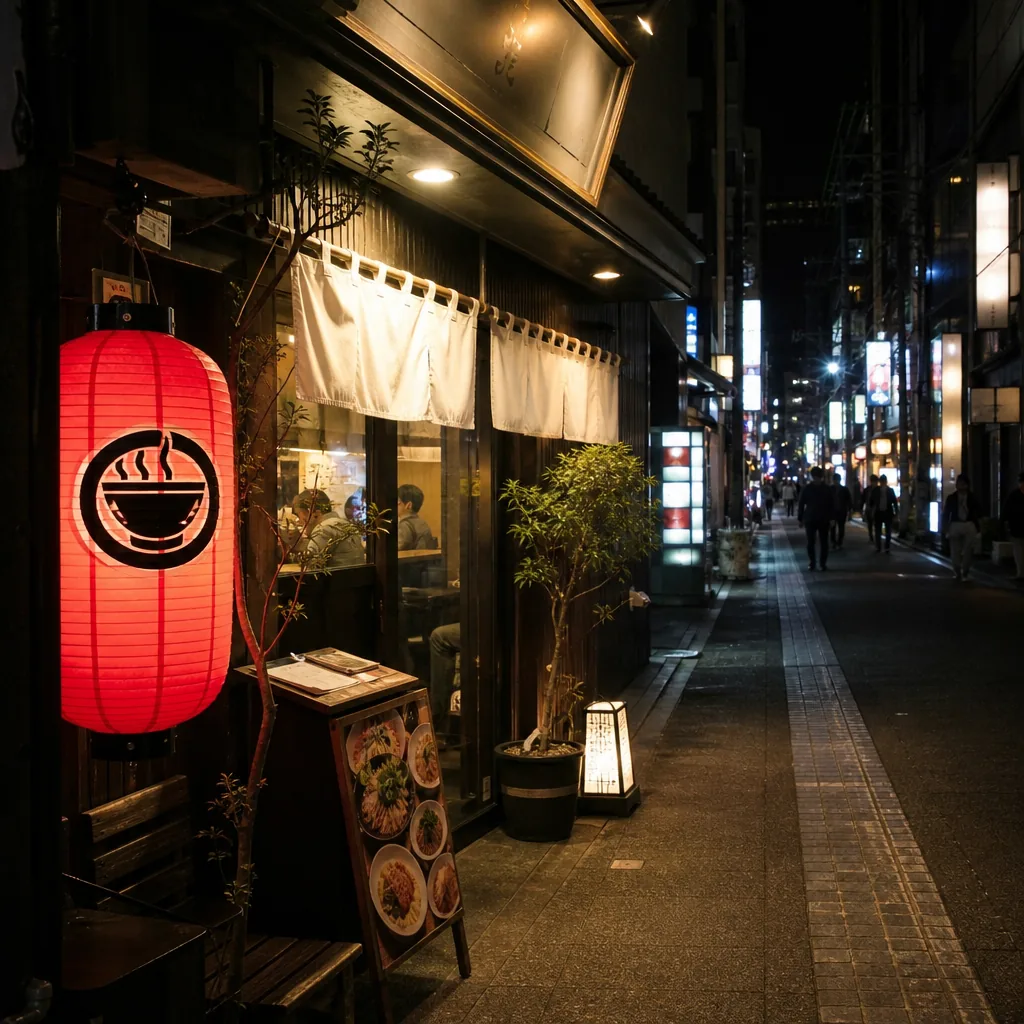
Looking for halal ramen in Kyoto after 10 p.m.? Here’s where to check, which areas are most practical, and how to verify hours and halal status.
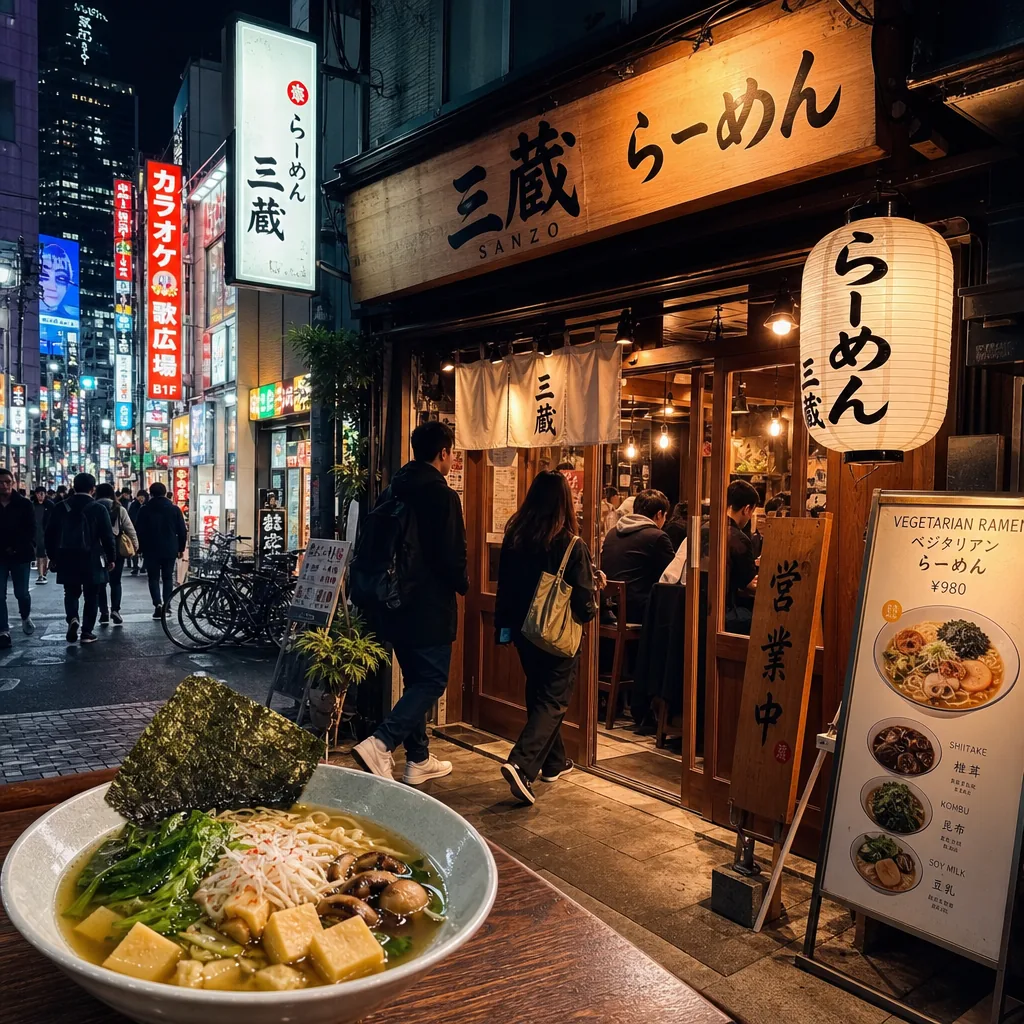
Find late-night vegetarian ramen in Tokyo by focusing on Shibuya, Shinjuku, and Roppongi, then verify broth, hours, and vegan menu details.