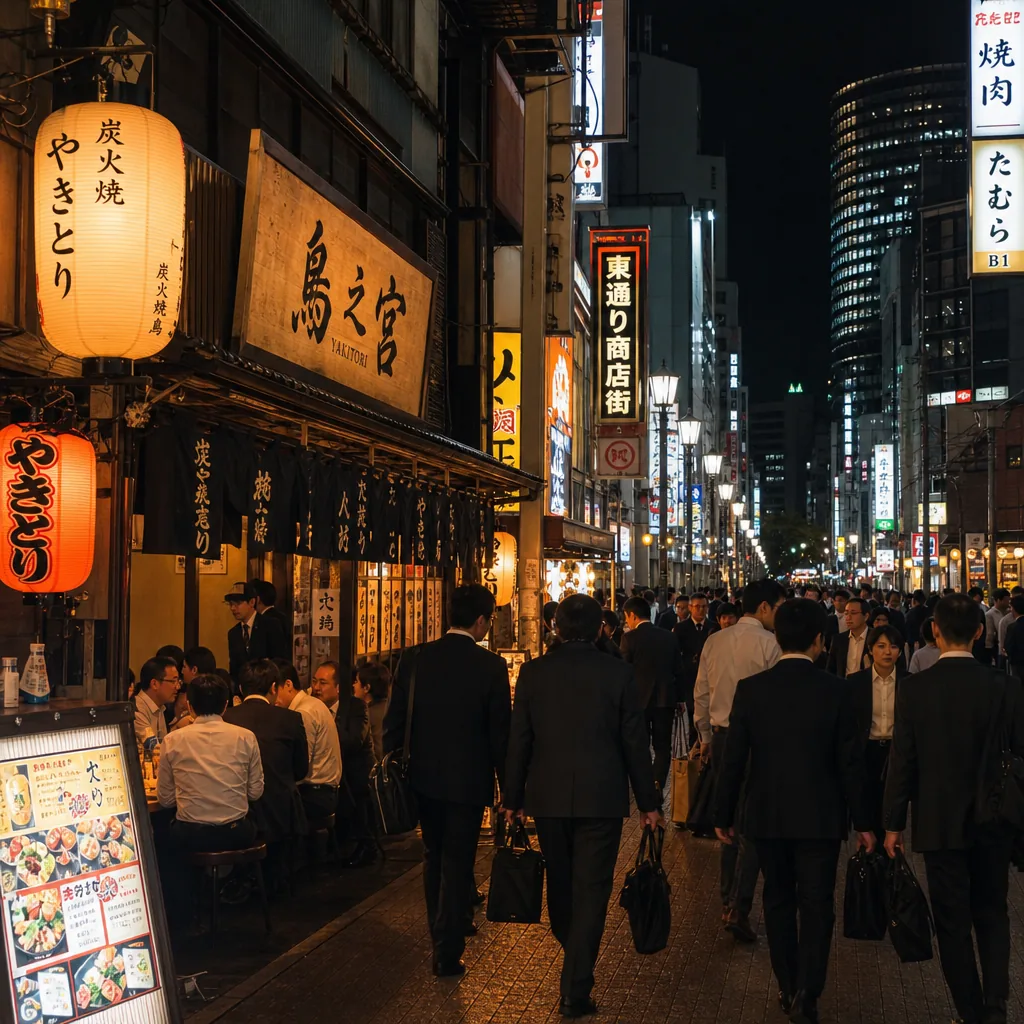
Where can I find english-friendly yakitori in Osaka after work?
Find English-friendly yakitori in Osaka after work by targeting Umeda, Namba, and Honmachi, plus booking sites and multilingual menus.
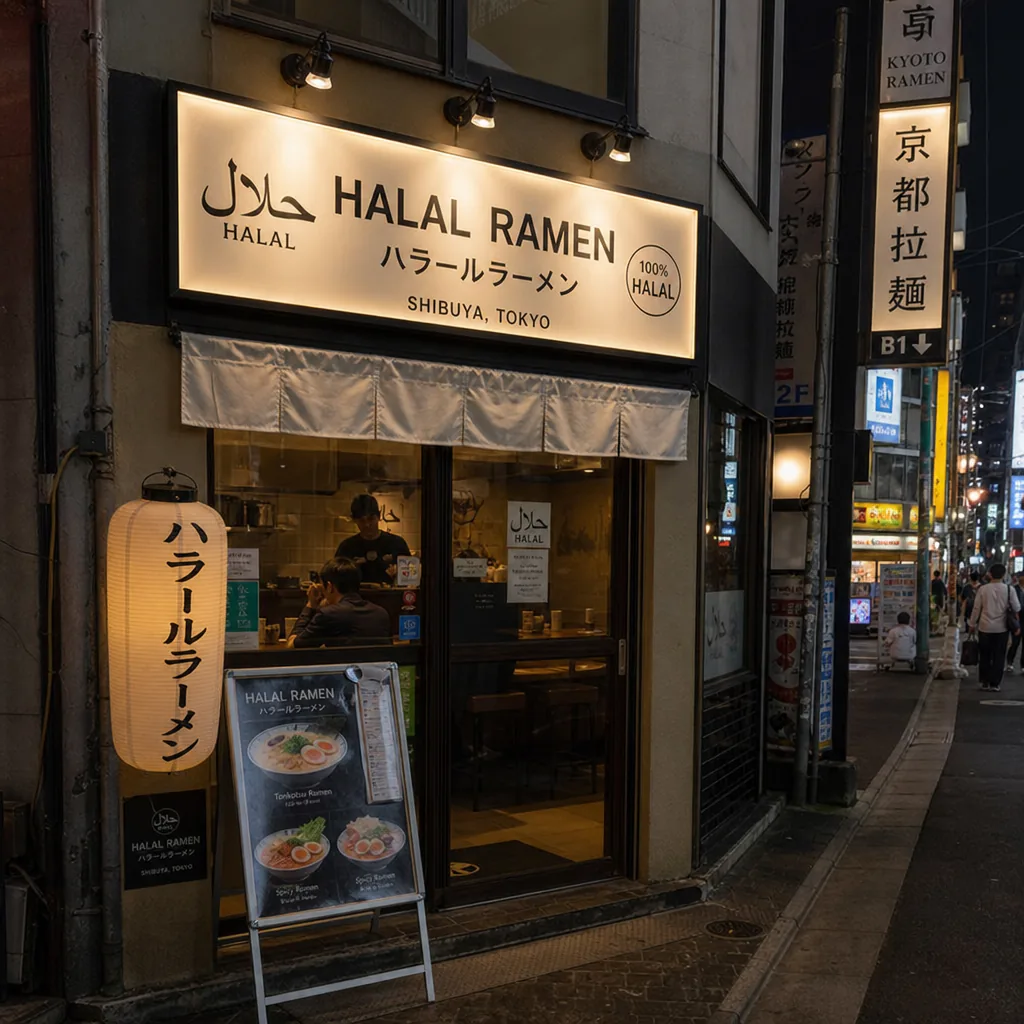
If you are looking for halal ramen near Shibuya in Tokyo, the short answer is that options exist, but the densest halal ramen choices are usually a few train stops away rather than inside Shibuya itself. The most practical approach is to use Tokyo’s Muslim-friendly restaurant guides to find a verified ramen shop nearby, then plan Shibuya sightseeing around that meal [1][2][4].
In Tokyo, “halal ramen” can mean different levels of compliance, so it is important to read the restaurant’s description carefully. Some shops use halal-certified meat, alcohol-free broth, and separate utensils and cooking surfaces, while others are only “Muslim-friendly” and may still serve non-halal items on the same premises [1][4].
Tokyo tourism resources recommend checking the full list of ingredients and preparation methods before you go, especially for broth, toppings, and seasonings that may contain pork, mirin, or cooking alcohol [1][4]. That matters because ramen is often built around ingredients that are not automatically halal, so a quick label check is not enough.
Shibuya is best known for shopping, nightlife, and landmark crossings, not for having the city’s largest concentration of halal ramen shops. The Tokyo Convention & Visitors Bureau’s Muslim-friendly restaurant guide and Halal Gourmet Japan both show that many of the more established halal ramen options are in other central Tokyo districts, which are still easy to reach from Shibuya by train [1][2].
One practical example is Honolu, which appears in Halal Gourmet Japan’s Tokyo halal ramen listings and is often used by visitors looking for certified or clearly halal-friendly ramen in central Tokyo [2]. Another useful stop is Naritaya, also listed in halal ramen guides for Tokyo, where the ramen is designed for Muslim diners and is commonly discussed by travelers searching for reliable halal noodle shops [2]. A third name to know is Asakusa’s Halal Wagyu Ramen, which is frequently included in Tokyo Muslim-friendly dining resources and shows how many halal noodle options cluster outside Shibuya’s immediate core [1][2].
For expats staying in or near Shibuya, the main takeaway is simple: you may need to accept a short ride to areas such as Shinjuku, Asakusa, or other central neighborhoods to get a wider choice of halal ramen, then return to Shibuya afterward for shopping or late-night plans [1][2][5]. 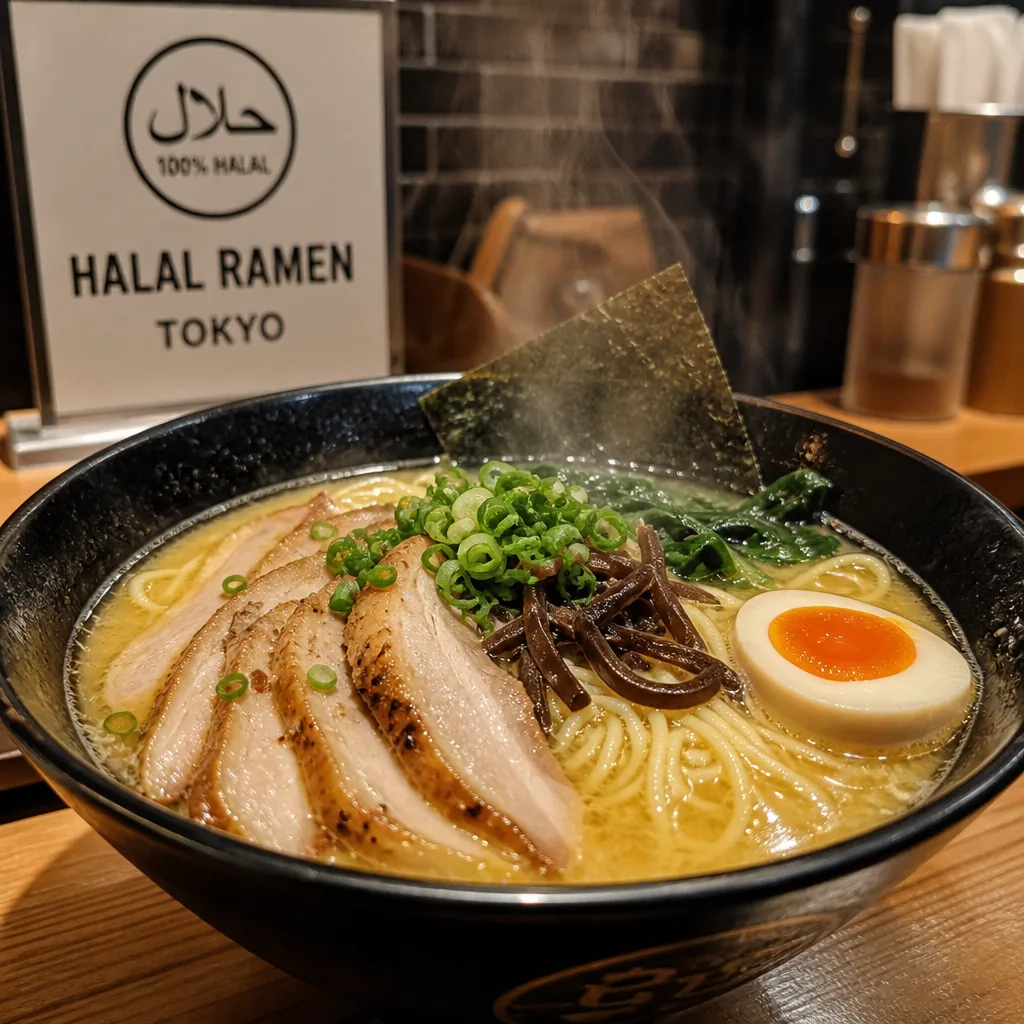
Before going, check whether the restaurant is listed by an official or widely used guide. The Tokyo Metropolitan Government offers multilingual tourism information, and JNTO’s Muslim-friendly travel pages both advise travelers to confirm the restaurant’s current policies because menus, suppliers, and operating practices can change [3][4].
Use this quick checklist:
Tokyo tourism sites also note that some restaurants are “Muslim-friendly” rather than fully halal, which is useful if you are flexible but still want to avoid pork and alcohol as much as possible [1][4]. If you want strict halal compliance, treat that wording as a signal to verify more carefully rather than assuming full certification.
If you are staying in Shibuya, the easiest strategy is to search for halal ramen in advance and map the route from your hotel or apartment. Because Shibuya Station is a major transit hub, many visitors simply make ramen a lunch stop in another district and then return to Shibuya for the evening [3][5].
A few practical points help avoid disappointment:
Shibuya’s tourism information is still worth using even if the ramen itself is elsewhere, because it helps you plan a smooth day around nearby stations, walking routes, and return transport after dinner [5]. For expats who want a low-stress first visit, that combination of a verified halal meal and a convenient Shibuya base is often the best balance.
If your first choice is booked or crowded, do not assume you are out of options. Tokyo’s Muslim-friendly restaurant directories include a broader range of noodle and Japanese dining spots, so you can often switch to another verified ramen place in a nearby district rather than waiting in Shibuya [1][2][4].
Good backup options include:
If your schedule is tight, that flexibility matters. Tokyo’s official and semi-official guides are the most reliable starting points because they are designed to be updated as restaurant policies change [1][3][4].
For expats specifically, the most realistic plan is to treat Shibuya as your base and halal ramen as a nearby excursion. That way you can enjoy the neighborhood without compromising on what you eat, and you will have a better chance of finding a place that matches your level of halal observance [1][2][4].
CallButler is a multilingual concierge service that handles research, coordination, and bookings so you do not have to navigate language barriers or unfamiliar systems alone. If you need help related to Where can expats find halal ramen in Tokyo near Shibuya? or the tasks around it, our team can step in to manage the details and keep things moving smoothly.
Find English-friendly yakitori in Osaka after work by targeting Umeda, Namba, and Honmachi, plus booking sites and multilingual menus.
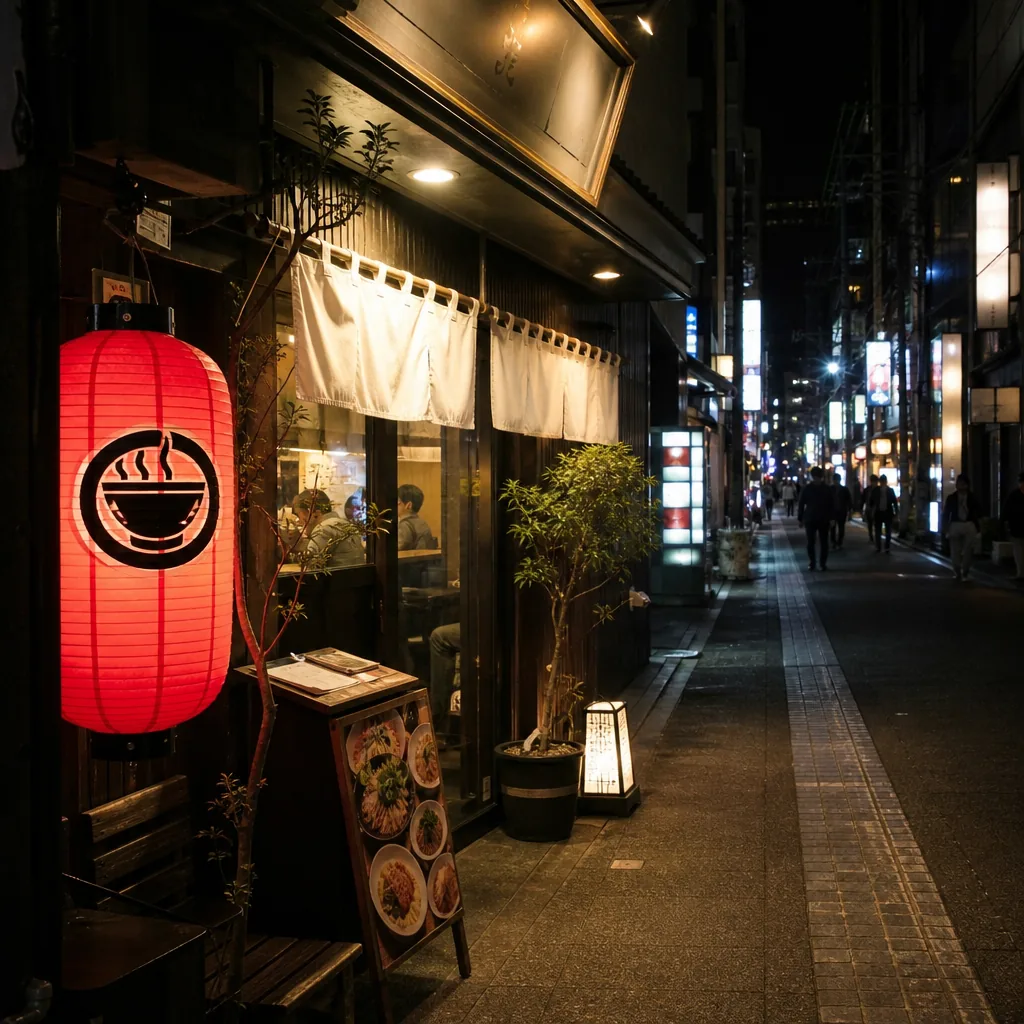
Looking for halal ramen in Kyoto after 10 p.m.? Here’s where to check, which areas are most practical, and how to verify hours and halal status.
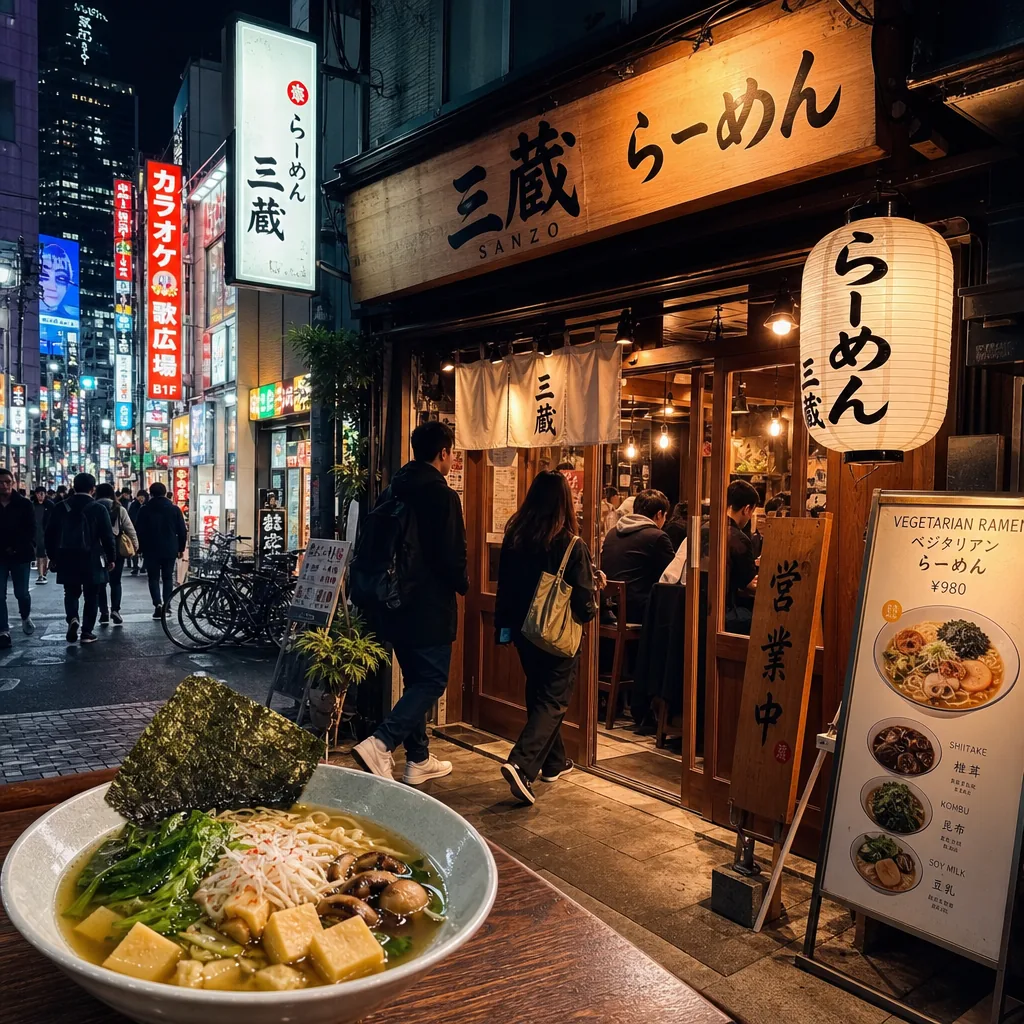
Find late-night vegetarian ramen in Tokyo by focusing on Shibuya, Shinjuku, and Roppongi, then verify broth, hours, and vegan menu details.