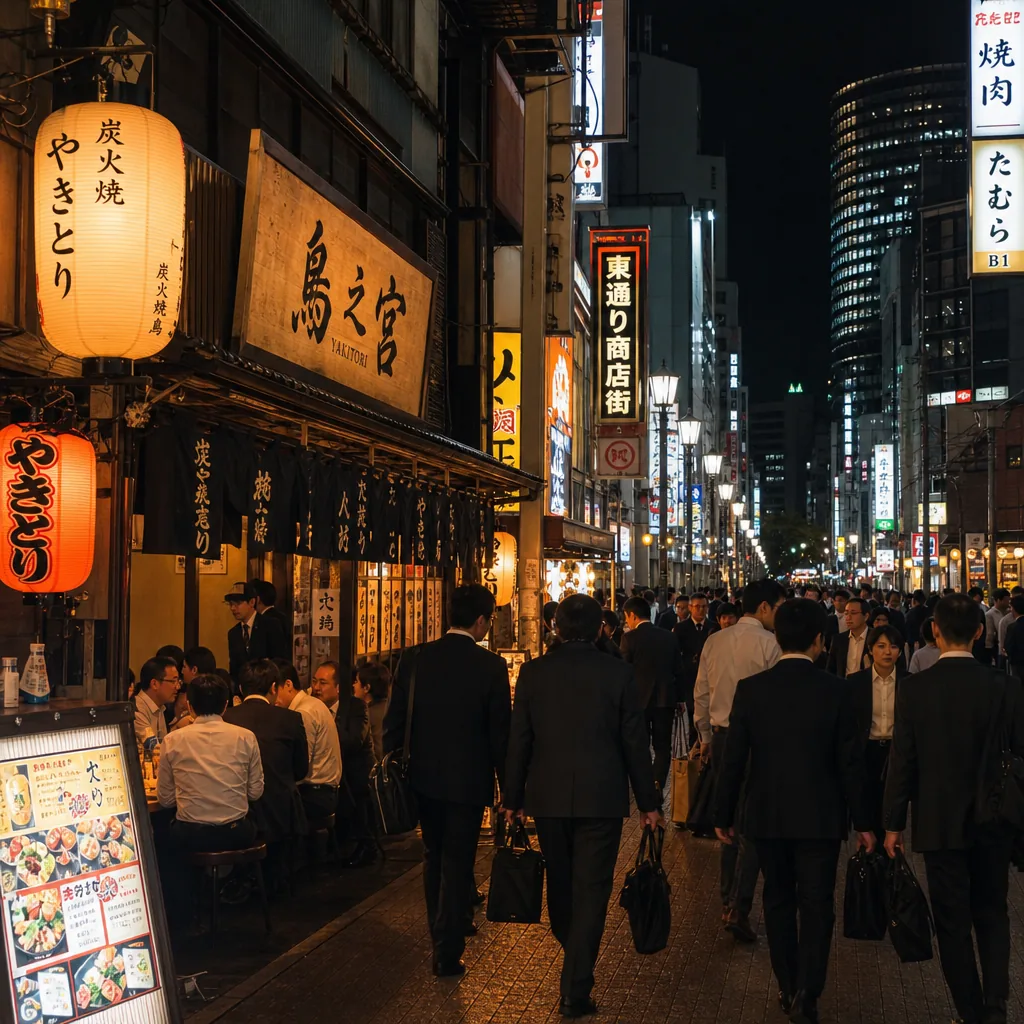
Where can I find english-friendly yakitori in Osaka after work?
Find English-friendly yakitori in Osaka after work by targeting Umeda, Namba, and Honmachi, plus booking sites and multilingual menus.
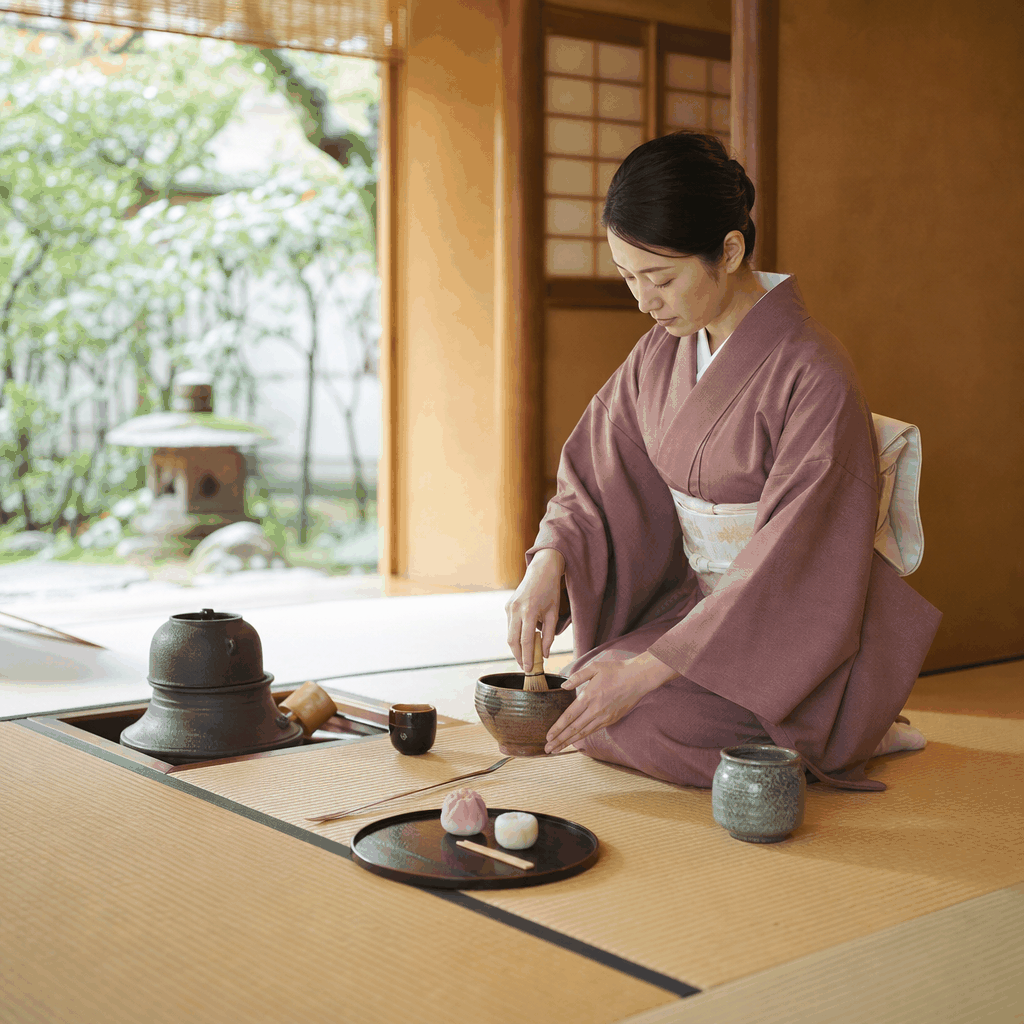
A Kyoto tea ceremony is usually a calm, highly ritualized experience centered on matcha, seasonal sweets, and the host’s careful hospitality. You can expect a quiet tea room, guidance on how to sit and receive the bowl, and a pace that feels more meditative than theatrical [1][4].
In Kyoto, tea ceremony is closely tied to the city’s history of Zen temples, traditional arts, and long-established tea schools. Many visitor-friendly experiences are designed to introduce beginners to the essentials: entering a tea room, observing the host’s movements, eating a sweet, and drinking matcha in a prescribed way [1][3][4].
Kyoto is one of the best places in Japan to experience this tradition because the city actively promotes tea culture as part of its tourism offer, and many venues welcome first-time guests with explanations in English [1][5].
While ceremonies vary by school and venue, a typical guest experience in Kyoto follows a predictable sequence [1][4].
Arrive and remove your shoes before entering the tea room or tatami area.
Wait for the host’s instructions, then sit where directed, often on tatami mats.
Receive a Japanese sweet before the tea; this is common in visitor-oriented ceremonies and helps balance the matcha’s bitterness [1][2].
Observe the host preparing the tea with measured, repeated movements.
Accept the bowl with both hands, follow the host’s guidance, and drink the tea slowly.
Return the bowl as instructed and thank the host.
At venues associated with established tea culture, such as the Urasenke Foundation, the emphasis is on the ritual itself rather than speed or performance [4]. For visitors, that means you should expect pauses, silence, and careful attention to detail rather than a talkative demonstration.
The easiest rule is to follow the host’s lead. Kyoto tea rooms are formal, and guests are expected to stay quiet, watch closely, and move deliberately [1][4].
Remove your shoes when entering the tea room or tatami space.
Do not speak loudly or interrupt the host.
Accept the sweet and the tea when offered, rather than starting on your own.
Turn the bowl before drinking if instructed; this is a standard courtesy in tea ceremony practice [2][4].
Avoid placing your lips on the front of the bowl; many hosts will explain which side to use [2].
If you are unsure what to do, it is better to pause and watch others than to guess. Kyoto venues that cater to tourists often explain each stage in English, so you do not need prior experience to participate comfortably [1][5].
Wear tidy, modest clothing that is easy to sit in, and choose socks without holes since you may be asked to remove your shoes. Because many tea rooms use tatami seating, you may need to sit on the floor, kneel, or sit cross-legged depending on the venue and your comfort level [1][2].
Accessibility varies. Some Kyoto experiences are held in traditional settings where floor seating is standard, while others adapt for visitors by offering chairs or shorter sessions. If you have knee, hip, or mobility concerns, ask in advance rather than assuming the room will be easy to navigate. Kyoto tourism information notes that many tea ceremony options are visitor-friendly, but the physical setup still depends on the specific venue [1][5].
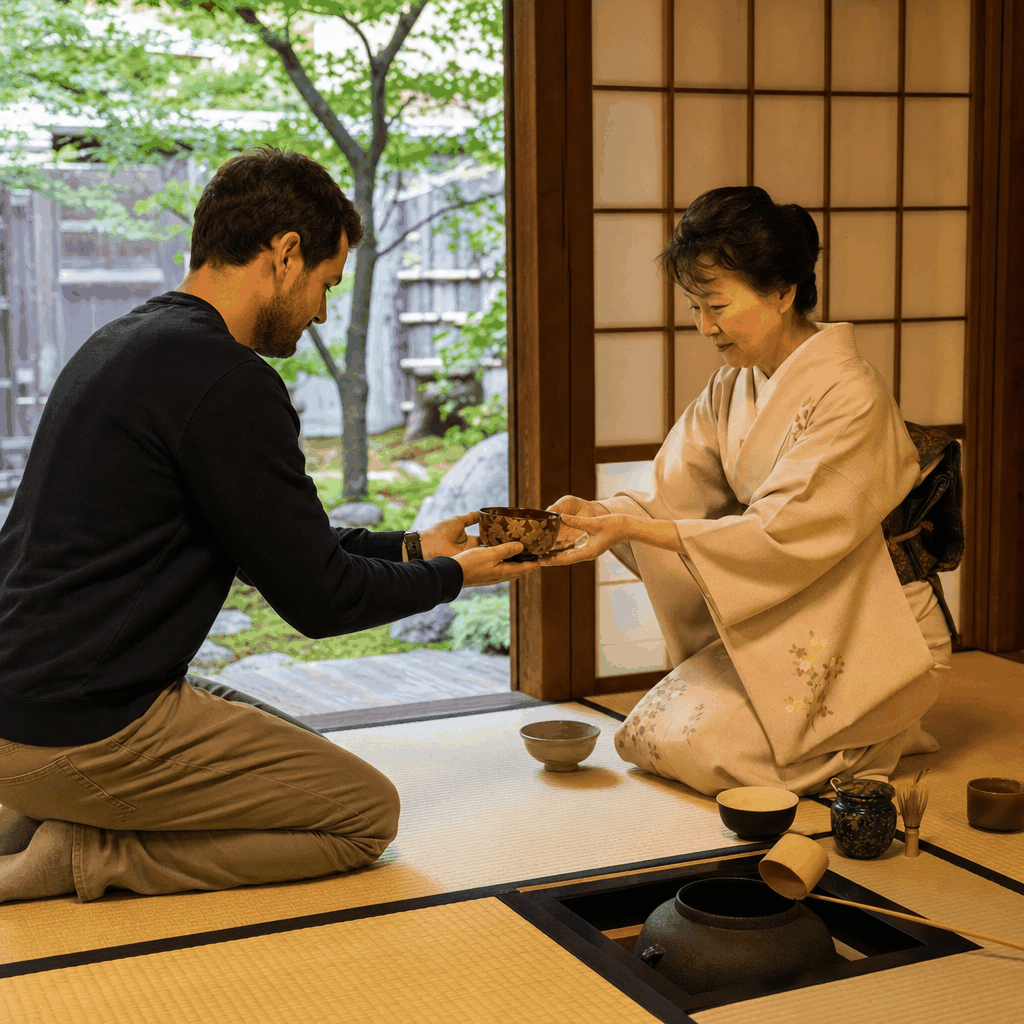
Kyoto’s tea culture is especially connected to historic schools, temple traditions, and neighborhood tea experiences, so the atmosphere can feel more rooted in heritage than in cities where tea ceremony is primarily staged for sightseeing. The city’s tea offerings often highlight matcha and seasonal sweets in a setting that reflects Kyoto’s long association with traditional arts [1][3][4].
For example, a visitor experience in central Kyoto may focus on easy-to-follow etiquette and explanation, while a more formal program connected to a major tea school may place greater emphasis on precise form and the philosophy behind the practice [4]. Kyoto City Tourism Association materials also make clear that tea ceremony is part of the city’s broader cultural identity, not just a standalone activity for tourists [1][5].
That means you should expect variety. In Gion or Higashiyama, you may find compact cultural experiences built for first-time visitors, while in places associated with tea education or historic instruction, the ceremony may feel more serious and less conversational [1][4].
If this is your first tea ceremony in Kyoto, the best preparation is simple and specific.
Book ahead, especially for English-language sessions, since visitor-friendly programs can fill quickly [1][5].
Arrive a little early so you have time to remove shoes and settle in.
Bring an open mind; the ceremony is meant to be quiet, seasonal, and reflective [3][4].
Ask whether photos are allowed before taking any pictures.
Let the host know if sitting on the floor will be difficult.
For a practical Kyoto itinerary, combine your tea ceremony with nearby cultural stops so the experience fits the city’s historic districts naturally. A ceremony near Kiyomizu-dera, one in Gion, or a session connected to a traditional tea school can each offer a slightly different window into Kyoto’s tea culture, while still following the same core etiquette [1][4][5].
Most importantly, do not expect the experience to be rushed. A Kyoto tea ceremony is designed to slow you down, focus attention on the bowl in front of you, and make a small moment feel carefully prepared. If you follow the host’s cues, dress appropriately, and stay observant, you will be able to enjoy it even if it is your first time [1][2][4].
CallButler is a multilingual concierge service that handles research, coordination, and bookings so you do not have to navigate language barriers or unfamiliar systems alone. If you need help related to What should I expect at a tea ceremony in Kyoto? or the tasks around it, our team can step in to manage the details and keep things moving smoothly.
Find English-friendly yakitori in Osaka after work by targeting Umeda, Namba, and Honmachi, plus booking sites and multilingual menus.
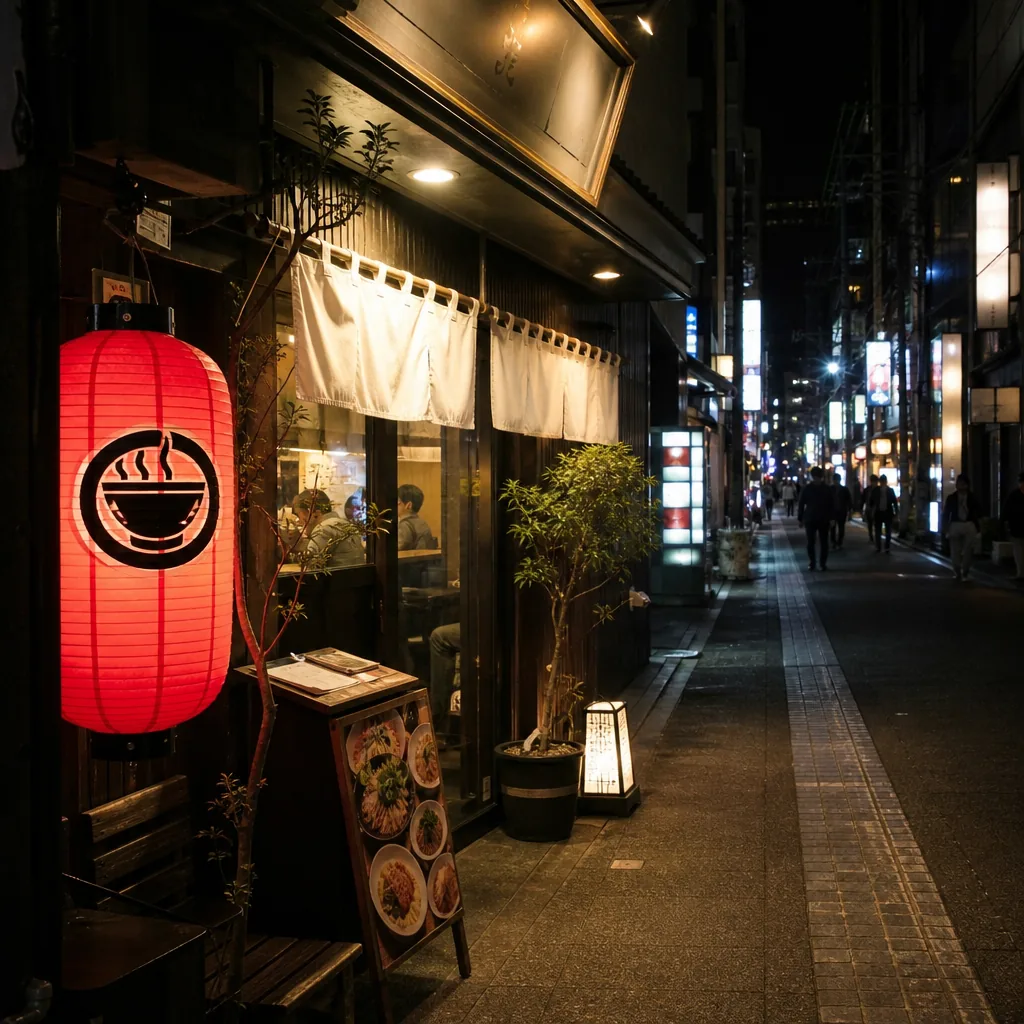
Looking for halal ramen in Kyoto after 10 p.m.? Here’s where to check, which areas are most practical, and how to verify hours and halal status.
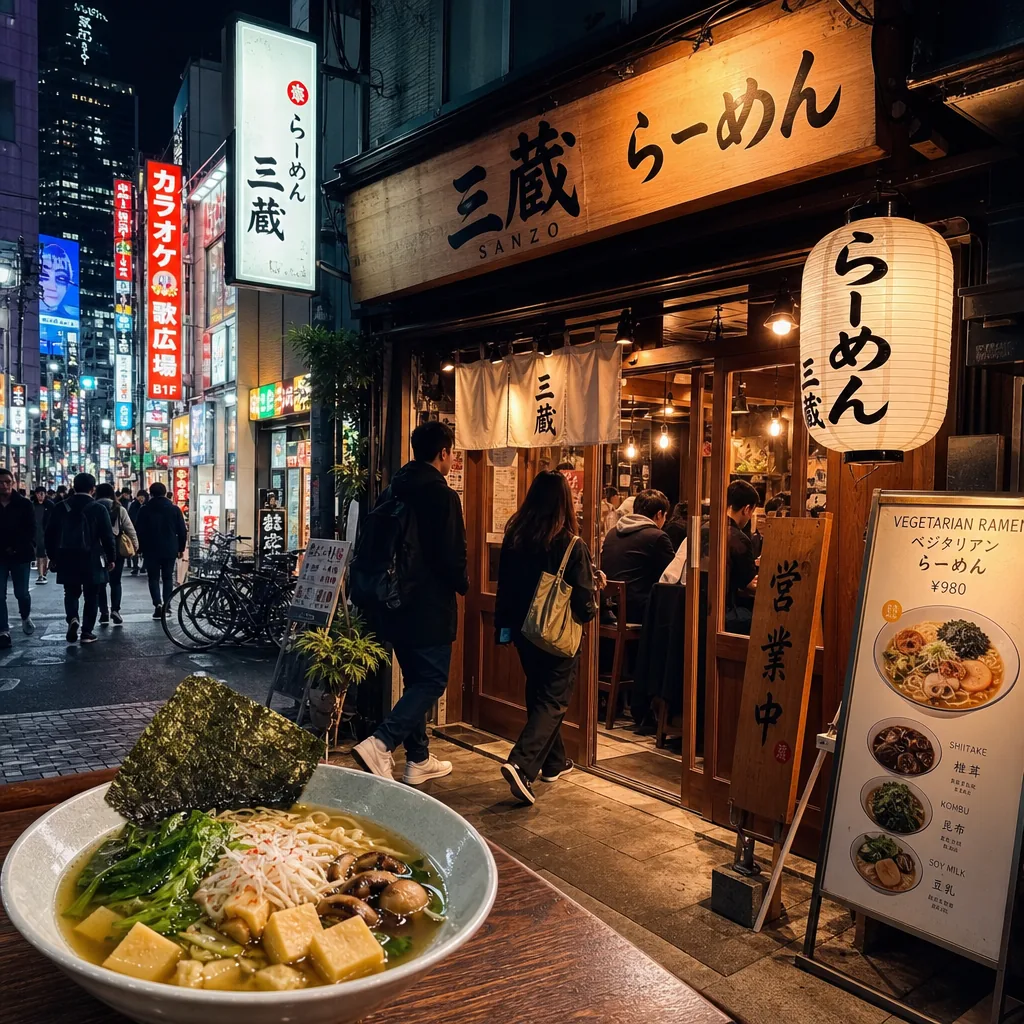
Find late-night vegetarian ramen in Tokyo by focusing on Shibuya, Shinjuku, and Roppongi, then verify broth, hours, and vegan menu details.