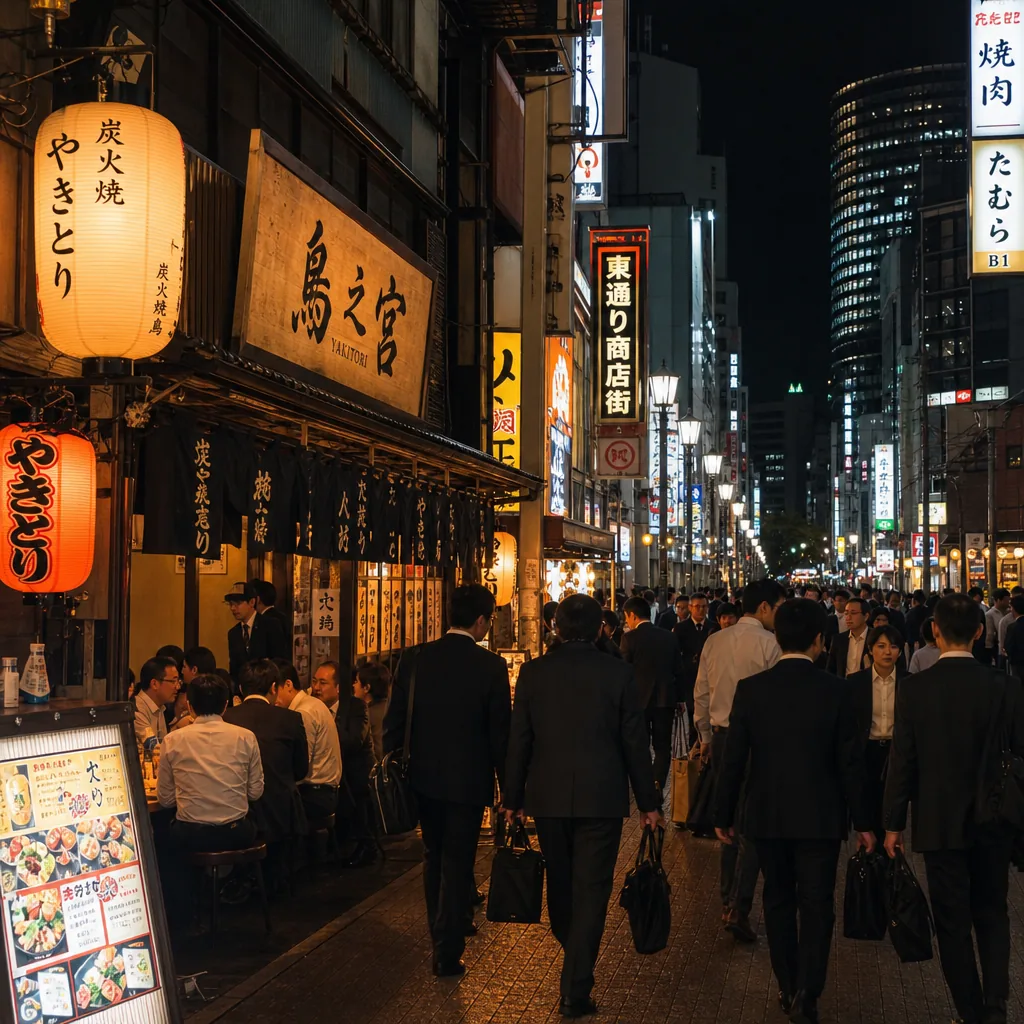
Where can I find english-friendly yakitori in Osaka after work?
Find English-friendly yakitori in Osaka after work by targeting Umeda, Namba, and Honmachi, plus booking sites and multilingual menus.
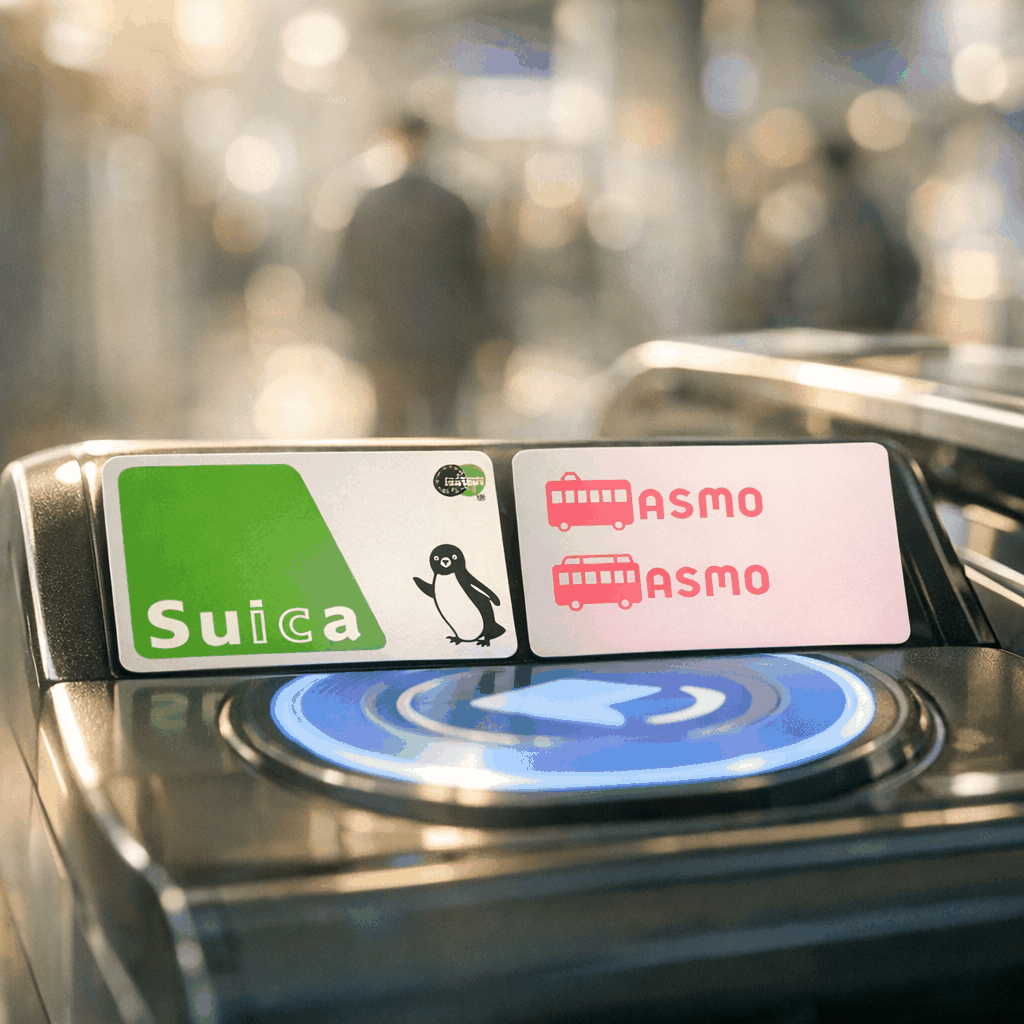
Short answer: for most travelers in Tokyo there is effectively no practical difference — Suica and PASMO are interoperable stored-value IC cards that work on JR East lines, Tokyo Metro, private railways and city buses, and at many shops and vending machines. The differences are mainly issuer/brand (JR East vs. the private-operator PASMO consortium), where you buy or refund the card, and a few issuer-specific products like JR East’s Welcome Suica or PASMO’s mobile options [1][2][3].
Both Suica (issued by JR East) and PASMO (issued by a consortium of private rail and bus operators) are rechargeable contactless IC cards used as transit fares and electronic money across Tokyo and much of Japan. They store a balance you tap at ticket gates and on buses, and they can be used at many convenience stores, vending machines and kiosks that accept IC payments [1][2][3]. Tokyo Metro and Toei accept both cards on their ticket gates and turnstiles, so you don’t need one specific card to ride subways run by different operators in Tokyo [4][5].
Practical differences are limited but useful to know:
Buy a physical Suica at JR East ticket machines or JR service counters; buy PASMO from private railway or bus operator ticket machines and station counters in the PASMO network. Both card types are widely available at major stations and ticket machines across Tokyo [1][2]. You can top up (add value) at ticket machines, fare adjustment machines, ticket office counters, and many convenience stores—Tokyo Metro and the Tokyo Metropolitan Bureau of Transportation note that standard IC top-up points are common across stations [3][4][5].
Tap the same card at gates and on buses; interoperability means Suica and PASMO are accepted the same way on JR East lines, Tokyo Metro lines, private railways and Toei buses/subway services [1][2][3][4][5]. For example, you can use either card on Tokyo Metro gates, on a Toei Bus, or at convenience stores that display IC acceptance — the experience is identical for fare payment and most e-money purchases [3][4][5].
If you prefer not to carry plastic, both issuers support mobile solutions. JR East documents Mobile Suica and how to add Suica to compatible Apple/Android wallets; PASMO provides a mobile PASMO service and guidance for non-Japanese smartphones on its visitors’ page. Check device compatibility and follow the issuer setup guides before travel if you want a phone-based card rather than plastic [1][2].
Standard plastic Suica and PASMO cards include a 500 JPY deposit (refundable under each issuer’s rules) — both JR East and PASMO sites advise customers to check refund procedures and where to return a card if you want the deposit back before leaving Japan [1][2][3]. JR East’s Welcome Suica is a short-stay option tailored for inbound travelers; PASMO’s visitor pages describe how visitors can obtain and use PASMO and links to mobile options [1][2].
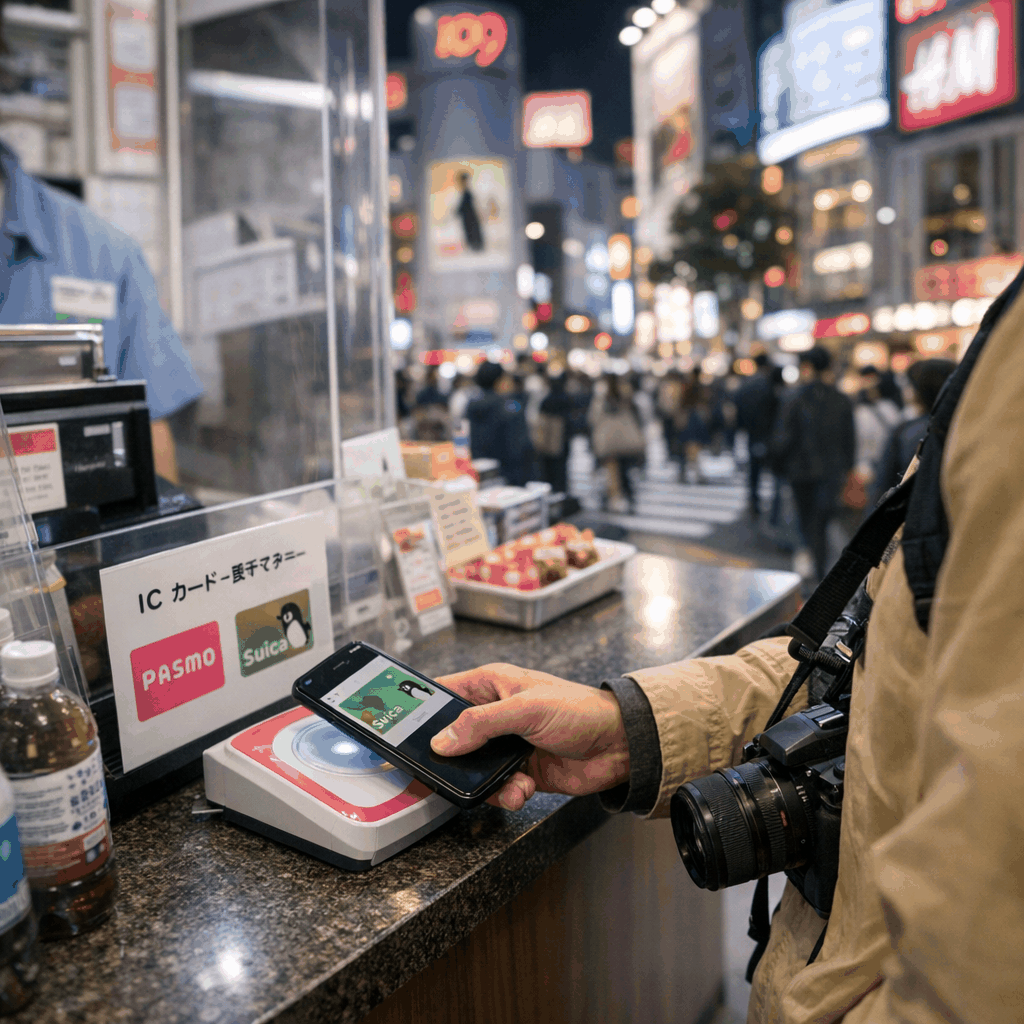
For official, up-to-date details consult JR East’s Suica overview, PASMO’s visitors page, and the Japan National Tourism Organization’s IC card guide. Also see Tokyo Metro’s IC tips and the Tokyo Metropolitan Bureau of Transportation page for Toei services to confirm station details and device compatibility [1][2][3][4][5].
CallButler is a multilingual concierge service that handles research, coordination, and bookings so you do not have to navigate language barriers or unfamiliar systems alone. If you need help related to What is the Suica Pasmo difference for travelers in Tokyo? or the tasks around it, our team can step in to manage the details and keep things moving smoothly.
Find English-friendly yakitori in Osaka after work by targeting Umeda, Namba, and Honmachi, plus booking sites and multilingual menus.
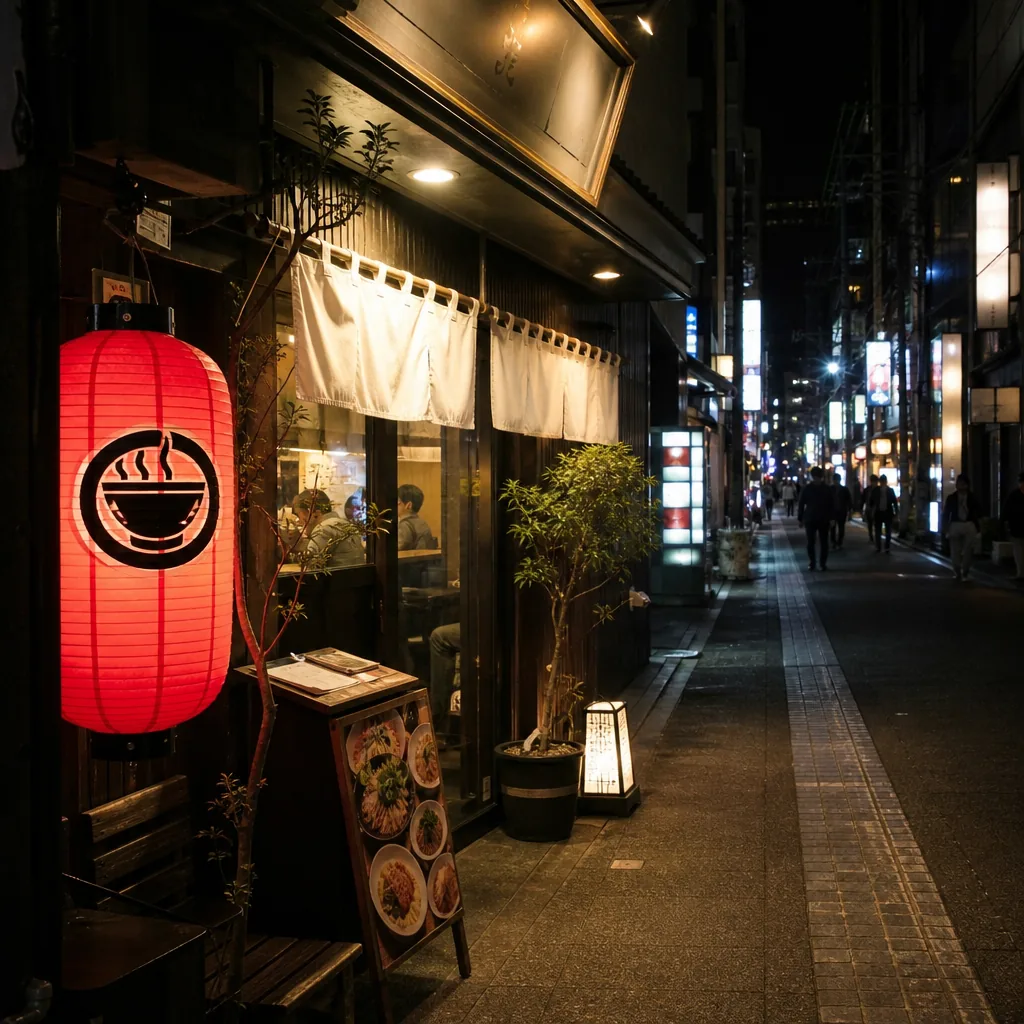
Looking for halal ramen in Kyoto after 10 p.m.? Here’s where to check, which areas are most practical, and how to verify hours and halal status.
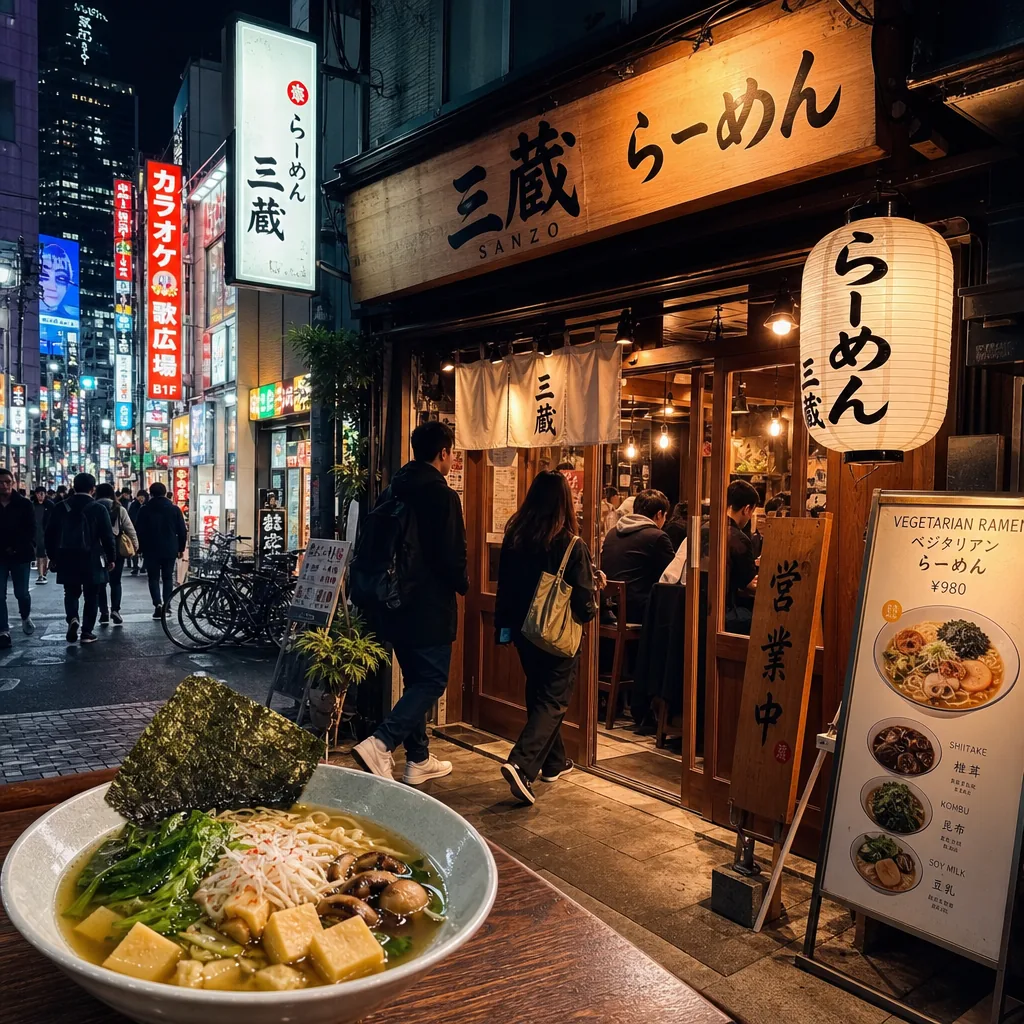
Find late-night vegetarian ramen in Tokyo by focusing on Shibuya, Shinjuku, and Roppongi, then verify broth, hours, and vegan menu details.