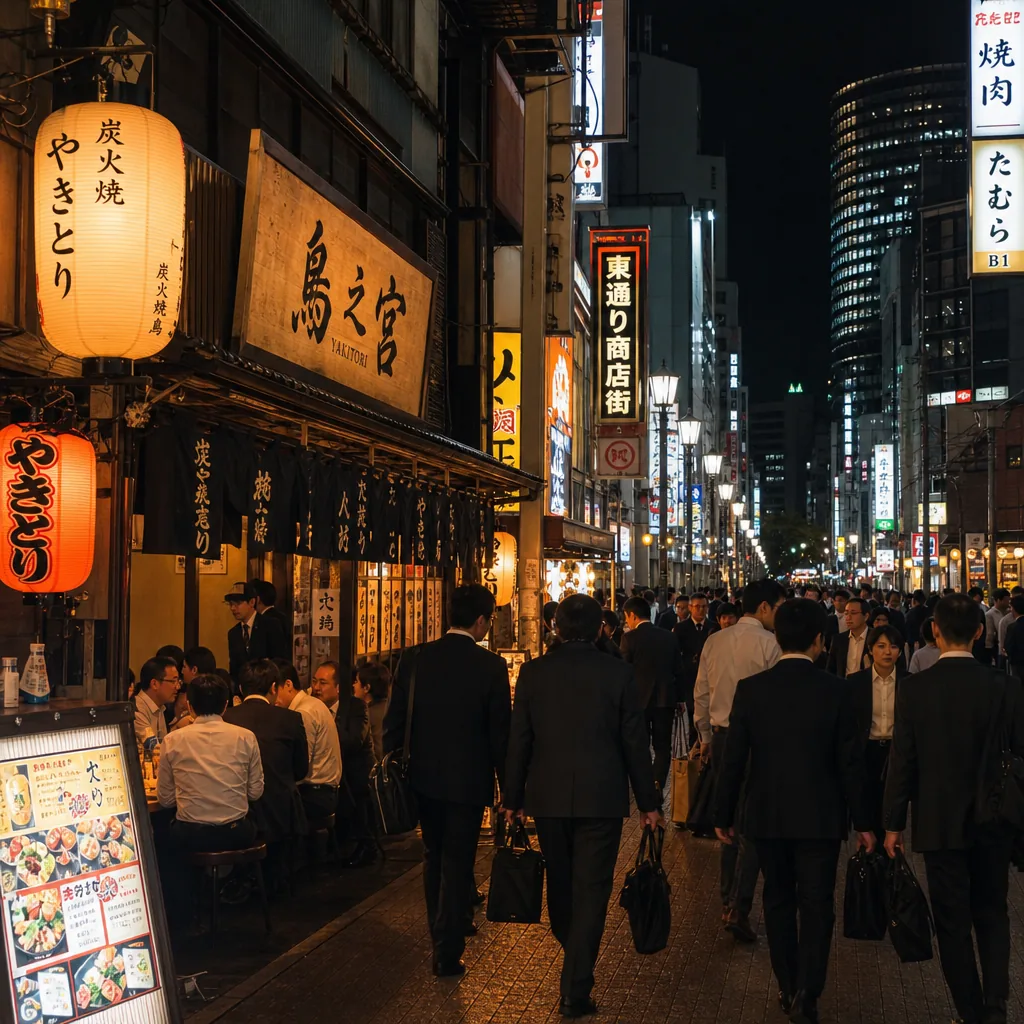
Where can I find english-friendly yakitori in Osaka after work?
Find English-friendly yakitori in Osaka after work by targeting Umeda, Namba, and Honmachi, plus booking sites and multilingual menus.
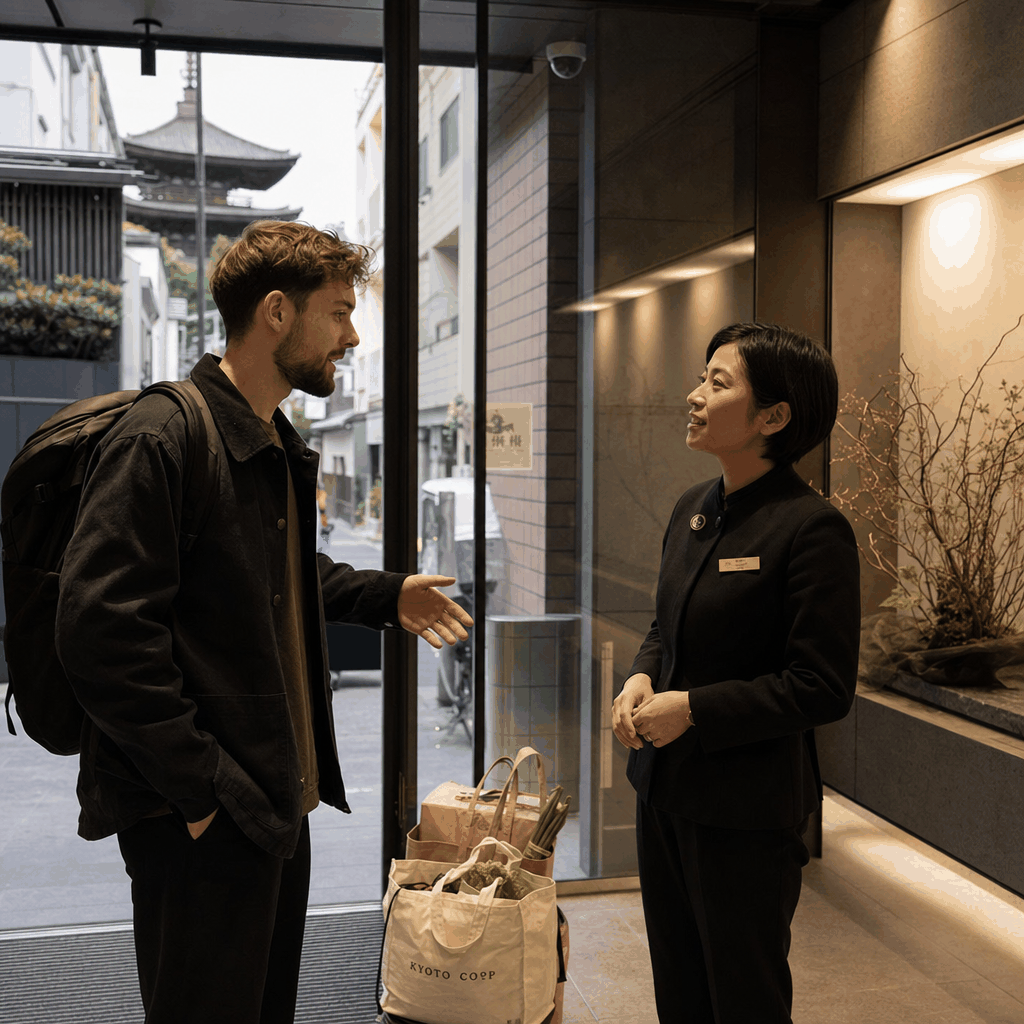
Yes, a concierge in Kyoto can sometimes help with grocery delivery, but usually only with coordination, explanation, or building access—not by fully placing the order for you. In most cases, the foreign resident still needs to register with a supermarket or app-based service, choose items, and manage payment and delivery details themselves.
In Kyoto apartments, serviced residences, and some hotels with long-stay support, a concierge may be able to explain how delivery works, point you to the right website, or tell you when a delivery can be received. However, grocery ordering is generally the customer’s responsibility unless the building or service explicitly offers order placement support.
That distinction matters because grocery platforms usually require the shopper to select products, confirm delivery slots, and complete checkout. A concierge can help you understand the process, but they typically do not replace you as the account holder or purchaser. If the building has reception rules, the concierge may also help coordinate where packages are left and whether chilled items can be accepted.
For foreign residents, this is often most useful when the concierge is helping with Japanese-language instructions or explaining local building procedures. Kyoto City and the Kyoto City International Foundation both provide resident guidance and multilingual support resources that can help you navigate daily-life services more smoothly [1][2].
Kyoto residents have several practical grocery options that do not depend on a concierge. Supermarket delivery services and online shops are available through major retailers, including Fresco Net Supermarket Delivery, AEON Net Supermarket, and Rakuten Seiyu Netsuper [3][4][5]. These services are useful if you want scheduled home delivery instead of carrying groceries back from a store.
Fresco Net Supermarket Delivery is a Kyoto-relevant option because Fresco operates in the Kansai area and offers online grocery purchasing through its delivery service [3]. AEON Net Supermarket and Rakuten Seiyu Netsuper also operate online grocery ordering systems with home delivery in covered service areas [4][5]. For many foreign residents, these platforms are the most direct way to order groceries because they let you browse, add items, and set delivery timing yourself.
If you live near a branch in neighborhoods such as central Kyoto, Sakyo, or Ukyo, some stores may also support same-day or scheduled delivery depending on the service area and time of order. The exact delivery window and fee structure depend on the retailer, so it is important to confirm your address is within the covered zone before relying on the service.
The biggest barriers are usually not the groceries themselves, but account setup and language. Some services require registration with a Japanese address, and in some cases a Japanese phone number or Japanese-language interface. That can be difficult for newcomers who have not yet finished setting up local utilities and mobile service.
Payment is another practical issue. Many Japanese grocery platforms are easiest to use when you have a cashless payment method already linked to your account. If your card is rejected or the website asks for Japanese account details, a concierge may be able to explain the page, but not resolve the underlying account requirements.
For residents who are still adjusting to life in Kyoto, it helps to start with services that clearly state their registration rules and supported payment methods before you place your first order. Kyoto City’s official information pages and the Kyoto City International Foundation are useful starting points for multilingual daily-life guidance [1][2].
Before choosing a grocery service, check the building’s reception rules. Some apartment buildings and serviced residences restrict where deliveries can be dropped off, whether refrigerated goods may be accepted, or which hours the front desk can receive items. If your concierge says a delivery can be received, ask whether that includes frozen or chilled groceries, because those are often treated differently from dry goods.
It is also smart to confirm whether the building expects the delivery driver to ring your apartment directly, leave the package at reception, or wait for you to come downstairs. In Kyoto, as in much of Japan, smooth delivery depends on clear instructions and respecting the building’s procedures. A concierge can help you understand those procedures, but they are not a substitute for reading the house rules.
For example, if you live in a managed residence near Kyoto Station or in a serviced apartment in downtown areas like Nakagyo, the front desk may have specific reception hours. In that case, schedule deliveries within those hours rather than assuming the concierge desk is staffed all day.
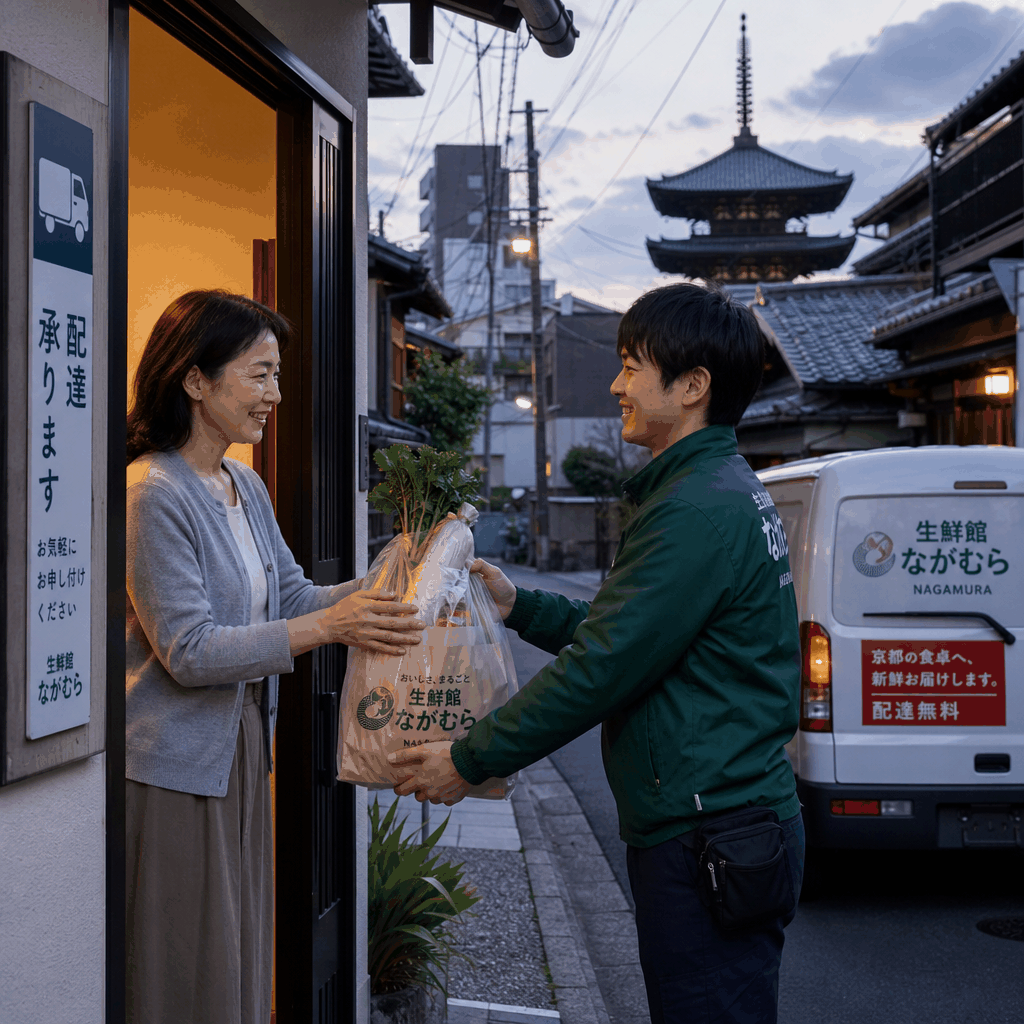
If you want to set up grocery delivery with concierge support, the easiest approach is to combine online ordering with building assistance. Start by confirming your building’s delivery policy, then choose a supermarket service that ships to your address in Kyoto, then ask the concierge only for help with explanation or reception details.
Here is a practical order of operations:
If registration is difficult, look first for services that are more app- or web-friendly and that clearly explain payment and delivery rules. Foreign residents often have a smoother experience when the service supports online ordering and cashless payment, because that reduces the need for in-person coordination.
For extra support, Kyoto City and the Kyoto City International Foundation both publish resident guidance that can help you understand local procedures and where to ask for language assistance [1][2]. If your concierge is helpful, use them as a bridge—not as the shopper. In Kyoto, the most reliable setup is usually: you place the order, the service delivers it, and the concierge helps the delivery fit the building’s rules.
CallButler is a multilingual concierge service that handles research, coordination, and bookings so you do not have to navigate language barriers or unfamiliar systems alone. If you need help related to Living in Kyoto as a foreigner: can a concierge set up grocery? or the tasks around it, our team can step in to manage the details and keep things moving smoothly.
Find English-friendly yakitori in Osaka after work by targeting Umeda, Namba, and Honmachi, plus booking sites and multilingual menus.
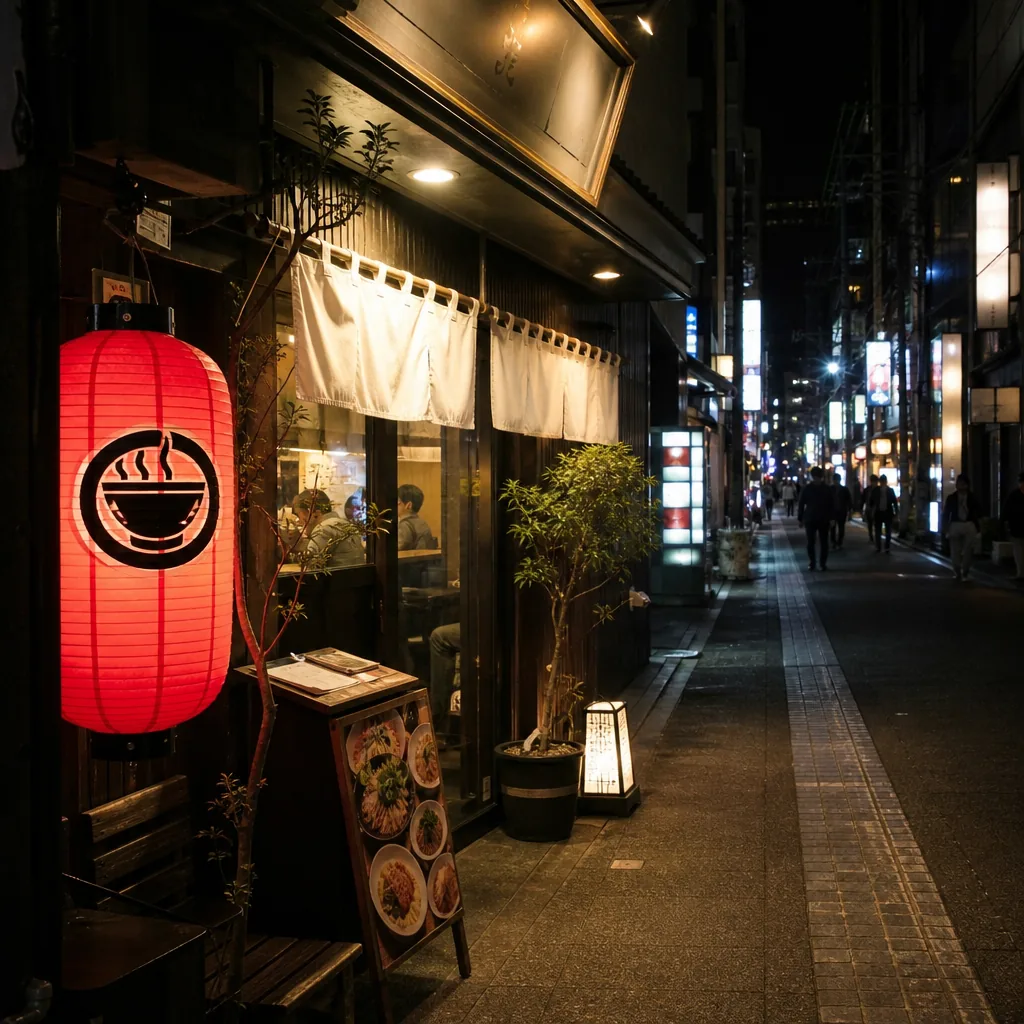
Looking for halal ramen in Kyoto after 10 p.m.? Here’s where to check, which areas are most practical, and how to verify hours and halal status.
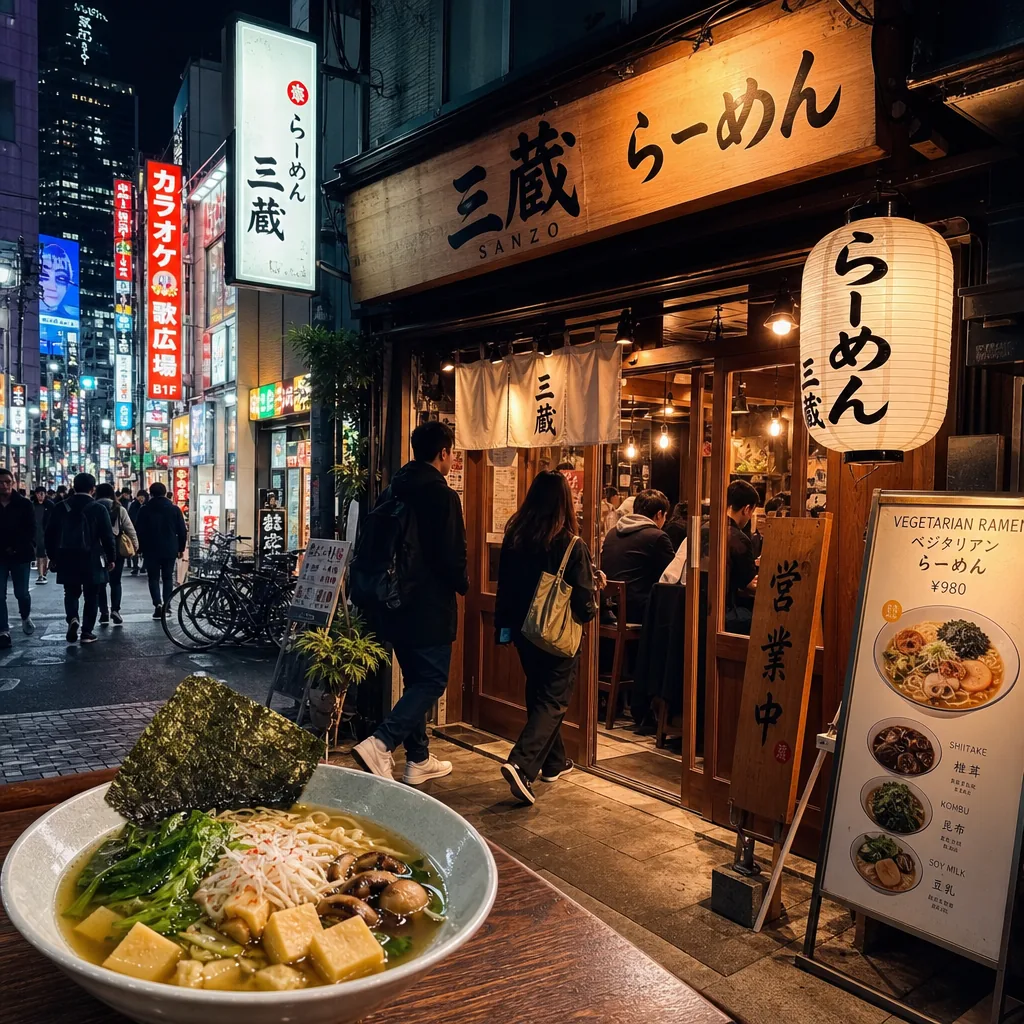
Find late-night vegetarian ramen in Tokyo by focusing on Shibuya, Shinjuku, and Roppongi, then verify broth, hours, and vegan menu details.