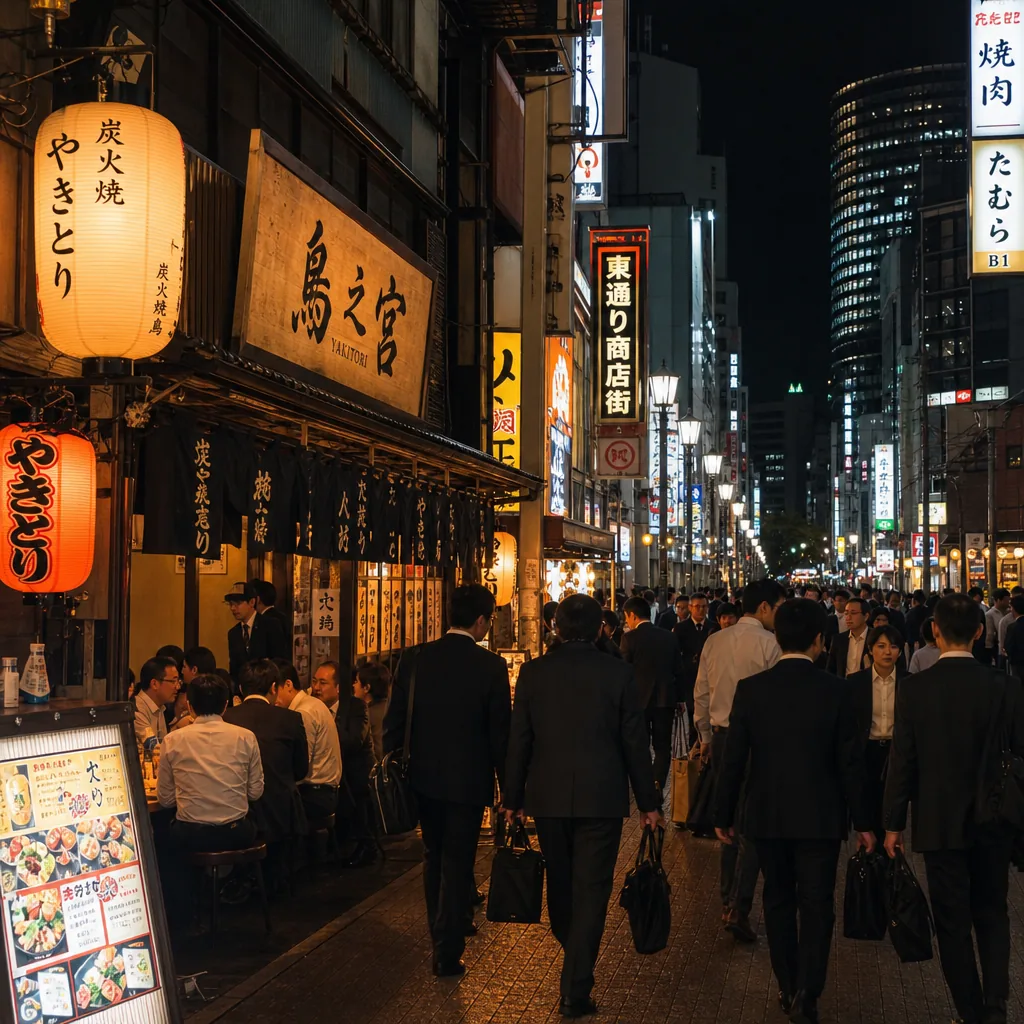
Where can I find english-friendly yakitori in Osaka after work?
Find English-friendly yakitori in Osaka after work by targeting Umeda, Namba, and Honmachi, plus booking sites and multilingual menus.
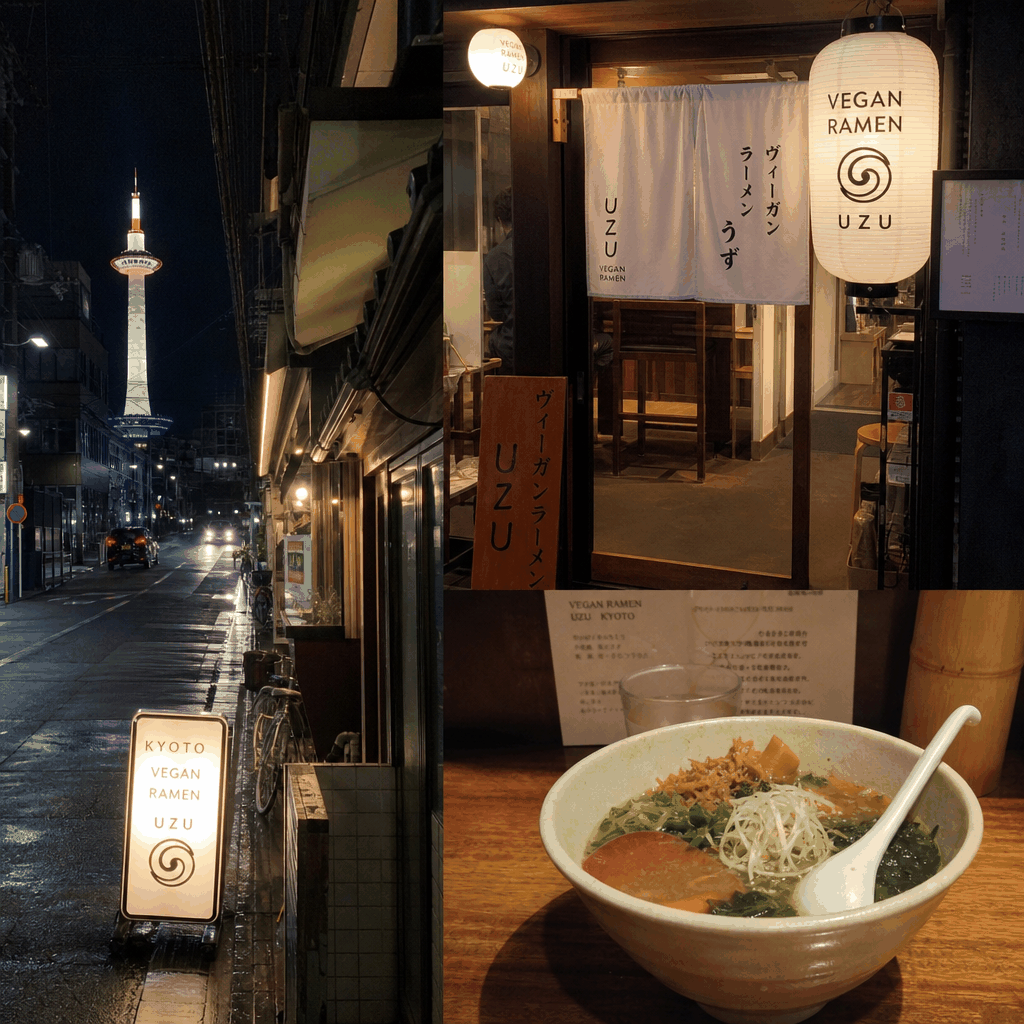
Where can expats find late-night vegetarian ramen in Kyoto? The short answer is: focus on central, transit-friendly areas like Kawaramachi, Gion, and Kyoto Station, but expect limited real late-night options. Kyoto has plenty of vegetarian and vegan dining compared with many cities, yet dedicated vegetarian ramen shops often close earlier than standard ramen counters, so checking hours before you leave is essential [1][3][4].
Kyoto is one of Japan’s strongest cities for vegetarian and vegan eating, but “late-night vegetarian ramen” is still a narrow niche. Kyoto Vegan Guide and HappyCow both list multiple plant-based ramen and noodle spots, yet many of them operate on daytime or dinner schedules rather than the deep-late hours common at mainstream ramen chains [3][4].
That means expats should not assume a ramen shop will be open after 10 p.m. just because it is in a busy district. The practical approach is to treat late-night vegetarian ramen as a planning exercise: identify two or three candidate shops, confirm the menu style, and then check the current closing time on the shop’s official site or social media on the same day you plan to go [3][4].
For nighttime access, Kyoto’s central districts are the safest bets. Kyoto City’s tourism resources emphasize major downtown and station-area neighborhoods as the easiest places for visitors to navigate, and that matters after dark because train and bus connections are simpler there [1][2].
Named venues and districts that repeatedly appear in Kyoto restaurant listings include Kyoto Station, Kawaramachi, and Gion, which are the easiest places to build a late-night search around [1][3][4]. If you are traveling alone late at night, staying near these commercial corridors is safer and simpler than heading to residential neighborhoods with sparse evening service.
In Japan, a dish can look vegetarian while still containing fish stock, bonito, chicken, or other animal-derived seasonings. That is especially important with ramen, because the broth is the core of the dish. Look for explicit labels such as “vegan,” “vegetarian,” or “plant-based” on the official menu, not just images or English descriptions [3][4].
The most reliable sources are the shop’s own website, official social media, and curated directories such as Kyoto Vegan Guide and HappyCow, which often note whether a restaurant is fully vegan, has vegetarian ramen, or offers limited plant-based items [3][4]. Restaurant aggregators such as Ramen Walker Kyoto can help you locate ramen venues, but you should still verify current hours and broth details directly with the shop before heading out [5].
Here is a practical verification routine:
Seasonal changes are common in Kyoto’s food scene, and hours can shift without much notice. Because of that, a listing that looked open last month may not be accurate tonight. Treat directory pages as a starting point, not the final word [3][4][5]. 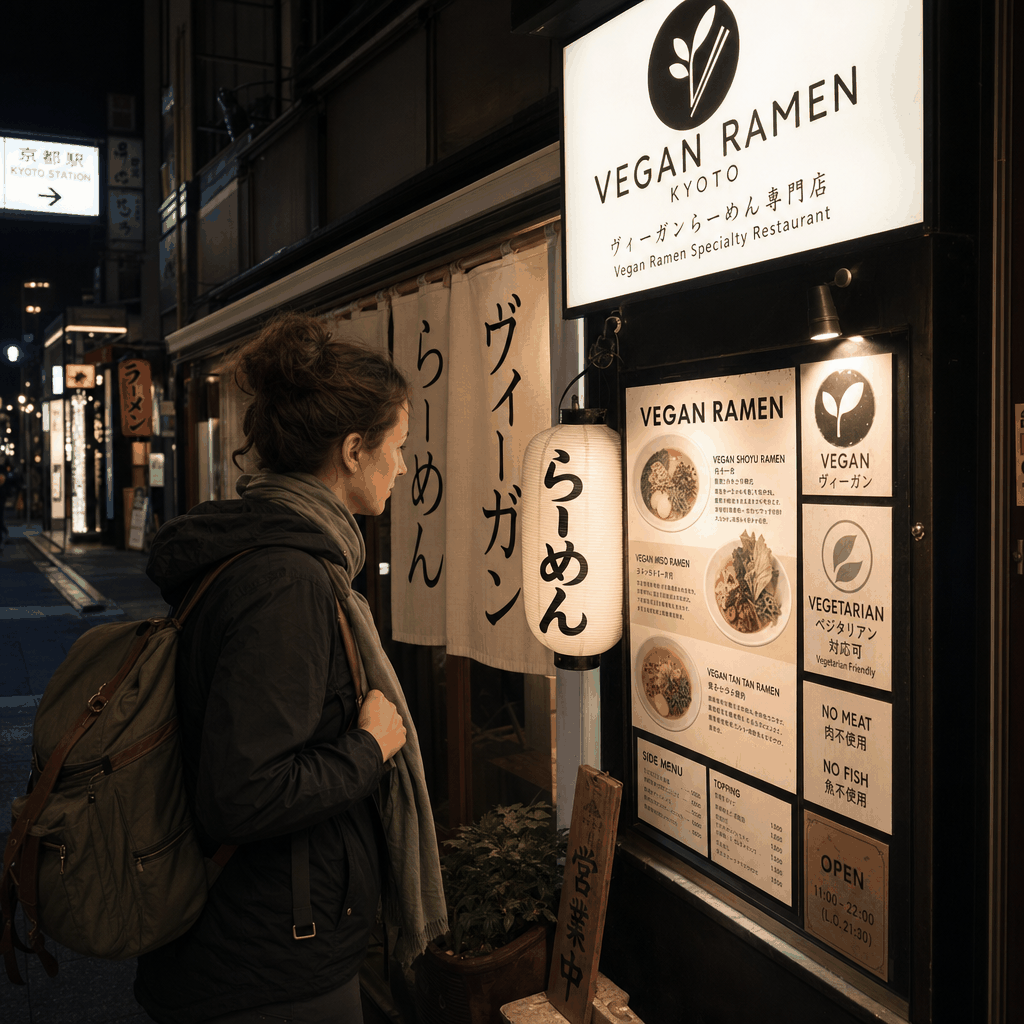
If you want a practical short list, start by checking ramen and vegan listings around Kyoto Station, Kawaramachi, and central Gion. Kyoto Vegan Guide and HappyCow both organize restaurants by area, which makes it easier to narrow down options close to your evening plans [3][4].
For example, if you are staying near Kyoto Station, you can search Kyoto Vegan Guide and HappyCow for ramen listings in the station district first, then compare those results with the hours shown on the restaurant’s own pages [3][4]. If you are in downtown Kyoto, use the same process for Kawaramachi-area listings and keep your search radius short so you are not stuck traveling across the city late at night [1][4].
A little Japanese goes a long way when you are checking whether a ramen shop is vegetarian. Simple phrases such as “vegetarian ramen” or “vegan ramen” are widely understood in tourist-facing businesses, but you can also ask whether the broth uses fish or meat stock. If you are unsure, show the menu page on your phone and ask staff to confirm the soup base [3][4].
For a smoother experience, keep these tips in mind:
In practice, the best late-night vegetarian ramen strategy in Kyoto is not to hunt for a single always-open spot. Instead, build a shortlist around Kyoto Station, Kawaramachi, and Gion, verify the broth and closing time, and go early enough to avoid disappointment. That approach matches how Kyoto’s plant-based ramen scene actually works today: promising, accessible in the center, but still limited after dark [1][3][4][5].
CallButler is a multilingual concierge service that handles research, coordination, and bookings so you do not have to navigate language barriers or unfamiliar systems alone. If you need help related to Where can expats find late-night vegetarian ramen in Kyoto? or the tasks around it, our team can step in to manage the details and keep things moving smoothly.
Find English-friendly yakitori in Osaka after work by targeting Umeda, Namba, and Honmachi, plus booking sites and multilingual menus.
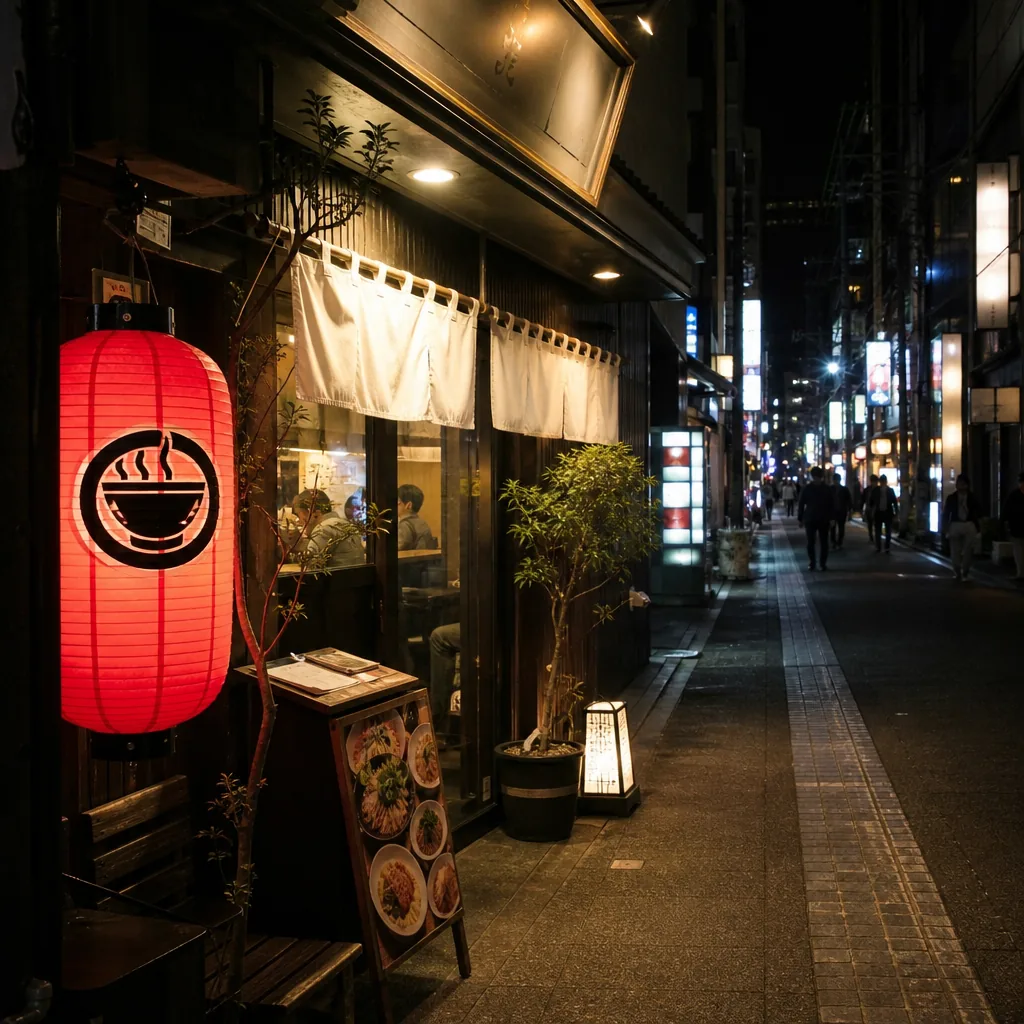
Looking for halal ramen in Kyoto after 10 p.m.? Here’s where to check, which areas are most practical, and how to verify hours and halal status.
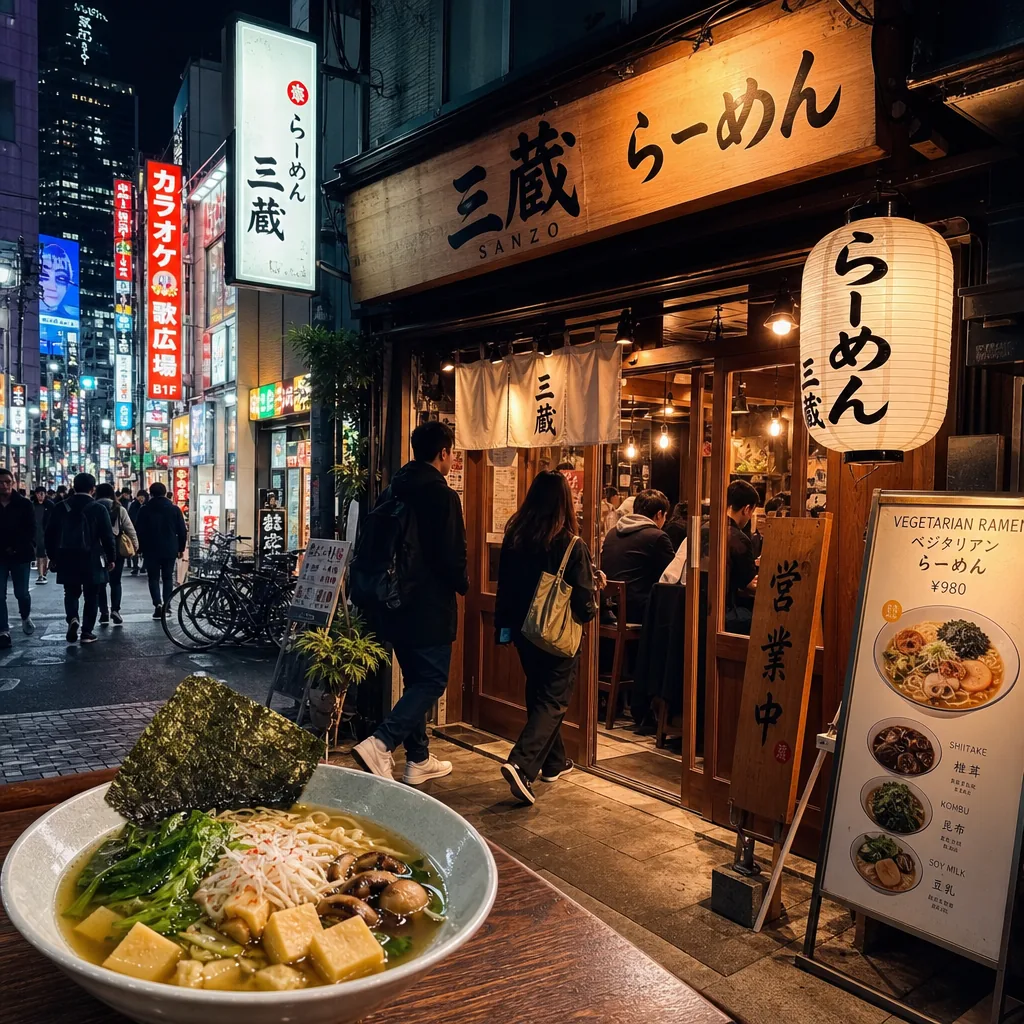
Find late-night vegetarian ramen in Tokyo by focusing on Shibuya, Shinjuku, and Roppongi, then verify broth, hours, and vegan menu details.