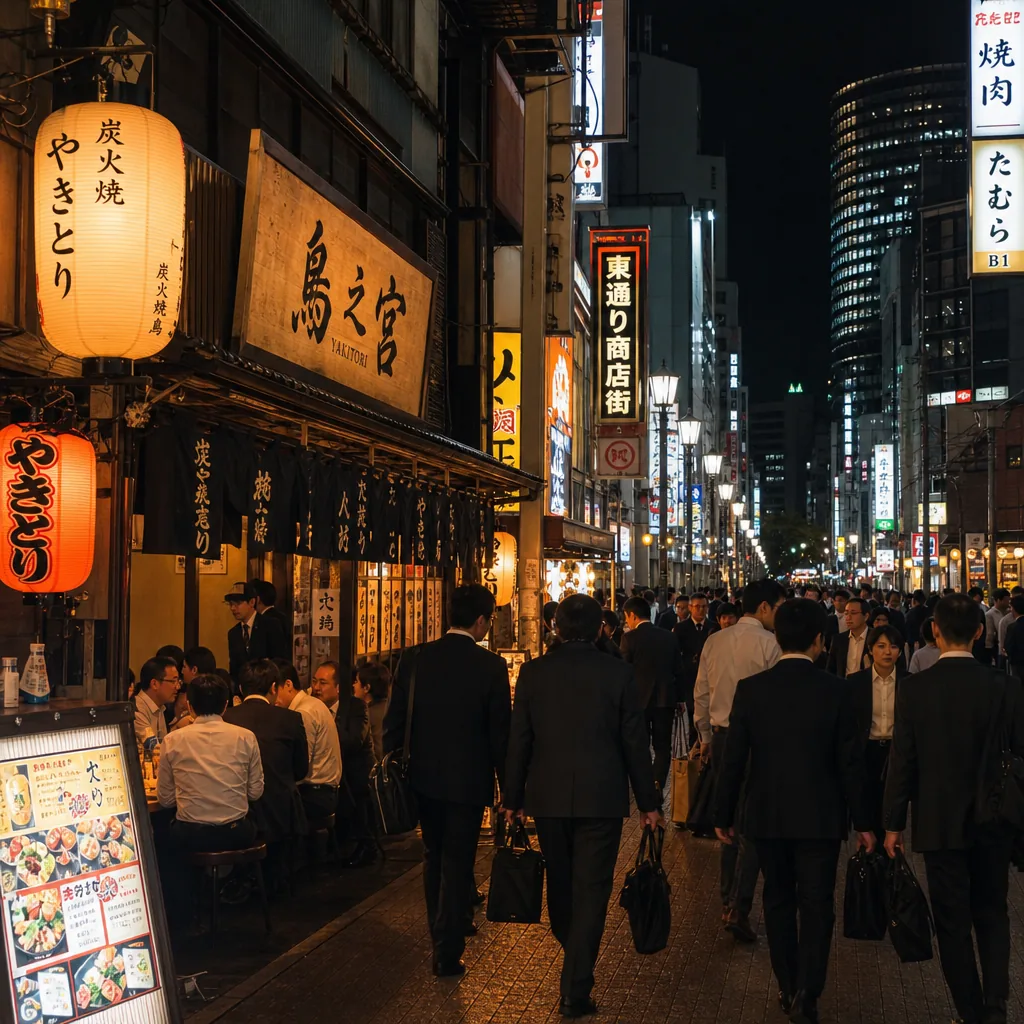
Where can I find english-friendly yakitori in Osaka after work?
Find English-friendly yakitori in Osaka after work by targeting Umeda, Namba, and Honmachi, plus booking sites and multilingual menus.
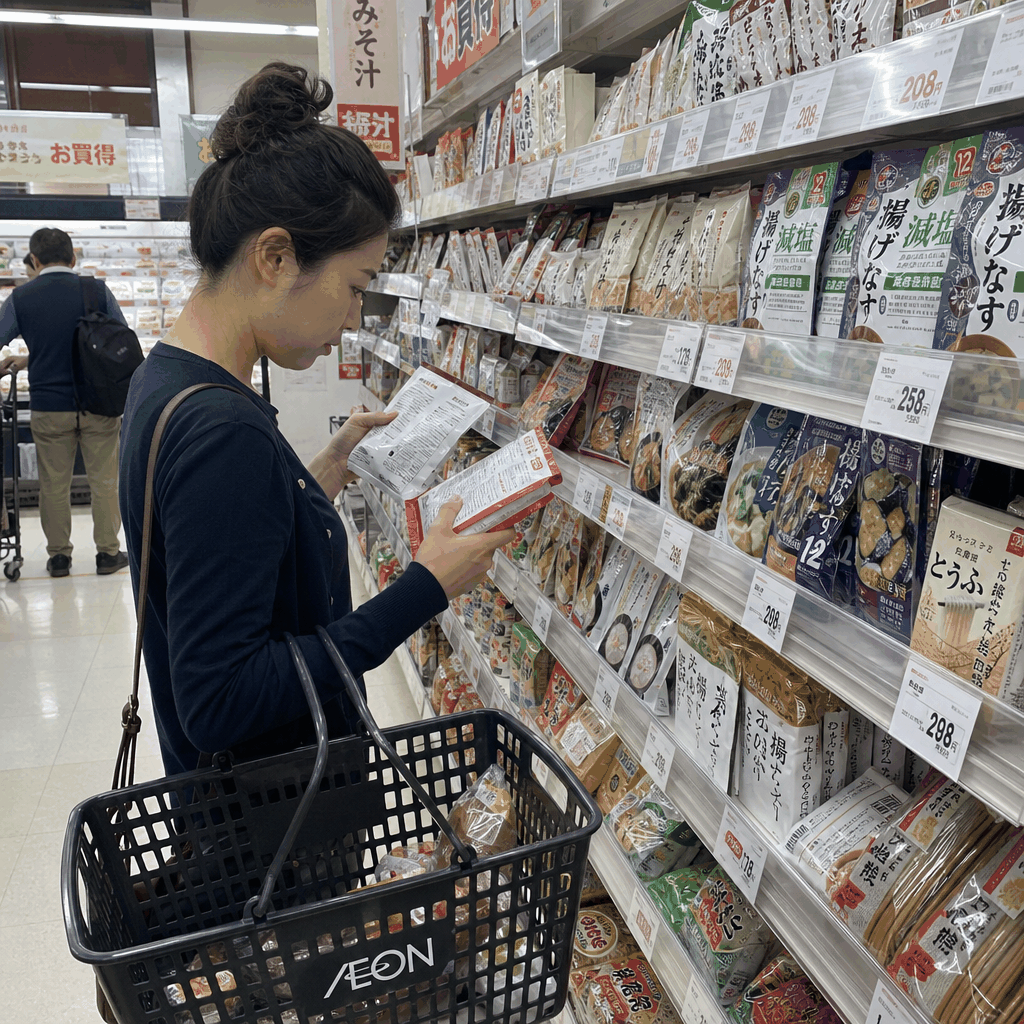
If you are shopping for gluten-free groceries in Tokyo, the short answer is yes—you can do it safely, but you need to read Japanese labels carefully and choose your stores wisely. Tokyo has plenty of rice-based staples, fresh foods, and specialty products, but wheat shows up often in sauces, noodles, and processed foods, so checking allergen information matters every time [1][2].
In Japan, packaged foods commonly display allergen information, and wheat is one of the major allergens to watch for [2][3]. That is helpful, but it does not automatically mean a product is gluten-free. A label may list wheat in the ingredients, or it may be made in a facility that handles wheat, so you need to check both the ingredient list and the allergen statement [1][3].
One practical point: “gluten-free” on the front of a package is not the same as a full guarantee of no cross-contact. If you have celiac disease or a very strict avoidance level, you should still look for clear wheat-free ingredients and confirm processing details where possible [1][2].
Start with the word for wheat: 小麦 (komugi). That is the first kanji to learn when shopping in Tokyo. If you see 小麦 in the ingredient list or allergen box, the product is not suitable for a wheat-free diet [2][3].
Also watch for common ingredients that often contain gluten, especially in sauces and prepared foods. Soy sauce is a frequent hidden source unless it is specifically labeled as wheat-free or gluten-free [1][2]. Ramen noodles, bread crumbs, battered foods, curry roux, and many packaged dressings are also common problem areas.
Useful label-reading habits in Tokyo include:
Japan’s Consumer Affairs Agency explains that food labeling rules are designed to help consumers identify allergens, and JNTO advises travelers with allergies to read ingredient and allergen information before buying packaged food [1][2][3].
For the safest and easiest grocery shopping, Tokyo’s larger supermarkets and specialty stores are usually better than convenience stores. Convenience stores can be useful for a drink or a simple snack, but they are less reliable for careful gluten-free shopping because many ready-to-eat items are seasoned or breaded [1][5].
Look first in major supermarket chains, department store food basements, import grocery shops, and health-food stores in central shopping districts. International neighborhoods and busy retail areas often carry more imported products and more clearly labeled specialty items than smaller local shops [4][5].
Good Tokyo shopping areas for gluten-free browsing include Shinjuku, Shibuya, Ikebukuro, and the Marunouchi/Ginza area, where department stores and larger supermarkets tend to stock a wider range of imported foods [4][5]. Department store food halls, especially in major hubs like Isetan Shinjuku and Takashimaya Times Square, are often worth a visit because they usually carry premium packaged goods, sauces, snacks, and gift foods with detailed labeling [5].
If you want specialty imports or health-focused products, stores in international districts such as National Azabu in Hiroo are also a practical stop for gluten-free staples and imported snacks. These stores are not the only option, but they are often easier for finding products that are already marketed to health-conscious or international shoppers.
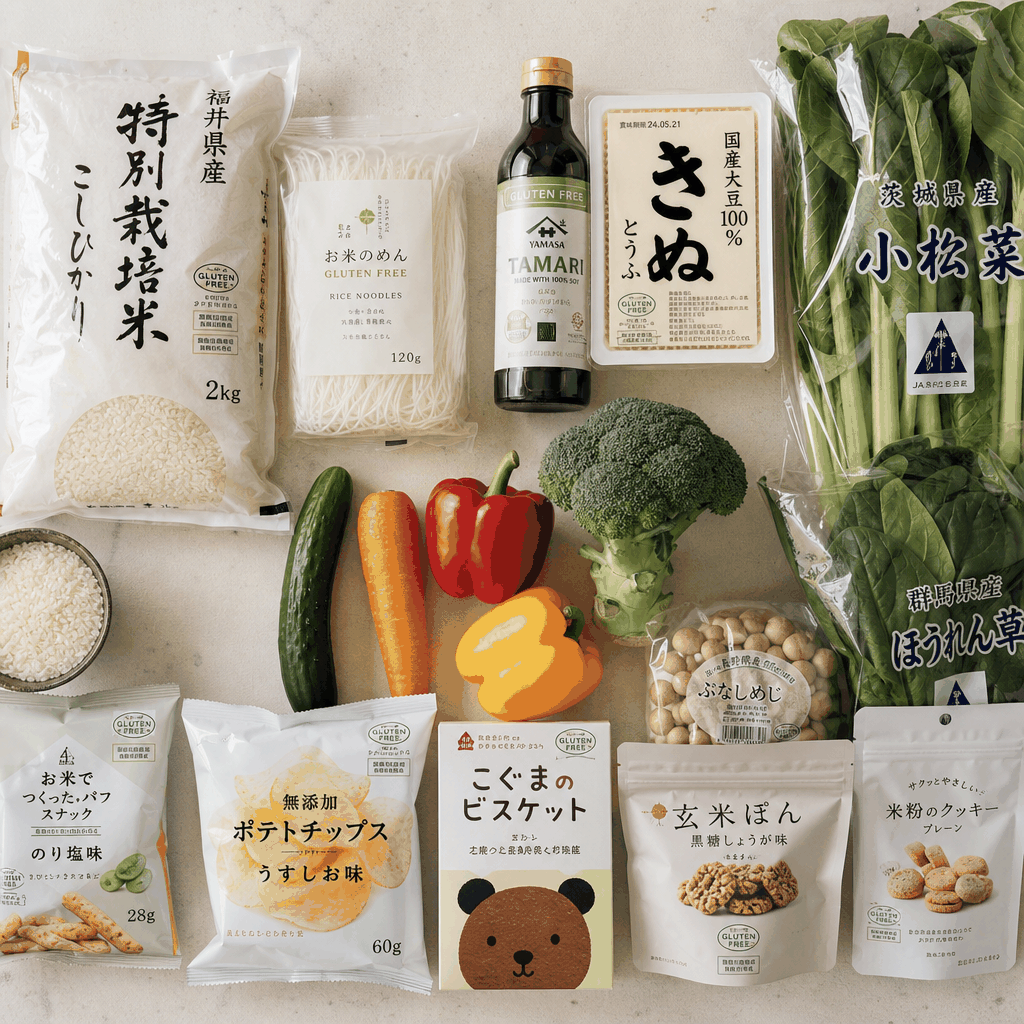
Tokyo visitors planning a full pantry shop should think in categories: one store for rice and fresh items, another for sauces and noodles, and a specialty shop for baking ingredients or imported substitutes. That approach reduces label-reading stress and gives you more control over what you bring back to your hotel or apartment.
Some of the easiest gluten-free grocery choices in Tokyo are also the simplest foods. Rice, fresh meat, fish, eggs, vegetables, tofu, and many plain dairy products are often safer than prepared foods because they do not depend on wheat-heavy seasoning systems [1][2].
For everyday shopping, focus on items that need little processing:
Be careful with soba. Some soba noodles are made partly with wheat, and the ingredient list will tell you whether 小麦 is present. Even when a product says “soba,” that does not automatically mean it is gluten-free. The same caution applies to curry, deli salads, marinades, and instant soup mixes.
Basic Japanese phrases can make grocery shopping easier. If you need to ask whether something contains wheat, you can say: 小麦は入っていますか? (Komugi wa haitte imasu ka?) meaning “Does it contain wheat?” You can also ask: これはグルテンフリーですか? (Kore wa guruten furī desu ka?) meaning “Is this gluten-free?”
When staff are not sure, show the package and point to the ingredient list. That is often more effective than a long explanation. In Tokyo’s larger stores, some labels may also have allergen information in English, but do not depend on that alone [1][5].
Practical shopping tips:
The biggest mistake is assuming familiar-looking foods are automatically safe. In Japan, breaded cutlets, soy sauce-based dressings, noodle soups, and many flavored snacks can contain wheat even when the main ingredient seems harmless [1][2].
Another common issue is cross-contact. A product may be made without wheat in the recipe but still processed alongside wheat-containing foods. If your needs are strict, look for clearer manufacturer statements or choose products with minimal ingredients and simple preparation methods [1][3].
Finally, do not rely only on convenience stores for a full gluten-free grocery run. They are convenient for travel, but Tokyo’s larger supermarkets, department stores, and specialty shops give you a much better chance of finding rice-based staples, gluten-free noodles, safe snacks, and baking supplies [4][5].
If you keep one rule in mind, make it this: in Tokyo, gluten-free shopping works best when you buy simple foods, read 小麦 carefully, and favor larger stores over impulse purchases. That combination gives you the widest choice and the lowest risk.
CallButler is a multilingual concierge service that handles research, coordination, and bookings so you do not have to navigate language barriers or unfamiliar systems alone. If you need help related to How do I shop for gluten-free groceries in Tokyo? or the tasks around it, our team can step in to manage the details and keep things moving smoothly.
Find English-friendly yakitori in Osaka after work by targeting Umeda, Namba, and Honmachi, plus booking sites and multilingual menus.
Looking for halal ramen in Kyoto after 10 p.m.? Here’s where to check, which areas are most practical, and how to verify hours and halal status.
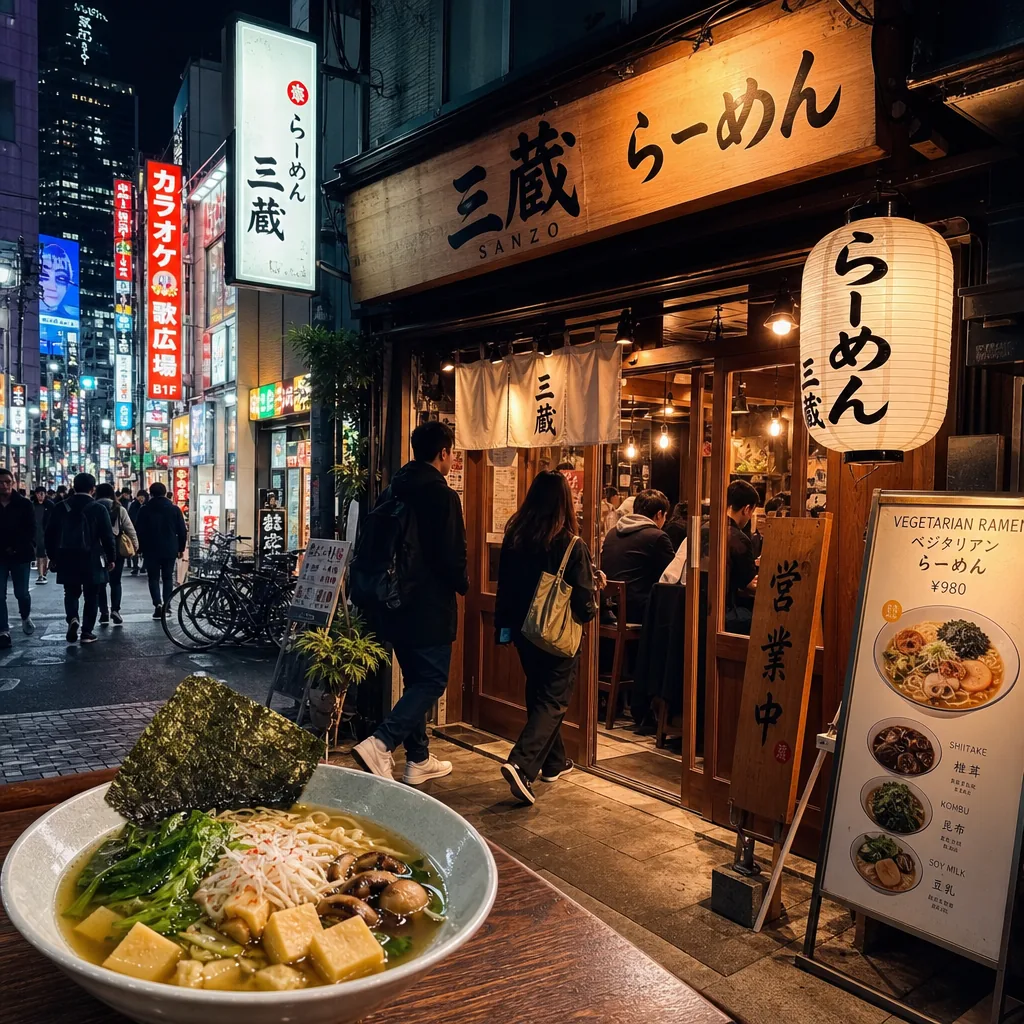
Find late-night vegetarian ramen in Tokyo by focusing on Shibuya, Shinjuku, and Roppongi, then verify broth, hours, and vegan menu details.