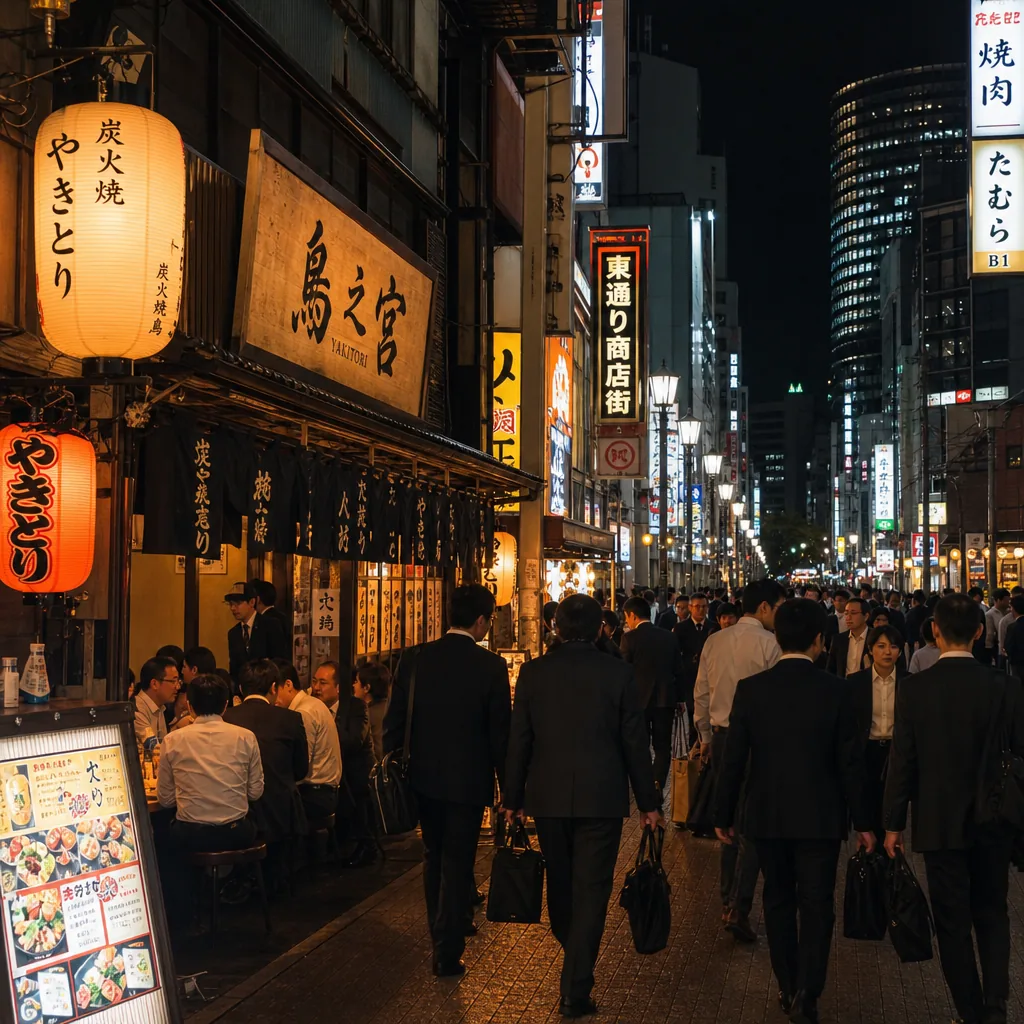
Where can I find english-friendly yakitori in Osaka after work?
Find English-friendly yakitori in Osaka after work by targeting Umeda, Namba, and Honmachi, plus booking sites and multilingual menus.
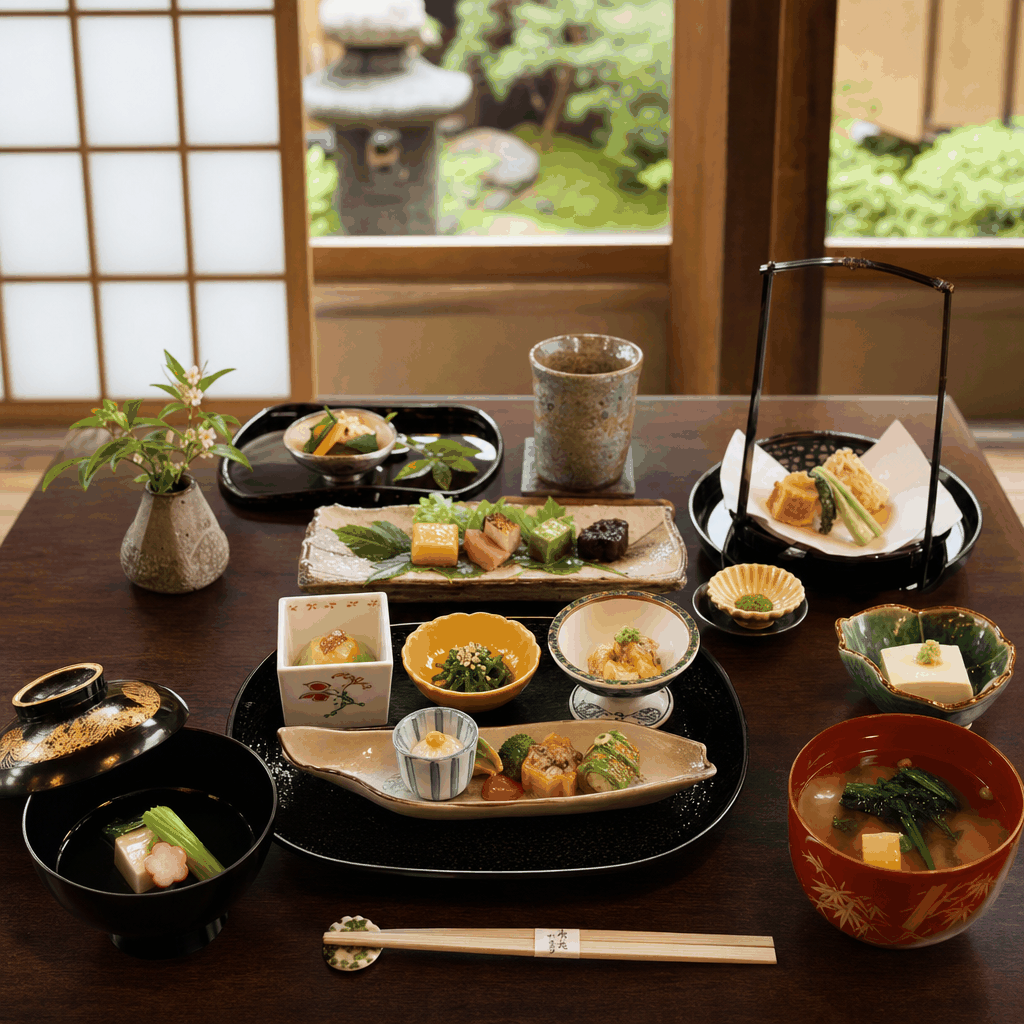
Yes—book it by choosing places that explicitly offer shojin ryori or vegetarian kaiseki, then confirm the exact ingredients before you pay. In Kyoto, the safest options are temple lodgings, ryokan, and restaurants that clearly state vegetarian menus or can adjust kaiseki courses in advance [1][2][5].
In Kyoto, “vegetarian kaiseki” is often closer to shojin ryori, the Buddhist-style cuisine associated with temples and traditional dining. Kyoto City’s official travel guide explains that local cuisine includes vegetarian and vegan options, and that some venues can provide meals without meat or fish [1][2].
The important detail is that “vegetarian” is not always the same as “no fish stock.” Many Japanese dishes use dashi, and Kyoto City’s guidance specifically recommends checking whether a meal contains bonito stock or fish-based ingredients, even if no meat is used [1][5]. If you want strict vegetarian or vegan dining, confirm that the restaurant understands that standard before booking.
The most reliable places to start are Kyoto’s official tourism resources, temple lodgings, and restaurants with clearly labeled vegetarian menus. Kyoto City’s official travel guide points travelers to vegetarian-friendly information, and the Japan National Tourism Organization advises checking menus and contacting restaurants directly when dietary requirements are strict [1][5].
Good Kyoto-specific starting points include:
For Kyoto cuisine specifically, the city’s official guide emphasizes that the local food culture is rooted in seasonal vegetables and refined presentation, which is why vegetarian kaiseki and shojin ryori are so strongly associated with the city [2][3]. That makes Kyoto better suited to advance-planned vegetarian dining than many other destinations in Japan.
For lunch, do not assume you can walk in. Kyoto City and JNTO both stress that advance checking and direct contact are the safest methods when special dietary needs are involved [1][5]. For set-course lunch, availability can be limited, so booking several days to several weeks ahead is smarter than waiting until the day of.
Use this order of approach:
If the site only lists generic “vegetarian” options, contact the venue directly. Kyoto’s tourism guide recommends confirming details rather than relying on assumptions, because some dishes may still include fish stock or hidden animal ingredients [1].
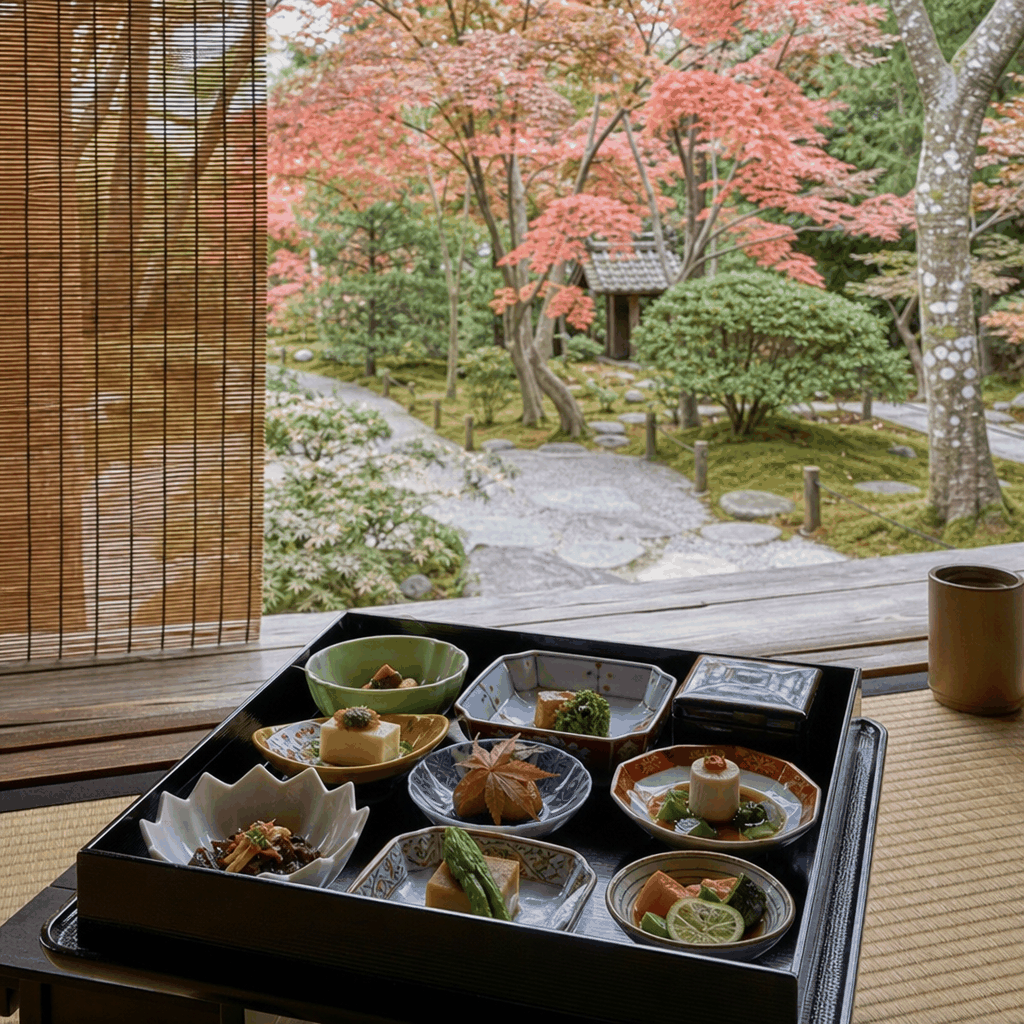
Before paying or confirming, ask the restaurant to verify the exact standard of the meal. This is especially important in Kyoto because many traditional dishes use stock, sauces, or garnishes that are easy to overlook [1][5].
Confirm these points clearly:
Keep your message simple and specific. For example: “I need a vegetarian lunch with no meat, fish, bonito stock, or fish sauce. Please confirm whether this is possible.” That level of clarity matches the practical advice given by Japan’s tourism information resources for travelers with dietary restrictions [5].
Kyoto’s best vegetarian kaiseki opportunities are often in areas where traditional dining is already strong. The city’s official food pages highlight Kyoto cuisine as a local heritage experience, and that makes districts with older restaurants and temple connections especially useful [2][3].
Three useful Kyoto places or venues to know are:
If you are planning sightseeing around Arashiyama, Higashiyama, or central Kyoto, try to anchor the lunch reservation near the area you will already be visiting. Kyoto’s public transport and walkable temple districts make this easier, but lunch courses can run longer than a casual meal, so staying nearby reduces stress [2][3].
Vegetarian kaiseki lunch in Kyoto is usually a slower, more formal meal than a casual noodle or rice bowl stop. Because many venues serve a fixed multi-course menu, arrive on time and expect the meal to take longer than a standard lunch break [2][3].
A few practical tips help the experience go smoothly:
For first-time visitors, the easiest path is to book through an official tourism-listed vegetarian venue or a temple-affiliated meal experience, then double-check the ingredients. That approach fits Kyoto’s dining culture well: it respects the formality of kaiseki, avoids misunderstandings about fish stock, and gives you the best chance of enjoying a proper vegetarian lunch in one of Japan’s most food-conscious cities [1][2][5].
CallButler is a multilingual concierge service that handles research, coordination, and bookings so you do not have to navigate language barriers or unfamiliar systems alone. If you need help related to How do I book a vegetarian kaiseki lunch in Kyoto? or the tasks around it, our team can step in to manage the details and keep things moving smoothly.
Find English-friendly yakitori in Osaka after work by targeting Umeda, Namba, and Honmachi, plus booking sites and multilingual menus.
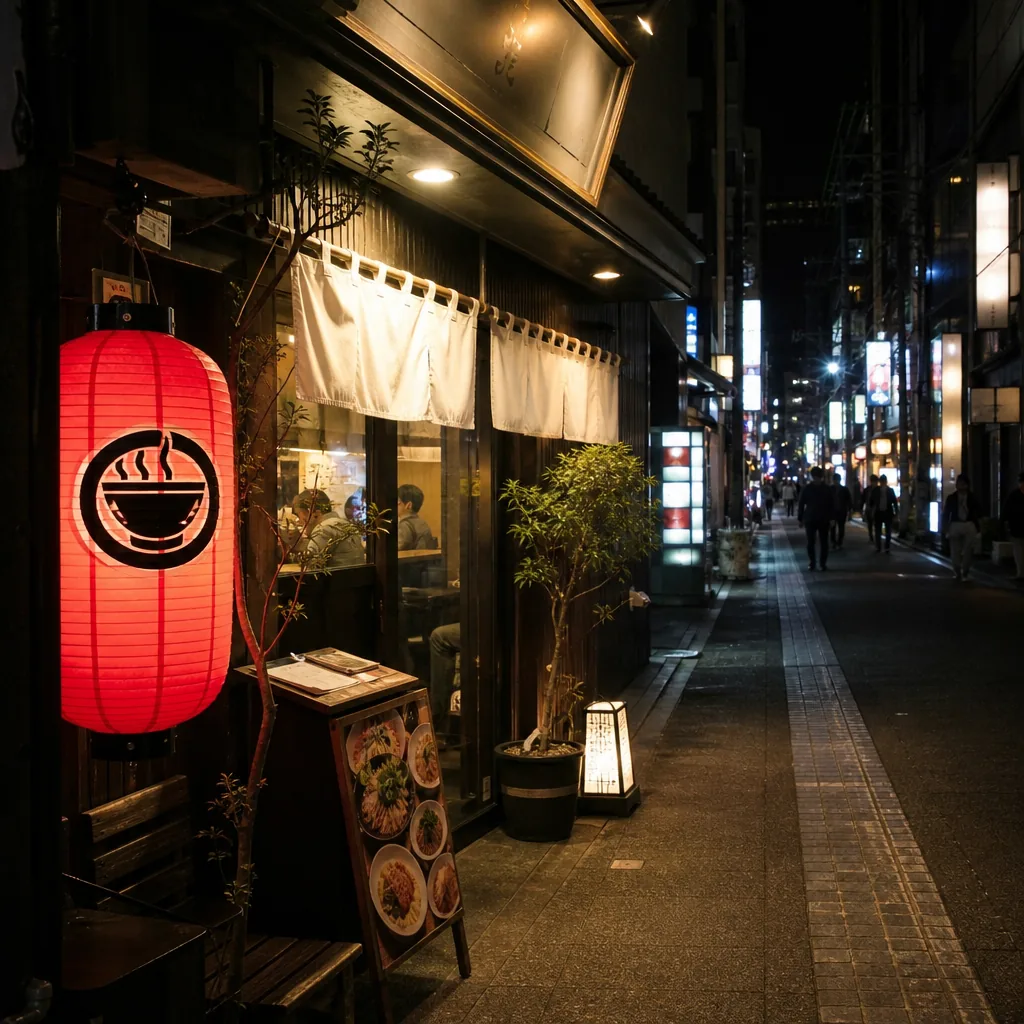
Looking for halal ramen in Kyoto after 10 p.m.? Here’s where to check, which areas are most practical, and how to verify hours and halal status.
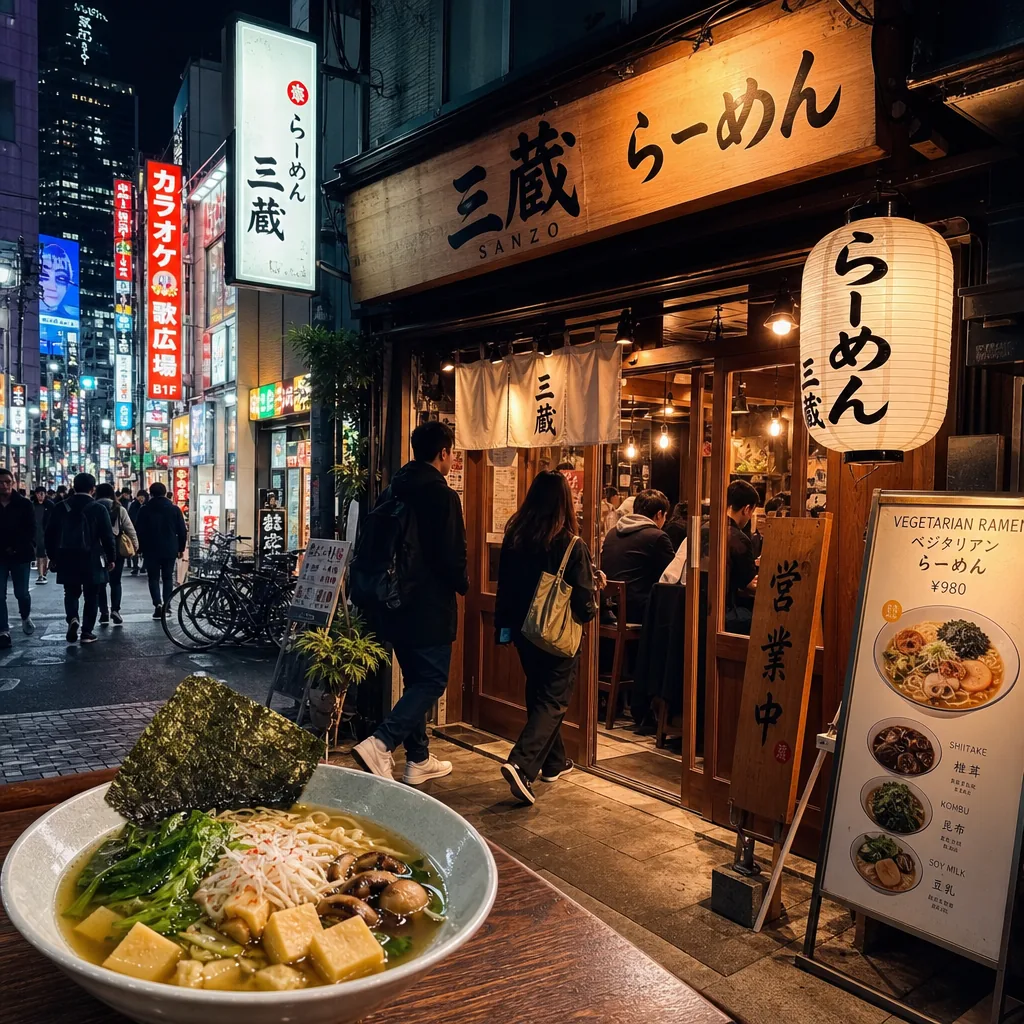
Find late-night vegetarian ramen in Tokyo by focusing on Shibuya, Shinjuku, and Roppongi, then verify broth, hours, and vegan menu details.