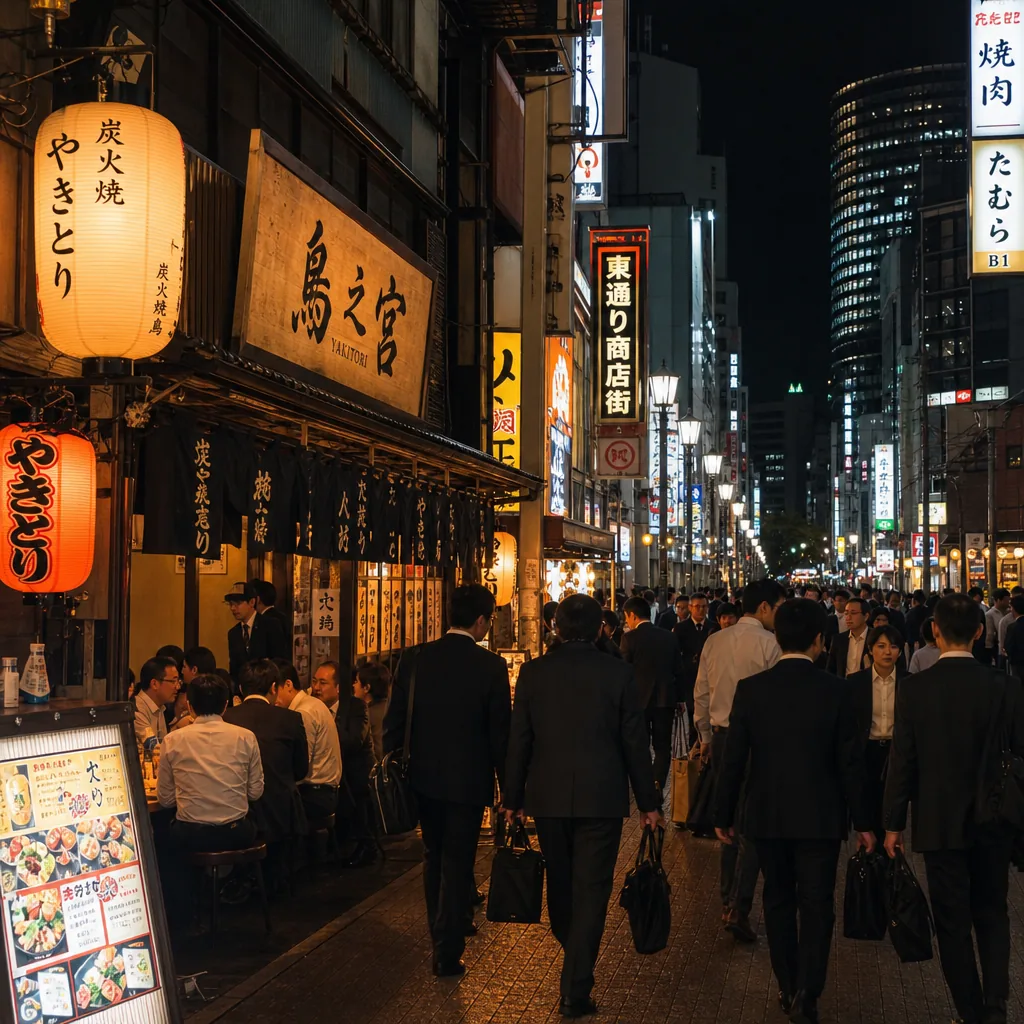
Where can I find english-friendly yakitori in Osaka after work?
Find English-friendly yakitori in Osaka after work by targeting Umeda, Namba, and Honmachi, plus booking sites and multilingual menus.
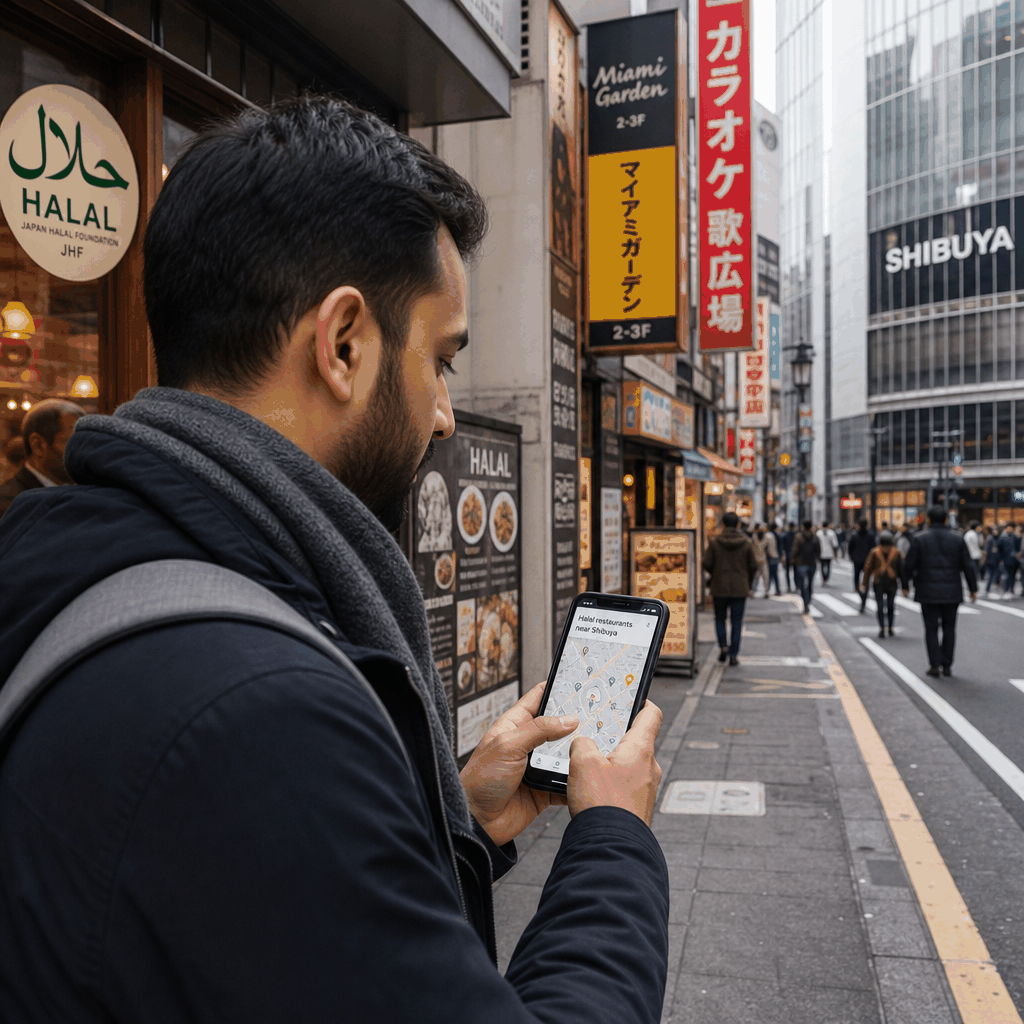
Muslim expats can find halal restaurants in Tokyo by combining official tourism guides, Muslim-friendly directories, and a quick check of each restaurant’s current policy. The safest approach is to look for clear halal certification or explicit no-pork/no-alcohol rules, then confirm details before you go because menus and certification can change [1][2][4].
In Tokyo, “halal” is not always the same as “Muslim-friendly.” Official Tokyo tourism guidance explains that some restaurants are fully halal-certified, while others may simply avoid pork and alcohol or offer a prayer space without being certified [1][2]. For expats, that distinction matters: a certified place gives stronger reassurance, but a Muslim-friendly place can still work if its ingredients, cooking methods, and policies fit your needs.
Tokyo Metropolitan and national tourism sources both recommend reading the restaurant’s own notes carefully, because halal status can depend on details such as broth, sauces, frying oil, and shared kitchen equipment [1][4]. That’s why the label alone is not enough. If you need stricter standards, verify whether the restaurant is certified and whether it has separate utensils or kitchen handling procedures [1][4].
The most efficient search strategy is to start with official lists, then move to map-based directories for real-time filtering. Tokyo Convention & Visitors Bureau publishes halal information and a guide to halal restaurants in the city, while JNTO’s Muslim-friendly travel page also points visitors toward practical dining and prayer information [1][2][4]. These sources are useful because they are curated for visitors and updated as part of tourism information.
For more specific filtering, use the Tokyo Muslim Tourist Information Center and Halal Gourmet Japan. The Tokyo Muslim Tourist Information Center provides Muslim-oriented travel information, and Halal Gourmet Japan lets you search by restaurant type and halal-related features such as prayer space and no-pork/no-alcohol policies [3][5]. That makes it easier to narrow down places that match your exact preferences rather than relying on broad “Asian” or “healthy” labels.
Tokyo’s halal restaurants are concentrated in busy visitor and business districts, especially Asakusa, Ueno, Shinjuku, Shibuya, and areas around major train hubs [1][2]. That does not mean other districts have none, but these neighborhoods are a practical first stop for Muslim expats who want more choices in a shorter walking distance.
Asakusa is a strong place to start because it is a major sightseeing area with many restaurants already used to international visitors [2]. Shinjuku and Shibuya are also useful because they are transport-heavy districts where tourism directories frequently list halal or Muslim-friendly dining [1][2]. Ueno and major station areas tend to be convenient for lunch between errands or after work because they cluster around transit and shopping [1][2].
When planning an outing, it helps to search around a station rather than an entire ward. For example, official Tokyo guides can point you toward halal-friendly restaurants near central sightseeing routes, which makes it easier to combine food with errands or weekend exploring [1][2].
Before you sit down, verify four things: certification, pork and alcohol policy, kitchen separation, and prayer space. Tokyo’s official tourism pages advise checking both the restaurant’s certification status and its own operating policies, because a place may be certified, partially Muslim-friendly, or simply offer some suitable dishes [1][2][4].
Look for wording that is specific rather than vague. “No pork” is useful, but you should also check whether lard, pork extract, mirin, sake, wine, or bonito-based broth appears in sauces and soups. If the restaurant states that it serves no alcohol or has separate handling for halal items, that is a stronger sign that it understands Muslim diners’ needs [1][4].
For expats, a quick confirmation message can prevent disappointment. If a listing says it has changed certification or menu policies, treat that as current until verified. Tokyo’s tourism resources explicitly warn that restaurant information may change, so confirming opening hours and halal status directly is a smart habit [1][4]. 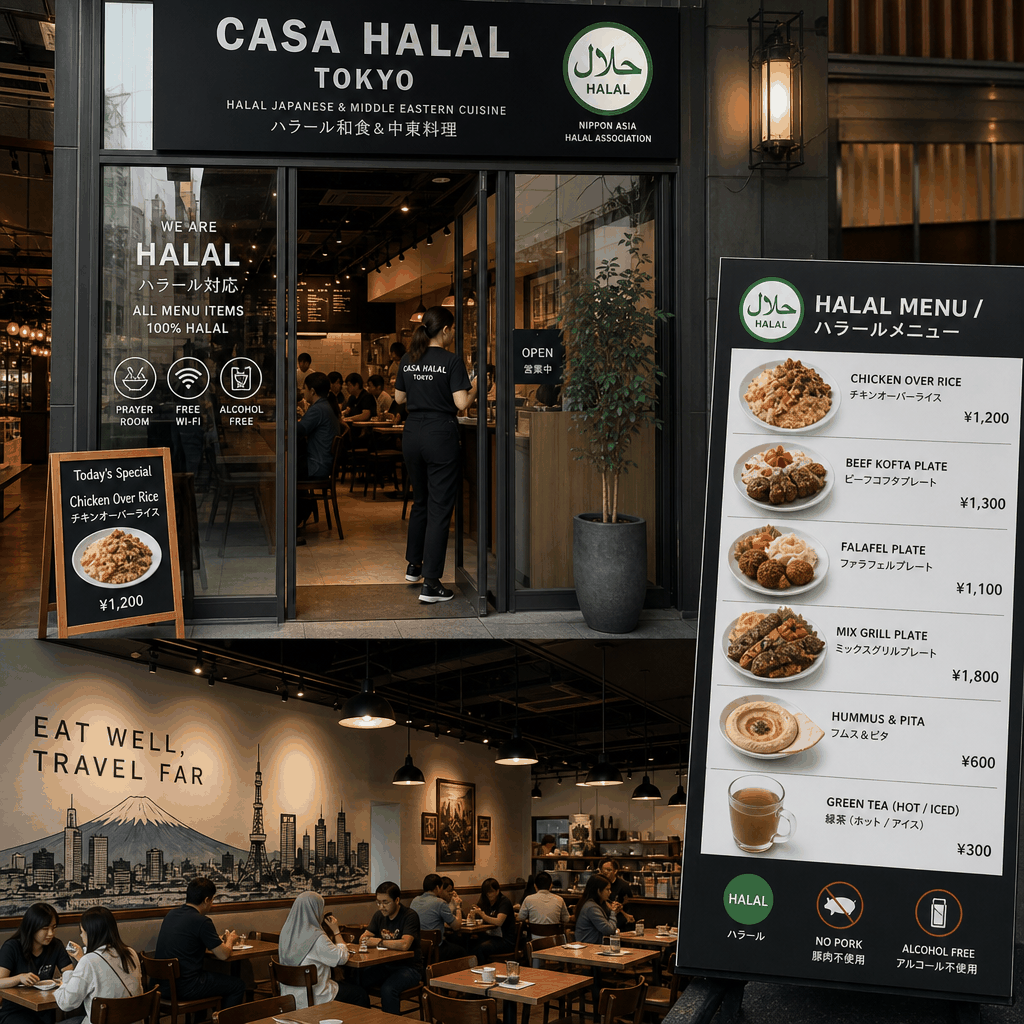
The best Tokyo-specific resources are the Tokyo Convention & Visitors Bureau halal pages, JNTO’s Muslim-friendly travel guide, the Tokyo Muslim Tourist Information Center, and Halal Gourmet Japan [1][2][3][4][5]. Together, they cover different needs: official policy guidance, restaurant discovery, and practical travel support. Because these resources are in English, they are especially useful for expats who want fast, readable information.
Halal Gourmet Japan is especially helpful when you need a searchable restaurant directory rather than a general travel article [5]. Meanwhile, Go Tokyo’s halal guide is useful for understanding the difference between certified and Muslim-friendly places and for finding examples across Tokyo [2]. JNTO is a good reference if you are also planning around prayer space or broader travel logistics in Japan [4].
If you prefer a simple workflow, start with an official page, shortlist restaurants in your target neighborhood, and then cross-check the same place on a map directory. That reduces the chance of relying on stale information and gives you a clearer picture of what is nearby [1][2][5].
Tokyo dining is easy once you build a verification habit. Many restaurants around central areas want to serve international guests, but halal status can be nuanced, so the best results come from combining neighborhood knowledge with up-to-date checking [1][2].
In practice, the easiest path is to treat Tokyo like a city with strong but uneven halal support. If you rely on official tourism guidance, check restaurant labels carefully, and verify the latest details before you leave, you can eat confidently across the city’s major neighborhoods [1][2][4].
CallButler is a multilingual concierge service that handles research, coordination, and bookings so you do not have to navigate language barriers or unfamiliar systems alone. If you need help related to How can Muslim expats find halal restaurants in Tokyo? or the tasks around it, our team can step in to manage the details and keep things moving smoothly.
Find English-friendly yakitori in Osaka after work by targeting Umeda, Namba, and Honmachi, plus booking sites and multilingual menus.
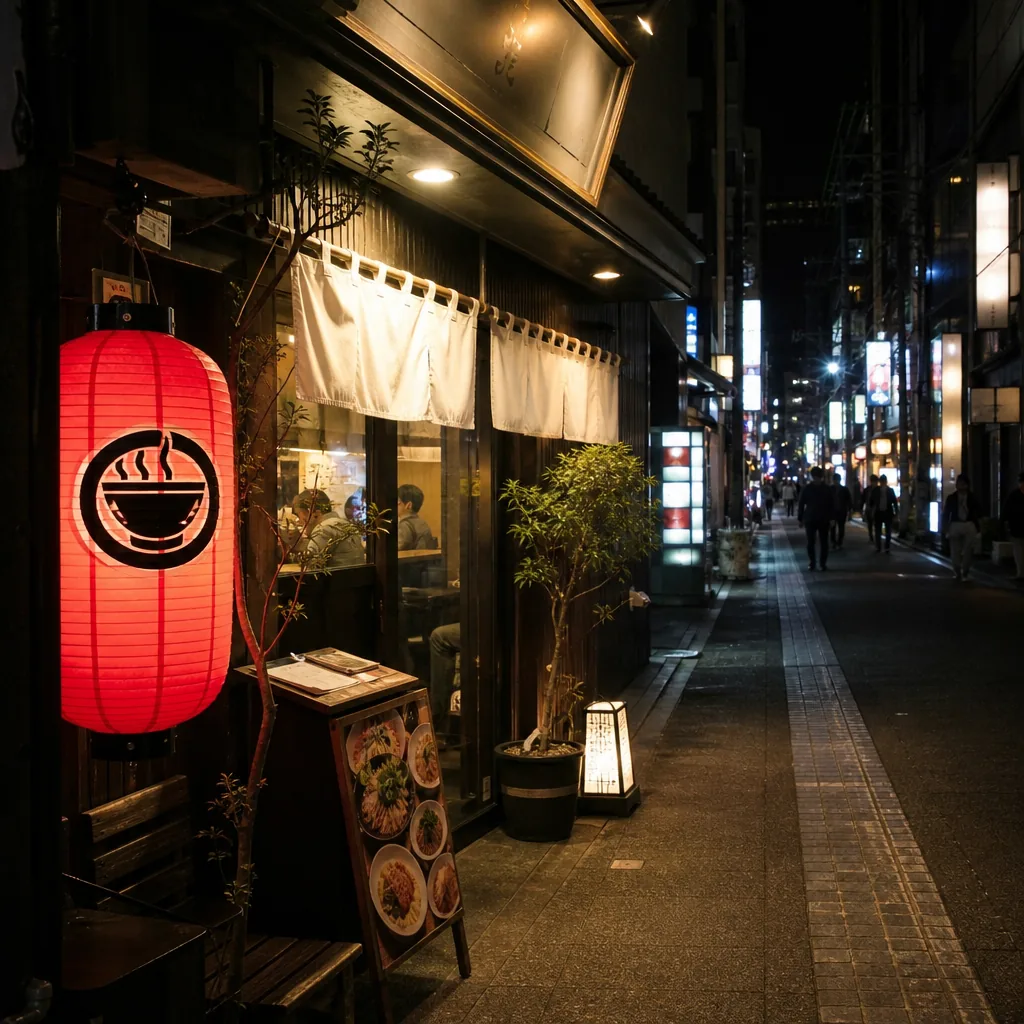
Looking for halal ramen in Kyoto after 10 p.m.? Here’s where to check, which areas are most practical, and how to verify hours and halal status.
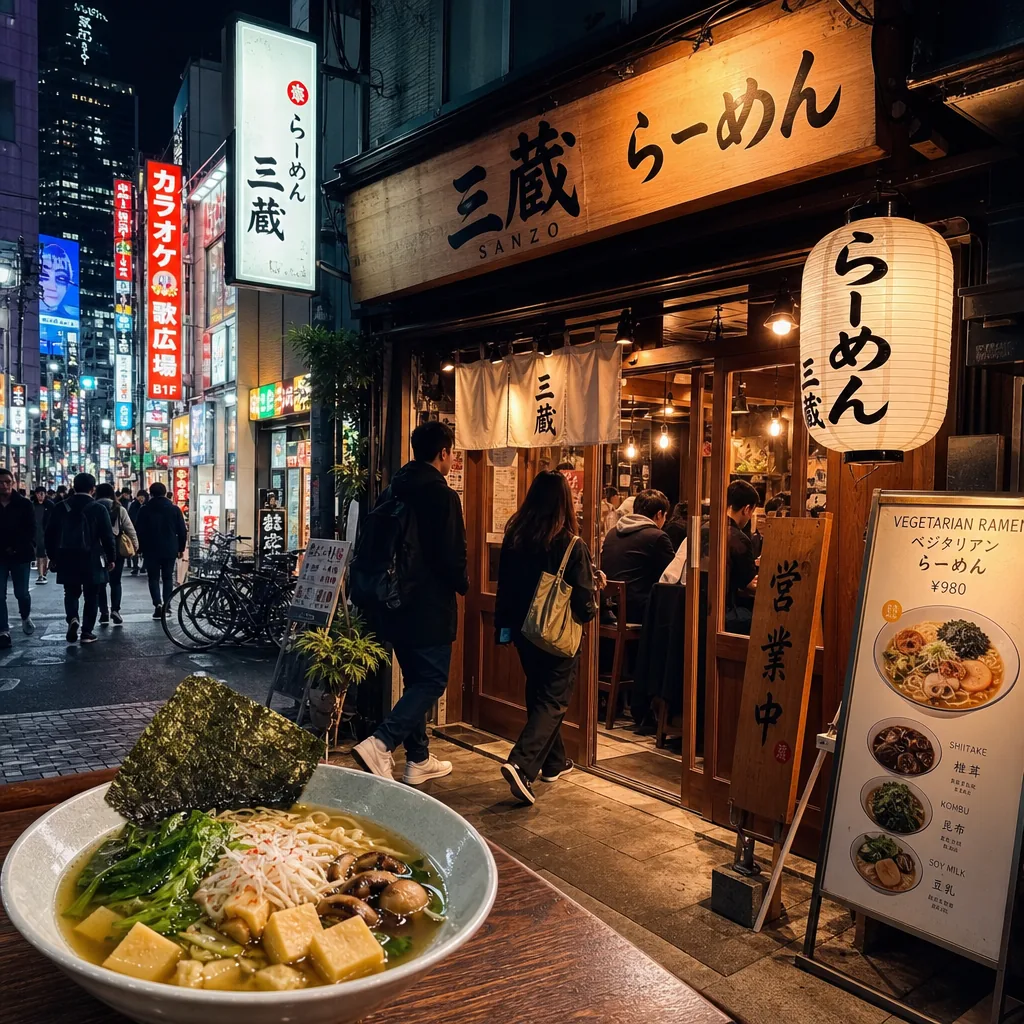
Find late-night vegetarian ramen in Tokyo by focusing on Shibuya, Shinjuku, and Roppongi, then verify broth, hours, and vegan menu details.