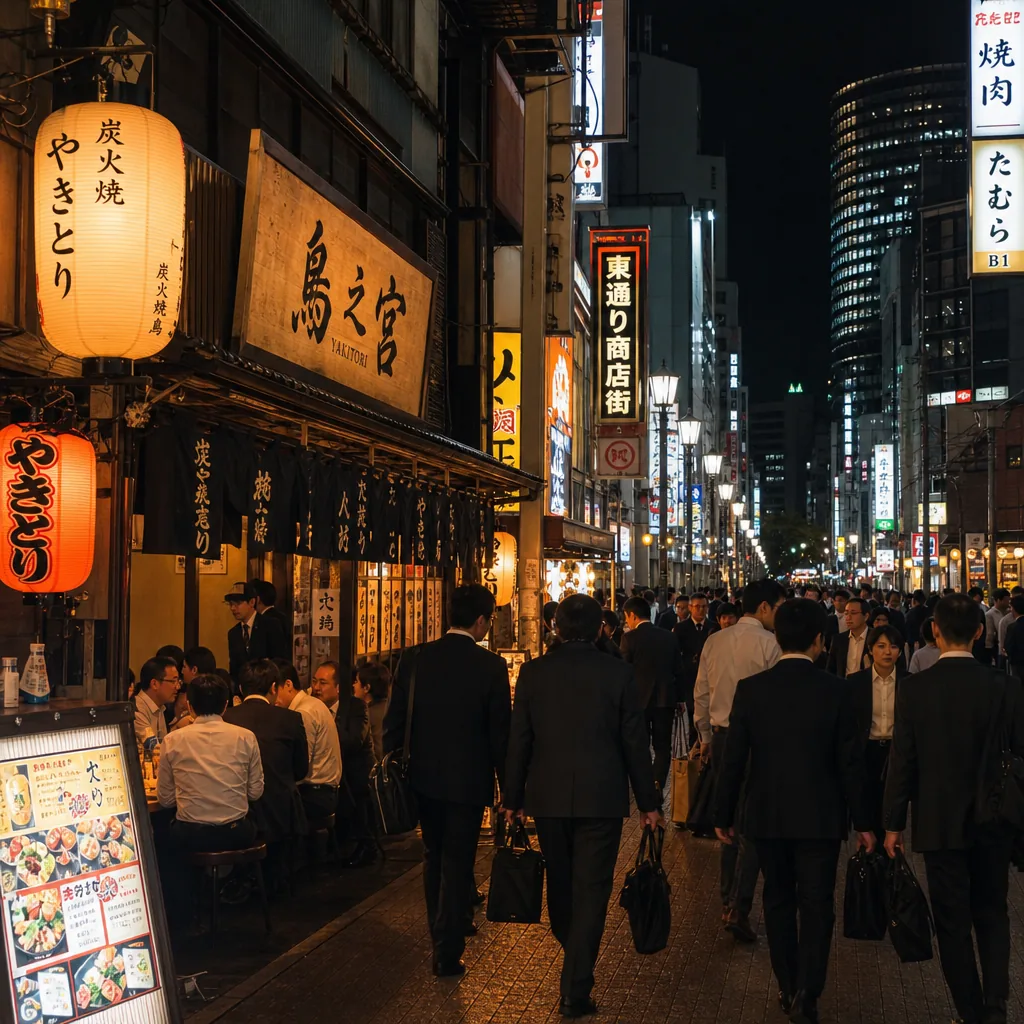
Where can I find english-friendly yakitori in Osaka after work?
Find English-friendly yakitori in Osaka after work by targeting Umeda, Namba, and Honmachi, plus booking sites and multilingual menus.
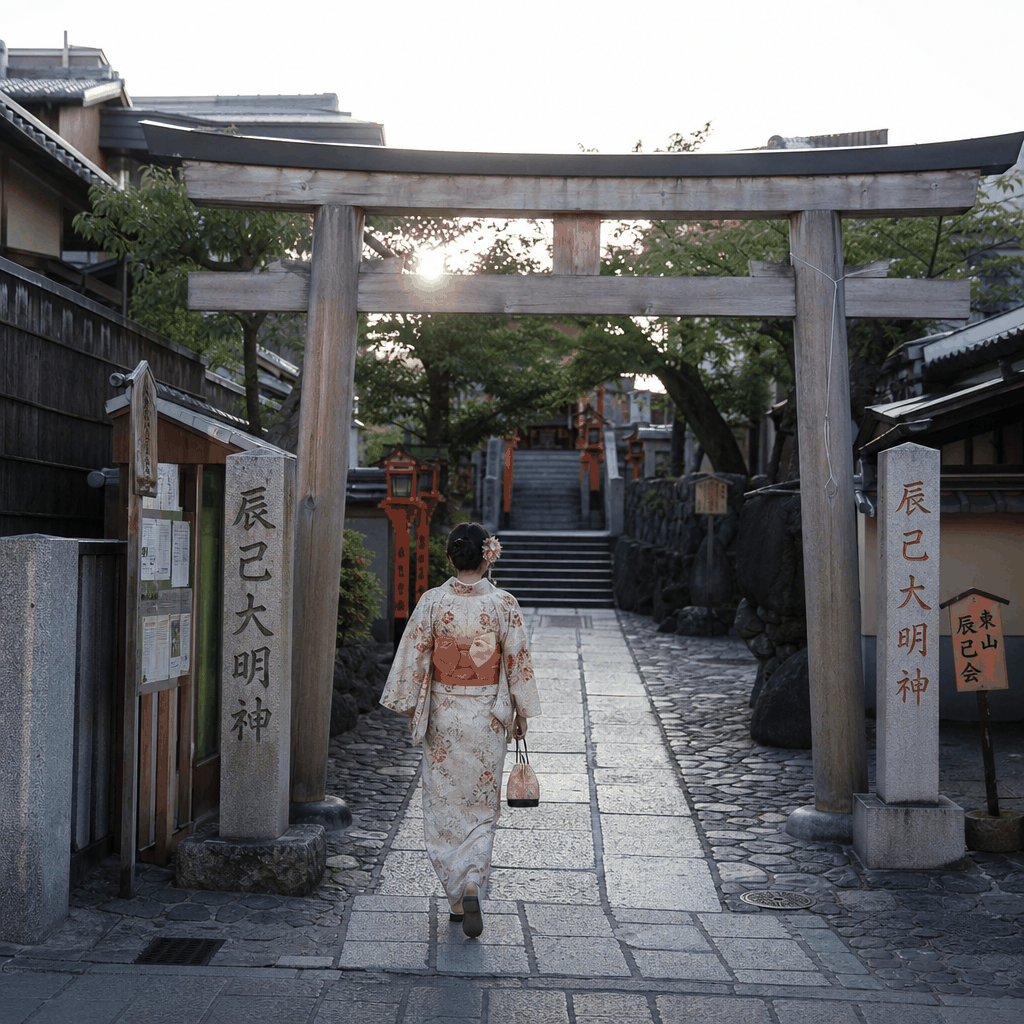
Yes—booking kimono rental in Kyoto for shrine visits is straightforward if you reserve early, choose a shop near your route, and confirm the return deadline before you go. Many Kyoto rental shops in areas like Gion and Higashiyama take online bookings in advance, and that makes it easier to plan a shrine day without rushing between dressing, photos, and worship.
Kyoto is one of the best places in Japan to wear a kimono because the city’s shrine and temple districts are already built around walking, photography, and traditional scenery. Kyoto City’s tourism guidance highlights historic areas such as Gion, Higashiyama, and Arashiyama as major sightseeing zones, which is why kimono rentals are concentrated there [1][2].
For visitors, the appeal is practical as well as aesthetic. A kimono fits the atmosphere of places like Heian Jingu Shrine and Kiyomizu-dera, both of which are major sightseeing stops with clearly posted visitor guidance and steady foot traffic [3][4]. If you want photos that look “Kyoto-specific,” renting near those areas saves transit time and keeps the day focused on the shrine visit itself.
The easiest way to book is through the official website of a rental shop near your target shrine area. Kyoto tourism resources point visitors toward compact sightseeing districts rather than cross-city travel, so picking a shop in the same neighborhood as your shrine route is the smartest approach [1][2].
Good areas to search include Gion, Higashiyama, and the approach routes around Kiyomizu-dera and Heian Jingu Shrine. These districts are popular because they combine sightseeing, photo spots, and walkable streets, which makes kimono rental logistics simpler [1][3][4].
Many shops allow advance online reservations in English, and some also advertise same-day availability if inventory remains. Reserve online when possible, especially during weekends, cherry blossom season, autumn foliage, and Japanese holidays, when popular sizes and seasonal patterns sell out quickly.
Before you pay, confirm exactly what is included in the plan. Typical Kyoto rental packages may include the kimono, obi, and dressing service, while hair styling and accessories can be optional add-ons. Some shops also offer premium fabrics or seasonal designs, so the displayed base price may not be the final total.
It is also important to check the return time. For shrine visits, this matters more than many first-time visitors expect, because late returns may trigger extra fees. If you want a relaxed morning and a long photo stop, choose a shop with a return deadline that gives you enough buffer after your shrine visit and transit back to the store.
Comfort details matter too, especially in Kyoto’s shrine districts, where you may walk on stone paths, step up stairs, or stand for long periods. Choose footwear you can manage comfortably and ask whether the shop provides warm layers in winter. If you are visiting in colder months, a light inner layer can make a full day in kimono much easier.
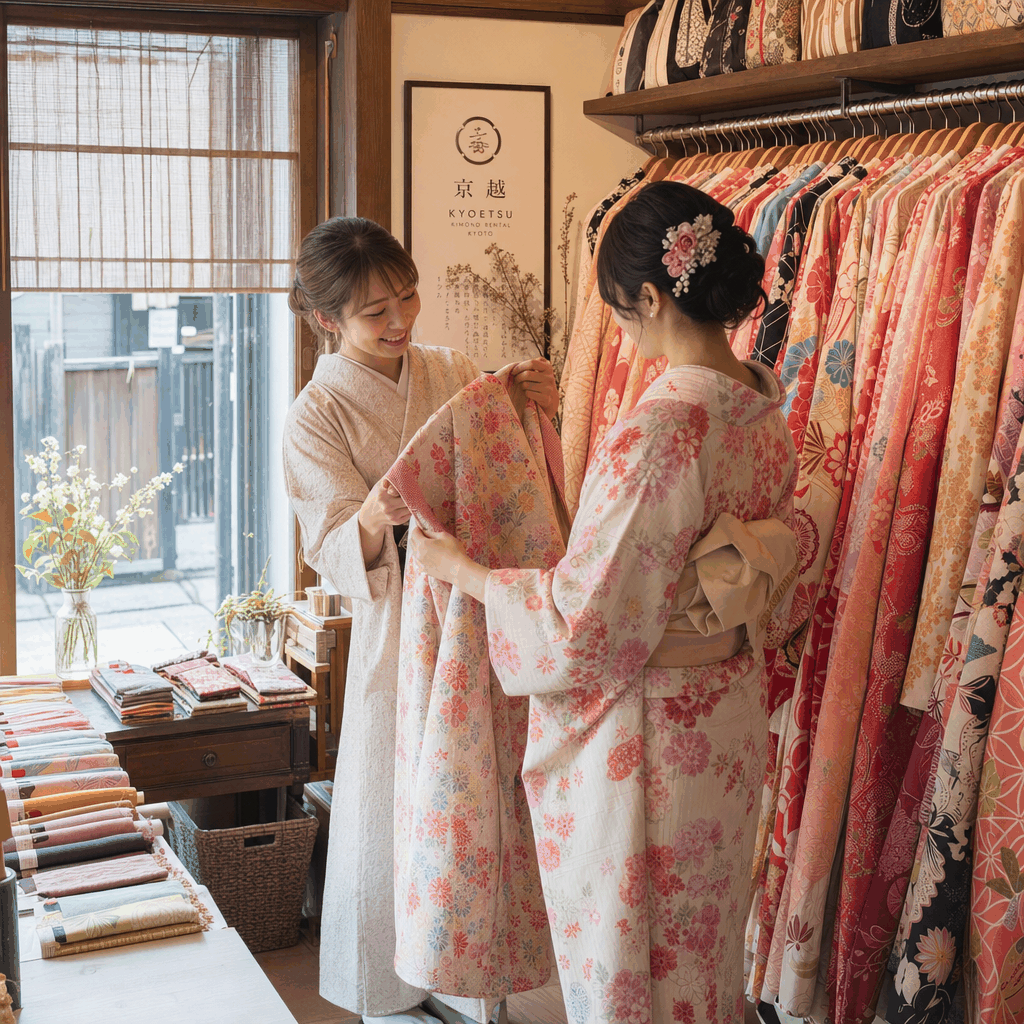
If you are visiting Kiyomizu-dera, it makes sense to rent nearby in Higashiyama so you can walk the surrounding lanes without carrying your outfit across the city [4]. The temple’s official site and Kyoto tourism information both make clear that it is a major destination, so the surrounding rental market is well developed [1][4].
If your plan centers on Heian Jingu Shrine, a rental shop in the nearby eastern Kyoto area is convenient because you can dress, visit the shrine, and return without a complicated transfer [3]. That is especially helpful if you want to keep the day simple and avoid changing outfits on a packed train.
For a more scenic Kyoto day, some travelers combine a kimono rental with a wider sightseeing loop that includes Gion and Arashiyama. Kyoto City tourism pages highlight both as major visitor districts, which is why you will find abundant rental options there [1][2]. Just remember that Arashiyama is better suited to an all-day outing, while Kiyomizu-dera and Heian Jingu work well for more focused shrine-first itineraries.
Kyoto tourism and shrine guidance emphasize respectful behavior: stay quiet where appropriate, do not litter, and follow posted rules inside shrine grounds [1][3][4]. Wearing kimono does not change those expectations; it simply means you should plan a little more carefully so you can move respectfully and comfortably.
If you are visiting a busy shrine like Heian Jingu Shrine or Kiyomizu-dera, move slowly on steps and narrow paths so you do not disrupt others. Kimono sleeves and sandals can make balance slightly different from normal clothing, so extra caution is worthwhile on uneven ground.
The simplest booking strategy is to reserve at least several days ahead, especially if you want a specific color, seasonal pattern, or larger size. Kyoto’s tourism districts are popular year-round, and the most convenient morning slots near famous shrines are often taken first.
To keep the day smooth, use this checklist before booking:
If you are unsure which shrine to start with, pick one high-traffic area and keep the plan tight. A morning fitting, a shrine visit, lunch nearby, and a timely return usually works better than trying to cross Kyoto in kimono all day. In Kyoto, a good rental experience is less about finding the fanciest outfit and more about matching the shop, neighborhood, and shrine schedule to a realistic walking plan [1][2].
CallButler is a multilingual concierge service that handles research, coordination, and bookings so you do not have to navigate language barriers or unfamiliar systems alone. If you need help related to How can I book kimono rental in Kyoto for shrine visits? or the tasks around it, our team can step in to manage the details and keep things moving smoothly.
Find English-friendly yakitori in Osaka after work by targeting Umeda, Namba, and Honmachi, plus booking sites and multilingual menus.
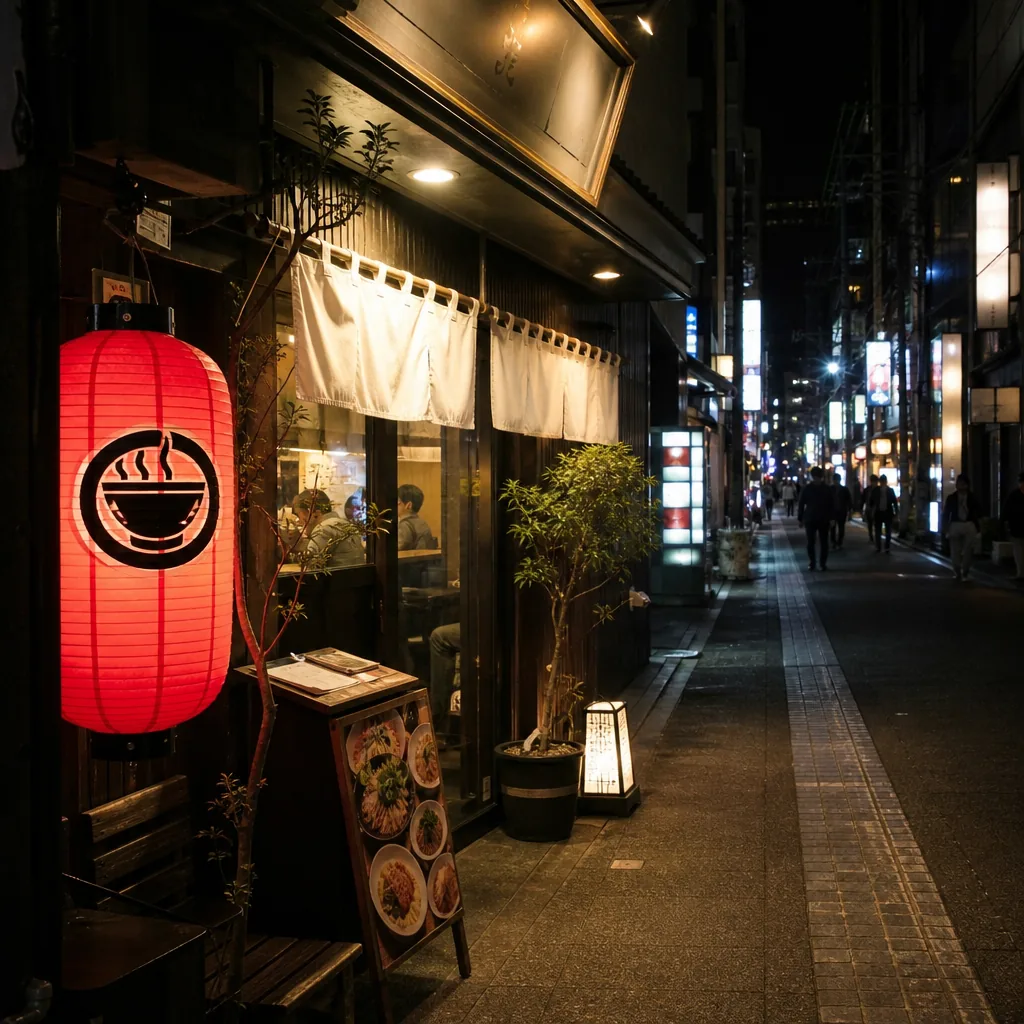
Looking for halal ramen in Kyoto after 10 p.m.? Here’s where to check, which areas are most practical, and how to verify hours and halal status.
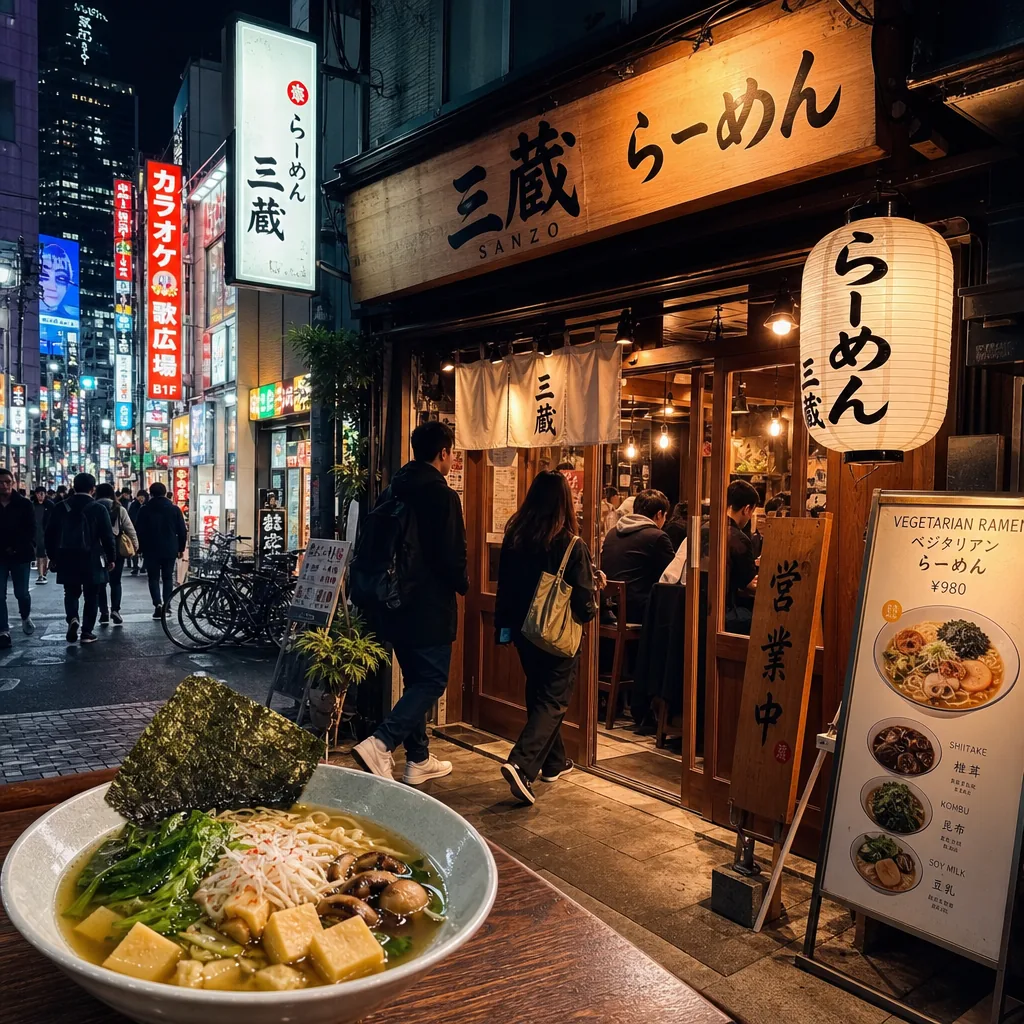
Find late-night vegetarian ramen in Tokyo by focusing on Shibuya, Shinjuku, and Roppongi, then verify broth, hours, and vegan menu details.