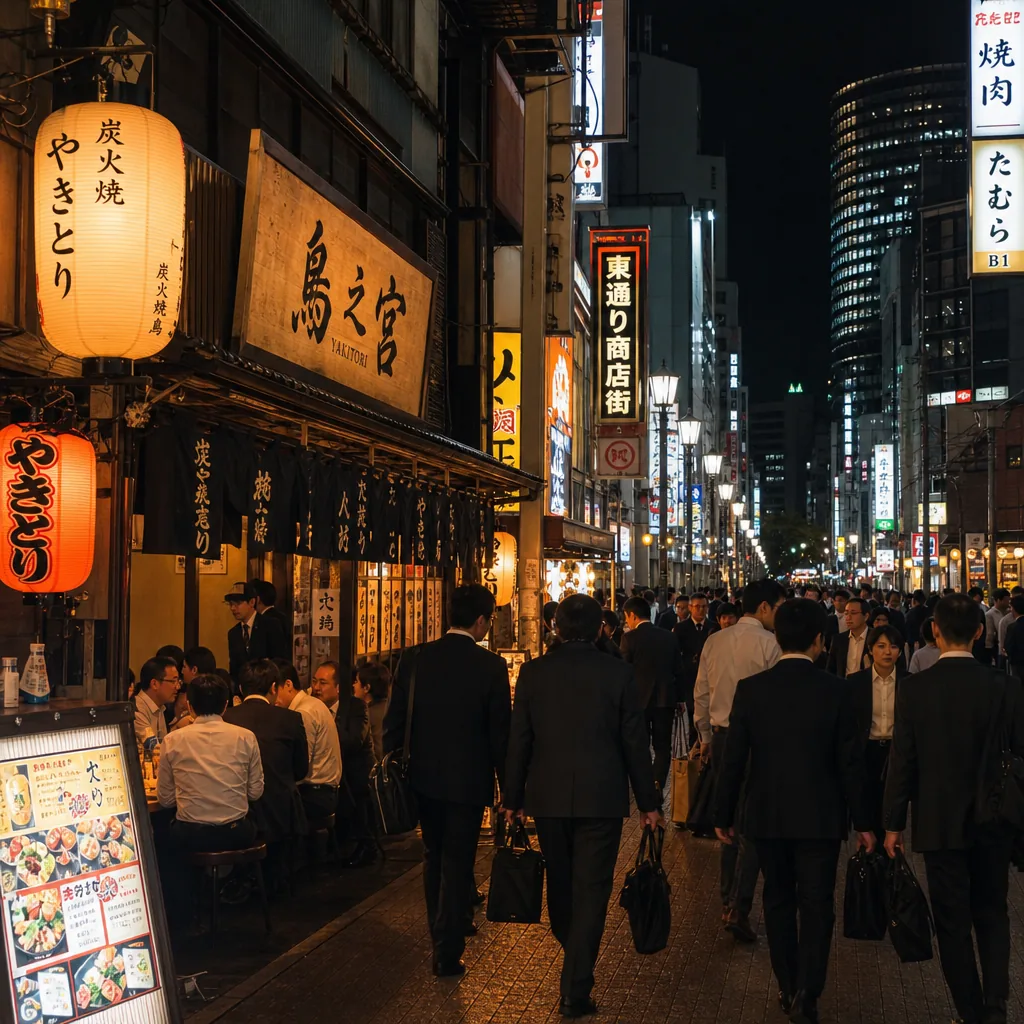
Where can I find english-friendly yakitori in Osaka after work?
Find English-friendly yakitori in Osaka after work by targeting Umeda, Namba, and Honmachi, plus booking sites and multilingual menus.
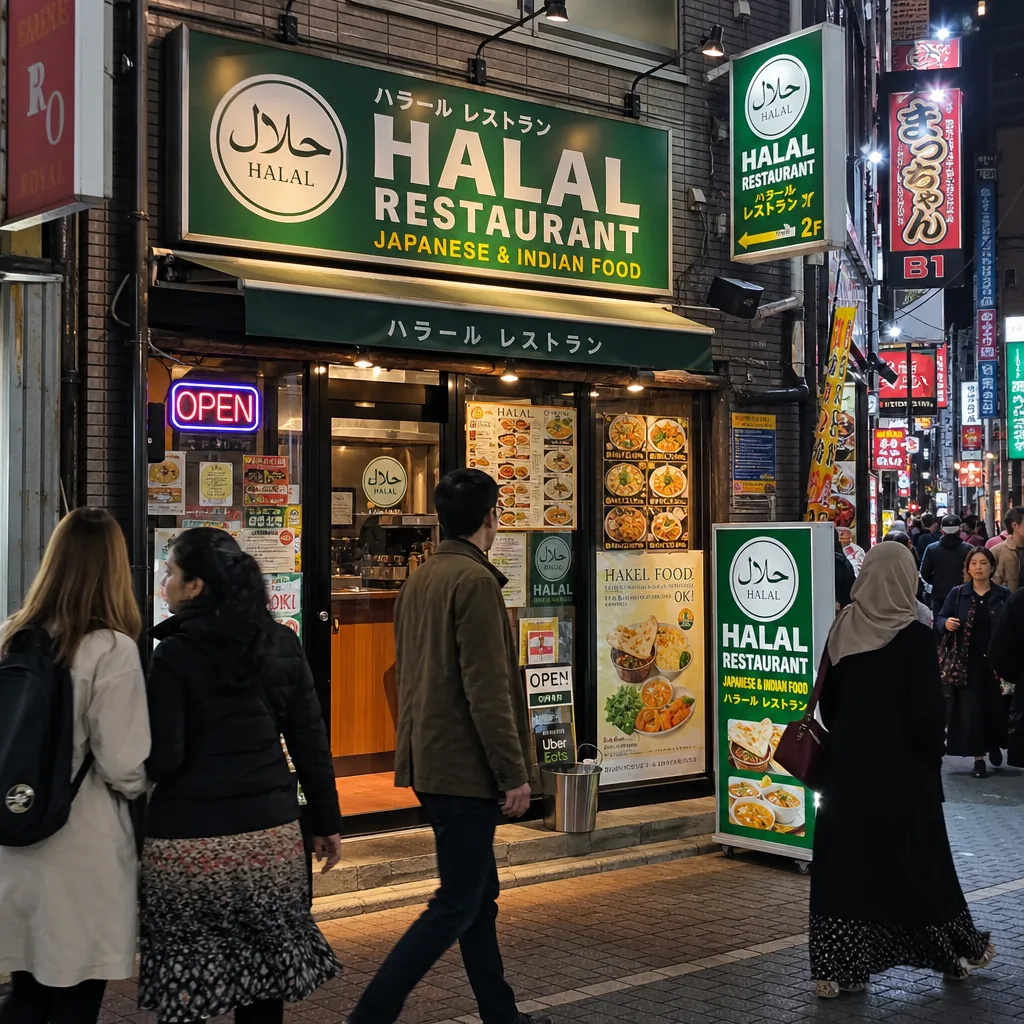
Shinjuku is one of the easiest parts of Tokyo for expats looking for halal or Muslim-friendly meals because it has multiple official restaurant guides, major transit access, and a wide mix of cuisines. Yes—near Shinjuku, you can find halal ramen, curry, yakiniku, and Turkish food, but you should still confirm each restaurant’s current halal policy before visiting because menus and kitchen rules can change [1][2].
For expats staying in central Tokyo, Shinjuku is practical because Shinjuku Station is one of the city’s biggest rail hubs. That matters when you are balancing work, sightseeing, and dinner plans: you can transfer through the area and still reach restaurants on foot without making a special trip across the city [4].
Tokyo’s official tourism site and the Japan National Tourism Organization both point visitors to halal and Muslim-friendly dining resources for Tokyo, including Shinjuku-area listings [1][2]. In other words, this is not a neighborhood where you have to rely only on word of mouth. You can start with public guides and then compare them with each restaurant’s own page or certification note.
The Tokyo Convention & Visitors Bureau maintains a Halal / Muslim-Friendly Restaurants in Tokyo page that lets you browse vetted options across the city [1]. JNTO also provides a halal and Muslim-friendly dining guide for Tokyo with searchable listings and restaurant descriptions [2]. These are useful because they help you separate fully halal restaurants from places that are only Muslim-friendly.
That distinction matters. A fully halal restaurant may avoid pork and alcohol entirely, while a Muslim-friendly restaurant might still serve non-halal items elsewhere on the menu or use a shared kitchen. Public guides often explain this difference, so read the notes carefully before you decide where to eat [1][2].
Shinjuku City’s official foreign resident page is also worth bookmarking if you live nearby. It is not a restaurant guide, but it is helpful for multilingual local information and resident support, which makes the area easier to navigate if you are new to Tokyo [3].
Public Tokyo guides and the JNTO database show that the Shinjuku area has more than one cuisine type available, which makes it easier to eat there repeatedly without getting bored [1][2][5]. Here are the kinds of places expats commonly use:
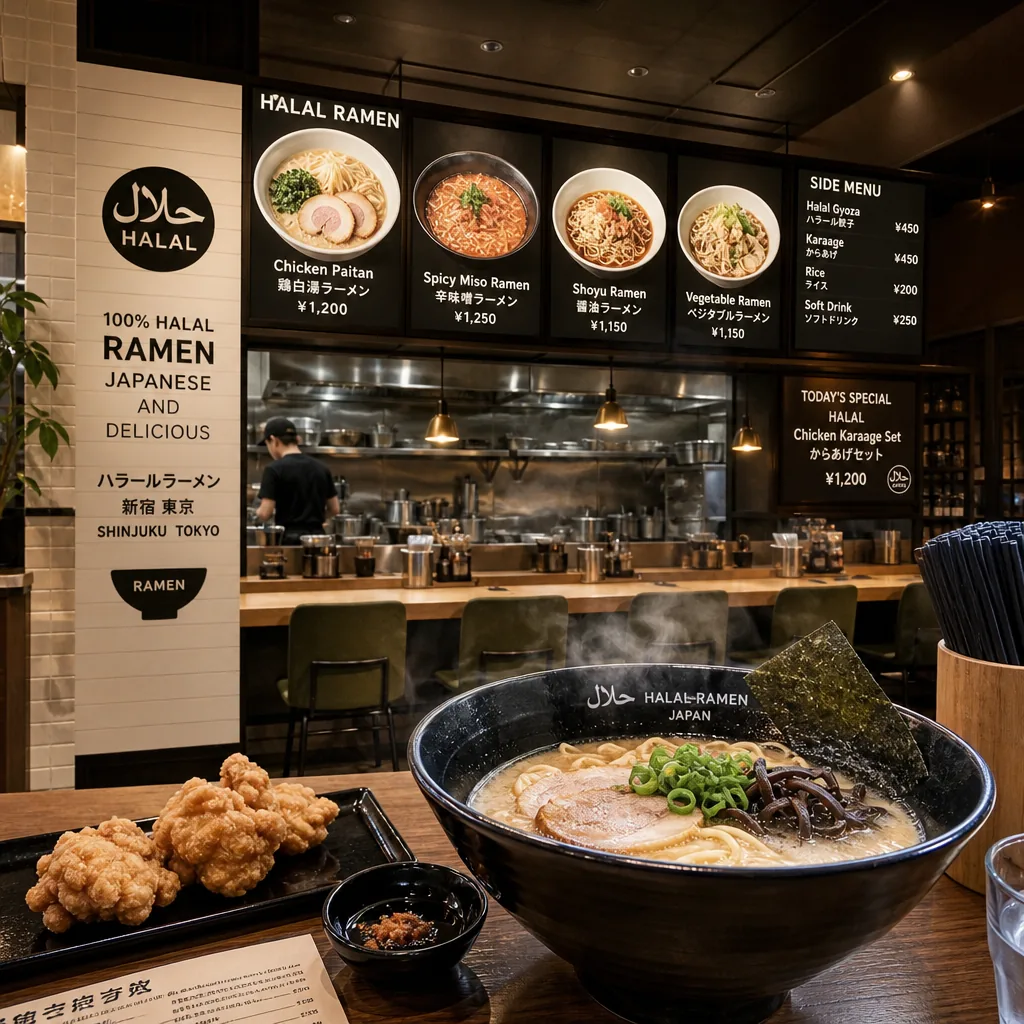
If you want a simple starting strategy, use an official guide first and then search by cuisine. For example, a halal ramen meal is often the easiest first choice because ramen shops in central Tokyo frequently post clear halal notices, and Shinjuku-area listings make them easy to find [1][2].
Another practical option is to search the Halal Gourmet Japan Shinjuku area listings before you leave your hotel. That site includes neighborhood-level entries and can help you identify restaurants by station exit or district, which is useful in a dense area like Shinjuku [5].
Do not assume a restaurant is still halal just because an old article said so. Tokyo restaurants can change suppliers, opening hours, or kitchen policies, and those updates may not appear everywhere at once [1][2].
If you are checking from your phone while walking around Shinjuku, official tourism pages are the safest starting point. They are more reliable than random map reviews because they show whether the restaurant is listed as halal or Muslim-friendly in a public Tokyo guide [1][2][4].
The biggest advantage of eating halal near Shinjuku is convenience. If you live in or near Shinjuku, you can often reach lunch or dinner spots without changing train lines, which saves time on weekdays and makes late dinners easier after work [4].
For visitors staying elsewhere in Tokyo, Shinjuku still works as a reliable meeting point because it is easy to reach from many parts of the city. That means you can plan a meal in the area and combine it with errands, shopping, or a transfer at the station rather than building a whole day around food [4].
Two practical place names to keep in mind are Shinjuku Station and Shinjuku City. The station is your transport anchor, while the city’s foreign-resident and multilingual resources can help if you need neighborhood information in English and other languages [3][4].
For a simple routine, think of Shinjuku as your halal dining base in Tokyo. Use Tokyo’s official halal restaurant guide, verify the restaurant’s current policy, and choose the cuisine you want—ramen, curry, Turkish, or yakiniku—based on what is closest to your station exit [1][2][5].
In short, expats can find halal restaurants near Shinjuku without much trouble if they rely on official Tokyo resources and confirm details before arriving. The area is one of the city’s most practical food bases for Muslim and Muslim-friendly diners, especially for anyone living, working, or transferring through central Tokyo [1][2][4].
CallButler is a multilingual concierge service that handles research, coordination, and bookings so you do not have to navigate language barriers or unfamiliar systems alone. If you need help related to Where can expats find halal restaurants in Tokyo near Shinjuku? or the tasks around it, our team can step in to manage the details and keep things moving smoothly.
Find English-friendly yakitori in Osaka after work by targeting Umeda, Namba, and Honmachi, plus booking sites and multilingual menus.
Looking for halal ramen in Kyoto after 10 p.m.? Here’s where to check, which areas are most practical, and how to verify hours and halal status.
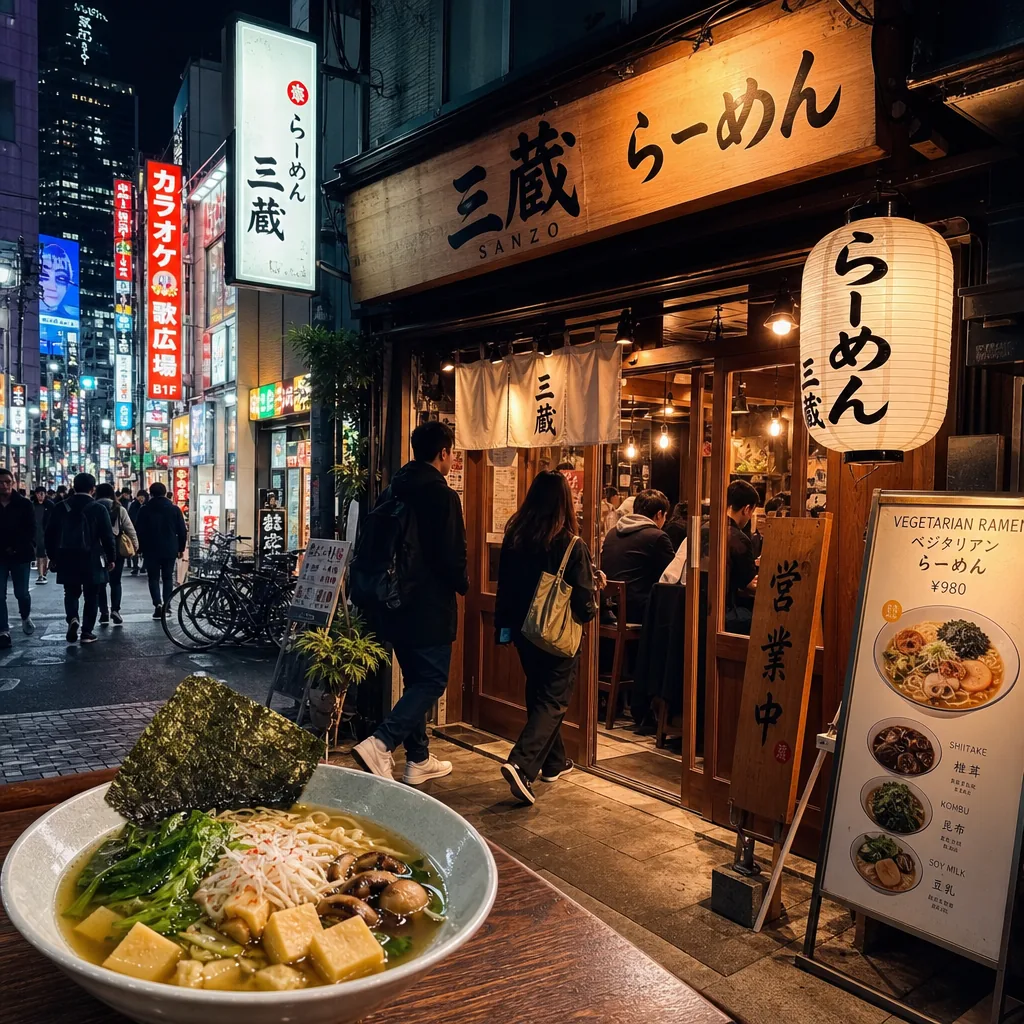
Find late-night vegetarian ramen in Tokyo by focusing on Shibuya, Shinjuku, and Roppongi, then verify broth, hours, and vegan menu details.