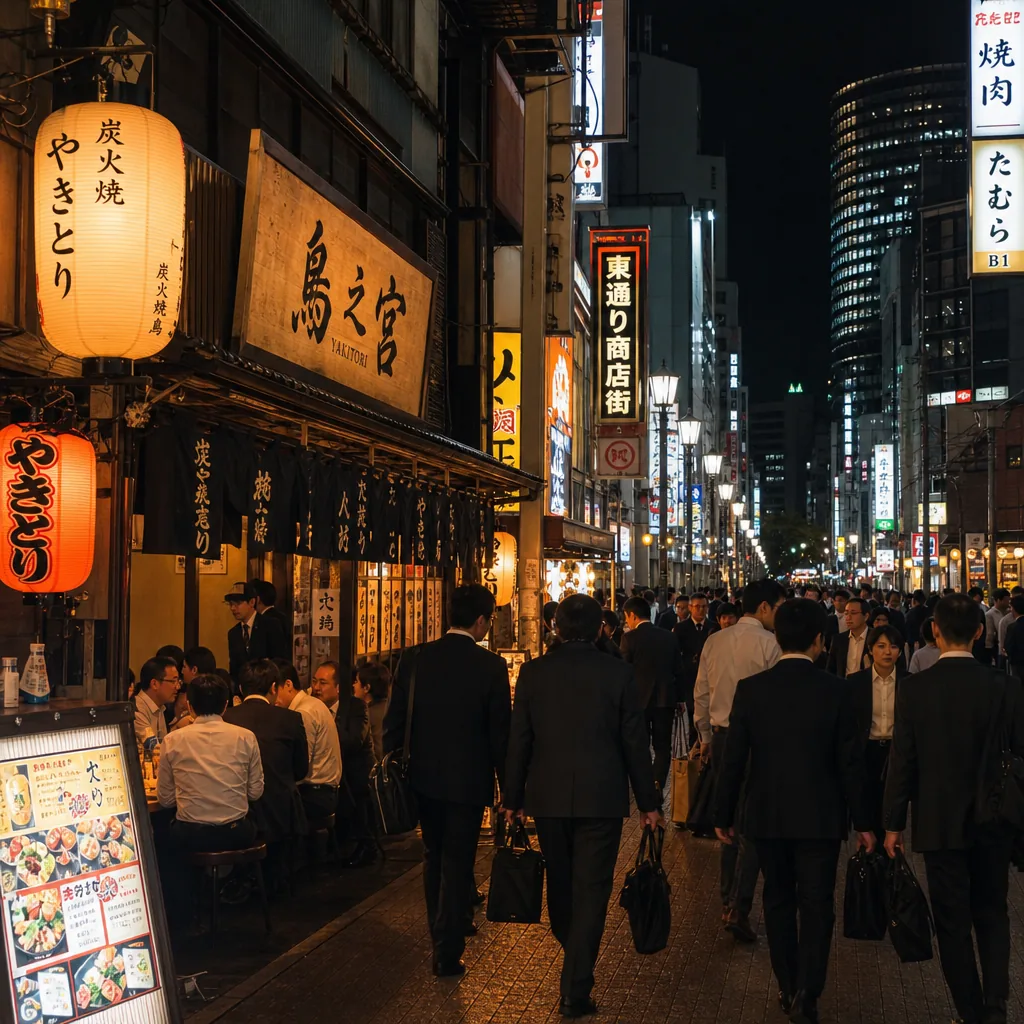
Where can I find english-friendly yakitori in Osaka after work?
Find English-friendly yakitori in Osaka after work by targeting Umeda, Namba, and Honmachi, plus booking sites and multilingual menus.
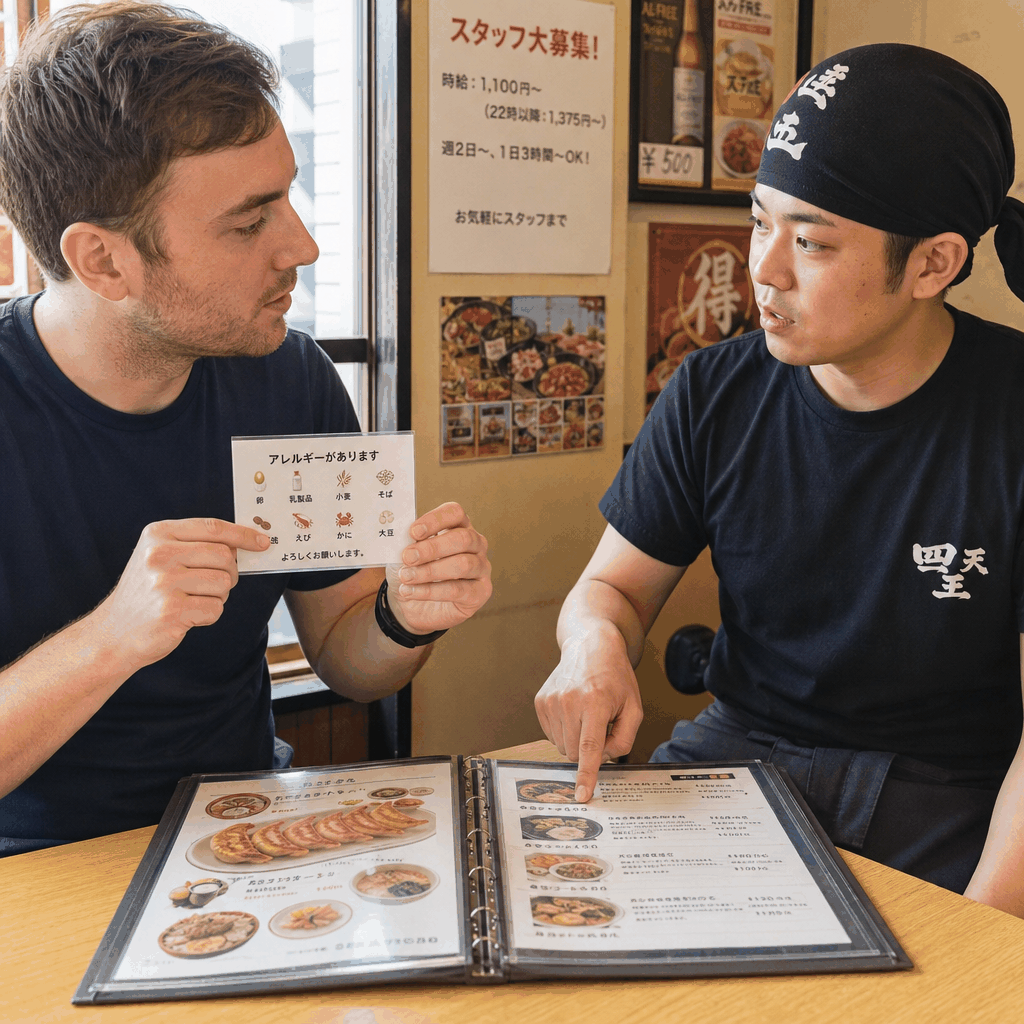
Yes—expats can manage food allergies in Osaka, but the safest approach is to combine clear Japanese communication, careful label reading, and direct confirmation with each restaurant. Osaka has useful visitor and multilingual support, yet many kitchens cannot guarantee zero cross-contact, so planning ahead matters more than assuming a menu is safe [1][2].
Food allergies in Osaka should be treated as a communication problem as much as a food problem. Even when a dish sounds simple, sauces, stocks, dressings, and fryer oil can contain allergens, and restaurants may use shared utensils or prep spaces that increase cross-contact risk. The Osaka Convention & Tourism Bureau’s dining guidance encourages visitors to check details in advance and use available information rather than relying on assumptions [1].
This is especially important in neighborhoods with dense dining scenes such as Umeda, Namba, and Shinsaibashi, where many restaurants are small and operate with limited kitchen space. If you have a severe allergy, do not treat “can remove the ingredient” as the same as “safe to eat.” Ask whether the kitchen can prepare the meal separately and whether the staff can confirm the full ingredient list [1].
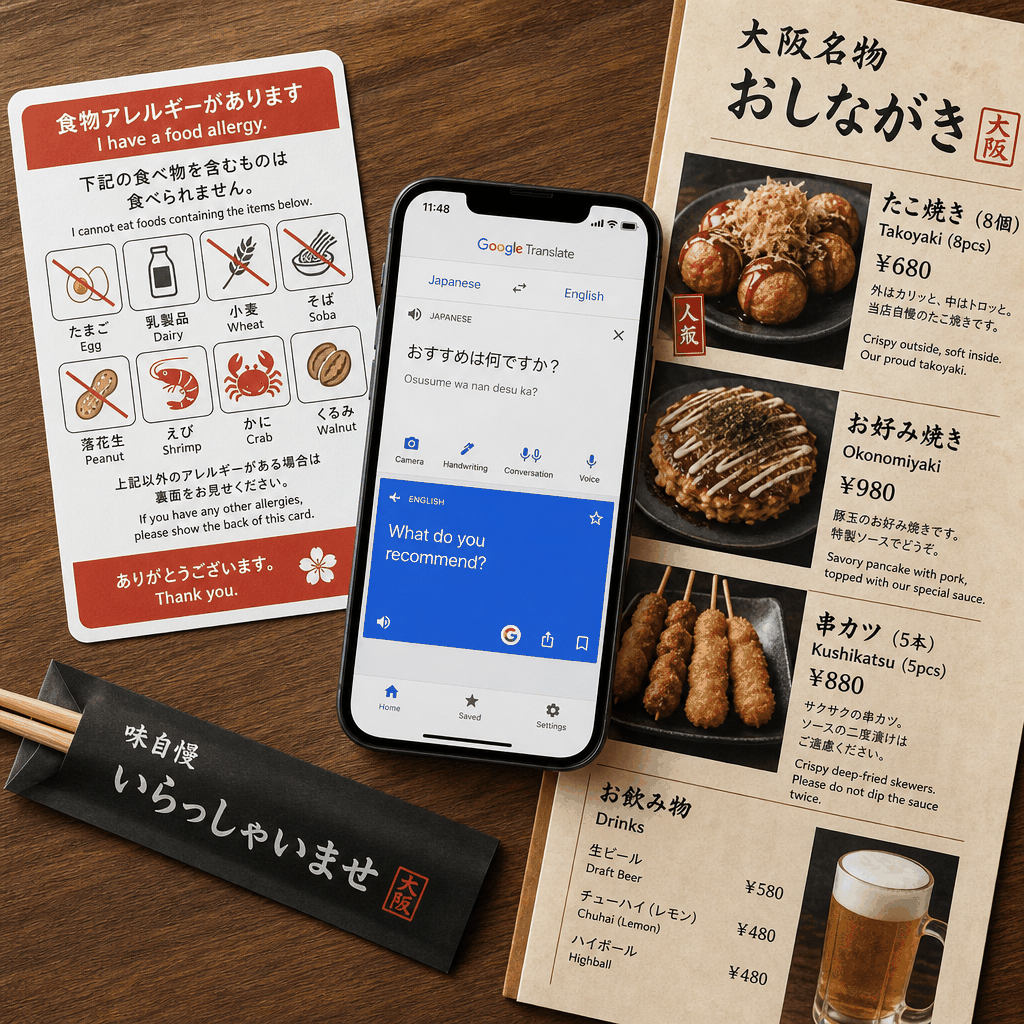
Spoken English alone is often not enough in busy restaurants, so a short written Japanese allergy card is one of the most practical tools you can carry. A card reduces misunderstandings and lets staff check ingredients without guessing. It is also useful if you cannot clearly explain your allergy under stress.
Include the allergen name, the severity of the reaction, and a clear instruction such as “Please do not use this ingredient, any sauces containing it, or utensils that touched it.” If possible, show the card before ordering at places like Ichiran in Dotonbori, Kuromon Market stalls, or family restaurants near Osaka Station, where staff may have to check with the kitchen before answering [1].
Helpful Japanese phrases include:
If your allergy is severe, keep the card simple and unambiguous. Staff are more likely to respond well to short instructions than long explanations.
Japan’s official food-labeling system is very useful for packaged foods, snacks, and supermarket items in Osaka, but you still need to know what to look for. The Consumer Affairs Agency states that Japan uses a list of 8 “specified” allergens that must be labeled on many packaged foods, and an additional 20 “recommended” allergens that are also commonly disclosed [2][3].
The 8 mandatory allergens are egg, milk, wheat, buckwheat, peanuts, shrimp, crab, and walnut [3]. The broader recommended list includes ingredients such as almond, abalone, orange, sesame, soy, chicken, pork, and more [3]. If you shop at a supermarket in areas like Tennoji or Sakaisuji-Hommachi, check the back label, not just the front-language marketing text.
For packaged foods, the label may be the most reliable source of information, but only if you read the exact ingredient names. The Consumer Affairs Agency’s food-labeling standards explain how allergen information is displayed, so it is worth becoming familiar with the layout before shopping [2].
Osaka does not have a single citywide “allergy-safe restaurant” standard, but it does have useful guidance for visitors. The Osaka Convention & Tourism Bureau’s “Dine in Osaka” page offers multilingual dining information and visitor support that can help you identify restaurants and communicate needs before you arrive [1]. Osaka Prefecture also provides multilingual support and medical information resources, which are useful if you need help finding services in English or other languages [5].
In practice, the best venues are those that answer questions clearly and do not overpromise. Good signs include staff willing to check ingredients with the kitchen, English or multilingual allergen notes, and a straightforward response when you ask about cross-contact. If a restaurant in Namba says they cannot confirm shared equipment or hidden ingredients, take that seriously and choose another place [1].
When searching in Osaka, prioritize businesses that already expect international visitors, such as restaurants near major transit hubs, hotel dining rooms, and tourist-focused areas. However, popularity does not equal safety: always confirm the specific dish you plan to order. The city’s official visitor resources are helpful for narrowing choices, but your final check should happen with the restaurant itself [1][5].
Even with careful planning, reactions can happen. Japan’s emergency number for ambulance and fire services is 119, and that is the number you should call if someone has a serious allergic reaction [4]. If you live in Osaka, save the number in your phone and make sure travel companions know it too.
Your emergency plan should include:
For expats with severe allergies, it is also smart to visit a local clinic in advance and learn how to explain your condition. Osaka Prefecture’s multilingual support pages can help you find medical information before you need it [5].
The safest routine in Osaka is simple: check, confirm, and repeat. Before you go out, decide what ingredients you must avoid. At the restaurant, use your allergy card and ask direct questions. For packaged food, inspect the label every time, even if you bought the item before, because recipes and suppliers can change [2][3].
If you remember only one thing, remember this: do not rely on a menu item name alone. In Osaka’s busy dining areas—from Dotonbori to Umeda—good communication is the difference between a stressful meal and a safe one. Use official Osaka and Japan resources, ask specific questions, and treat any uncertainty as a reason to choose a different dish [1][2][3].
CallButler is a multilingual concierge service that handles research, coordination, and bookings so you do not have to navigate language barriers or unfamiliar systems alone. If you need help related to How can expats manage food allergies when dining in Osaka? or the tasks around it, our team can step in to manage the details and keep things moving smoothly.
Find English-friendly yakitori in Osaka after work by targeting Umeda, Namba, and Honmachi, plus booking sites and multilingual menus.
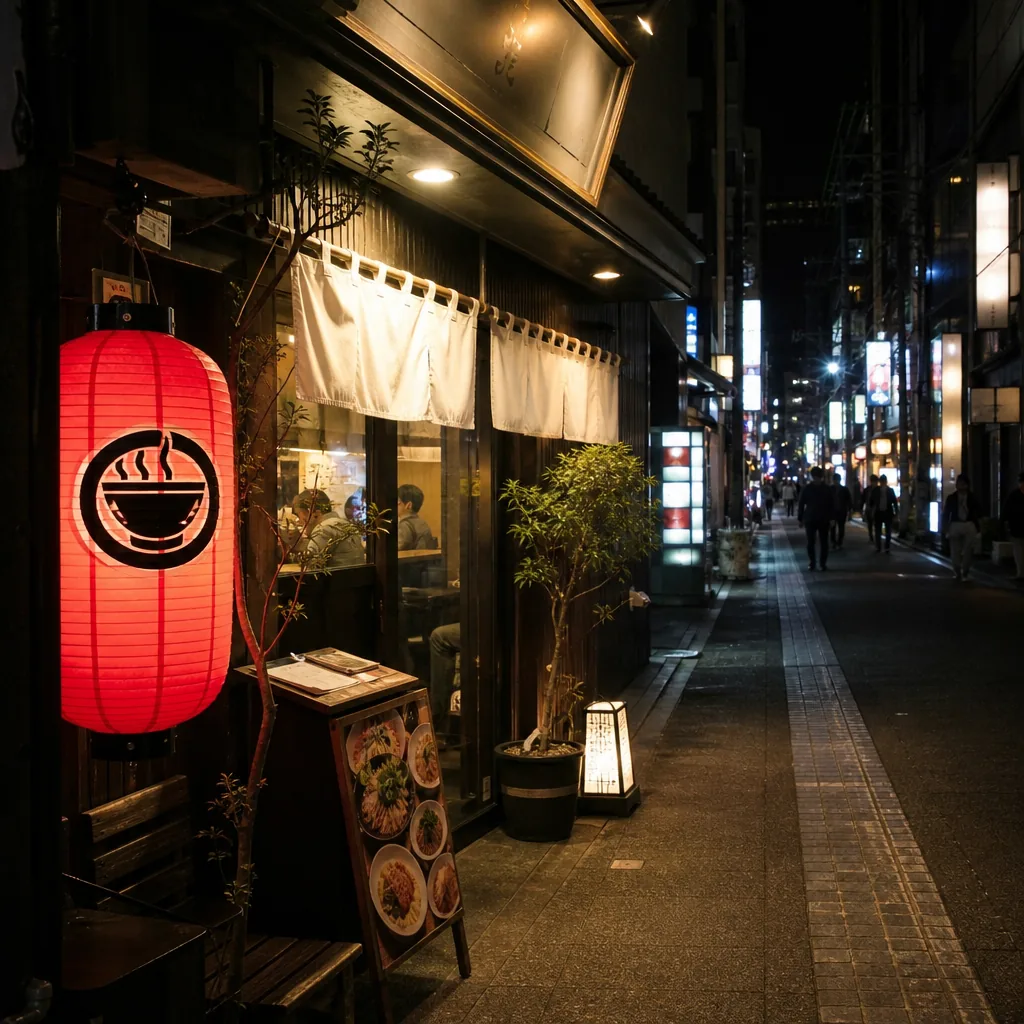
Looking for halal ramen in Kyoto after 10 p.m.? Here’s where to check, which areas are most practical, and how to verify hours and halal status.
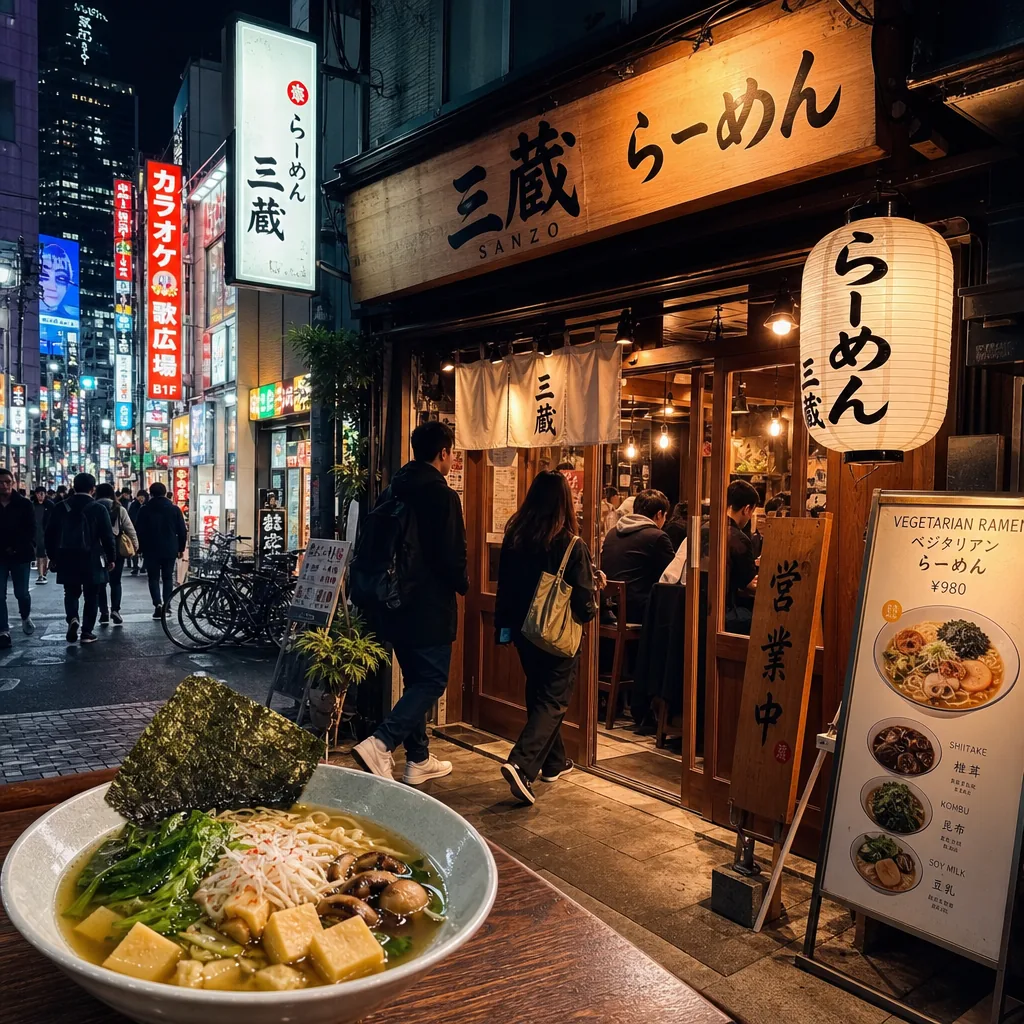
Find late-night vegetarian ramen in Tokyo by focusing on Shibuya, Shinjuku, and Roppongi, then verify broth, hours, and vegan menu details.