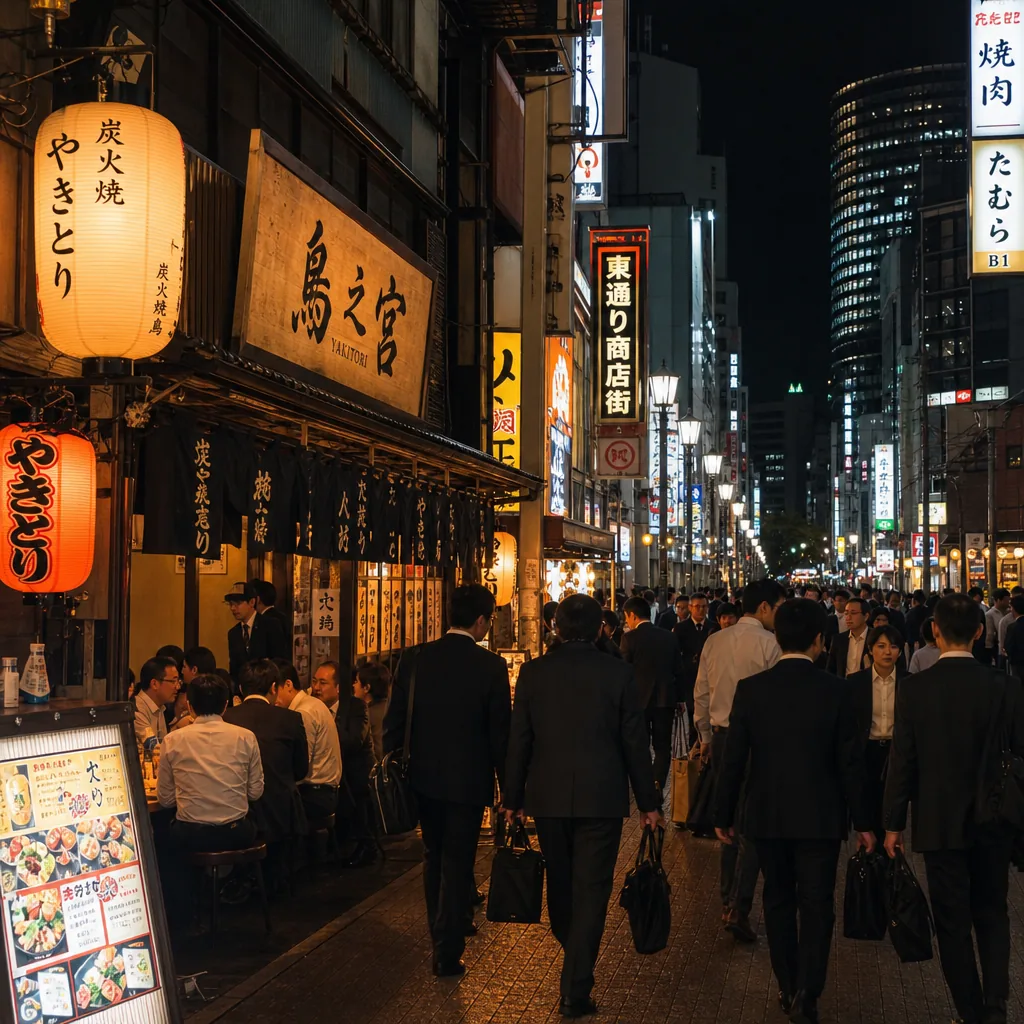
Where can I find english-friendly yakitori in Osaka after work?
Find English-friendly yakitori in Osaka after work by targeting Umeda, Namba, and Honmachi, plus booking sites and multilingual menus.
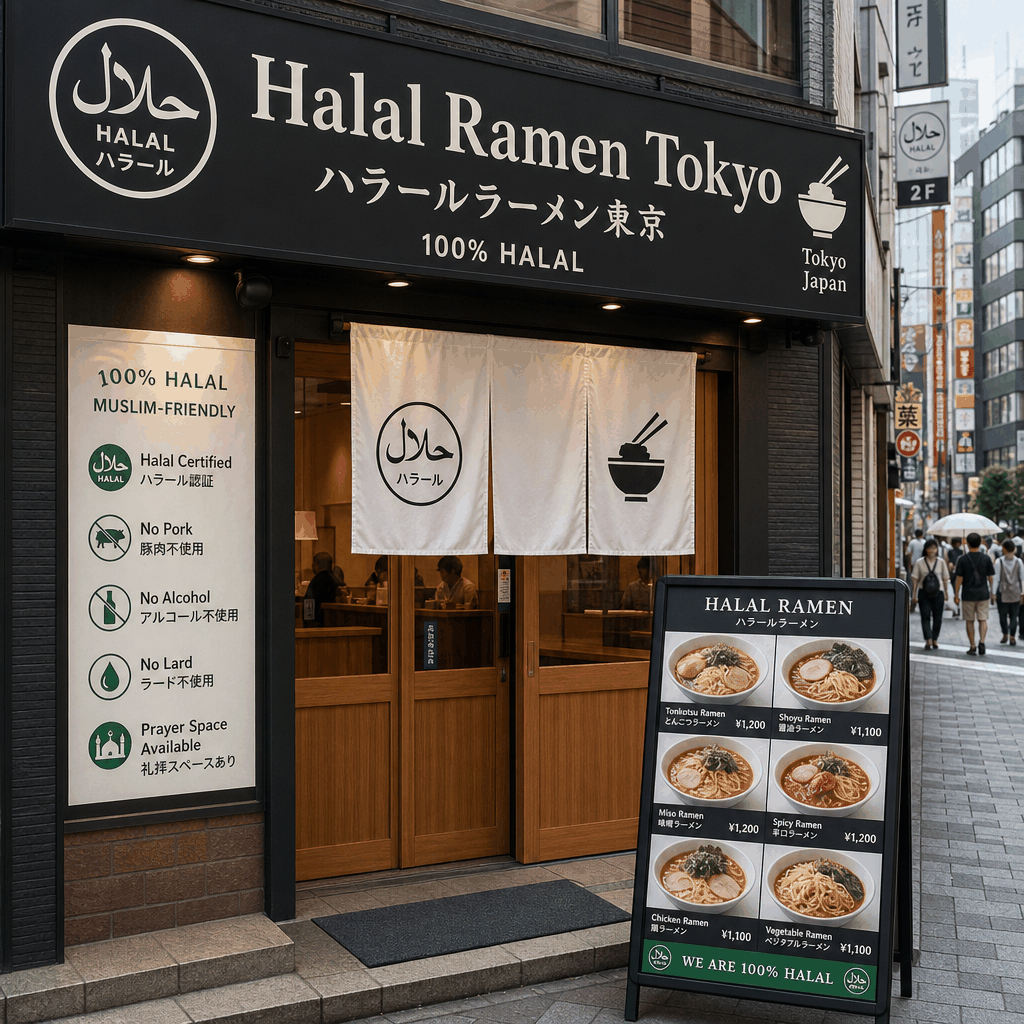
Yes—expats can find halal or Muslim-friendly restaurants in Tokyo by starting with official tourism guides, then confirming details directly with each restaurant before going. Tokyo’s options are real but uneven, so the safest approach is to use trusted directories and verify ingredients, alcohol use, and prayer arrangements yourself [1][2][3].
In Tokyo, “halal” usually means a restaurant follows Islamic dietary rules more strictly, while “Muslim-friendly” often means the venue has made some accommodations but may not be fully certified [1][2][3]. That distinction matters because a place can be welcoming to Muslim diners without meeting every halal requirement, especially around sauces, broth, and shared kitchen equipment [1][3].
Tokyo tourism resources explicitly recommend checking whether ingredients such as mirin, cooking wine, gelatin, and alcohol-based sauces are used, and whether shared fryers or cookware may cause cross-contact [1][2][3]. If you keep a strict diet, treat “Muslim-friendly” as a starting point, not a guarantee.
The most reliable first stop is the Tokyo Convention & Visitors Bureau’s halal and Muslim-friendly information page, which points travelers to restaurant options and practical dining notes across the city [1]. The Tokyo Metropolitan Government also publishes a halal and Muslim-friendly guide, which is useful because it collects city-level information in one place [2].
For broader Japan-wide context, the Japan National Tourism Organization’s Muslim Travelers page explains what to look for in restaurant listings and how to confirm food suitability before visiting [3]. These official resources are especially useful for expats because they reduce guesswork and are updated for visitors rather than only local residents.
In practice, many expats also check mosque-linked resources. Tokyo Camii & Diyanet Turkish Culture Center is a useful reference point in the city because mosque websites often share nearby halal food options, prayer information, and community guidance [5]. That can be especially helpful when you want to combine a meal with a prayer stop in the same area.
Do not rely on a single “halal” label. Tokyo’s official guides and JNTO both stress verifying the details directly, because certification status, cooking methods, and alcohol handling vary from one restaurant to another [1][2][3].
Before you reserve a table or walk in, check these points:
Calling ahead is often the best move. Even when a restaurant is not officially certified, many Tokyo restaurants can adjust a dish or explain ingredients clearly if you ask in advance [3]. If you are uncertain, check the official website or message the restaurant rather than relying on a third-party review.
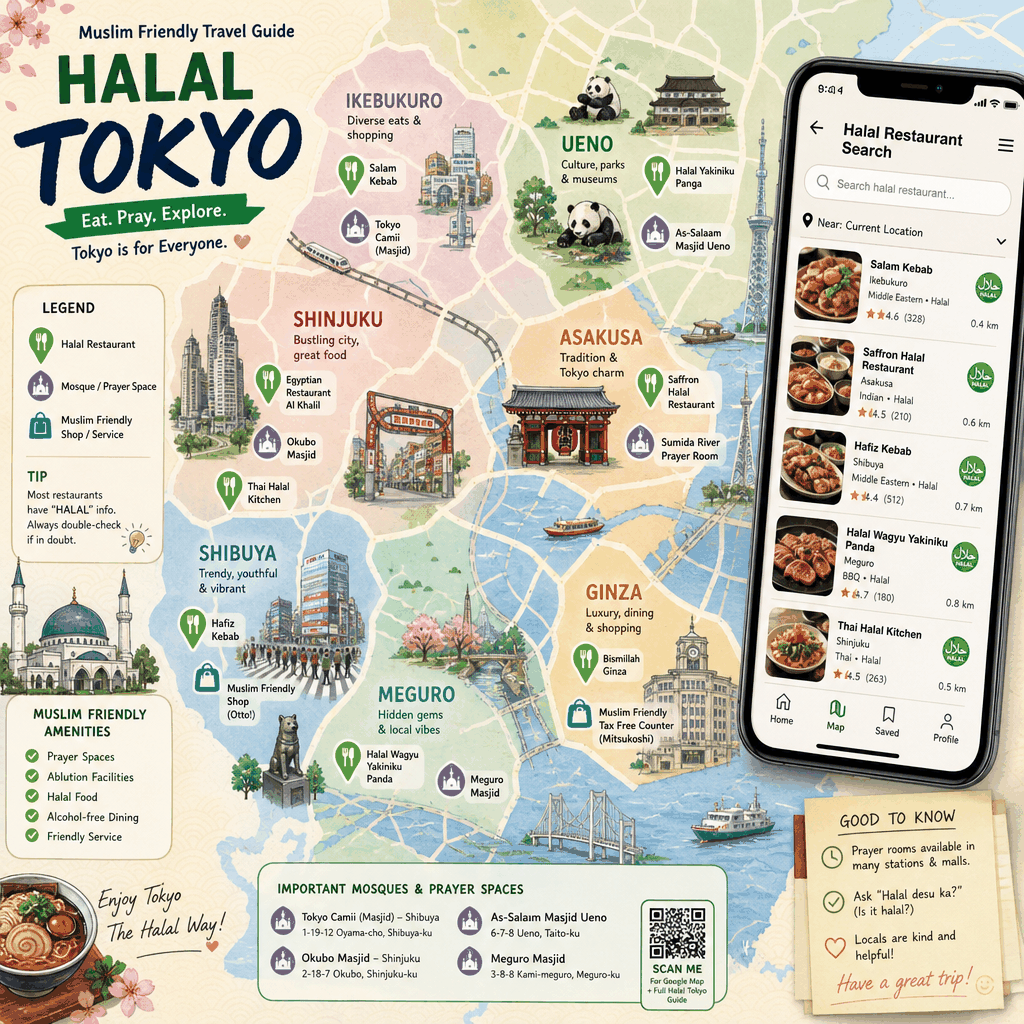
Some Tokyo neighborhoods are simply easier than others for Muslim diners. Areas with many international visitors—especially Asakusa, Shinjuku, Shibuya, and districts around major stations—tend to have more halal or Muslim-friendly choices [1][2]. That does not mean every restaurant there is suitable, but the odds are better.
Asakusa is a practical place to start because it draws heavy tourism and is often included in visitor dining guides [1][2]. Shinjuku and Shibuya are useful if you want broader cuisine choices and late opening hours, though you still need to verify ingredients carefully [1][3]. If you are near a major station, check official tourism listings first, then confirm details with the venue before heading over.
For a mosque-based anchor, Tokyo Camii in Yoyogi-Uehara is one of the best-known Muslim facilities in the city and a helpful reference point when planning meals in the surrounding area [5]. It is not just a place of worship; it also helps expats orient themselves to services and nearby Muslim-friendly stops.
When you build your Tokyo halal list, it helps to focus on named places that official and community resources already highlight. Good examples include Tokyo Camii & Diyanet Turkish Culture Center in Yoyogi-Uehara, which can guide you toward nearby Muslim-friendly options [5], and visitor-facing district resources from Asakusa, Shinjuku, and Shibuya listed by Tokyo tourism organizations [1][2].
The point is not that every restaurant in these areas is automatically suitable. Rather, these neighborhoods are where official guides are more likely to surface useful options, making your search faster and more reliable [1][2][3].
Clear communication matters. A few simple questions can prevent mistakes and also show respect for the staff trying to help you.
Japanese restaurant staff often appreciate direct, polite questions asked before ordering. If the menu is unclear, point to a dish and ask for the ingredient list or the official website. That is especially important with ramen, curry, and sauces, where broth and seasoning can include non-halal ingredients [1][3].
If you follow strict halal rules, prioritize certified restaurants and mosque-linked recommendations, then confirm every ingredient yourself [3][4][5]. If you are comfortable with Muslim-friendly but not fully certified venues, Tokyo’s official guides can open up far more options, especially in tourist-heavy neighborhoods [1][2].
For families or visitors with mixed needs, it can help to search for restaurants that clearly label allergy information and dietary notes, since many major public tourism resources in Japan now include this kind of guidance alongside halal details [1][2][3].
In short, the best strategy in Tokyo is to use official sources first, compare them with mosque or foundation guidance, and then verify the restaurant directly. That approach gives you the widest choice while keeping your dining experience predictable and stress-free [1][2][3][4][5].
CallButler is a multilingual concierge service that handles research, coordination, and bookings so you do not have to navigate language barriers or unfamiliar systems alone. If you need help related to How can expats find halal or Muslim-friendly restaurants in Tokyo? or the tasks around it, our team can step in to manage the details and keep things moving smoothly.
Find English-friendly yakitori in Osaka after work by targeting Umeda, Namba, and Honmachi, plus booking sites and multilingual menus.
Looking for halal ramen in Kyoto after 10 p.m.? Here’s where to check, which areas are most practical, and how to verify hours and halal status.
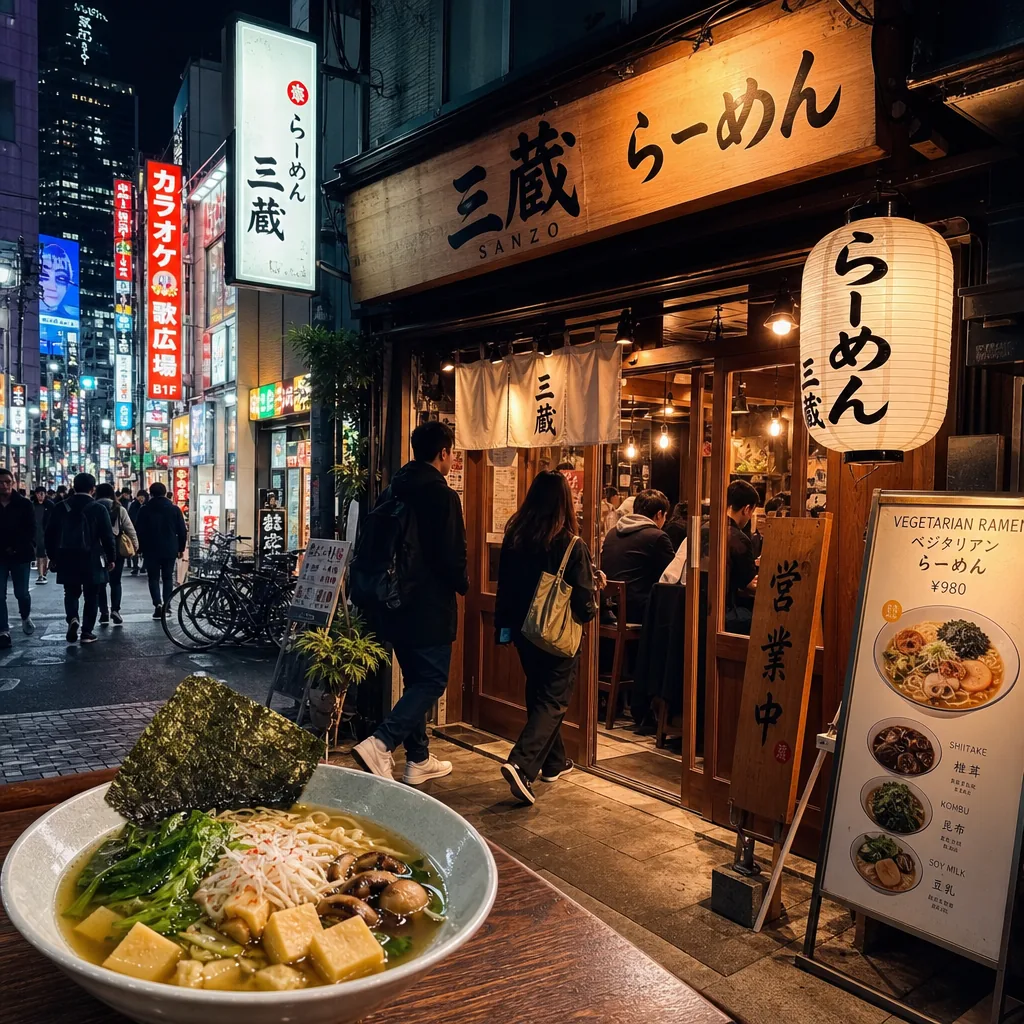
Find late-night vegetarian ramen in Tokyo by focusing on Shibuya, Shinjuku, and Roppongi, then verify broth, hours, and vegan menu details.