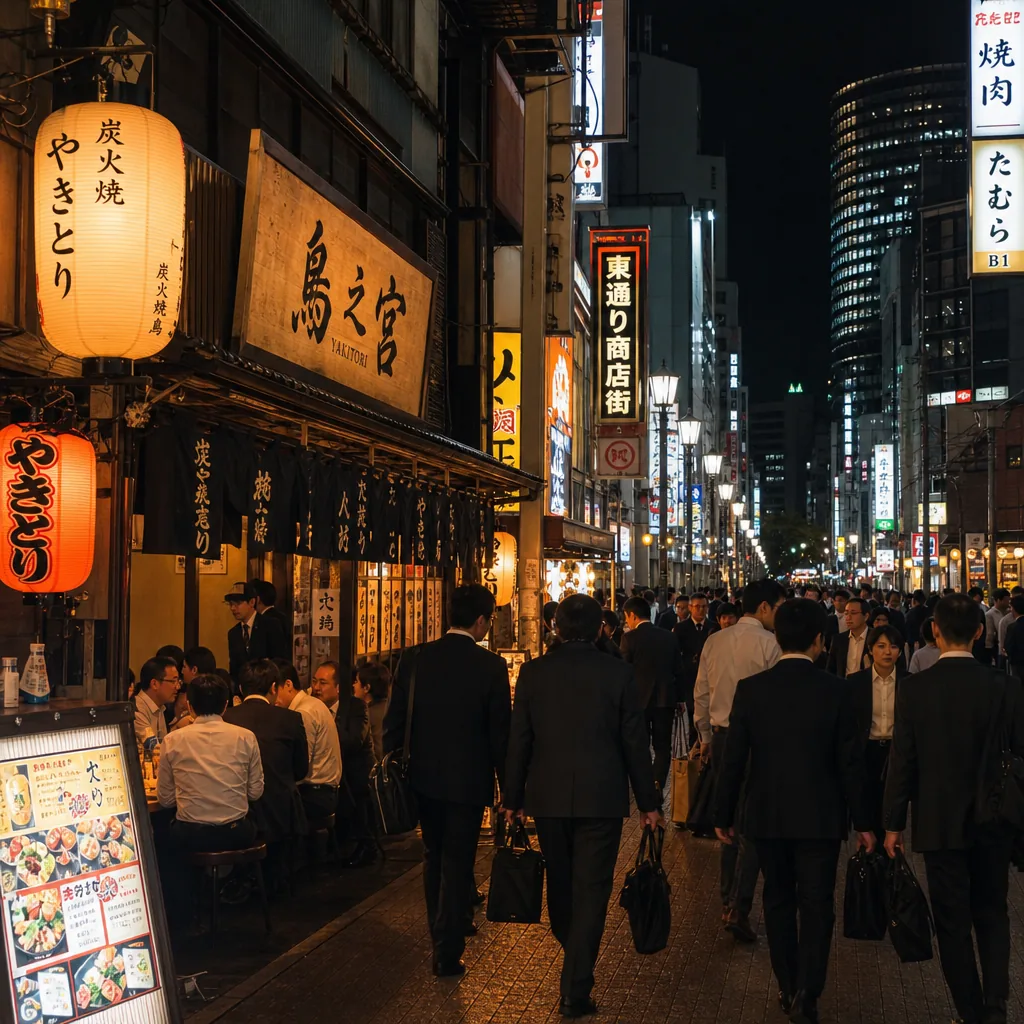
Where can I find english-friendly yakitori in Osaka after work?
Find English-friendly yakitori in Osaka after work by targeting Umeda, Namba, and Honmachi, plus booking sites and multilingual menus.
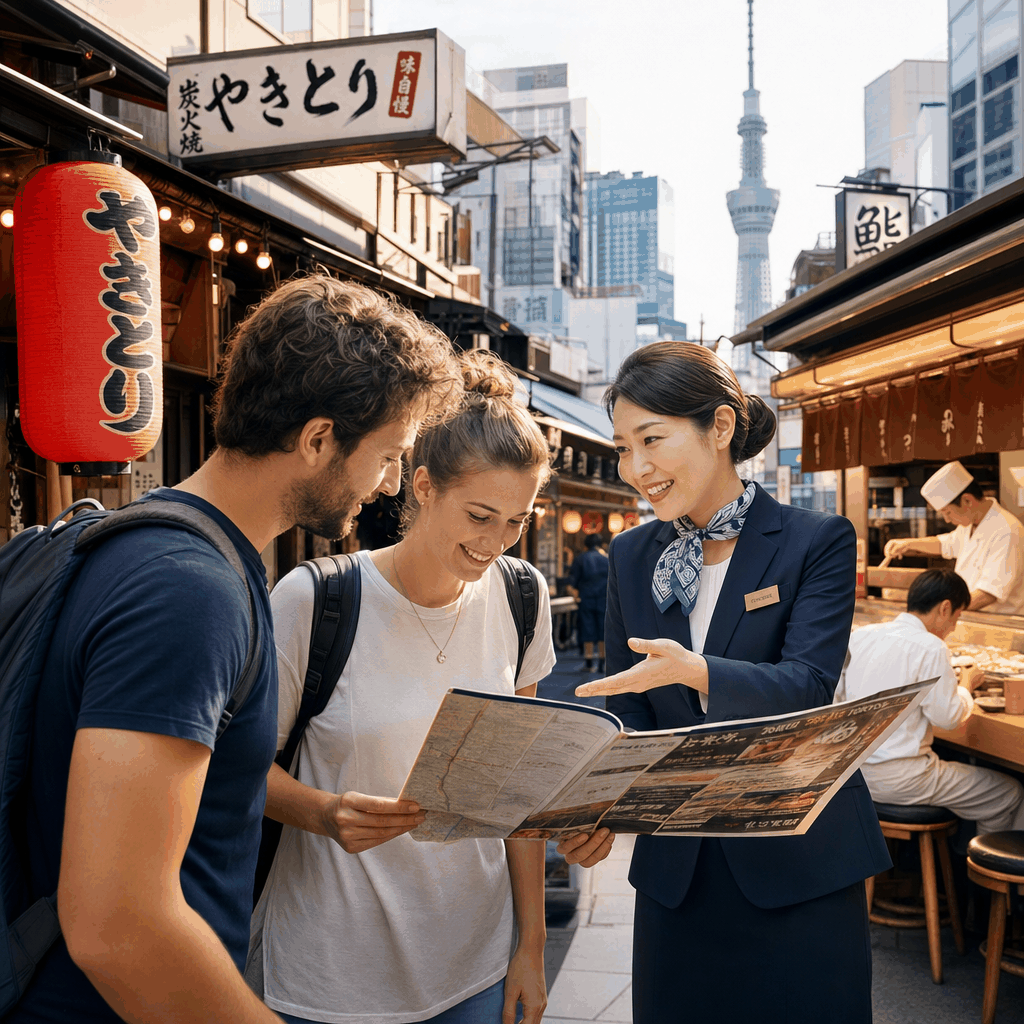
A Tokyo concierge can absolutely turn a food trip into a smooth, well-timed itinerary: they can book hard-to-get restaurants, line up neighborhood food tours, and coordinate transport between markets, dining districts, and hotels. In Tokyo, this often means multilingual support, practical route planning, and advance coordination with venues so you spend less time navigating and more time eating.
Tokyo’s tourism support network is unusually strong, which makes concierge help especially useful for visitors who want to focus on food. The Tokyo Metropolitan Government’s official tourism site, Go Tokyo, and the Tokyo Convention & Visitors Bureau (TCVB) both provide visitor-oriented guidance, while TCVB’s Tourist Information Centers can help international travelers with on-the-ground information [1][4][5].
For food tours, a concierge can help match the type of experience you want with the right area and format. That could mean a guided market walk near Tsukiji, an izakaya crawl in Shinjuku, a dessert stop in Ginza, or a traditional snack route in Asakusa [1][4]. Some concierges work with private guides or tour operators, while others simply coordinate the logistics so you can move from one stop to another efficiently.
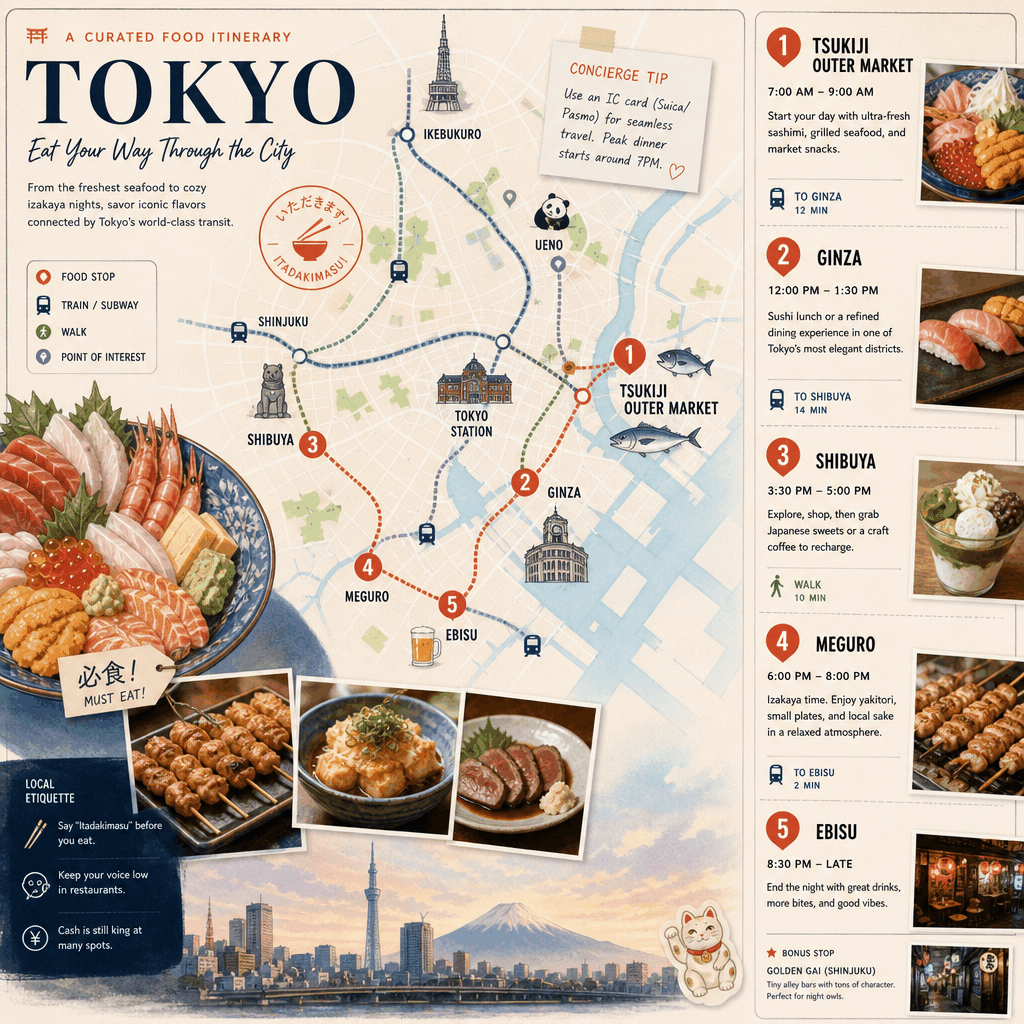
In practical terms, that support can include:
Tokyo has many sought-after dining rooms, and limited-seat venues can be difficult to book without local help. A concierge can often make the process smoother by calling restaurants directly, confirming availability, and explaining guest preferences in Japanese when needed. This is especially helpful when a restaurant has strict reservation windows, fixed course menus, or a small number of seats.
Because Tokyo’s official tourism resources and transport information are available in multiple languages, concierges can use those tools to check opening hours, access details, and nearby station exits before they confirm a booking [1][2][3]. Tokyo Metro’s English travel information is especially useful for understanding which stations serve a particular dining district and which exits are best for walking routes [2].
Here is how the booking process usually works:
For visitors, this is especially useful in neighborhoods where restaurants can be tucked away on side streets or inside buildings. In Ginza, for example, a concierge can help you get to a specific restaurant without wasting time wandering between blocks. In Shinjuku, where dining options are dense and varied, a concierge can help narrow choices and organize a sensible sequence of stops [1][4].
Food tours in Tokyo often depend on tight timing, so transportation assistance matters. A concierge can explain how to move between a hotel, a market, and an evening reservation using Tokyo Metro lines, JR connections, or taxis. Tokyo Metro’s travel information gives station maps, route details, and guidance that can help visitors understand the system before they head out [2].
Concierge travel support commonly includes airport transfers, station-to-station guidance, taxi booking, and day-trip planning. If you are arriving at Haneda or Narita and need to reach a food-focused hotel or a neighborhood like Asakusa or Shibuya, a concierge can outline the simplest route and estimate how much time to leave for baggage, transfers, and check-in [1][3].
That can be especially valuable if you are planning a full day around food stops. For example, a concierge might advise an early Tsukiji-area breakfast visit, a midday transfer to Asakusa, and dinner in Shibuya or Ginza, with enough buffer time for train delays or taxi pickup. They can also help with day-trip logistics if your Tokyo stay includes a side trip, while still keeping your dining reservations on schedule [1][3].
Tokyo’s strongest food itineraries usually center on neighborhoods that offer both variety and clear transit access. The city’s official tourism resources highlight many of these districts, and each one supports a different style of eating [1][4].
These areas work well because they connect easily to Tokyo’s rail system and visitor services. A concierge can use Tokyo Metro information to choose the best station exits and reduce walking time between stops [2]. That matters in a city where a food tour might involve several addresses in one day and little margin for error.
The TCVB also maintains Tourist Information Centers that can support visitors in Tokyo with practical travel guidance [5]. For a guest building a food itinerary, that means there is both hotel-side and city-side help available if plans change during the day.
The best results come from giving the concierge specific details early. Tokyo restaurants and tour operators are more likely to respond well when they receive clear information about dates, group size, arrival times, and dietary needs. If you wait until the last minute, your options may narrow quickly, especially for popular dining rooms or private guides.
Use these tips to make the most of concierge help:
If you are planning a multi-stop day, ask the concierge to build in travel buffers. Tokyo is efficient, but market visits, meal durations, and train transfers still take time. A realistic plan is usually better than trying to squeeze in too many stops, especially if one of them is a high-demand restaurant.
Most importantly, use the concierge as a translator of local systems, not just as a booking desk. Tokyo’s visitor resources, transit maps, and multilingual support are strong [1][2][4][5], but a good concierge can connect those tools into one usable plan. That is what makes a Tokyo food trip feel easy: the right restaurant, the right route, and the right timing all lined up before you leave the hotel.
CallButler is a multilingual concierge service that handles research, coordination, and bookings so you do not have to navigate language barriers or unfamiliar systems alone. If you need help related to How can a Tokyo concierge arrange food tours and travel assistance? or the tasks around it, our team can step in to manage the details and keep things moving smoothly.
Find English-friendly yakitori in Osaka after work by targeting Umeda, Namba, and Honmachi, plus booking sites and multilingual menus.
Looking for halal ramen in Kyoto after 10 p.m.? Here’s where to check, which areas are most practical, and how to verify hours and halal status.
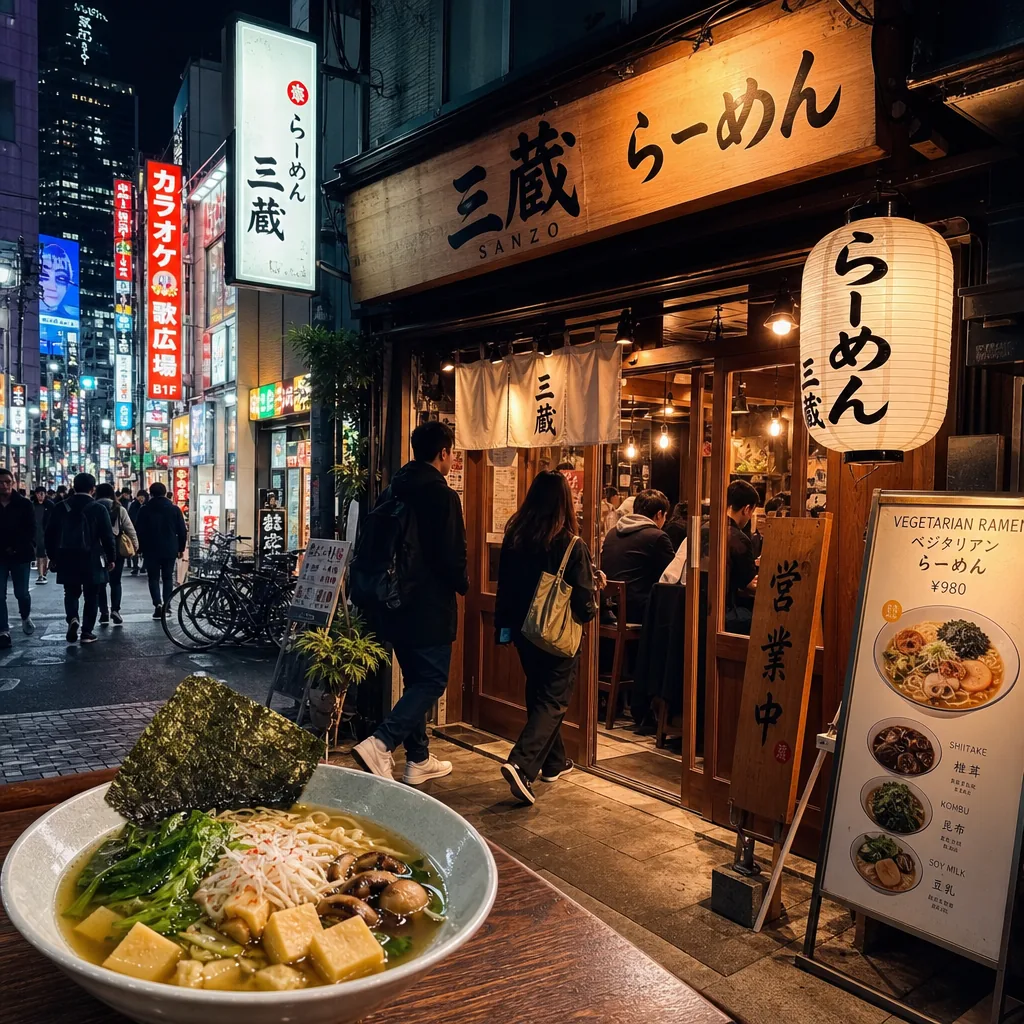
Find late-night vegetarian ramen in Tokyo by focusing on Shibuya, Shinjuku, and Roppongi, then verify broth, hours, and vegan menu details.