
Where can I find english-friendly yakitori in Osaka after work?
Find English-friendly yakitori in Osaka after work by targeting Umeda, Namba, and Honmachi, plus booking sites and multilingual menus.

Yes— a concierge can set up grocery delivery for expats in Tokyo by choosing a service that matches the address, language needs, and delivery timing, then placing the order with clear apartment instructions. In practice, the most reliable options are supermarket-run services and delivery platforms that offer scheduled slots, defined delivery areas, and straightforward payment rules [1][2][3].
Tokyo has a dense grocery delivery market, but the key is not just finding a service—it is finding one that actually serves the exact neighborhood and building. Tokyo Metropolitan Government’s Living in Tokyo guide points newcomers to city services and daily life support, while Shinjuku City’s English information page is a reminder that local ward websites can help confirm practical living details such as office contacts and daily-life guidance [4][5].
For grocery delivery, concierges should first narrow the choices to services that can handle repeat household orders. Supermarket-operated systems such as SEIYU NetSuper and Aeon Net Super are useful because they are built around scheduled delivery and standard grocery baskets, while Oisix can work well for households that want curated food boxes and regular deliveries [1][2][3].
The safest workflow is to register only after checking the delivery area and delivery rules. SEIYU NetSuper and Aeon Net Super both operate official online shopping services with order placement through their websites, and Oisix provides a “How to Use” guide that explains how customers can place orders through its service flow [1][2][3]. That means the concierge can usually complete the setup by creating the account, entering the Tokyo delivery address, and selecting the earliest available slot.
A practical approach is to gather all required details before ordering. For Tokyo apartments, this should include the building name, room number, floor, buzzer or intercom notes, and whether the front desk accepts deliveries. If the household is in Shinjuku, for example, the concierge can also check the ward’s official foreign-language living information page to support basic city-life orientation and to confirm any local contact channels that may matter for residents [5].
Language support is often the first operational issue. Some Japanese grocery sites are easier to use than others, but concierges should not assume English support unless it is clearly shown on the service. Tokyo Metropolitan Government’s English guide is helpful for general life information, but the grocery order itself still needs to follow the retailer’s own interface and rules [4].
Payment also varies by provider, so confirm this before shopping. The exact method can depend on the retailer and account type, which is why the concierge should check the official pages before assuming a card or cash option is available [1][2][3]. The same applies to product categories: chilled, frozen, and fresh items often have stricter handling and delivery windows, so weekly ordering should be built around those limits rather than around convenience alone.
In Tokyo, this matters because apartment households often need all shopping to arrive at a specific time. For example, a concierge arranging a weekly order for a family in Shinjuku or a long-stay apartment in central Tokyo should verify whether the site supports scheduled delivery and whether the slot can be changed after checkout [2][3].
Building access is one of the most common reasons deliveries fail. Concierges should spell out the access rules in the order notes: building name, room number, front-desk handling, and any gate code or delivery desk instructions. If the property has a reception or management office, the concierge should confirm whether the carrier may leave groceries there or must bring them to the unit.
Timing matters just as much. Supermarket services such as SEIYU NetSuper and Aeon Net Super emphasize delivery scheduling, so the concierge should choose a slot that fits the resident’s routine rather than ordering at the last minute [2][3]. This is especially important for chilled or frozen foods, which are more sensitive to missed handoff windows.
Tokyo’s neighborhoods vary in how easy it is for couriers to reach a door, so the safest plan is to keep instructions short, specific, and repeatable. A reusable note such as “Please deliver to front desk on arrival; room 1208 will receive after 7 p.m.” is more effective than a vague request. 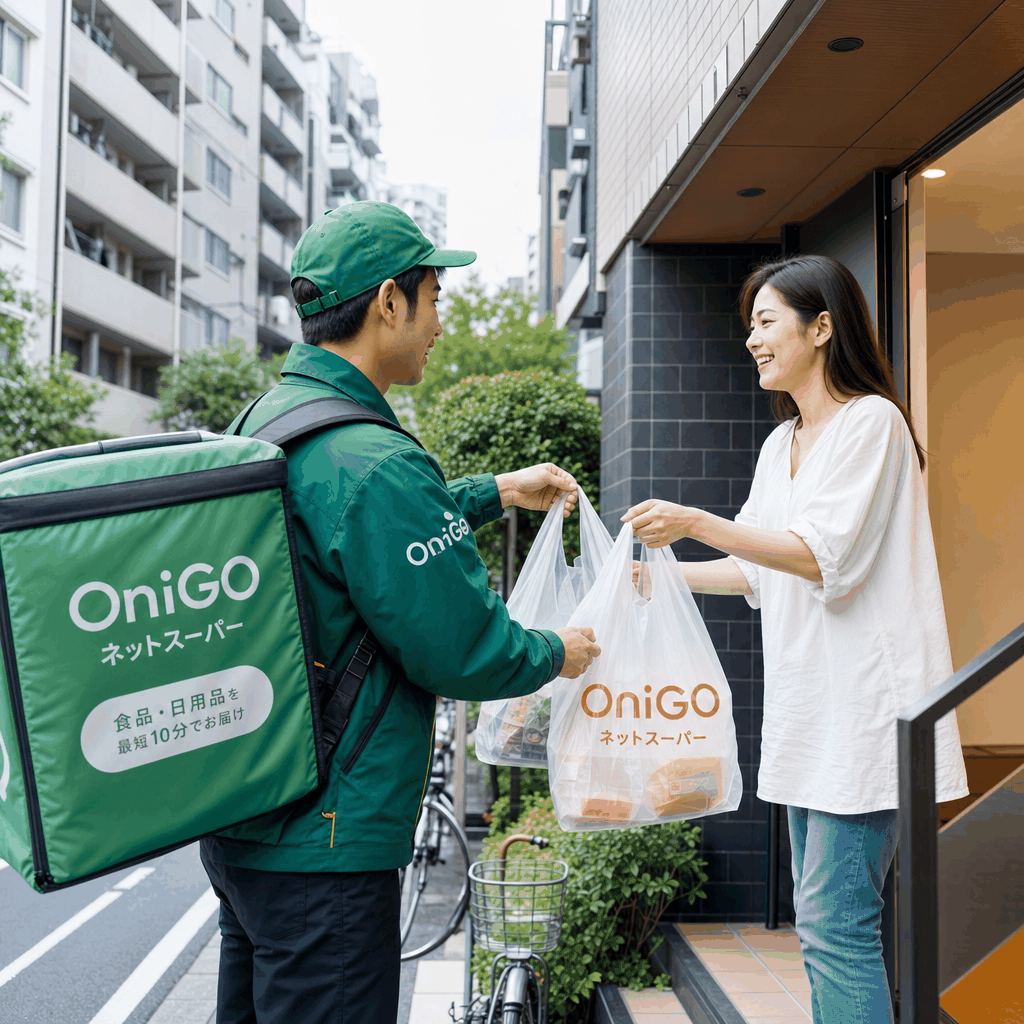
For most expat households, the best shortlist is simple: start with one supermarket-based delivery service and one alternative platform. SEIYU NetSuper is a strong option when the goal is standard household groceries and recurring delivery planning [2]. Aeon Net Super is another useful choice because it is designed as an online supermarket with scheduled service [3]. Oisix is worth adding when the household prefers food-box style ordering and easier repeat shopping for produce and meal ingredients [1].
A concierge can compare them using the same checklist:
For expats in Tokyo, the real value of concierge support is not simply ordering groceries—it is making the process repeatable. Once the first order works, the concierge can turn it into a weekly routine that matches the household’s neighborhood, schedule, and storage needs. That is the most dependable way to keep grocery delivery smooth in Tokyo [1][2][3].
CallButler is a multilingual concierge service that handles research, coordination, and bookings so you do not have to navigate language barriers or unfamiliar systems alone. If you need help related to How can a concierge set up grocery delivery for expats in Tokyo? or the tasks around it, our team can step in to manage the details and keep things moving smoothly.
Find English-friendly yakitori in Osaka after work by targeting Umeda, Namba, and Honmachi, plus booking sites and multilingual menus.
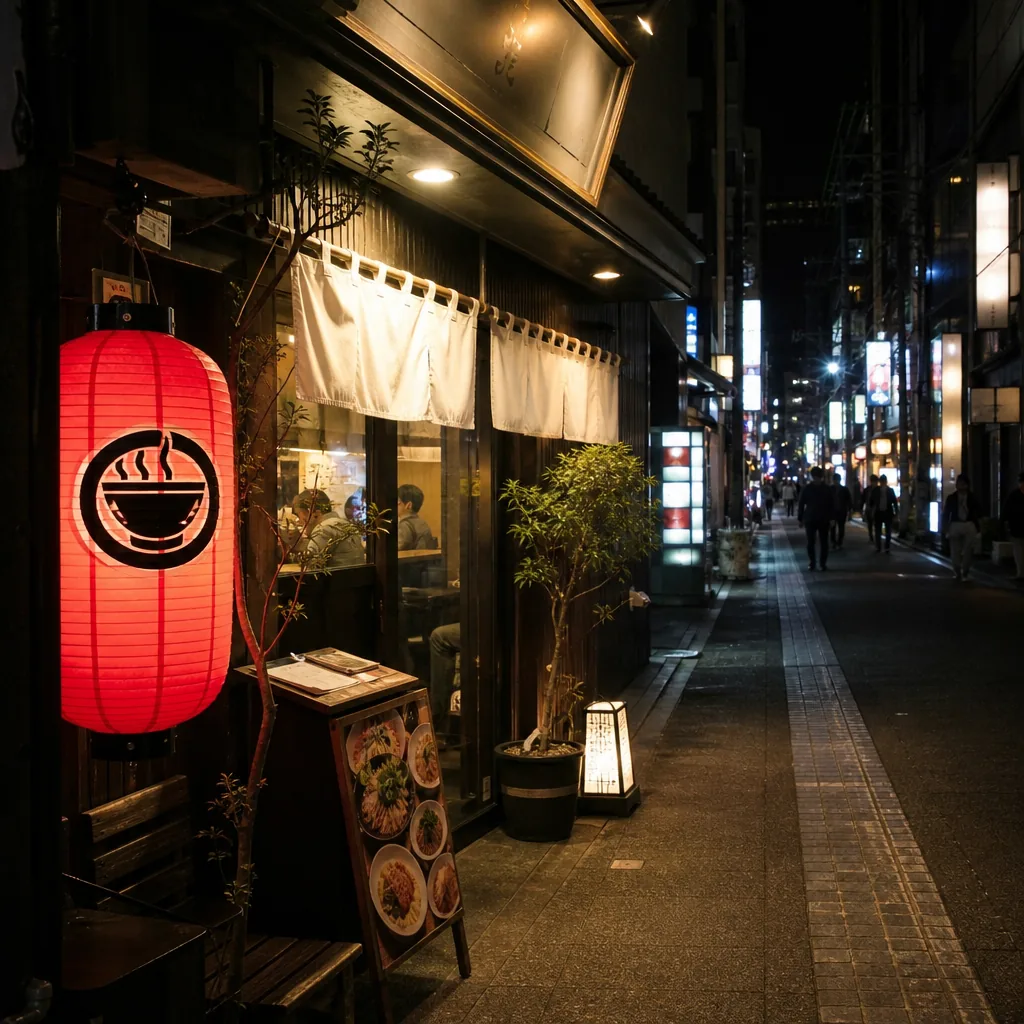
Looking for halal ramen in Kyoto after 10 p.m.? Here’s where to check, which areas are most practical, and how to verify hours and halal status.
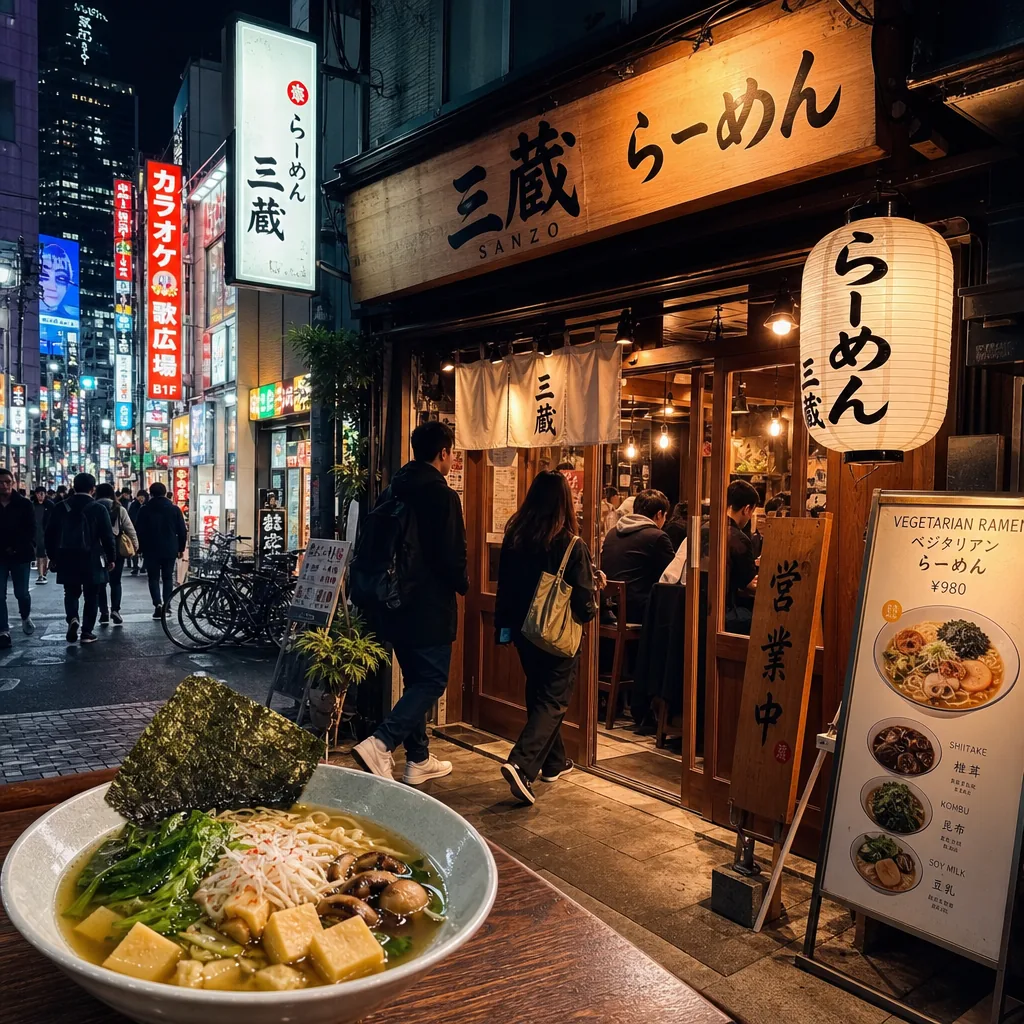
Find late-night vegetarian ramen in Tokyo by focusing on Shibuya, Shinjuku, and Roppongi, then verify broth, hours, and vegan menu details.