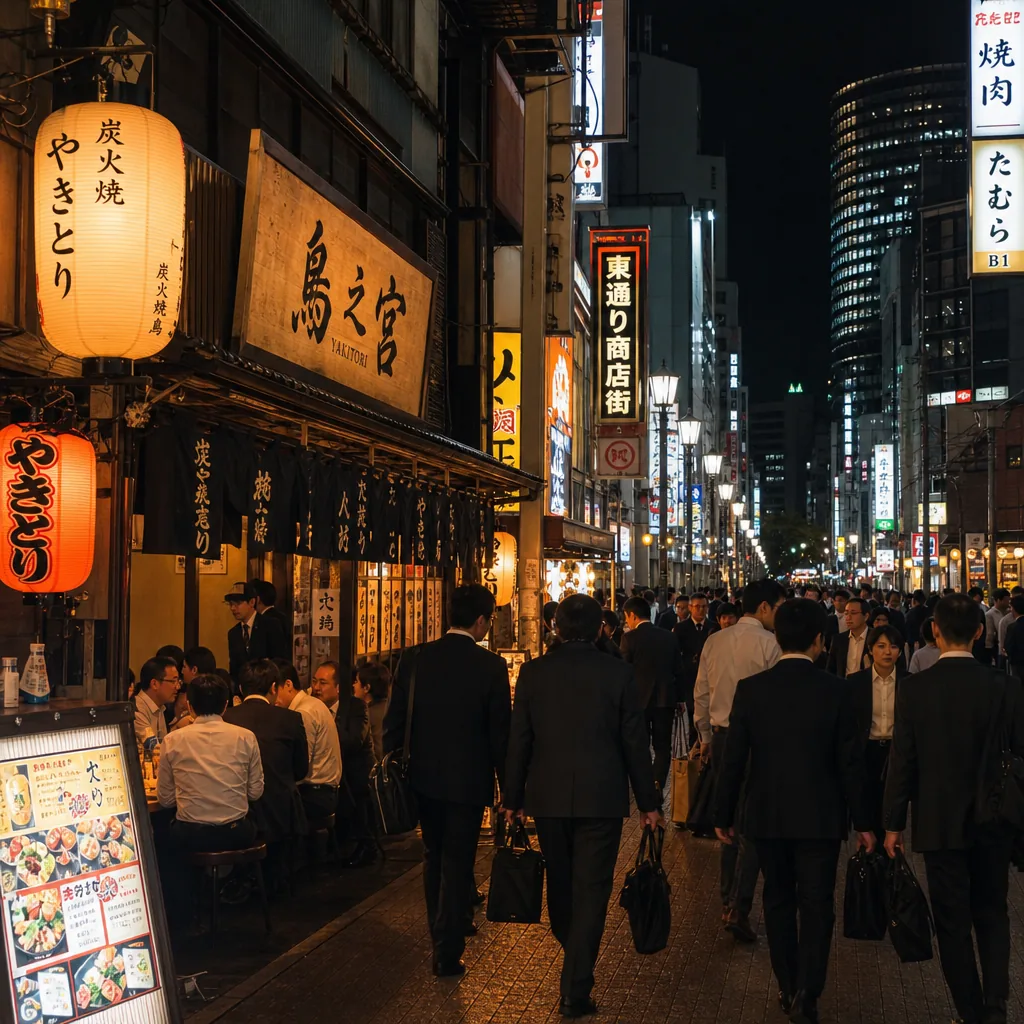
Where can I find english-friendly yakitori in Osaka after work?
Find English-friendly yakitori in Osaka after work by targeting Umeda, Namba, and Honmachi, plus booking sites and multilingual menus.
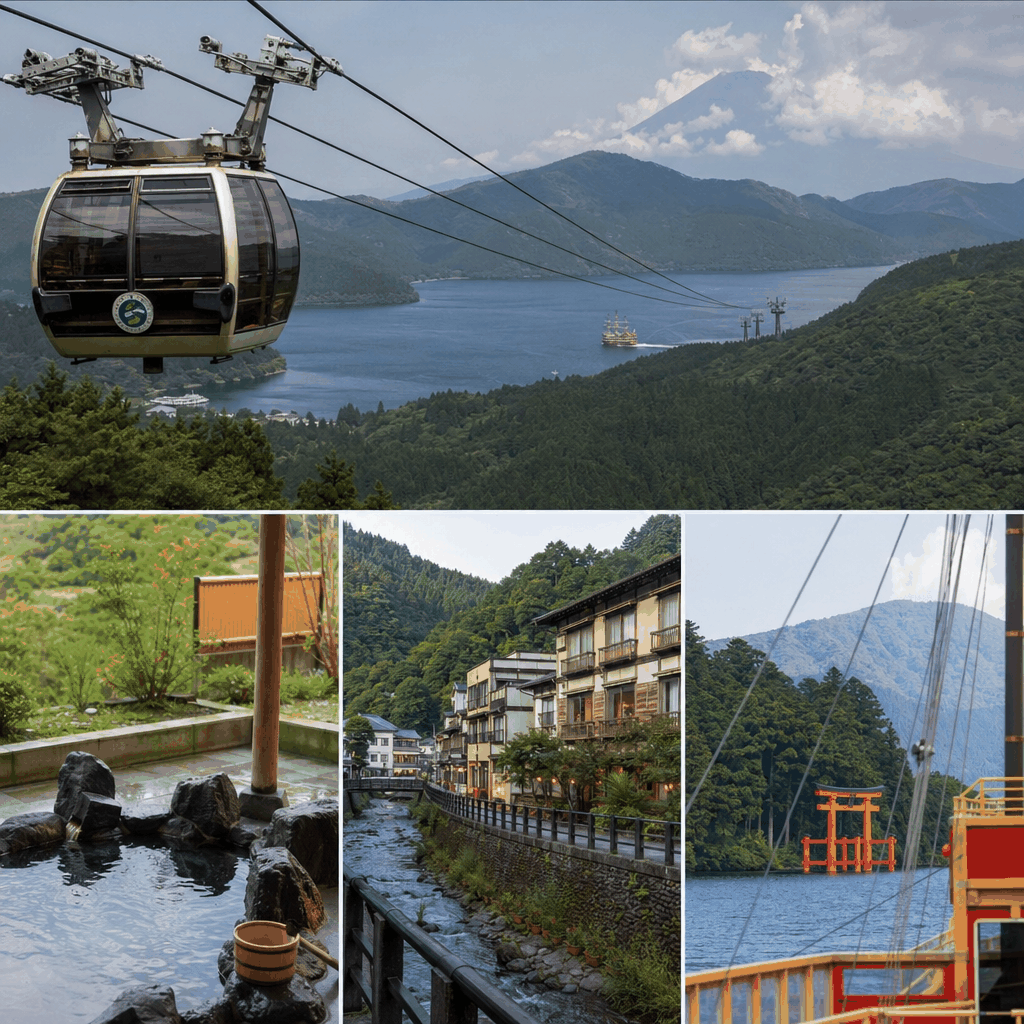
A good Hakone day trip usually answers to one simple rule: do the classic loop once, then save your main bath for the end of the day near Hakone Yumoto. That approach uses the rail, ropeway, Lake Ashi cruise, and bus network efficiently while still giving you time for one proper onsen stop instead of rushing through several.
For most visitors, the easiest way to move around Hakone is the Hakone Freepass. Odakyu’s pass covers round-trip travel from the Odakyu line area plus many of the local transport options in the Hakone area, including the Hakone Tozan Railway, Hakone Tozan Cable Car, Hakone Ropeway, sightseeing boat, and local buses on designated routes [1][2].
If you are starting from Tokyo, buying the pass helps because it simplifies the “loop” style of sightseeing rather than treating each segment as a separate ticket. That matters in Hakone, where a day trip often includes several transfers: train to Hakone-Yumoto, mountain railway or cable car, ropeway up toward Owakudani, then Lake Ashi, and finally a return trip by bus or train [1][2][3][4].
For a one-day plan, that means you should think in terms of one main circuit, not backtracking. If you are planning to soak in an onsen, choose the bath location based on where you want to finish the day, because the simplest version is to end near Hakone Yumoto and head back to Tokyo from there.
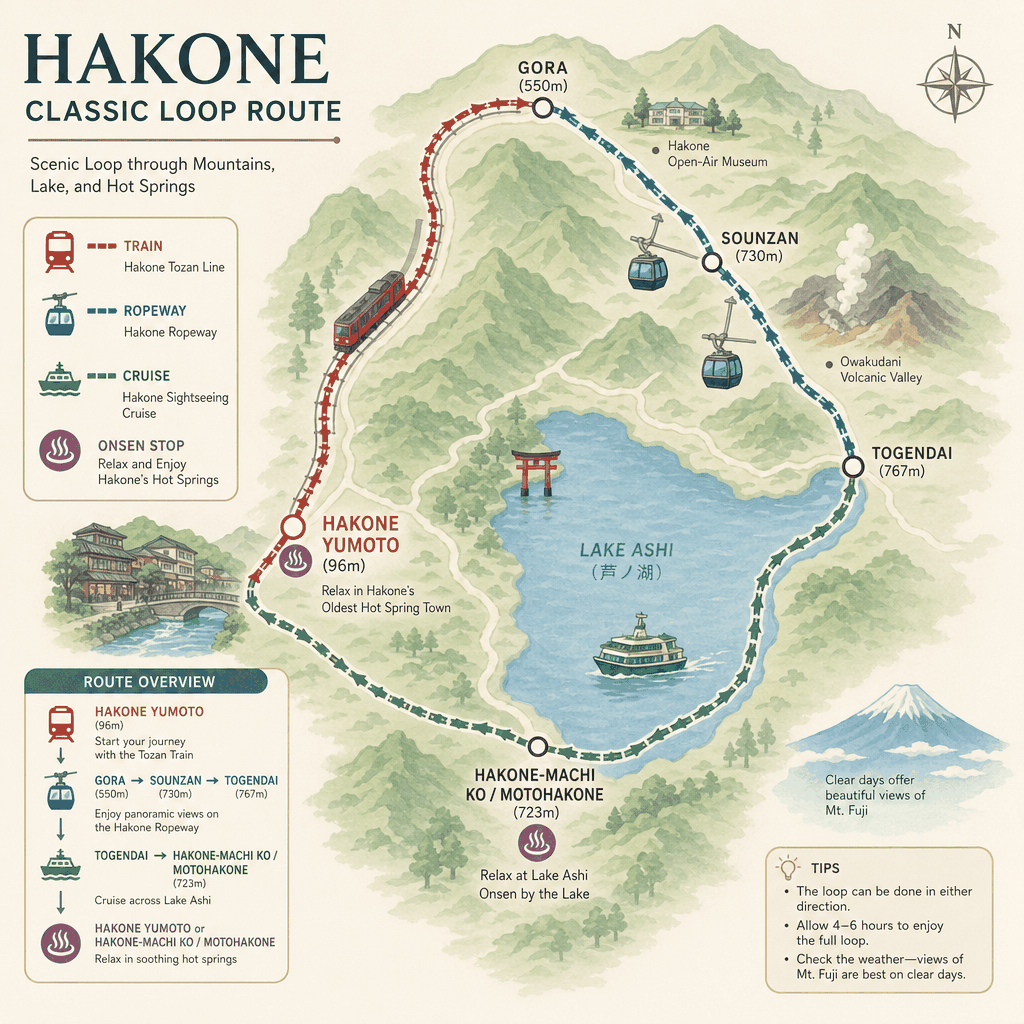
The most efficient Hakone day trip usually starts at Hakone-Yumoto Station, which is the gateway to the area and the easiest place to find a bath without wasting time. From there, take the Hakone Tozan Railway uphill toward Gora, then continue by cable car and ropeway into the central sightseeing area [4][3].
A straightforward loop looks like this:
This route works because it uses the mountain transportation in one direction and leaves your bathing stop for the end. It also reduces the risk of cutting your onsen time short when the day runs late. If you want the most balanced day, keep the scenery-heavy parts in the middle and the bath last.
Hakone-Yumoto is the best onsen stop for a short day trip because it is the main access point and has many day-use options. If your goal is to keep the day simple, this is the easiest place to bathe before returning to Tokyo.
For a more casual experience, Yunessun in Hakone is a strong option. It is a hot-spring theme park in the Hakone area, and its official site describes it as a spa complex with both “Bathers’ Resort” and “Onsen Resort” zones [5]. In other words, it is better if you want a relaxed, less formal bathing stop than a traditional ryokan day bath.
Here is the practical rule: if you have only one bathing stop, choose either a traditional day-use bath near Hakone-Yumoto or Yunessun, not both. The day-trip tempo is too tight to spend long stretches changing facilities, and a single well-timed soak is better than two rushed ones.
Owakudani is one of Hakone’s signature stops, but it is also the part of the loop most likely to be affected by weather or operational changes. The Hakone Ropeway’s official site notes that service and views depend on conditions, so you should check the latest operation information before relying on that section of the route [3].
If the ropeway is disrupted or the weather is poor, the smartest adjustment is to protect the onsen plan rather than forcing the full scenic circuit. Skip the longest sightseeing detour and spend more time around Hakone-Yumoto or Gora, where you can still build a satisfying day without the mountain views.
The same logic applies to crowds. On weekends and holidays, the classic loop can feel busy because Hakone is one of the most popular day-trip destinations from Tokyo. Starting early helps you clear the first transfer before the mid-morning rush, and finishing with a bath gives you a calmer last stop even if the sightseeing part is crowded.
For a one-day Hakone trip, timing matters more than trying to see everything. A workable plan is to leave Tokyo early, arrive in Hakone-Yumoto in the morning, complete the mountain and Lake Ashi loop through midday, and return to Hakone-Yumoto late afternoon for your bath and dinner. That pacing leaves room for delays and still gets you back to Tokyo the same evening.
To keep the day smooth, use these timing guidelines:
If you are carrying luggage, keep it light. A day bag is ideal because the loop involves multiple transfers, and the less time you spend managing belongings, the more comfortable the onsen stop becomes. If you must bring a larger bag, use a locker early at Hakone-Yumoto so you are not hauling it through the mountain sections.
If you want the best Hakone day trip loop with onsen stops, do the scenic circuit first and bathe last. Start at Hakone-Yumoto, ride the Hakone Tozan Railway and ropeway toward Owakudani, take the Lake Ashi cruise, then come back and finish with an onsen near Hakone-Yumoto or a single visit to Yunessun if you want a more casual spa experience [1][2][3][4][5].
That plan is the best balance of efficiency and relaxation because it respects Hakone’s geography. You get the signature loop, you avoid unnecessary backtracking, and you end with the part of the day most likely to feel restorative. For a one-day visit, that is usually the smartest use of time in Hakone.
CallButler is a multilingual concierge service that handles research, coordination, and bookings so you do not have to navigate language barriers or unfamiliar systems alone. If you need help related to Hakone day trip: what's the best loop with onsen stops? or the tasks around it, our team can step in to manage the details and keep things moving smoothly.
Find English-friendly yakitori in Osaka after work by targeting Umeda, Namba, and Honmachi, plus booking sites and multilingual menus.
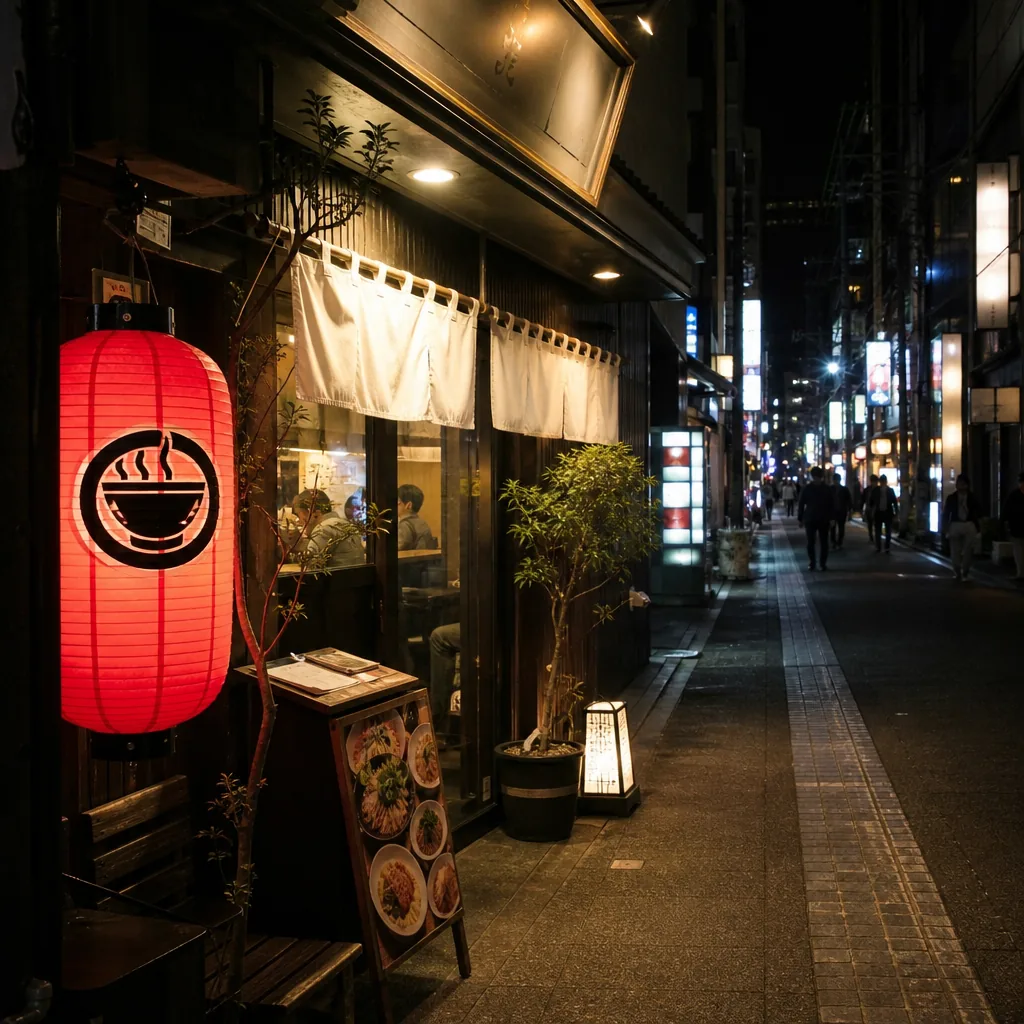
Looking for halal ramen in Kyoto after 10 p.m.? Here’s where to check, which areas are most practical, and how to verify hours and halal status.
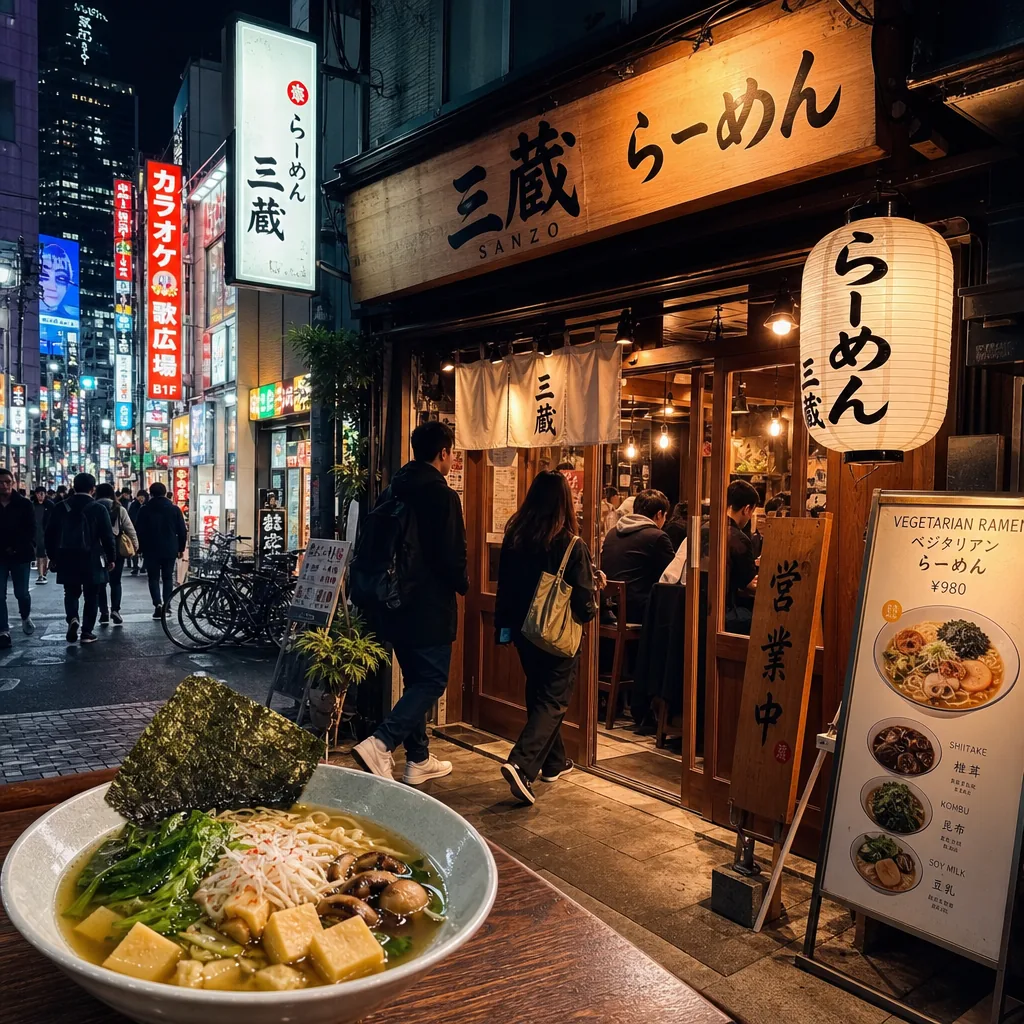
Find late-night vegetarian ramen in Tokyo by focusing on Shibuya, Shinjuku, and Roppongi, then verify broth, hours, and vegan menu details.