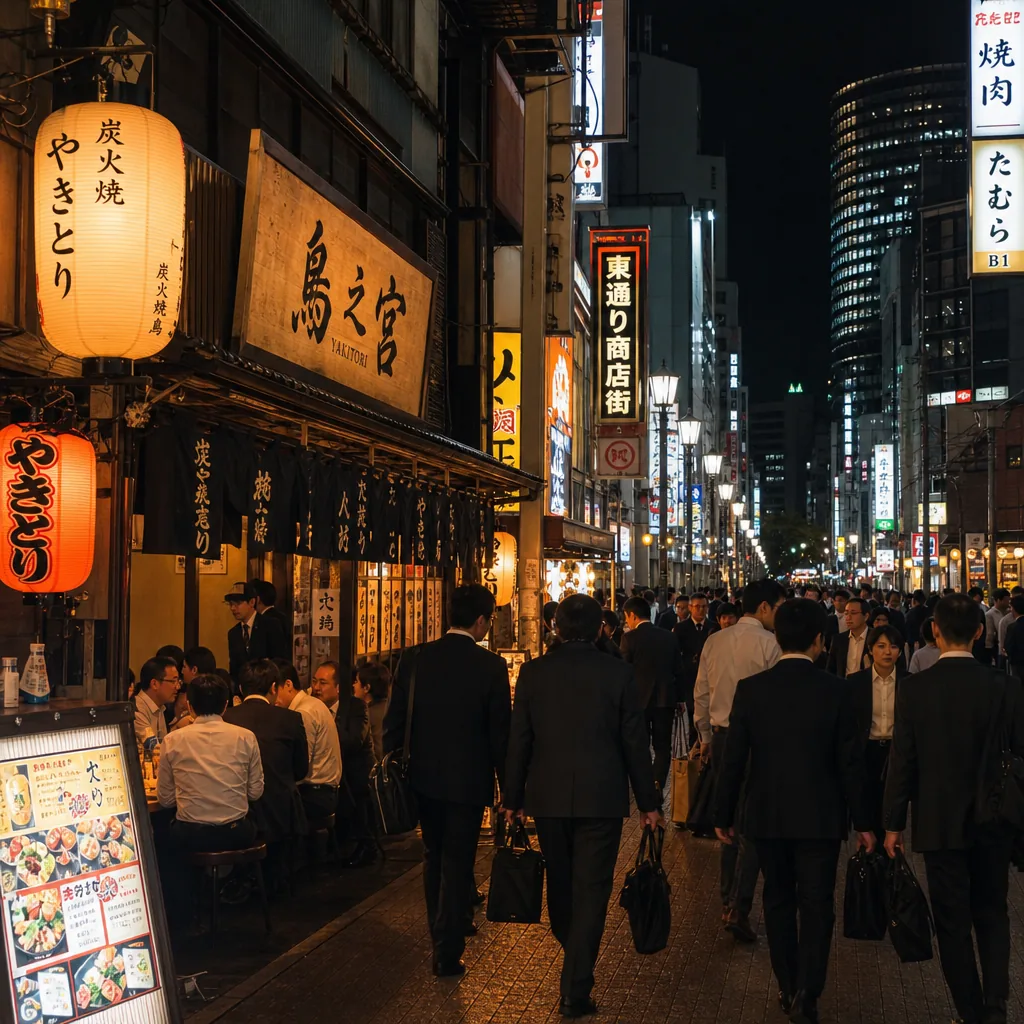
Where can I find english-friendly yakitori in Osaka after work?
Find English-friendly yakitori in Osaka after work by targeting Umeda, Namba, and Honmachi, plus booking sites and multilingual menus.
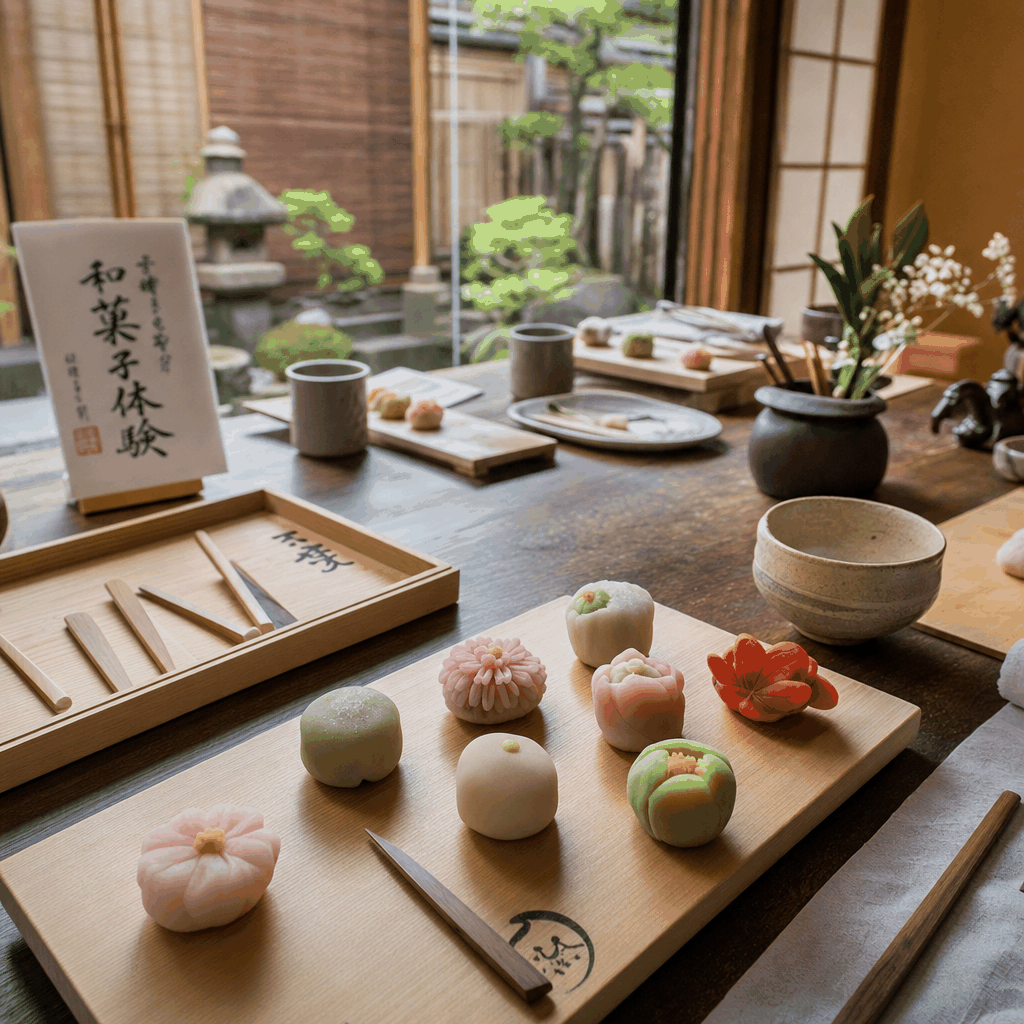
Yes—expats can absolutely take a wagashi-making class in Kyoto, and it is one of the easiest Japanese food-culture activities to book as a visitor or resident. Kyoto’s tourism organizations list hands-on experiences in the city, including workshops that welcome international guests and often use English guidance or simple demonstrations [1][2][5].
Wagashi, Japan’s traditional confectionery, is closely tied to Kyoto’s tea culture, temple culture, and long-standing craftsmanship. If you want a city where this experience feels authentic rather than touristy, Kyoto is a strong choice because the local tourism sites actively promote traditional food and cultural experiences, including sweets-making and tea-related activities [1][2].
Kyoto also makes the experience practical. Many classes are located in central areas or near major sightseeing districts, so you can fit a workshop into a half-day itinerary instead of planning an all-day excursion. That matters if you are staying in neighborhoods such as Gion, Higashiyama, or downtown Kyoto and want to combine the class with temple visits or shopping.
Yes. The short answer is that Kyoto’s experience listings are designed with international visitors in mind, and several providers specifically note English support, multilingual staff, or easy-to-follow instruction [1][2][5]. In other words, you do not need to be fluent in Japanese to participate.
That said, the level of language support varies by studio. Some workshops are fully guided in English, while others rely more on visual instruction, step-by-step demonstrations, or a bilingual staff member. If you are unsure, check the listing language carefully before booking and look for wording such as “English available,” “international visitors welcome,” or “no Japanese required” [1][5].
In Kyoto, the most common beginner-friendly workshop is nerikiri making. Nerikiri are decorative seasonal sweets shaped into flowers, leaves, or other motifs, and they are often paired with tea. These classes are popular because they are hands-on, visually appealing, and manageable within a short session [1][2].
You may also find traditional confectionery classes that focus on shaping, coloring, and finishing techniques, sometimes tied to tea ceremony culture or local dessert traditions. The Kyoto City Official Travel Guide and Kyoto tourism platforms both list experience-style food and culture activities rather than only full cooking classes, so wagashi workshops are usually packaged as short, bookable experiences rather than long culinary courses [1][2][4].
Because Kyoto is a tea city, these classes often emphasize presentation and seasonal aesthetics as much as flavor. That is part of what makes the experience feel distinctly “Kyoto” rather than generic.
If you want reliable options, start with the Kyoto City Tourism Association’s Experience Kyoto site and the Kyoto City Official Travel Guide, which both list city-based experience activities [1][2]. Kyoto Prefecture’s tourism portal also includes local experiences across the prefecture, while JNTO’s Kyoto page is useful for broader destination planning [4][5].
When comparing listings, pay attention to the venue address and nearby landmarks. A class in central Kyoto is easier to pair with a short itinerary than one that requires a long transfer. For example, if a workshop is near downtown Kyoto or the Gion area, it is usually convenient for visitors staying close to Kawaramachi, Shijo, or Higashiyama. If it is near a temple district or tea culture venue, you can often turn the class into a larger cultural day out.
One important point: do not assume every class is in a large commercial studio. Kyoto experience providers may operate in small workshop spaces, heritage-style buildings, or venues connected to local food culture organizations [1][3][4]. That smaller setting is part of the appeal, but it also means capacity can be limited.
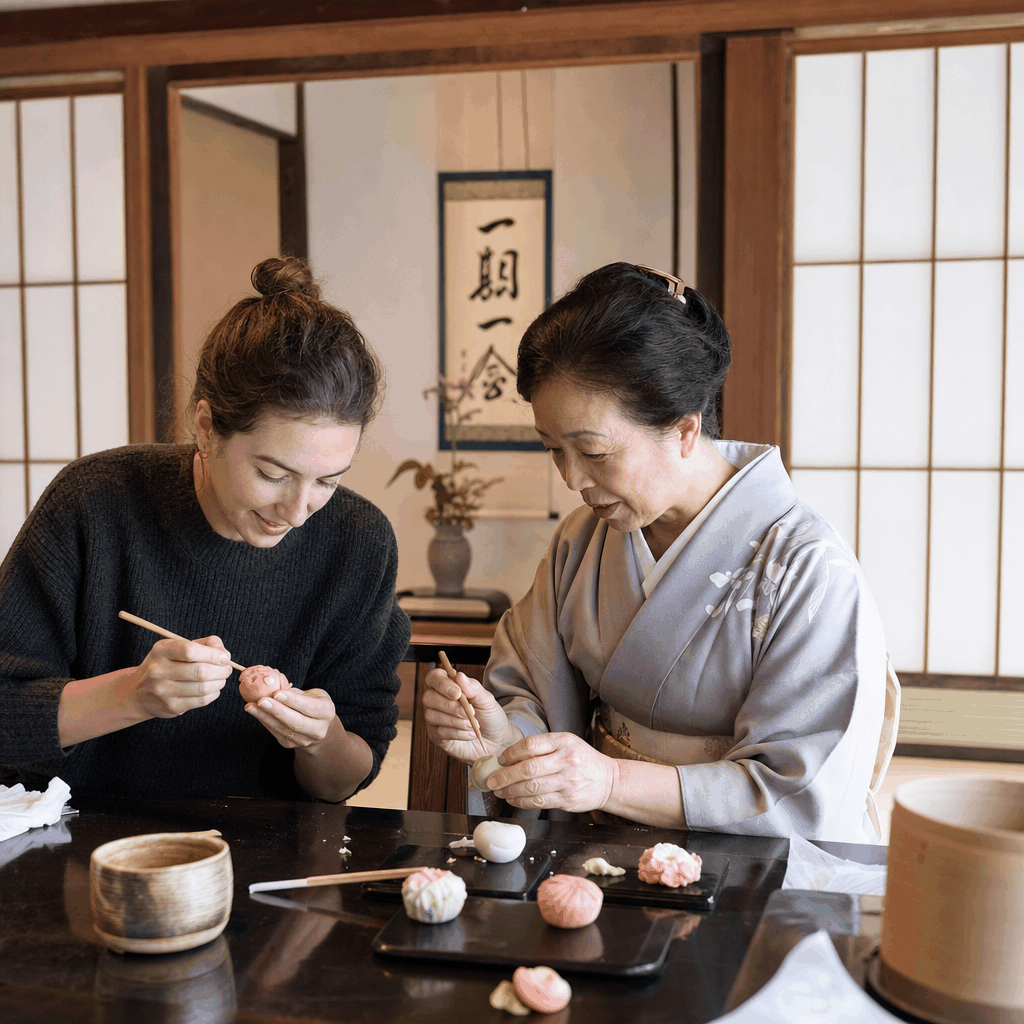
For expats, the booking process is usually straightforward, but you should plan ahead. Small-group wagashi classes often have limited seats, and advance booking is recommended—especially on weekends, during cherry blossom season, and in peak autumn travel periods [1][2][5].
Most workshops are short. Based on typical experience listings in Kyoto, expect sessions that run from about 45 minutes to a few hours, with time for both making and tasting the sweets [1][2]. This makes wagashi classes easy to slot before lunch, after a temple visit, or between neighborhood stops.
If the listing includes photos of the finished sweets, use them as a clue to the class style. Nerikiri workshops usually show seasonal shapes, and that is helpful if you want a visually memorable experience. If photos are sparse, look for references to tea pairing or traditional confectionery methods in the description.
The best class for you depends on your goal. If you want a compact cultural activity that feels easy and social, choose a beginner nerikiri workshop with English support. If you want a deeper food culture experience, look for a class linked to tea culture or a local confectionery tradition [1][2][3].
Practical selection tips:
Also, if you are traveling with friends or family, check the minimum age and group size in advance. Small Kyoto workshops can fill quickly, and some studios prefer a minimum number of participants for certain time slots. Booking ahead avoids disappointment and gives you more choice in timing.
If you are living in Kyoto or just visiting, wagashi-making is one of the most accessible traditional experiences you can book. The city’s official tourism platforms and national travel resources confirm that Kyoto offers hands-on cultural activities aimed at international visitors, and many of those experiences are suitable even if you do not speak Japanese [1][2][5].
The safest approach is simple: choose a class with English support, book early, and favor a central location near the neighborhoods you already plan to visit. With that approach, you can enjoy a short, memorable workshop and leave Kyoto with both a sweet treat and a better understanding of the city’s tea-centered culture.
CallButler is a multilingual concierge service that handles research, coordination, and bookings so you do not have to navigate language barriers or unfamiliar systems alone. If you need help related to Can I take a wagashi-making class in Kyoto as an expat? or the tasks around it, our team can step in to manage the details and keep things moving smoothly.
Find English-friendly yakitori in Osaka after work by targeting Umeda, Namba, and Honmachi, plus booking sites and multilingual menus.
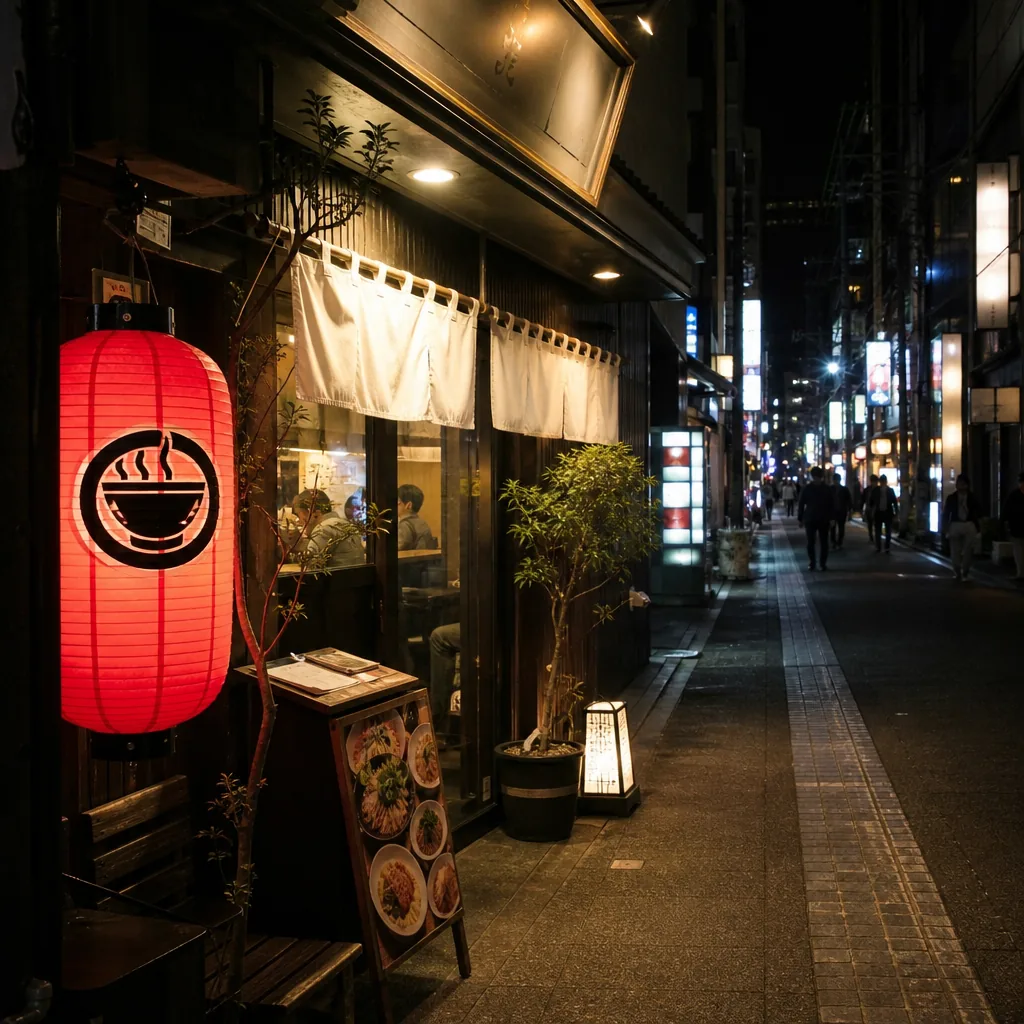
Looking for halal ramen in Kyoto after 10 p.m.? Here’s where to check, which areas are most practical, and how to verify hours and halal status.
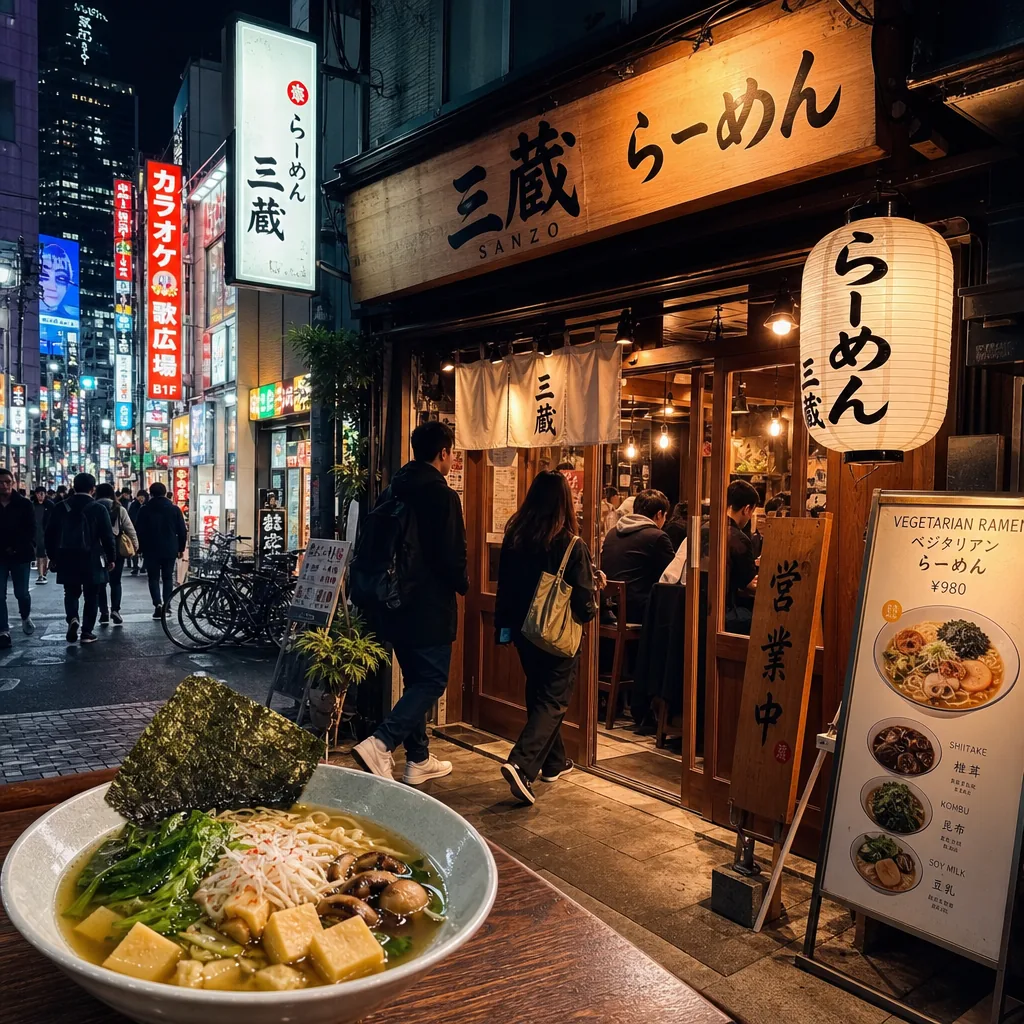
Find late-night vegetarian ramen in Tokyo by focusing on Shibuya, Shinjuku, and Roppongi, then verify broth, hours, and vegan menu details.