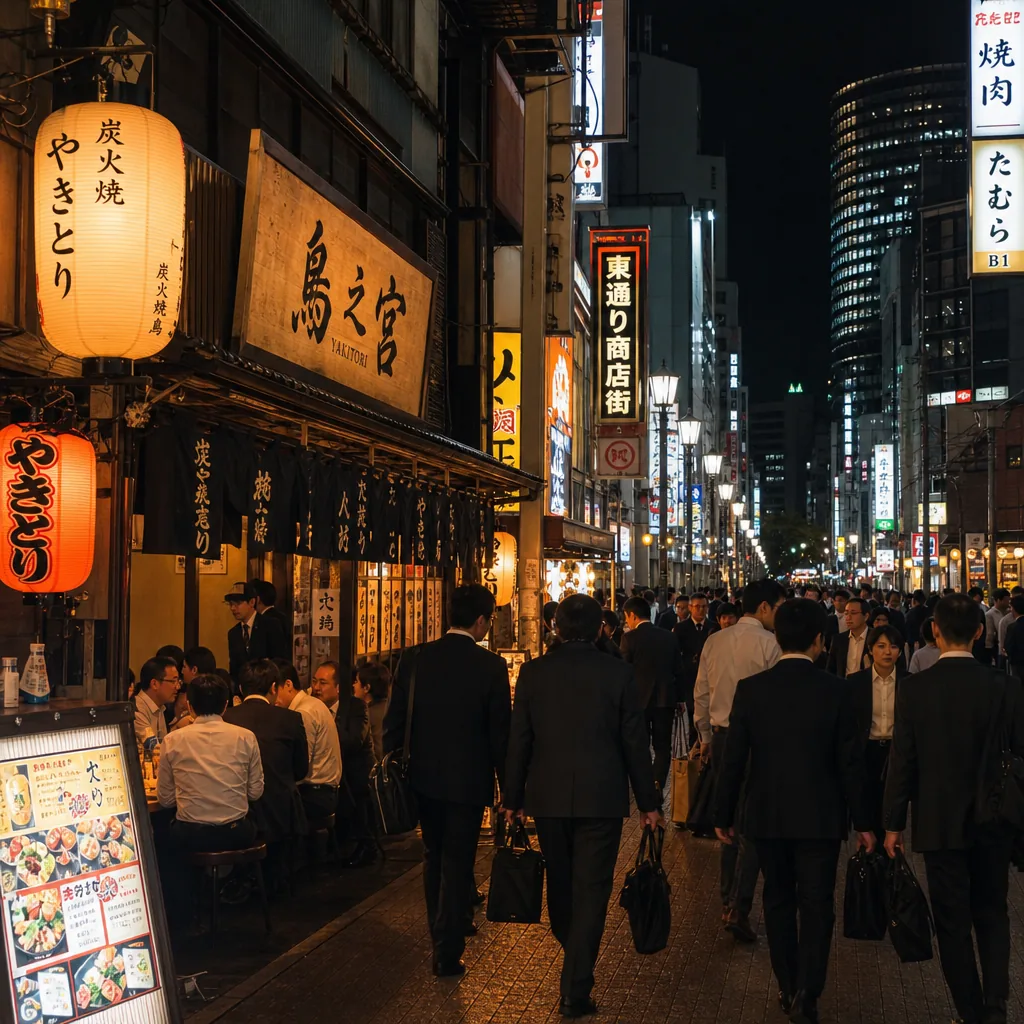
Where can I find english-friendly yakitori in Osaka after work?
Find English-friendly yakitori in Osaka after work by targeting Umeda, Namba, and Honmachi, plus booking sites and multilingual menus.
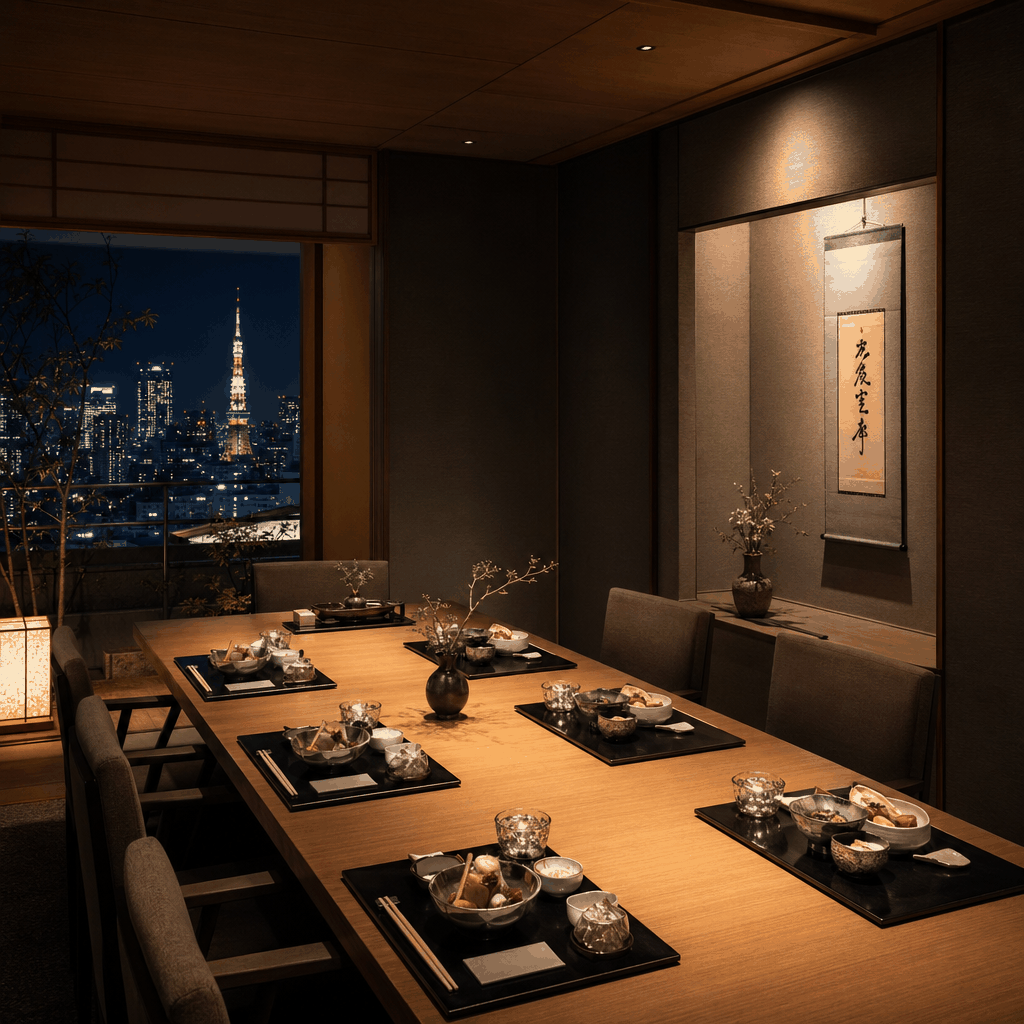
Yes—many Japan concierge services can book private dinners in Tokyo, but the result depends on the restaurant’s rules and how private you want the meal to be. In practice, a concierge is most useful for securing a private room, a reservation at a hard-to-book restaurant, or a full buyout when you give enough lead time and clear details.
Tokyo’s dining scene is built around reservations, and official tourism guidance points travelers to a wide range of restaurants, from casual spots to higher-end venues [1][2]. That means a concierge service can often help with standard table bookings, special occasion requests, and restaurants that require local language support or platform-based booking. Services like TableCheck also show how common reservation management is in Japan, especially for restaurants that accept online bookings directly [4].
For travelers, this often includes:
If your concierge works with a trusted local network, they may also be able to follow up directly with staff in Japanese, which matters when a restaurant does not easily handle complex English requests [2][4].
In Tokyo, “private dinner” does not always mean renting an entire restaurant. It can mean several different setups, and the concierge needs to know which one you want. Tokyo restaurant listings commonly distinguish between private rooms and other reservation types, and restaurant search tools specifically filter for private-room options [3].
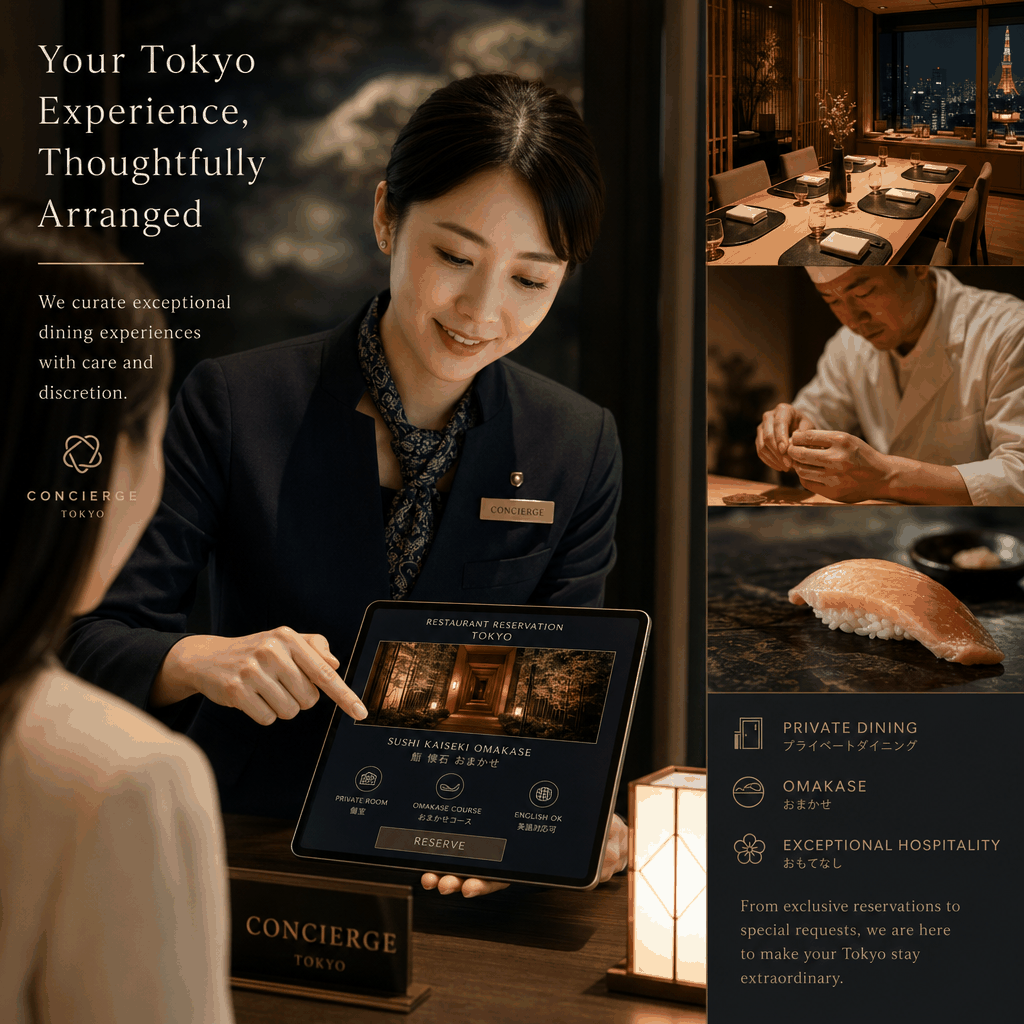
A concierge can usually help you decide which format fits your budget and group size. For example, a private room in a hotel restaurant in Tokyo may be much easier to secure than a full buyout of a small omakase counter, where every seat is tied to a tightly managed service schedule [3][4].
The biggest factors are venue policy, availability, language support, and timing. Tokyo tourism guidance emphasizes the city’s wide dining variety, but it also makes clear that restaurant styles and booking methods vary by venue [1][2]. Some restaurants take direct reservations, some rely on booking platforms, and some only accept special requests after staff review them [4].
Tokyo’s restaurant platforms and tourism pages show that the city has a deep bench of formal dining choices, including venues where reservation and seating type matter a lot [1][3][4]. The practical takeaway is simple: a concierge can help, but the final answer always belongs to the restaurant.
The clearest requests get the best results. If you want a concierge to book a private dinner in Tokyo, give them the information the restaurant would ask for anyway. That reduces back-and-forth and makes it easier to confirm quickly [2][4].
Use this checklist:
If you are aiming for a full buyout, ask early. For a standard private room, a concierge may be able to work with a shorter timeline, but popular dinner slots in Tokyo can still fill quickly, especially in central districts and at well-known restaurants [1][3].
Tokyo’s official tourism guide points travelers to a broad restaurant landscape, while JNTO highlights the city and country’s strong reservation culture and dining variety [1][2]. In real planning terms, that means a concierge can often help you target the kind of venue you want rather than starting from scratch. For example, a dinner in Ginza may suit a high-end restaurant with private-room service, while Shibuya can be better for a more casual but still bookable group dinner; Roppongi is also a practical choice for international visitors who want easy access and late-night convenience [1][5].
Here are three useful planning habits for Tokyo:
One more point: if your goal is a once-in-a-lifetime meal, do not wait until the last minute. Tokyo restaurants that offer private rooms or specialized dining often need advance notice, and the most exclusive bookings may require direct confirmation with the venue after the concierge makes the introduction [2][3][4].
So, can a Japan concierge service book private dinners in Tokyo? Yes—very often. The best results come when you know exactly what kind of privacy you want, give the concierge complete details, and allow enough time for the restaurant to approve the request [1][2][4].
CallButler is a multilingual concierge service that handles research, coordination, and bookings so you do not have to navigate language barriers or unfamiliar systems alone. If you need help related to Can a Japan concierge service book private dinners in Tokyo? or the tasks around it, our team can step in to manage the details and keep things moving smoothly.
Find English-friendly yakitori in Osaka after work by targeting Umeda, Namba, and Honmachi, plus booking sites and multilingual menus.
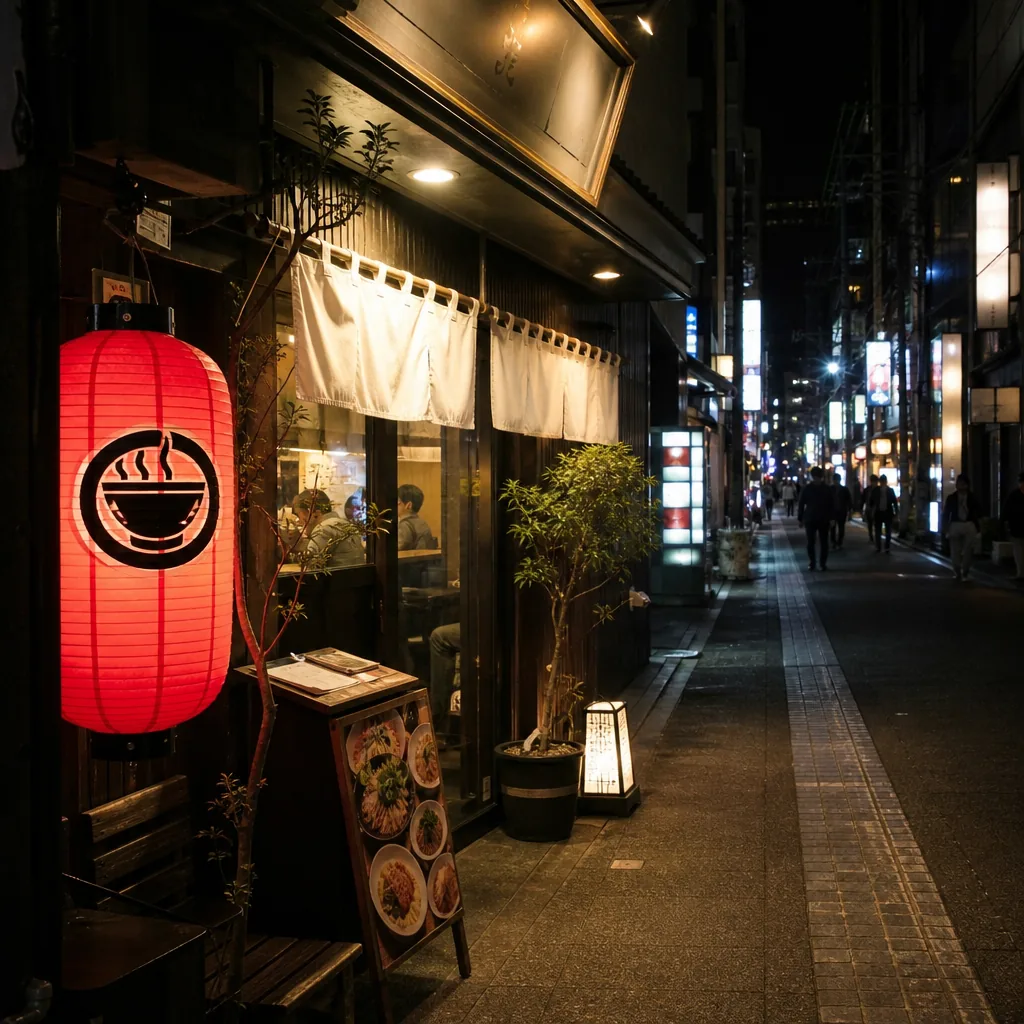
Looking for halal ramen in Kyoto after 10 p.m.? Here’s where to check, which areas are most practical, and how to verify hours and halal status.
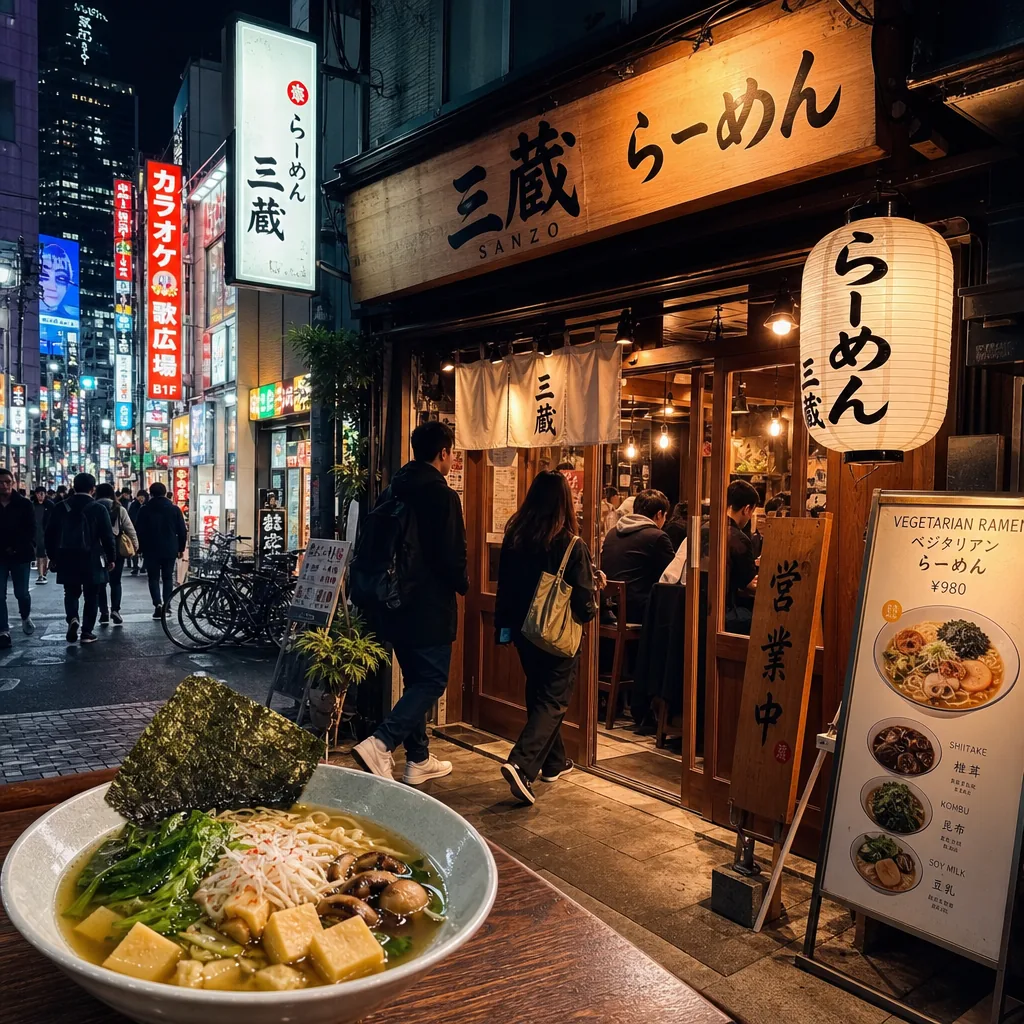
Find late-night vegetarian ramen in Tokyo by focusing on Shibuya, Shinjuku, and Roppongi, then verify broth, hours, and vegan menu details.