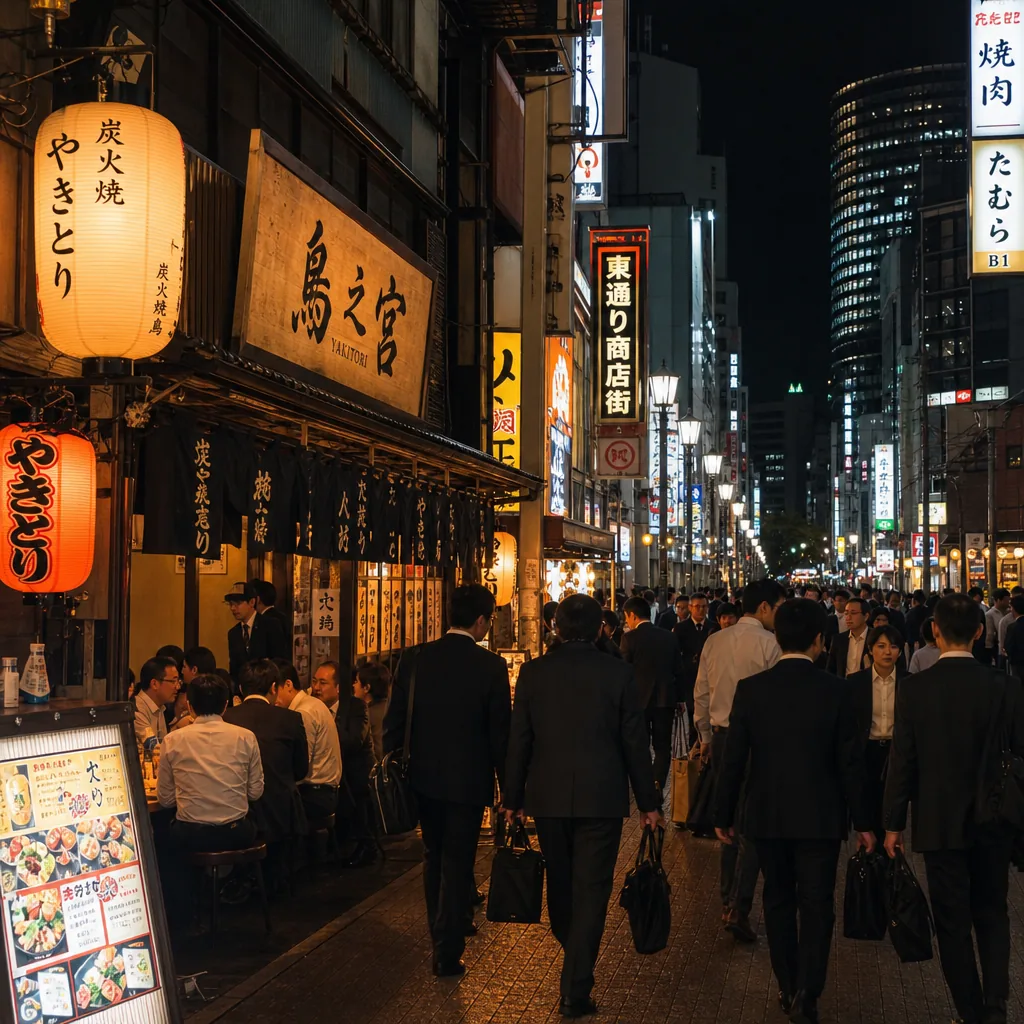
Where can I find english-friendly yakitori in Osaka after work?
Find English-friendly yakitori in Osaka after work by targeting Umeda, Namba, and Honmachi, plus booking sites and multilingual menus.
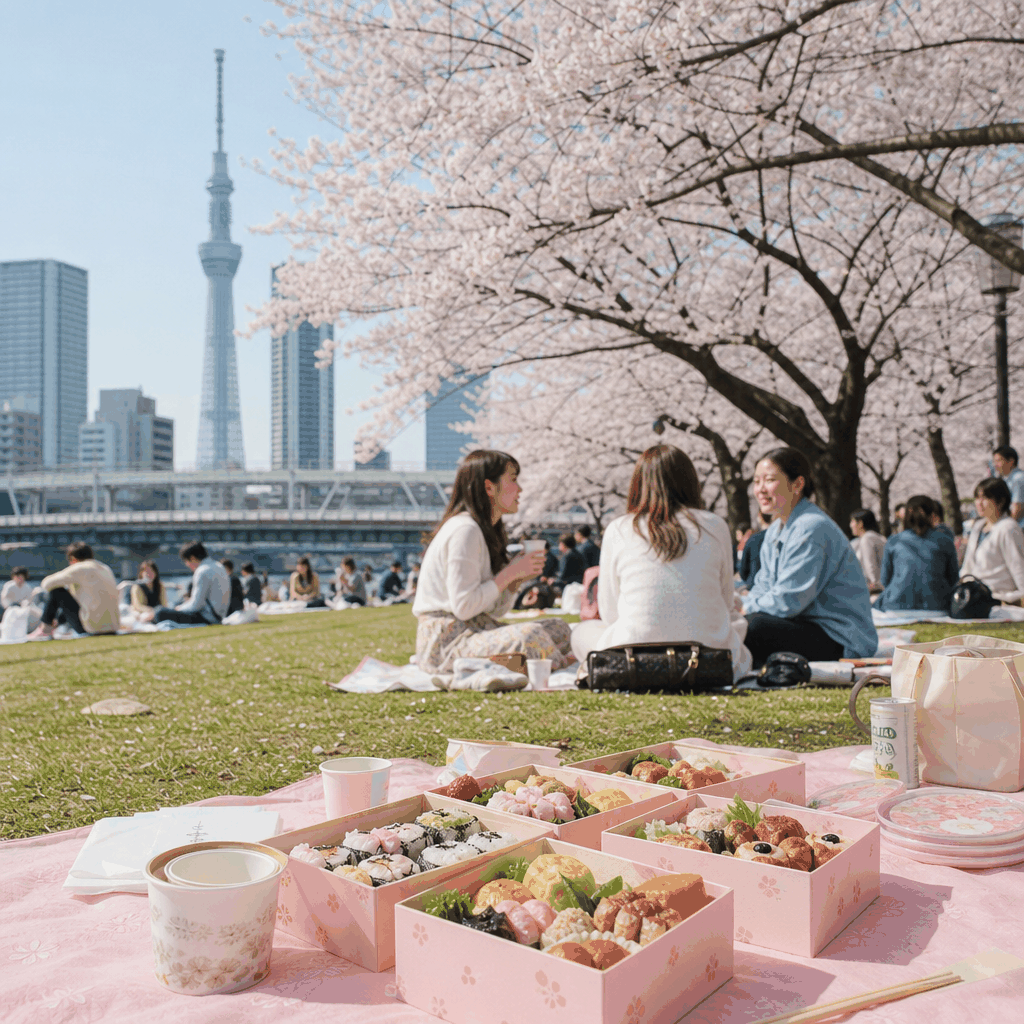
Yes—a Tokyo concierge can often help pre-order hanami bento for a cherry blossom picnic, especially through hotels, department-store food halls, station bento shops, or delivery-friendly caterers. The main challenge is timing: during peak sakura season, popular items and pickup slots can sell out quickly, so advance reservation is usually the safest approach [1][3][4].
In Tokyo, a hanami bento is a seasonal boxed meal meant for cherry blossom viewing, usually designed to be easy to carry, eat outdoors, and share. Tokyo spring food counters and bento vendors often sell limited seasonal versions, while some station bento shops and depachika food halls offer more elaborate boxed meals that work well for a picnic [1][3][4].
For visitors, the practical difference is simple: a hanami bento should be ready to eat, packed neatly, and durable enough to stay fresh between pickup and the picnic spot. That makes it more suitable than a hot meal that needs immediate service, especially if you will be walking from a train station to a park.
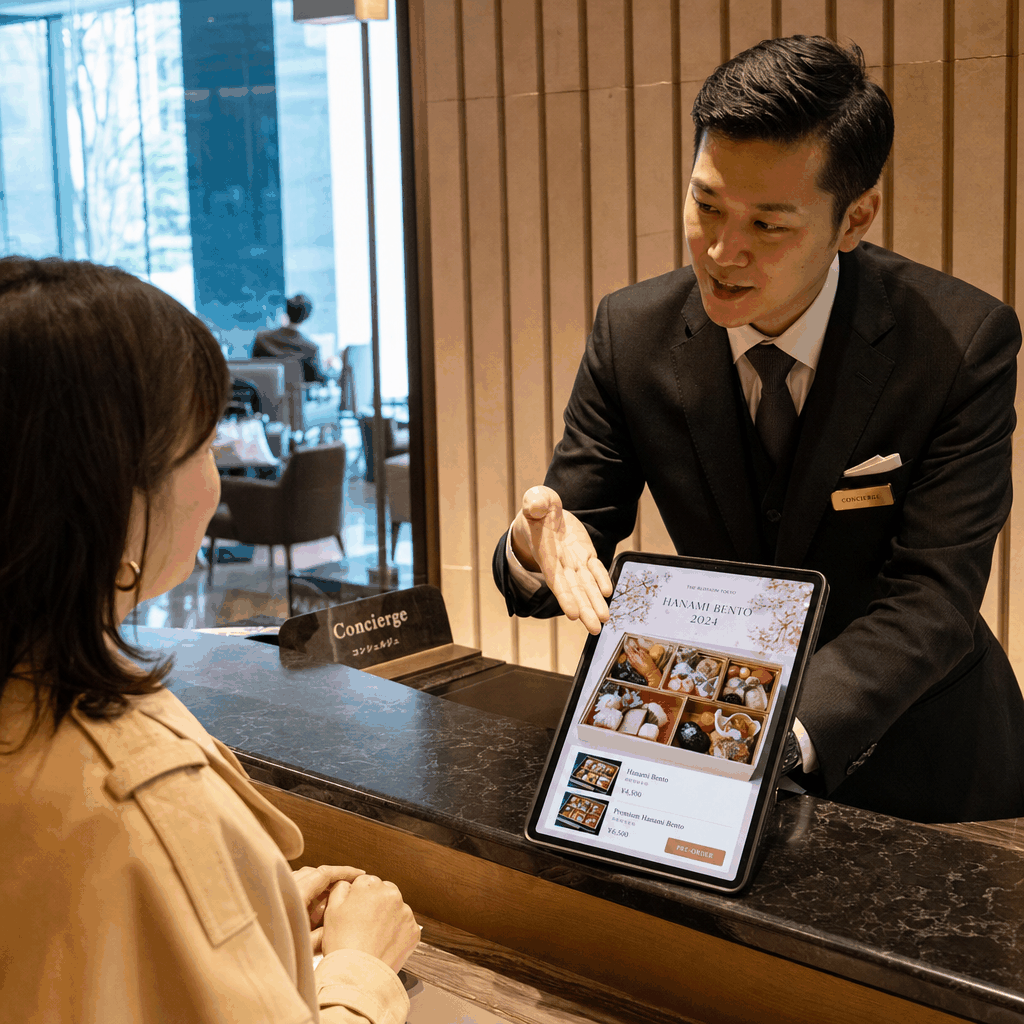
A hotel concierge in Tokyo can often help in three ways: by placing the order directly if the hotel has an established relationship with the vendor, by recommending nearby shops that accept pre-orders, or by helping coordinate delivery or pickup timing. This is especially useful when you are trying to match a specific blossom-viewing date, because some seasonal menus have limited order windows and fixed collection times [4][5].
Good concierges will also check practical details that matter outdoors: whether the bento includes chopsticks, wet wipes, drinks, cold packs, or a bag for trash. Since Tokyo parks expect visitors to keep areas clean and follow park manners, that extra coordination helps the picnic run smoothly [2].
Three of the most reliable places to look are hotel-arranged vendors, department-store food halls, and station bento shops. Tokyo department stores such as Isetan Shinjuku have large food halls where seasonal items are commonly sold, making them a practical starting point for pre-orders or same-day pickup [4].
For train travelers, station bento shops are another strong option. JR Central’s ekiben information shows that station bento remain a standard part of rail travel in Japan, and ekiben sellers often offer boxed meals that are convenient for eating en route to a park or at a picnic spot [3].
If your hotel prefers not to place a direct food order, the concierge can still point you toward reliable local sources. Tokyo’s official tourism site also makes it clear that the city has a broad range of visitor-friendly services and neighborhoods, so a concierge can usually narrow the options around your stay rather than sending you to a random shop across town [5].
Cherry blossom viewing in Tokyo is highly seasonal, and the Tokyo Parks cherry blossom guide is a reminder that sakura viewing is concentrated into a short spring window [1]. Because of that, popular bento options can book up fast, especially on weekends and during the best bloom days in central Tokyo parks such as Ueno Park, Yoyogi Park, and Shinjuku Gyoen [1][5].
As a practical rule, ordering several days in advance is better than waiting until the morning of your picnic, and for special seasonal menus, a week or more ahead is safer. The more specific your request—exact date, number of people, vegetarian needs, and pickup time—the easier it is for a concierge or vendor to confirm availability [3][4].
Tokyo has many well-known cherry blossom areas, but the best picnic spot is the one that matches your bento pickup plan. Ueno Park is a classic hanami destination with heavy spring crowds, Shinjuku Gyoen offers a more managed park setting, and Yoyogi Park is a popular open-space option for groups [1][5].
These locations are useful because they are recognizable to local concierges and easy to pair with station or department-store food pickup. If you are staying in central Tokyo, a concierge can often suggest the nearest high-confidence vendor rather than forcing a cross-city errand during a busy blossom day.
Tokyo parks generally allow picnics, but visitors need to follow park-specific rules and everyday manners. The Tokyo Metropolitan Park Association’s rules emphasize keeping parks clean, respecting other users, and following restrictions set by each park or facility [2].
For hanami, that means checking whether your chosen park allows blankets in the exact area you want, whether large group setups are restricted, and how trash disposal should be handled. Some locations are more controlled than others, so a concierge should not assume that every park works the same way [2].
It is also smart to ask whether the bento is suitable for time outdoors. If you will carry it for a while before eating, items with cold packs, secure lids, and simple packaging are preferable to delicate meals that require immediate refrigeration or careful plating.
If you want the smoothest possible experience, give the concierge the same details you would give a restaurant reservation desk. The more precise the request, the more likely it is that Tokyo’s seasonal food options can be matched to your picnic plan.
Finally, remember that a Tokyo concierge does not need to be the one physically making the bento. Even when the hotel cannot place the order directly, it can still save time by recommending trusted depachika, ekiben, or delivery-compatible providers and by confirming whether the order fits your picnic schedule [3][4][5]. In a city where cherry blossom season moves quickly, that support can be the difference between a rushed meal and a relaxed hanami under the trees.
CallButler is a multilingual concierge service that handles research, coordination, and bookings so you do not have to navigate language barriers or unfamiliar systems alone. If you need help related to Can a concierge pre-order hanami bento in Tokyo for picnics? or the tasks around it, our team can step in to manage the details and keep things moving smoothly.
Find English-friendly yakitori in Osaka after work by targeting Umeda, Namba, and Honmachi, plus booking sites and multilingual menus.
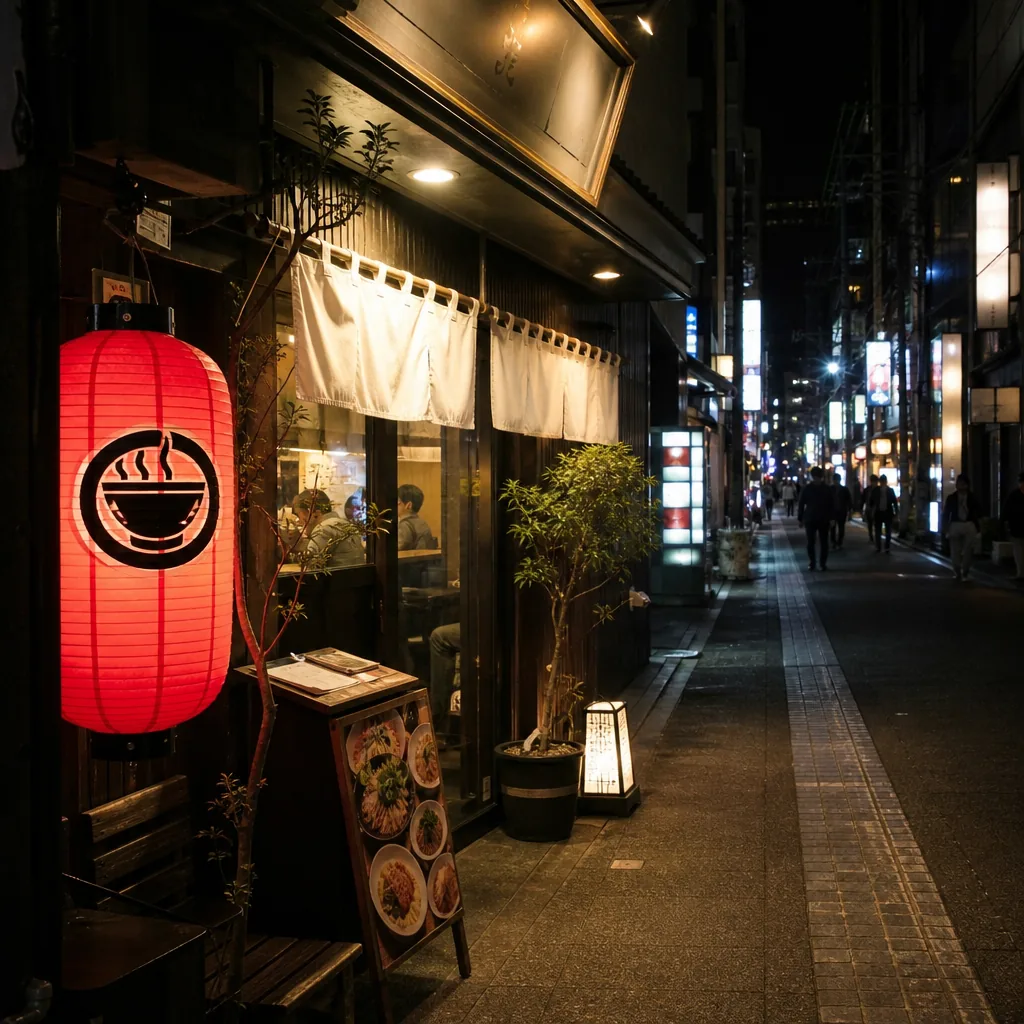
Looking for halal ramen in Kyoto after 10 p.m.? Here’s where to check, which areas are most practical, and how to verify hours and halal status.
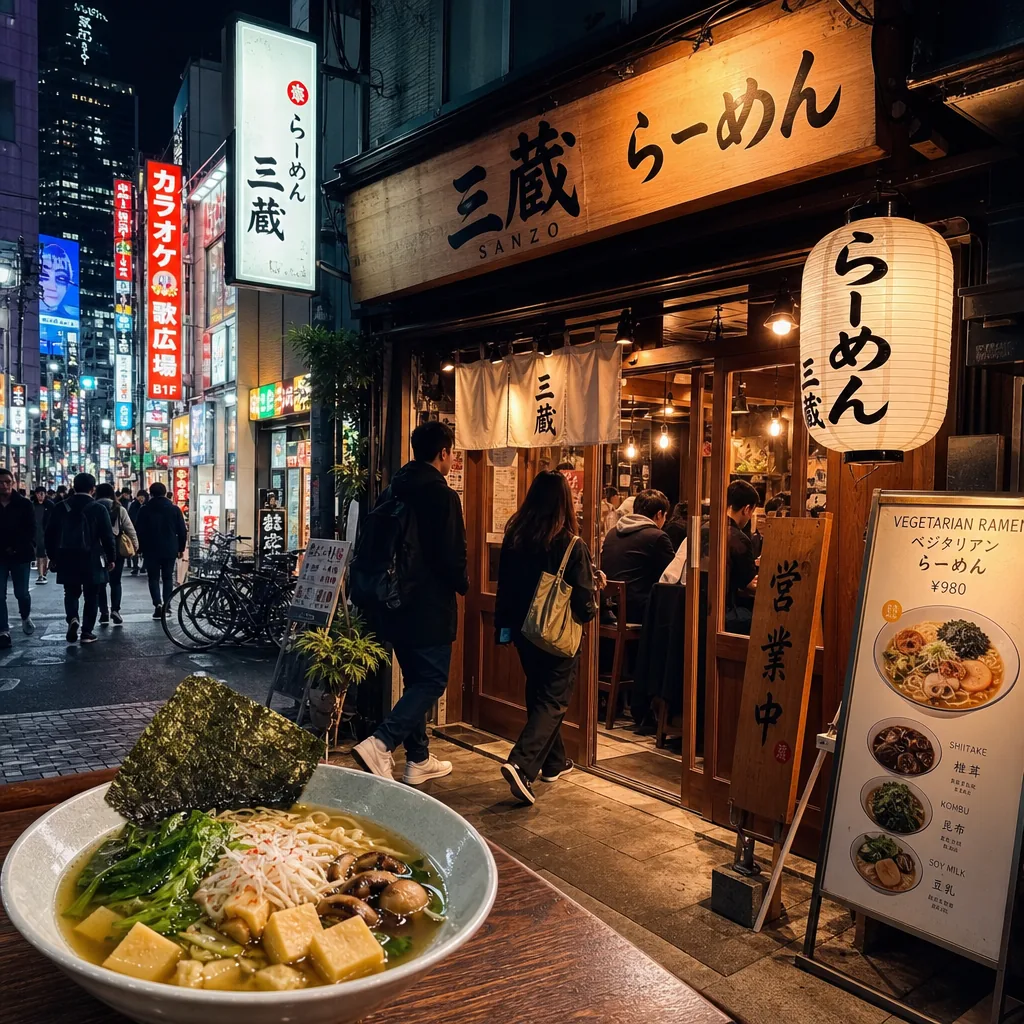
Find late-night vegetarian ramen in Tokyo by focusing on Shibuya, Shinjuku, and Roppongi, then verify broth, hours, and vegan menu details.