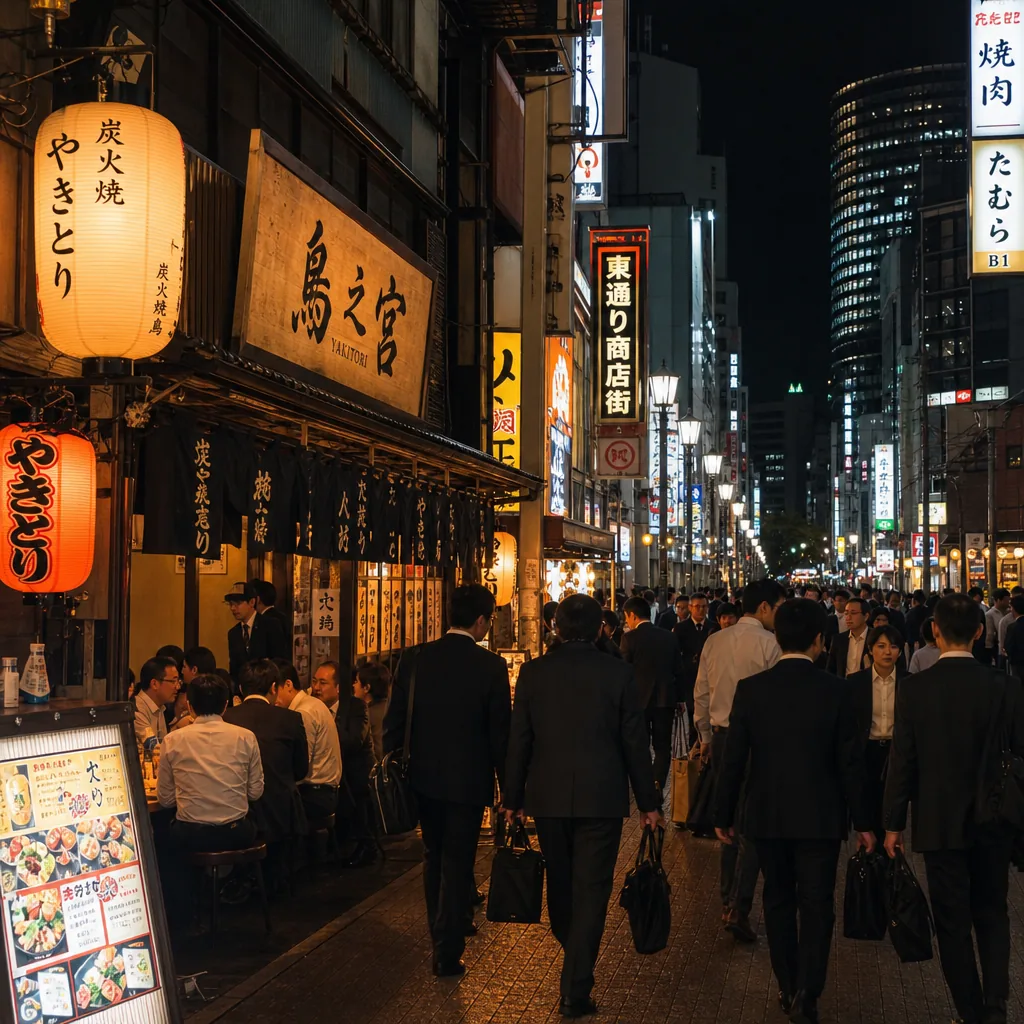
Where can I find english-friendly yakitori in Osaka after work?
Find English-friendly yakitori in Osaka after work by targeting Umeda, Namba, and Honmachi, plus booking sites and multilingual menus.
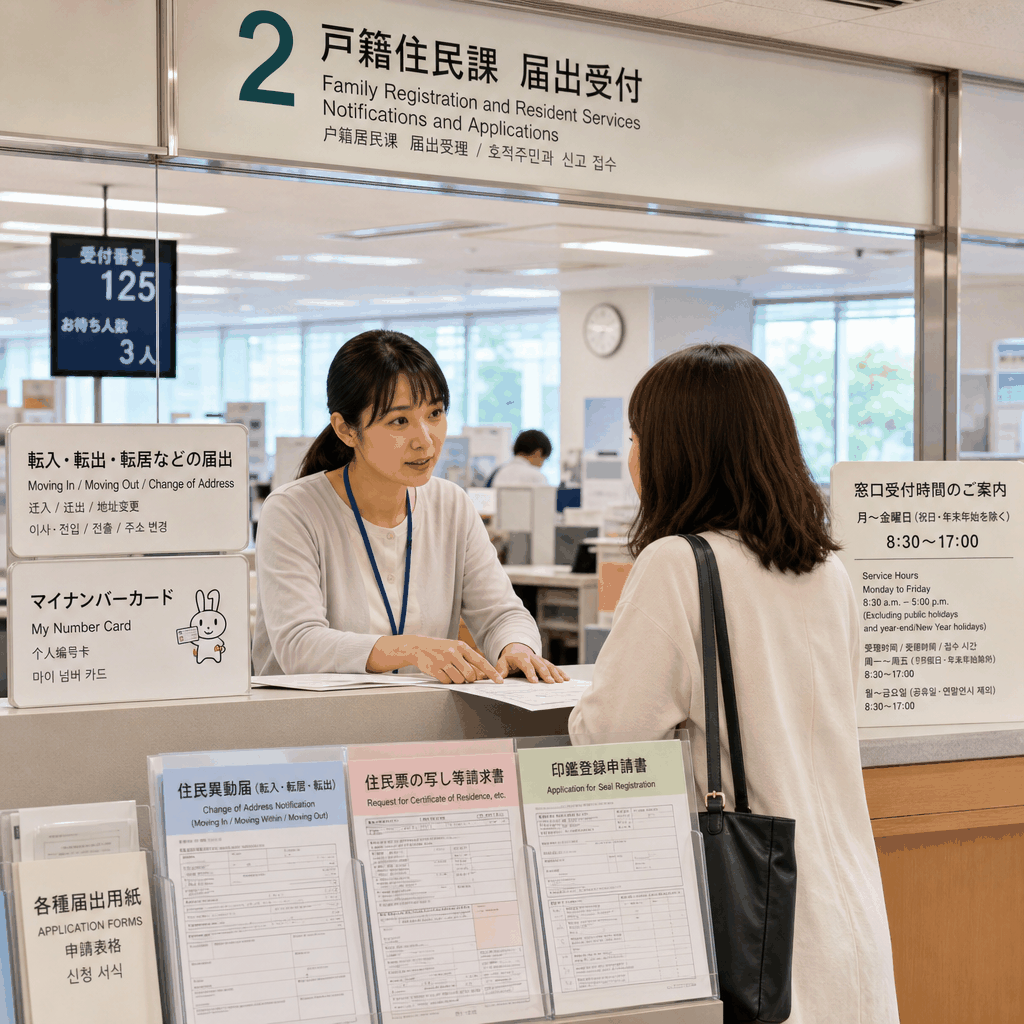
Can a concierge handle Tokyo city hall registration when you move in? Usually, a concierge can help you prepare, translate, book, or even accompany you, but the actual moving-in notification (転入届) is generally something you file yourself at the ward office or through an authorized proxy. In Tokyo, that filing is tied to the resident record system and is normally due within 14 days after you move in [1][2].
When you move to a new address in Tokyo from another municipality, you usually need to submit a moving-in notification at the ward or city office serving your new home. This is part of Japan’s Resident Basic Register system (住民基本台帳), which municipalities use to manage resident records [2].
Tokyo’s special wards and cities all handle resident registration locally, so the exact office and checklist depend on where you live. For example, Shinjuku City and Shibuya City both publish resident registration guidance on their official websites, including their own procedures for foreign residents [3][4].
In practice, this means moving to an apartment in Shinjuku-ku, Shibuya-ku, or another Tokyo ward is not handled by a single Tokyo-wide counter. You register where your new address is located, and you do it after your move, not before [1][3][4].
A concierge service can be very useful, but it is important to separate support tasks from legal submission. A concierge can typically explain the steps, help you prepare the documents, translate Japanese notices, reserve a ward-office visit, and accompany you to the counter if needed.
What a concierge usually cannot do automatically is file your resident registration as though they were you. If someone other than the resident submits the form, the ward office may require a signed proxy letter or power of attorney, plus identity documents for both the resident and the proxy [1][3][4].
That distinction matters because resident registration is not just a building move-in form. It is an official municipal procedure that updates your address in the government system used for daily administration, including later address-linked tasks [2].
The exact checklist varies by ward, but Tokyo municipalities commonly ask for the documents that prove your move and identity. Shinjuku City and Shibuya City both direct residents to bring the relevant paperwork for the moving-in procedure, and foreign residents may need additional documents depending on status and household changes [3][4][5].
Before you go, prepare the following as a practical baseline:
If you are a foreign resident, the Ministry of Justice’s information portal is a useful reference for broader residence-related procedures and status-of-residence support, while your local ward office remains the authority for the actual address change [5].
Some Tokyo ward offices allow a proxy to submit resident-registration paperwork, but this is not automatic and the rules can differ by municipality. If your concierge is acting as a proxy, confirm in advance whether the office accepts proxy submission for your exact case and what wording they require on the authorization letter [3][4].
This is especially important if your move involves a family household, a foreign resident procedure, or multiple simultaneous address changes. For example, the office may want to verify who is moving, who is in the household, and whether any attached documents match the names on the resident record [2][3][4].
If you are relying on concierge support, ask these questions before moving day:
Tokyo moves are easier when you treat resident registration as one item in a sequence rather than the whole process. Start by identifying your new ward office, because a home in Setagaya, Shinjuku, or Shibuya can fall under different local procedures and counter locations [3][4].
Book time early if your concierge service can reserve an appointment or accompany you. Even when appointments are not strictly required, a planned visit helps you avoid queues and gives you time to ask about related steps such as My Number card updates or health-insurance changes, which are separate from the move-in notification itself [1][5].
It also helps to keep a simple timeline:
For concrete examples, Shinjuku City and Shibuya City both maintain official resident-registration pages that explain local procedures, while the Tokyo Metropolitan Government and MIC explain the broader resident-registration system behind them [1][2][3][4]. If your concierge works regularly with Tokyo relocations, ask whether they have experience with the specific ward office nearest your new home.
So, can a concierge handle Tokyo city hall registration when you move in? They can often support the process, but they do not automatically replace the resident’s legal responsibility to file the move-in notification [1][2].
The safest approach is to use the concierge for preparation and navigation, then confirm whether the actual submission must be done by you or by a properly authorized proxy. In Tokyo, that distinction matters because the procedure is municipal, time-sensitive, and tied to your official resident record [1][2][3][4].
If you remember only one rule, make it this: check the ward office guidance for your exact address before moving, and plan to file the 転入届 within 14 days with the correct documents in hand [1][3][4].
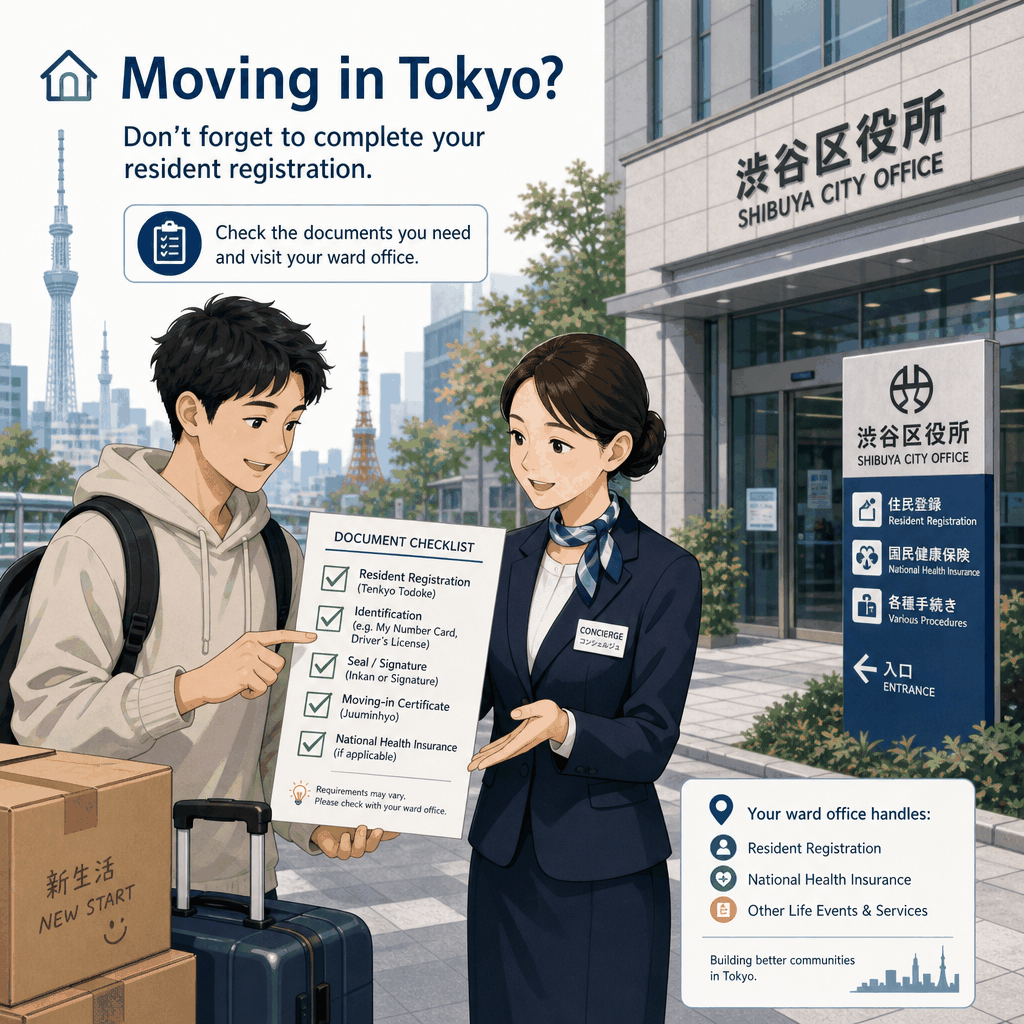
CallButler is a multilingual concierge service that handles research, coordination, and bookings so you do not have to navigate language barriers or unfamiliar systems alone. If you need help related to Can a concierge handle Tokyo city hall registration when I move in? or the tasks around it, our team can step in to manage the details and keep things moving smoothly.
Find English-friendly yakitori in Osaka after work by targeting Umeda, Namba, and Honmachi, plus booking sites and multilingual menus.
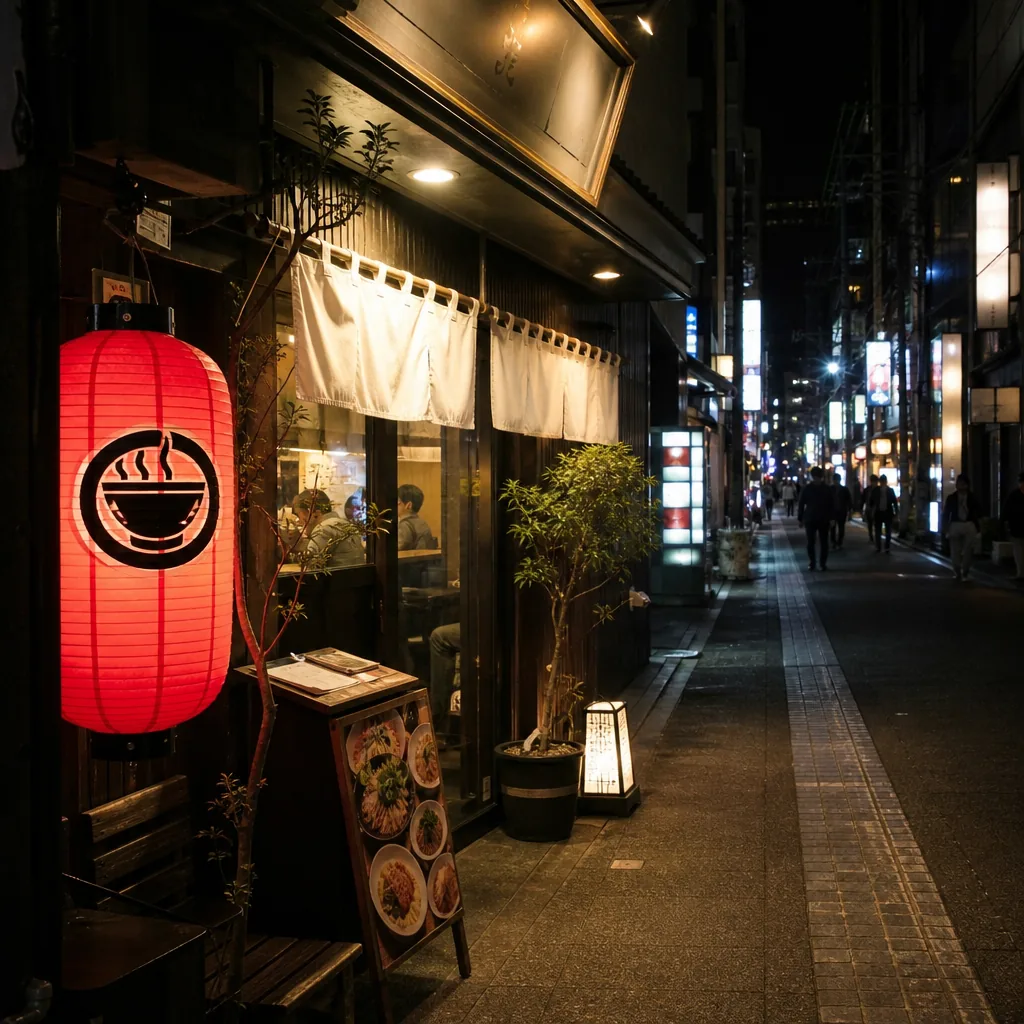
Looking for halal ramen in Kyoto after 10 p.m.? Here’s where to check, which areas are most practical, and how to verify hours and halal status.
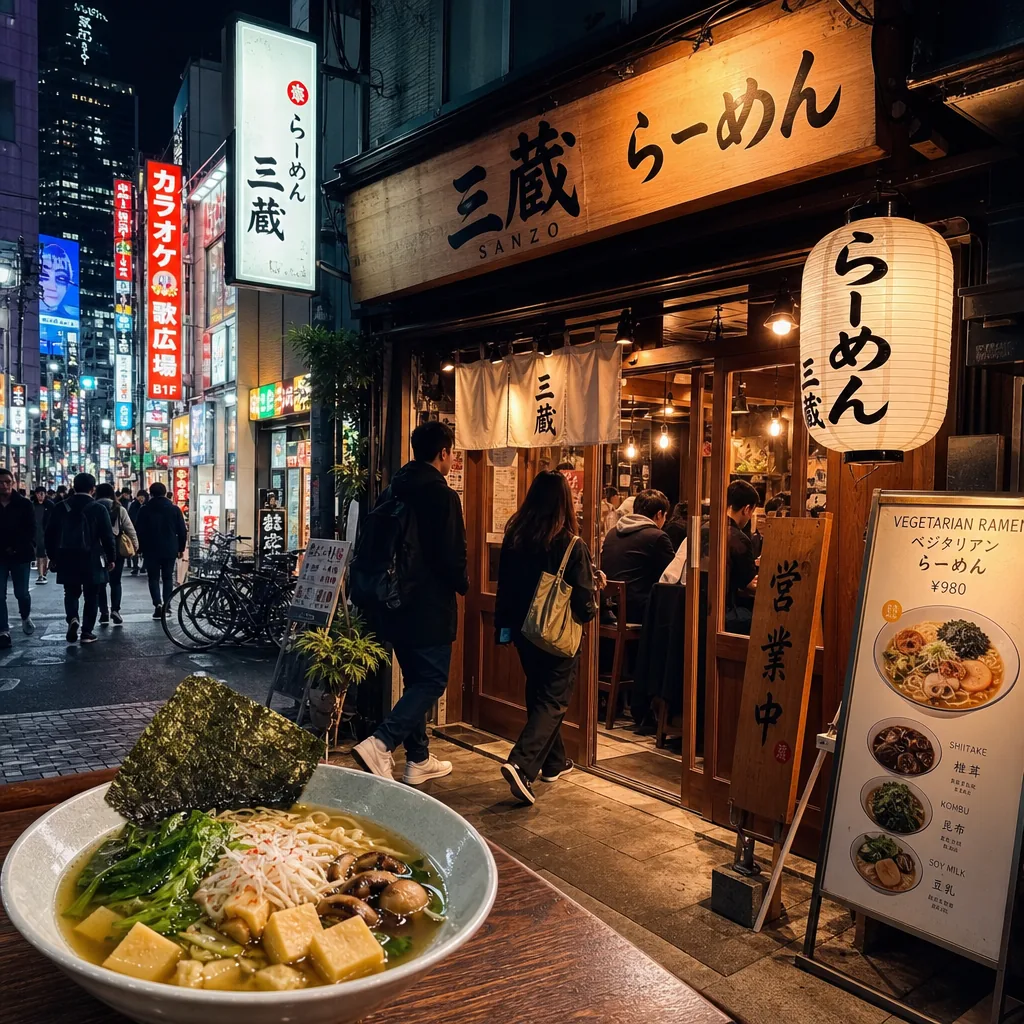
Find late-night vegetarian ramen in Tokyo by focusing on Shibuya, Shinjuku, and Roppongi, then verify broth, hours, and vegan menu details.