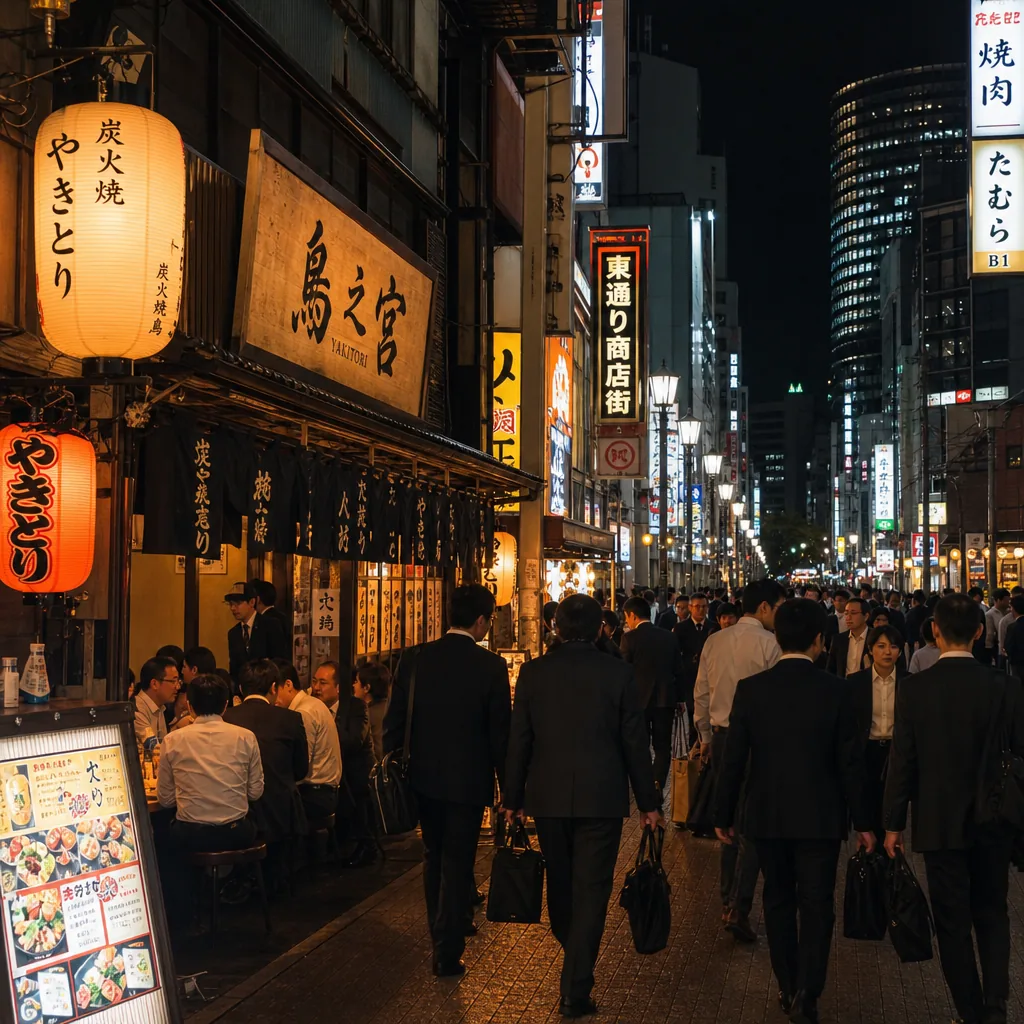
Where can I find english-friendly yakitori in Osaka after work?
Find English-friendly yakitori in Osaka after work by targeting Umeda, Namba, and Honmachi, plus booking sites and multilingual menus.
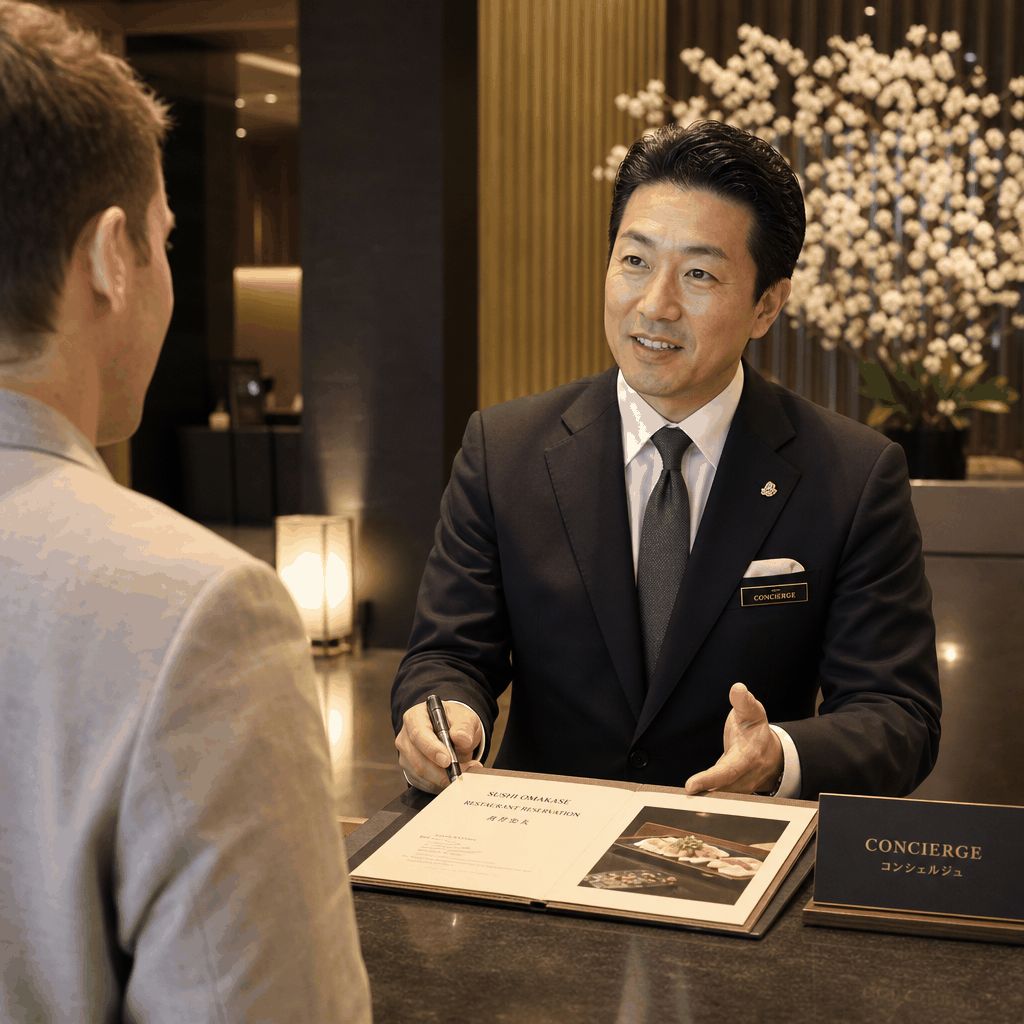
Yes—an experienced concierge can often book English-friendly omakase in Tokyo, especially when the restaurant already accepts international guests or uses an English booking platform. But the result depends on each restaurant’s reservation channel, language support, and rules on deposits, cancellations, and punctuality.
In Tokyo, “English-friendly” does not always mean that every staff member speaks fluent English. It usually means the restaurant can take reservations through an English interface, respond to basic requests in English, or work smoothly with a hotel concierge or booking service that translates on your behalf [1][4][5]. Tokyo’s dining scene is broad, and the Tokyo Convention & Visitors Bureau points visitors toward restaurant options designed for international travelers, while JNTO notes that advance planning is especially useful for higher-end dining [1][2].
For omakase, that distinction matters. A restaurant might be perfectly welcoming once you arrive, but still require Japanese-only phone reservations, a local booking platform, or advance payment. The practical question is not just “Can they speak English?” but “Can a concierge complete the booking under the restaurant’s rules?”
Hotel concierges in Tokyo are often the best first stop for omakase requests because they can contact restaurants directly, follow up on availability, and relay your preferences clearly. This is especially useful at luxury hotels in areas such as Ginza, Marunouchi, Shibuya, and Roppongi, where staff are accustomed to international guests and tight dining schedules.
In practice, a concierge usually needs exact details: date, party size, preferred time, budget, dietary restrictions, and whether English communication is required. If the restaurant uses a reservation platform such as TableCheck or Pocket Concierge, the concierge may submit the request through that channel or help you complete it yourself [4][5]. Those platforms are important because they often show whether a restaurant accepts online reservations and what conditions apply before you book [4][5].
For example, Pocket Concierge is built around Tokyo restaurant reservations and highlights high-end dining listings, while TableCheck provides booking tools and restaurant pages that can display reservation rules in English [4][5]. That makes them useful for omakase seats that might be difficult to secure by phone alone.
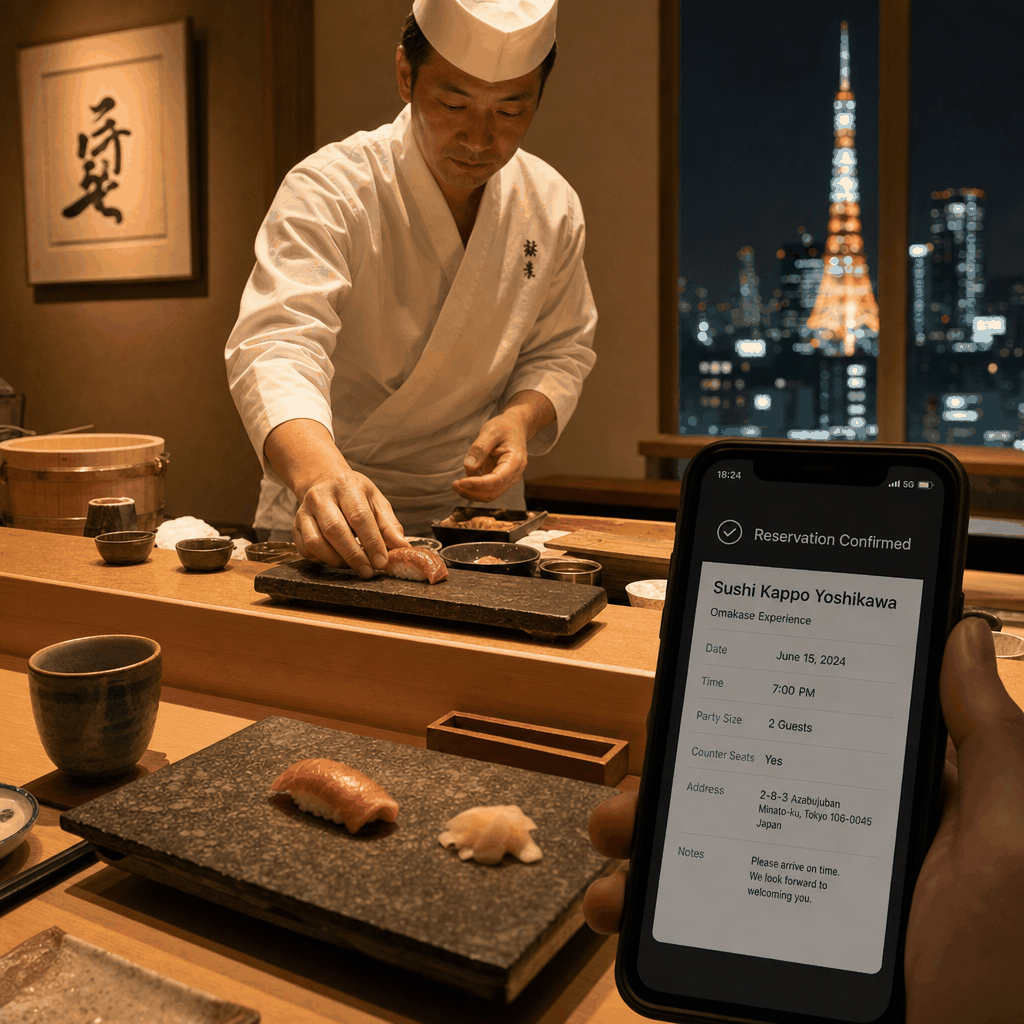
English support is most common where restaurants already cater to international travelers: upscale hotels, larger restaurant groups, and restaurants listed on English-language booking services. Tokyo tourism guidance also points visitors toward dining information that helps with restaurant selection and practical planning [1][3].
Here are three Tokyo places where this is more likely to work well:
That said, “more likely” is not “guaranteed.” Tokyo still has top sushi counters that limit access to specific channels or reserve most seats for repeat customers. A concierge may be able to try, but cannot override a restaurant’s policy or force a booking if the restaurant is full.
Tokyo omakase restaurants often have strict rules, and these are the main reason a booking succeeds or fails. JNTO notes that diners should pay attention to restaurant etiquette and advance arrangements, especially for higher-end meals [2]. In practice, the most common obstacles are:
These policies are common enough that a concierge should check them before confirming anything. TableCheck and Pocket Concierge both exist partly because Tokyo restaurants often need a structured way to communicate these conditions in advance [4][5].
If you want a concierge to book English-friendly omakase in Tokyo, the best results come from being specific and flexible. Since the restaurant decides whether the booking is accepted, your job is to make the request easy to approve.
Flexibility matters because Tokyo’s best omakase seats are often booked well ahead, especially on weekends and during peak travel periods. JNTO’s dining guidance emphasizes planning ahead for popular restaurants, and that advice is especially true for sushi counters with limited seats [2].
Before you say yes to any booking, make sure the concierge has confirmed the basics. A short checklist can prevent expensive mistakes:
Also ask whether the restaurant has any dress expectations. Even when not formally published, omakase counters in Tokyo often expect neat, respectful attire. Tokyo tourism resources encourage visitors to check dining information carefully before visiting, and this kind of confirmation is part of the process [1][3].
In the end, a concierge is a strong tool for securing English-friendly omakase in Tokyo, but only when the restaurant’s own system allows it. Use the concierge to navigate language and logistics, use English booking platforms when available, and approach the request with flexibility on dates, budget, and seat type. That combination gives you the best shot at a smooth reservation—and a better meal once you sit down.
CallButler is a multilingual concierge service that handles research, coordination, and bookings so you do not have to navigate language barriers or unfamiliar systems alone. If you need help related to Can a concierge book English-friendly omakase in Tokyo? or the tasks around it, our team can step in to manage the details and keep things moving smoothly.
Find English-friendly yakitori in Osaka after work by targeting Umeda, Namba, and Honmachi, plus booking sites and multilingual menus.
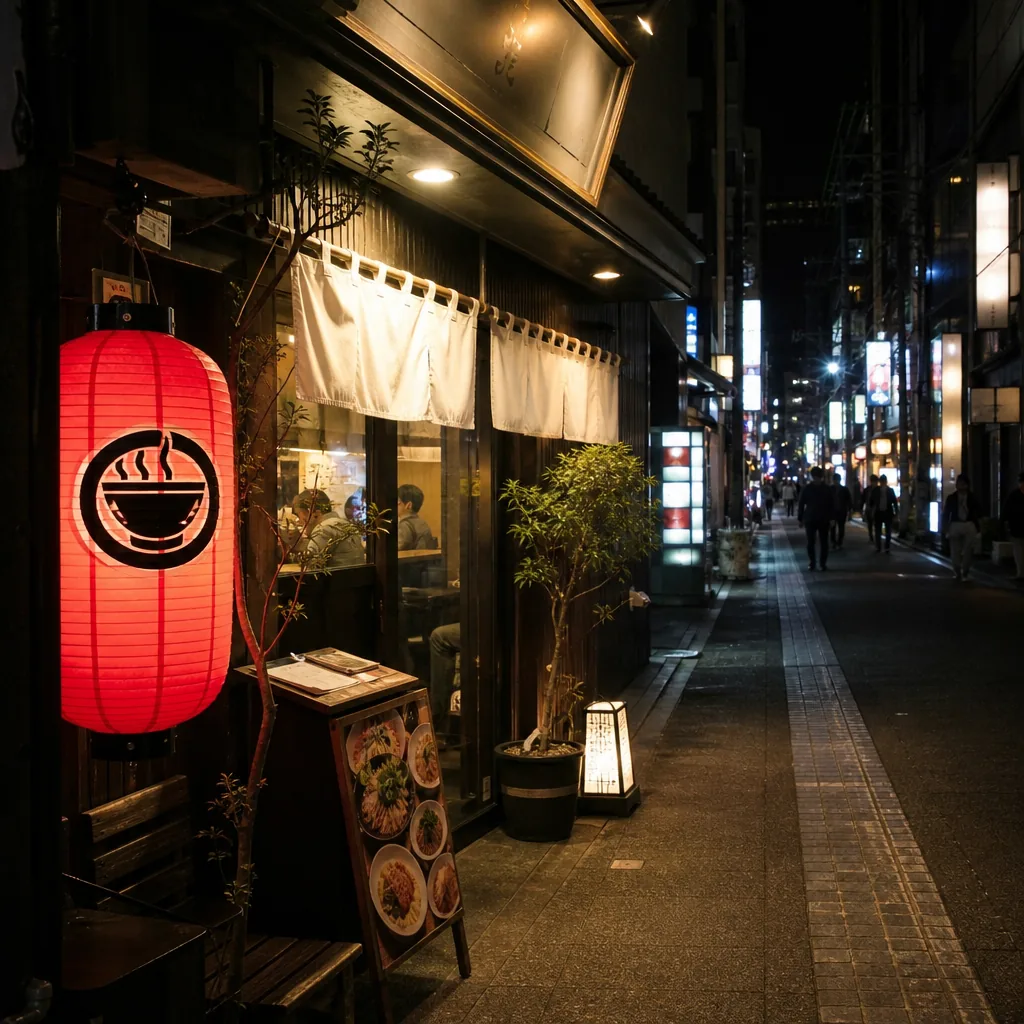
Looking for halal ramen in Kyoto after 10 p.m.? Here’s where to check, which areas are most practical, and how to verify hours and halal status.
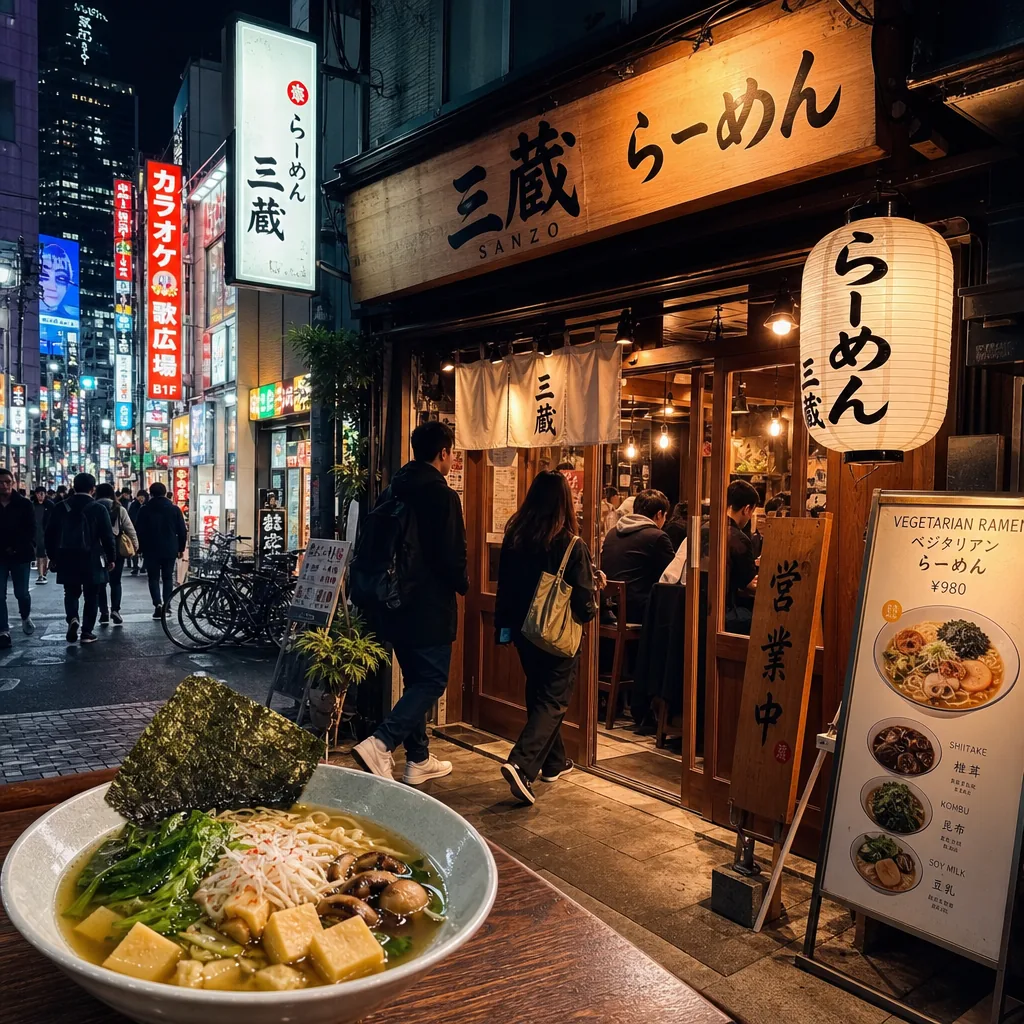
Find late-night vegetarian ramen in Tokyo by focusing on Shibuya, Shinjuku, and Roppongi, then verify broth, hours, and vegan menu details.