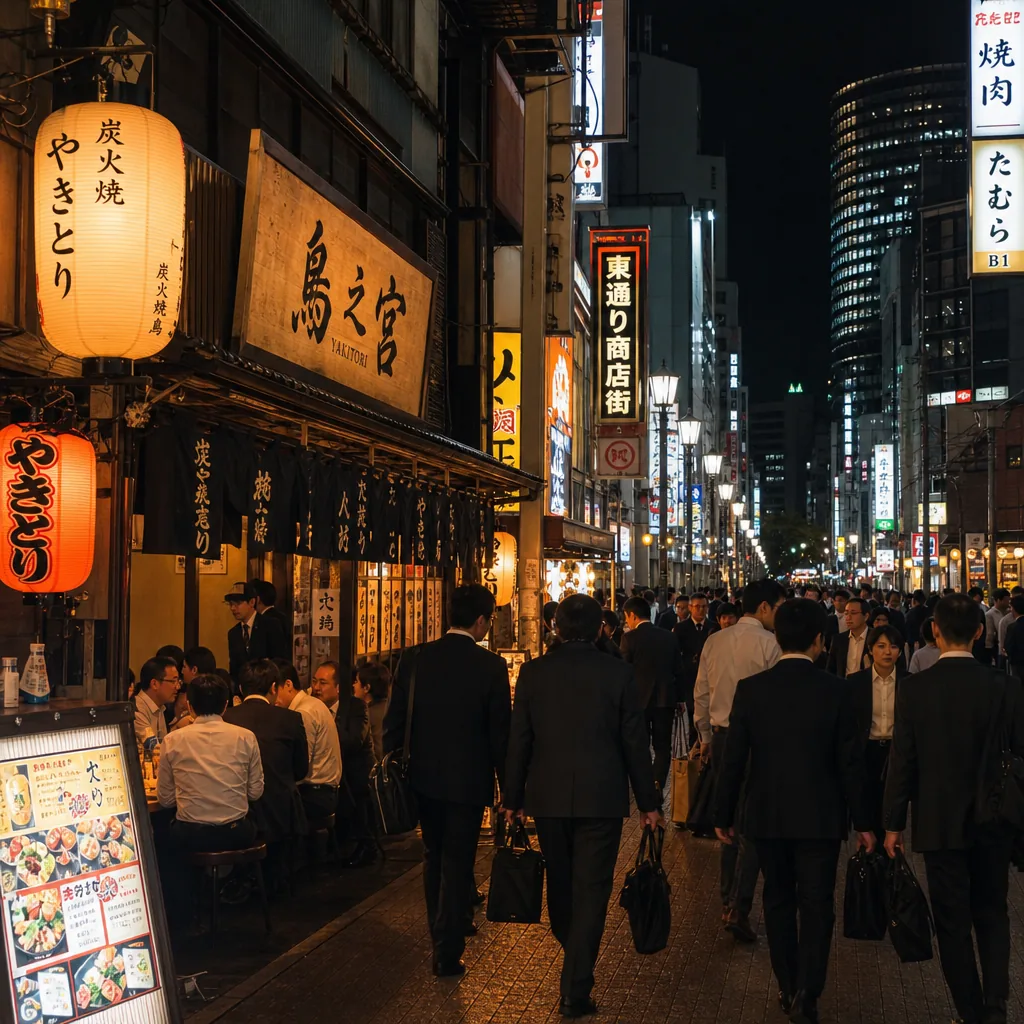
Where can I find english-friendly yakitori in Osaka after work?
Find English-friendly yakitori in Osaka after work by targeting Umeda, Namba, and Honmachi, plus booking sites and multilingual menus.
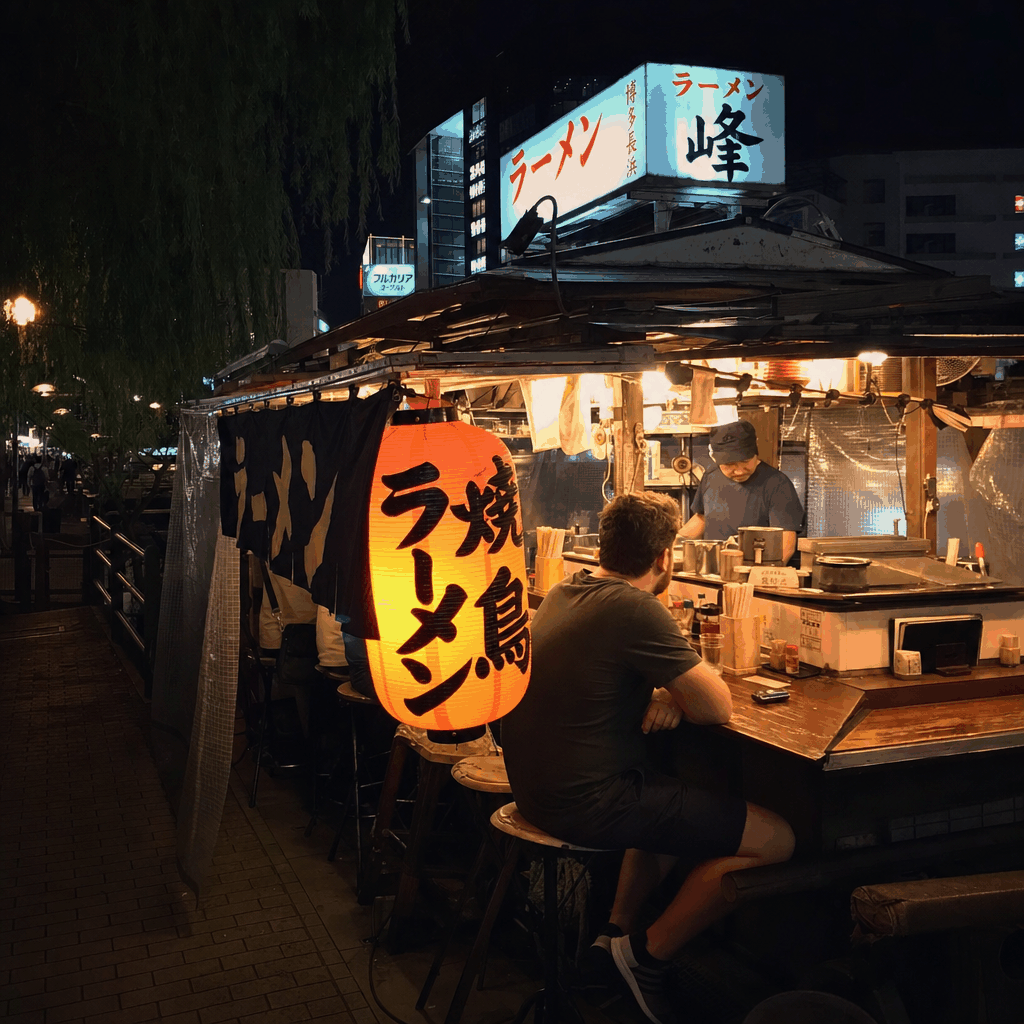
Yes—Fukuoka yatai are generally safe and welcoming for solo foreign diners if you choose busy stalls, keep your belongings close, and use simple ordering manners. In central Fukuoka, especially Tenjin, Nakasu, and Nagahama, solo seating is common and many stalls are used to first-time visitors [1][2][3].
Yatai are open-air food stalls that are part of Fukuoka’s food culture, and the city officially highlights them as a distinctive local dining experience [1][4]. They are most often found in nightlife and shopping areas such as Tenjin, Nakasu, and near Nagahama, where visitors can eat ramen, yakitori, oden, and other simple dishes in a compact, informal setting [1][2][3].
Because yatai have limited seating and a close, counter-style layout, they are usually easy for solo diners. Fukuoka City Tourism notes that this is a place where visitors can enjoy local interaction in a small, casual environment rather than a formal restaurant setting [1][2].
For most visitors, yes—especially at busy stalls with visible menus, good lighting, and a steady flow of customers. Fukuoka’s official tourism information presents yatai as a normal part of the city’s visitor experience, and JNTO also lists yatai as one of the city’s signature food experiences [1][3].
Still, “safe” in practice means making smart choices. Go to stalls that already have other diners, avoid very empty or poorly lit spots late at night, and keep your bag on your lap or between your feet. Since yatai are small and informal, it is also wise to be ready for limited space, brief service, and a fast pace [2][4].
Some stalls may close on certain days, in bad weather, or because of limited capacity, so checking hours before you go is practical. Fukuoka City’s yatai information emphasizes that visitors should expect small-scale service and variable operating conditions [4].
A good first choice is a stall with a line of local customers or mixed groups of locals and tourists. In Tenjin and Nakasu, the most reliable options are usually the ones that are clearly open, well lit, and have a posted menu outside [1][2].
Look for these signs:
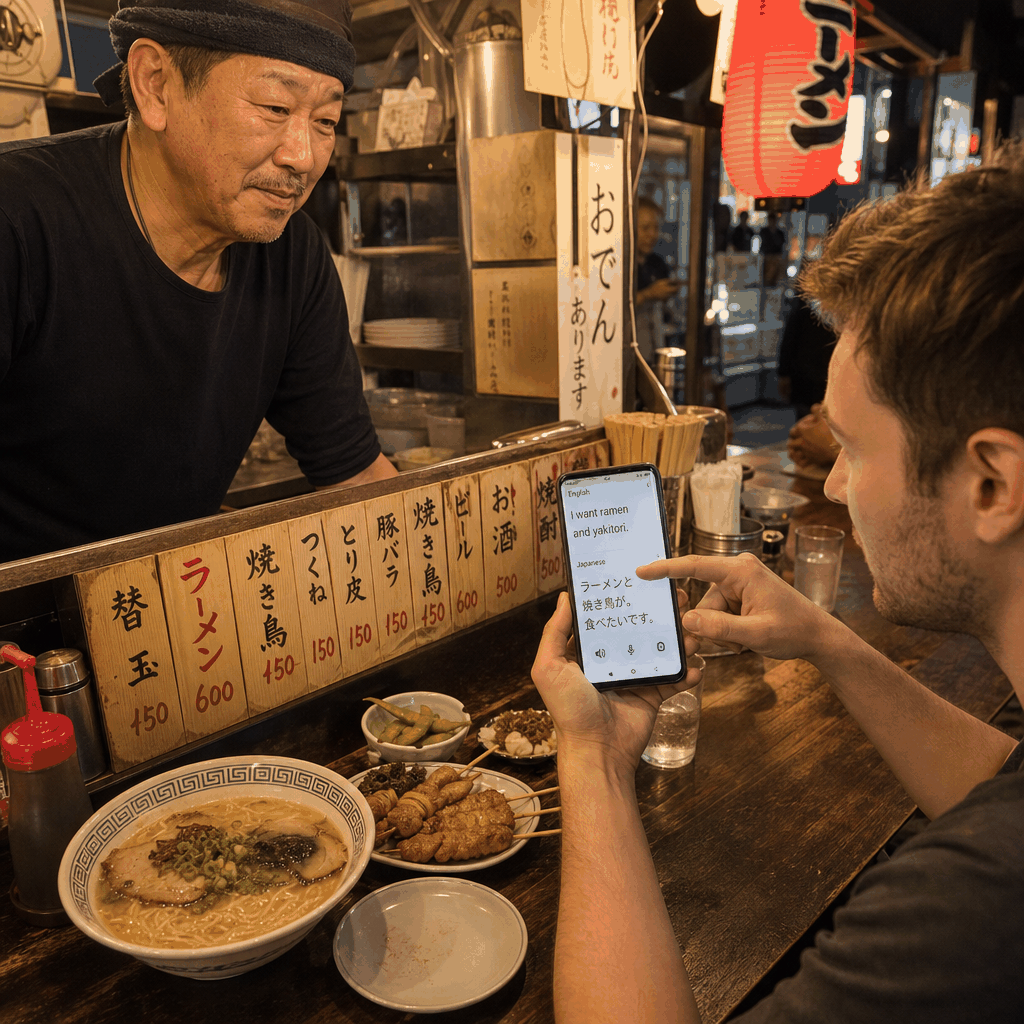
Ordering usually starts with a greeting, then a simple request or a point to the menu. You can say “Konnichiwa” or “Hello,” wait for the staff to seat you if needed, and then ask what the best-known item is or point directly at the dish you want [2][5].
A typical flow looks like this:
Many stalls are accustomed to tourists, but English may be limited, so pointing is completely normal. If you are unsure, ask “What do you recommend?” and let the staff suggest something simple. Because yatai are small, it is better to order a manageable amount first and add more later if you are still hungry [2][5].
Simple phrases go a long way at yatai, especially if you are dining alone. Even when staff do not speak much English, short polite phrases and gestures help the interaction feel easy and respectful [2][4].
Cash is often preferred or required at yatai, so bring enough small bills and coins to avoid awkwardness. Fukuoka tourism guidance and visitor articles both note that these stalls are informal, so it is better to assume cash-first service unless the stall clearly states otherwise [2][4][5].
It is also common for prices and charges to differ by stall. Some yatai may add a seating or table charge, and alcohol is usually ordered separately from food. Check the posted menu before you sit down so you are not surprised later [2][4].
Solo dining at a yatai is normal, not unusual. The counter setup makes it easy to come in alone, order one bowl or a few skewers, and leave without any fuss, which is one reason yatai work so well for independent travelers [1][2][3].
Expect a short, casual meal rather than a long, lingering one. Many visitors stop at a yatai after exploring Tenjin’s shopping streets, Nakasu’s nightlife, or the waterfront areas near Nagahama, where a quick meal fits naturally into the evening [1][3].
Respect the small space: do not block the walkway, keep your backpack tucked in, and ask before taking photos of staff or other customers. Fukuoka City’s yatai information frames these stalls as part of the city’s living local culture, so polite behavior helps keep the experience smooth for everyone [4].
If you want the easiest possible first visit, go early in the evening, choose a busy stall, order one signature dish, and pay in cash. That approach keeps the experience simple, safe, and very Fukuoka: informal, friendly, and focused on food [1][2][3].
CallButler is a multilingual concierge service that handles research, coordination, and bookings so you do not have to navigate language barriers or unfamiliar systems alone. If you need help related to Are Fukuoka yatai safe for solo foreign diners and how do I order? or the tasks around it, our team can step in to manage the details and keep things moving smoothly.
Find English-friendly yakitori in Osaka after work by targeting Umeda, Namba, and Honmachi, plus booking sites and multilingual menus.
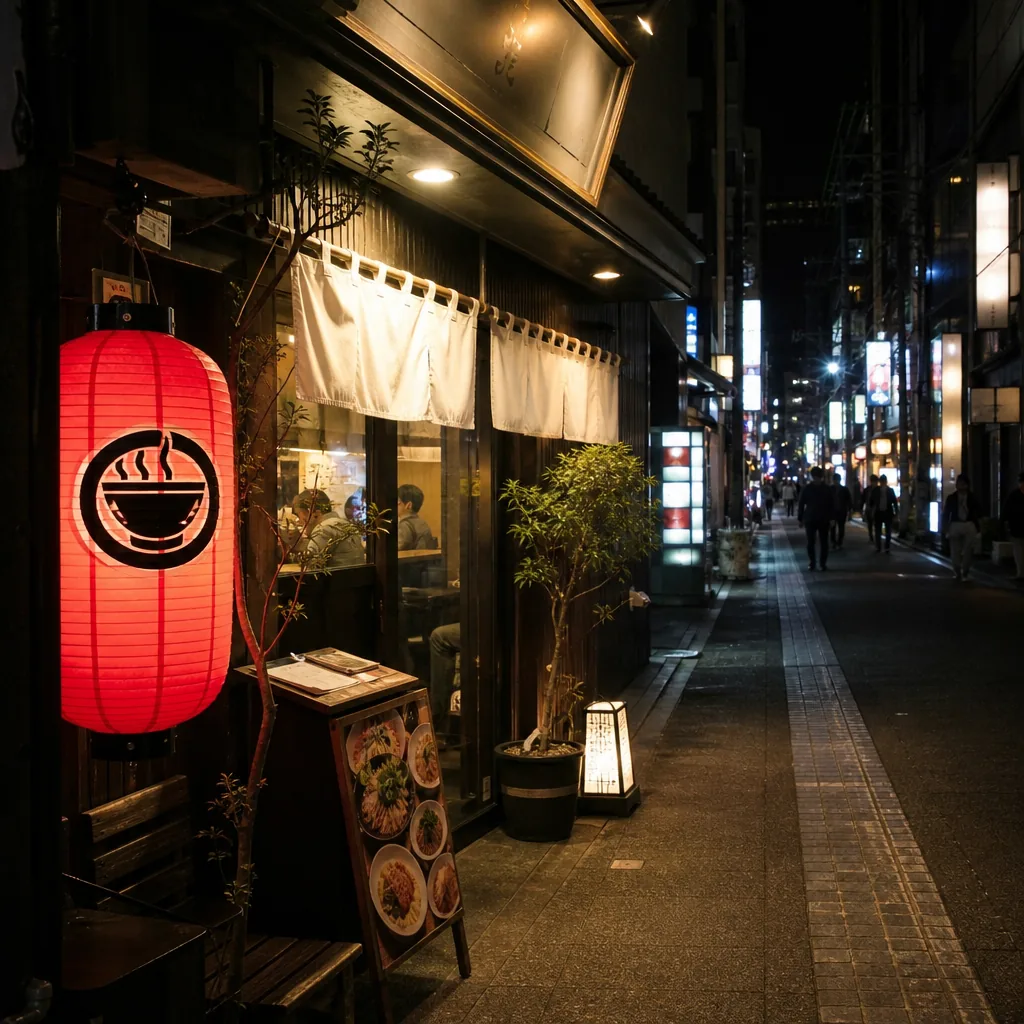
Looking for halal ramen in Kyoto after 10 p.m.? Here’s where to check, which areas are most practical, and how to verify hours and halal status.
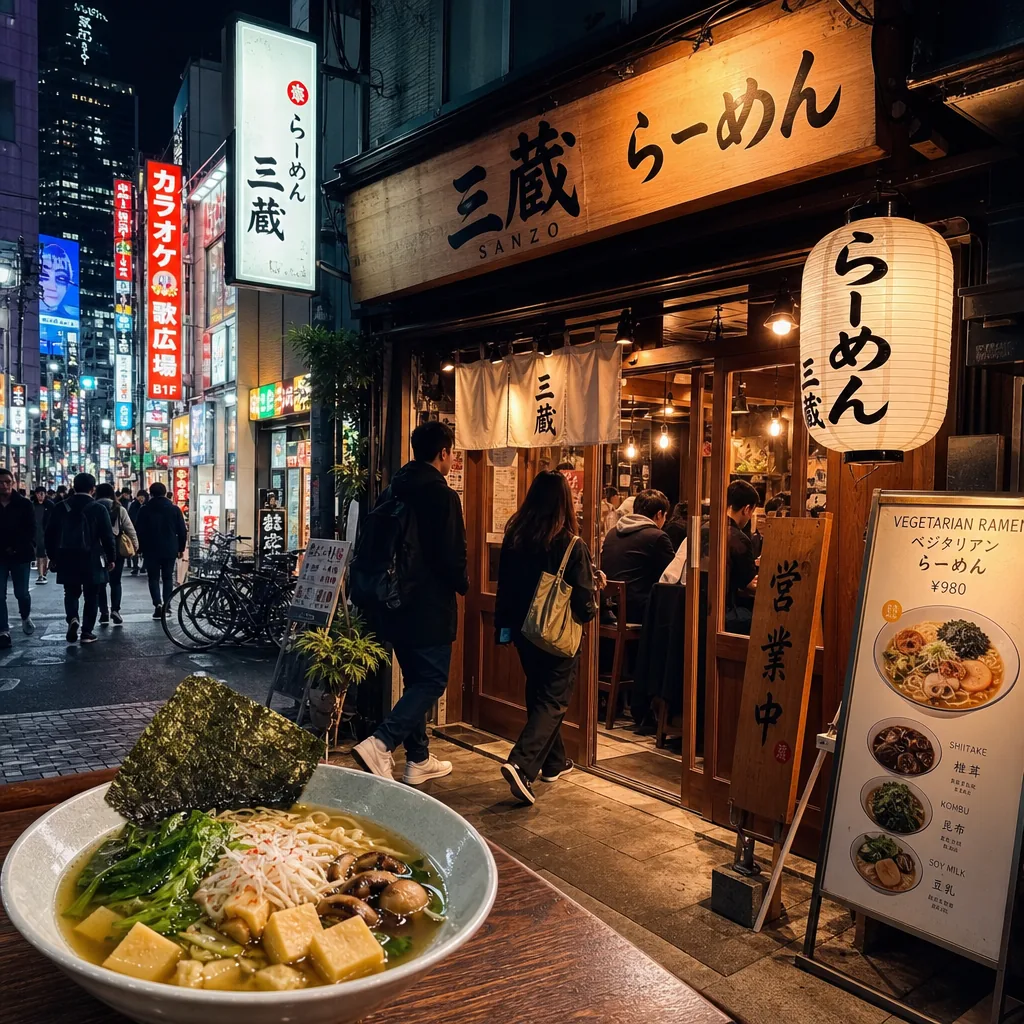
Find late-night vegetarian ramen in Tokyo by focusing on Shibuya, Shinjuku, and Roppongi, then verify broth, hours, and vegan menu details.