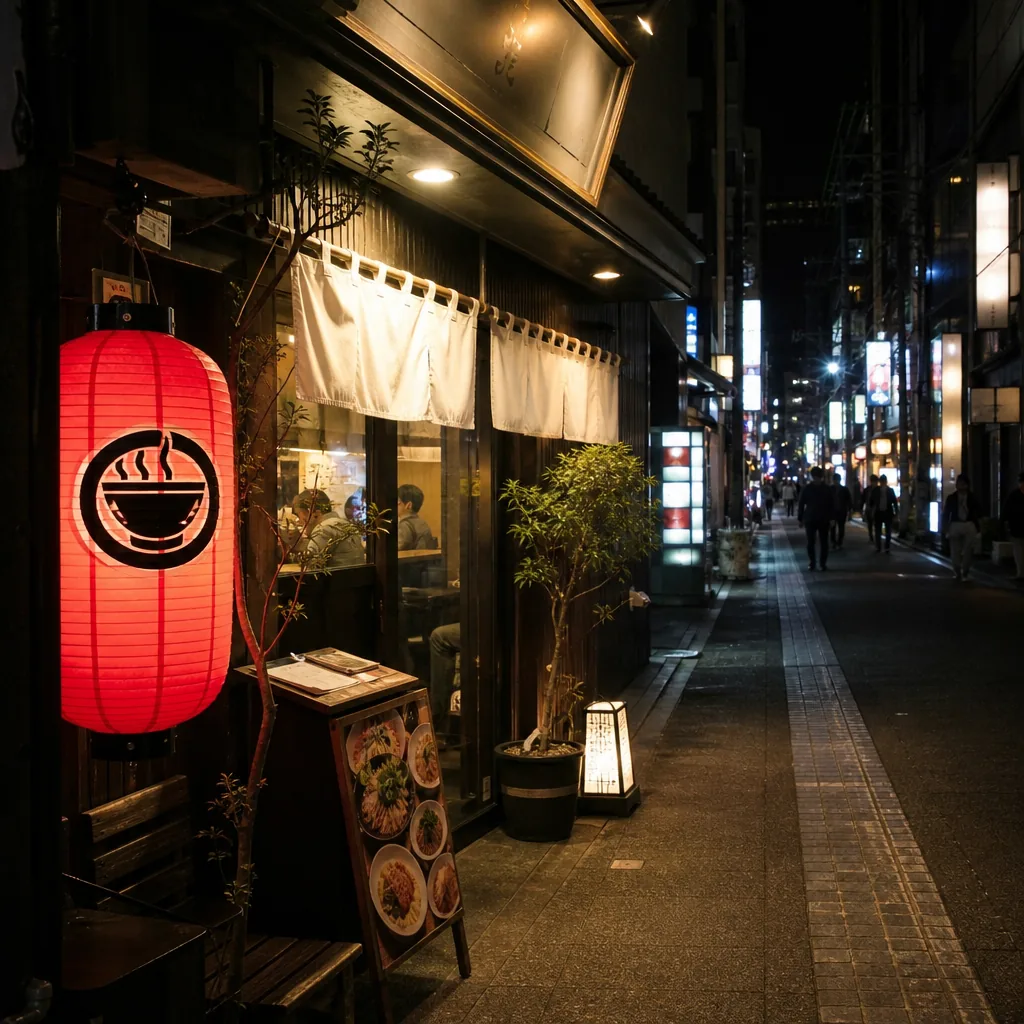
Where can expats find halal ramen in Kyoto after 10 p.m.?
Looking for halal ramen in Kyoto after 10 p.m.? Here’s where to check, which areas are most practical, and how to verify hours and halal status.
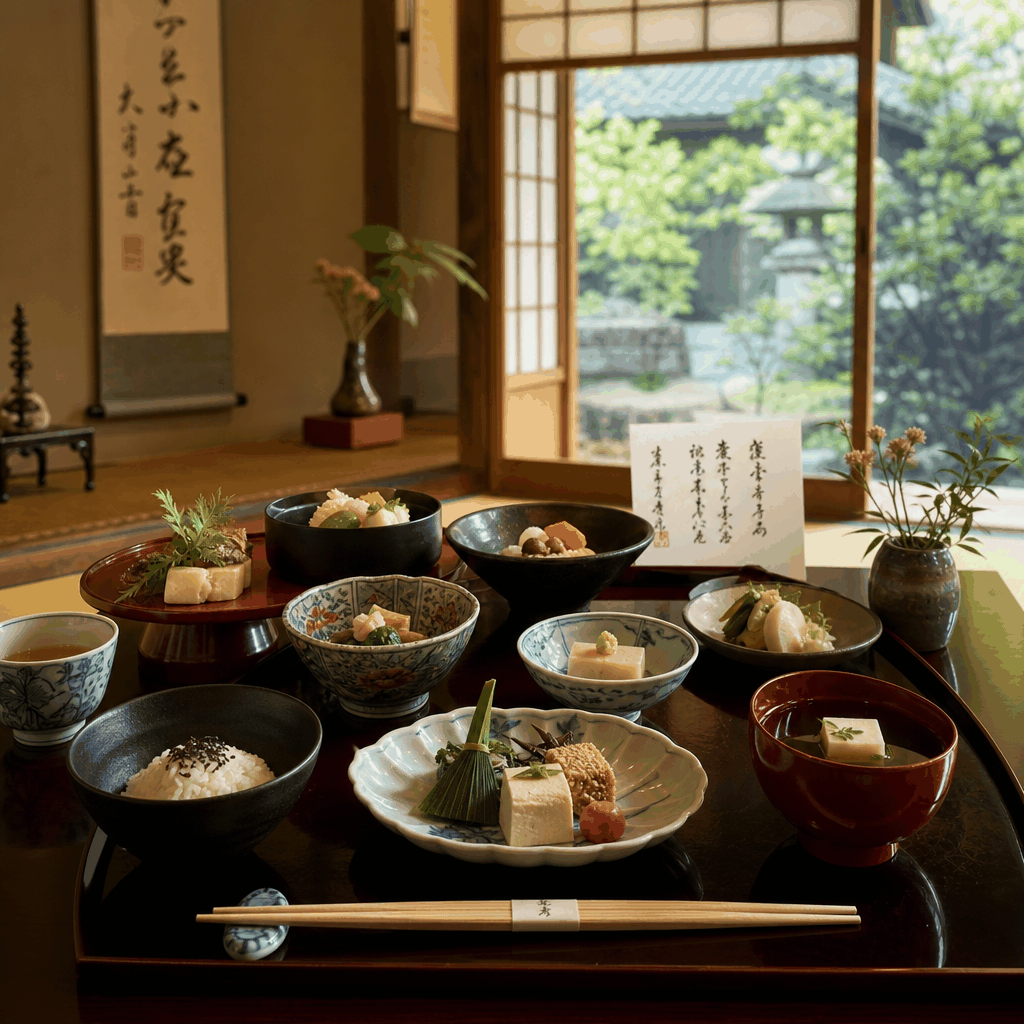
Kyoto is one of the best places in Japan to find authentic shojin ryori because the city’s temple culture has kept Buddhist vegetarian cooking alive for generations. The most reliable choices are in temple-heavy districts like Higashiyama and Arashiyama, plus temple grounds such as Daitoku-ji, where visitors can experience cuisine rooted in Zen practice [1][2][3][5].
Shojin ryori is traditional Buddhist vegetarian cuisine built around seasonal vegetables, tofu, beans, seaweed, and careful presentation rather than meat or strong seasoning [1]. Kyoto stands out because it has long been a center of Buddhist temple life, so the food developed alongside temple routines, temple lodging, and refined vegetarian cooking traditions [1][5].
For expats, Kyoto is especially useful because the city’s tourism sites actively point visitors toward temple districts for this cuisine. That means you can plan around specific neighborhoods instead of searching blindly across the city [1][2][3].
The easiest place to start is Higashiyama. Kyoto’s official area guide highlights Higashiyama as a district where visitors can enjoy temple scenery and traditional food experiences, which makes it a strong base for shojin ryori hunting [3]. It is also convenient for people visiting Kiyomizu-dera and nearby historic streets, so a lunch reservation can fit naturally into a sightseeing day [3].
Arashiyama is another strong option. Kyoto City’s Arashiyama guide points visitors to the area’s temple atmosphere and scenic walking routes, and the district is known for long-standing restaurants and temple-linked dining experiences [2]. If you want a meal paired with a bamboo-grove or river-side day, this is often the most practical area [2].
For a more temple-centered experience, look at Daitoku-ji in northern Kyoto. The temple’s official website describes a large Zen temple complex, and it is one of the places most closely associated with the tradition of temple cuisine [5]. If you want the most “temple-first” setting rather than a generic vegetarian restaurant, this is an important area to check [5].
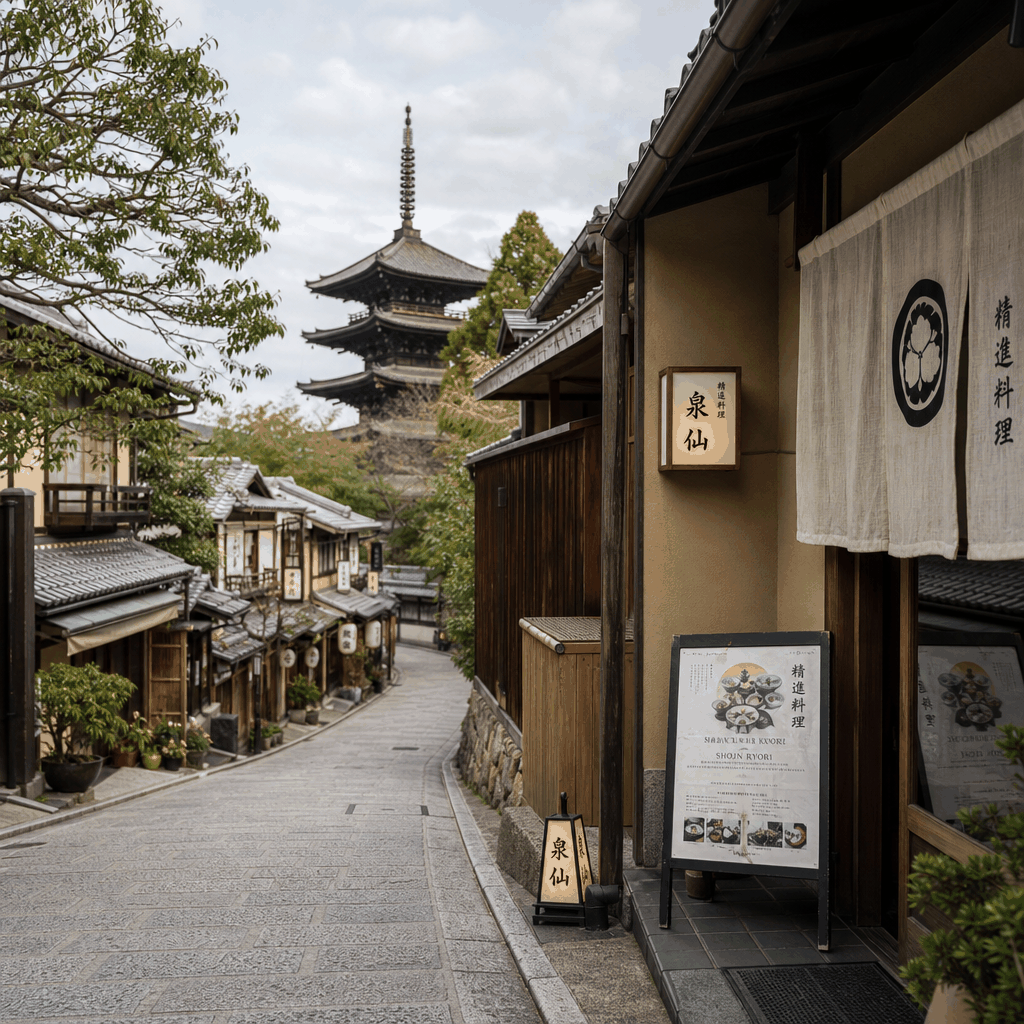
Kyoto has many restaurants and temple-adjacent dining spots, but a few named places are worth starting with because they are directly tied to the city’s official tourism guidance or temple culture:
Use these names as search anchors when checking restaurant websites or booking platforms. In Kyoto, the best shojin ryori meals are often in long-established inns, temple lodgings, or restaurants that present seasonal course menus rather than quick à la carte dishes [1][2][5].
Most authentic shojin ryori meals are served as set menus, often in kaiseki-style courses. That means the experience is slower, more formal, and usually pricier than a simple vegetarian lunch [1]. Expect a seasonal menu with small dishes rather than one large plate.
Reservations are often necessary, especially for temple-connected dining or dinner service. For expats, the easiest booking route is usually hotel concierge support, a tourist information counter, or a restaurant booking service, since English support varies by venue [1][2][3].
When you book, ask three direct questions:
This matters because some restaurants may present themselves as vegetarian but still use fish-derived seasoning unless you request otherwise [1]. If you avoid animal products, confirm the details clearly before paying a deposit.
Shojin ryori in Kyoto is usually a special-occasion meal, not a budget lunch. Because it is a multi-course seasonal experience, prices are typically higher than casual noodle or rice dishes [1]. Exact prices vary by restaurant, but you should plan for a substantial sit-down meal rather than a cheap fast option.
For timing, lunch reservations are often easier than dinner, especially if you want to combine the meal with temple sightseeing in Higashiyama or Arashiyama [2][3]. Many visitors book several days ahead, while popular temple-linked spots may require more lead time during cherry blossom and autumn foliage seasons.
A practical day plan for an expat might look like this:
Shojin ryori is tied to Buddhist values, so the meal is usually calm and restrained in presentation. Keep your tone polite, avoid talking loudly, and treat the food as part of the cultural experience rather than just another vegetarian dinner [1][5].
For dietary safety, do not assume “vegetarian” equals “vegan” in Kyoto. Ask specifically about broth, seasoning, and any hidden fish ingredients. If a restaurant says it offers shojin ryori, that is a good sign, but the exact preparation still matters for expats with strict dietary rules [1].
It also helps to bring a reservation confirmation in Japanese if possible, or at least the restaurant name and time written clearly. In temple areas, staff may be used to international visitors, but English support is not guaranteed at every venue [1][2][3][5].
If you want the most authentic shojin ryori in Kyoto, focus on Higashiyama, Arashiyama, and the temple complexes around Daitoku-ji [2][3][5]. Book ahead, ask whether the meal is fully vegan, and choose a set-menu experience rather than a casual vegetarian café if authenticity is your priority [1].
That approach gives you the best chance of finding the real thing: seasonal Buddhist cuisine served in the city where the tradition still has deep roots [1][5].
CallButler is a multilingual concierge service that handles research, coordination, and bookings so you do not have to navigate language barriers or unfamiliar systems alone. If you need help related to Where can expats find authentic shojin ryori in Kyoto? or the tasks around it, our team can step in to manage the details and keep things moving smoothly.
Looking for halal ramen in Kyoto after 10 p.m.? Here’s where to check, which areas are most practical, and how to verify hours and halal status.
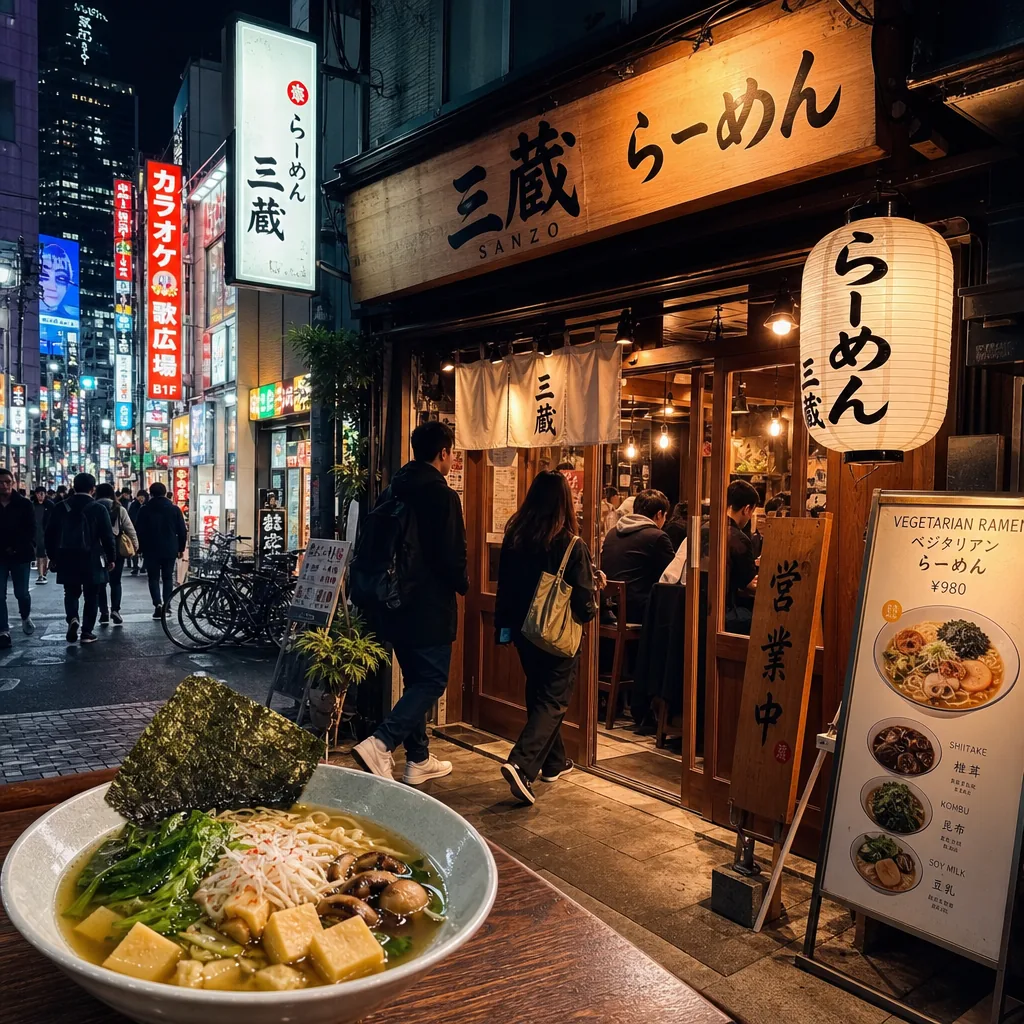
Find late-night vegetarian ramen in Tokyo by focusing on Shibuya, Shinjuku, and Roppongi, then verify broth, hours, and vegan menu details.
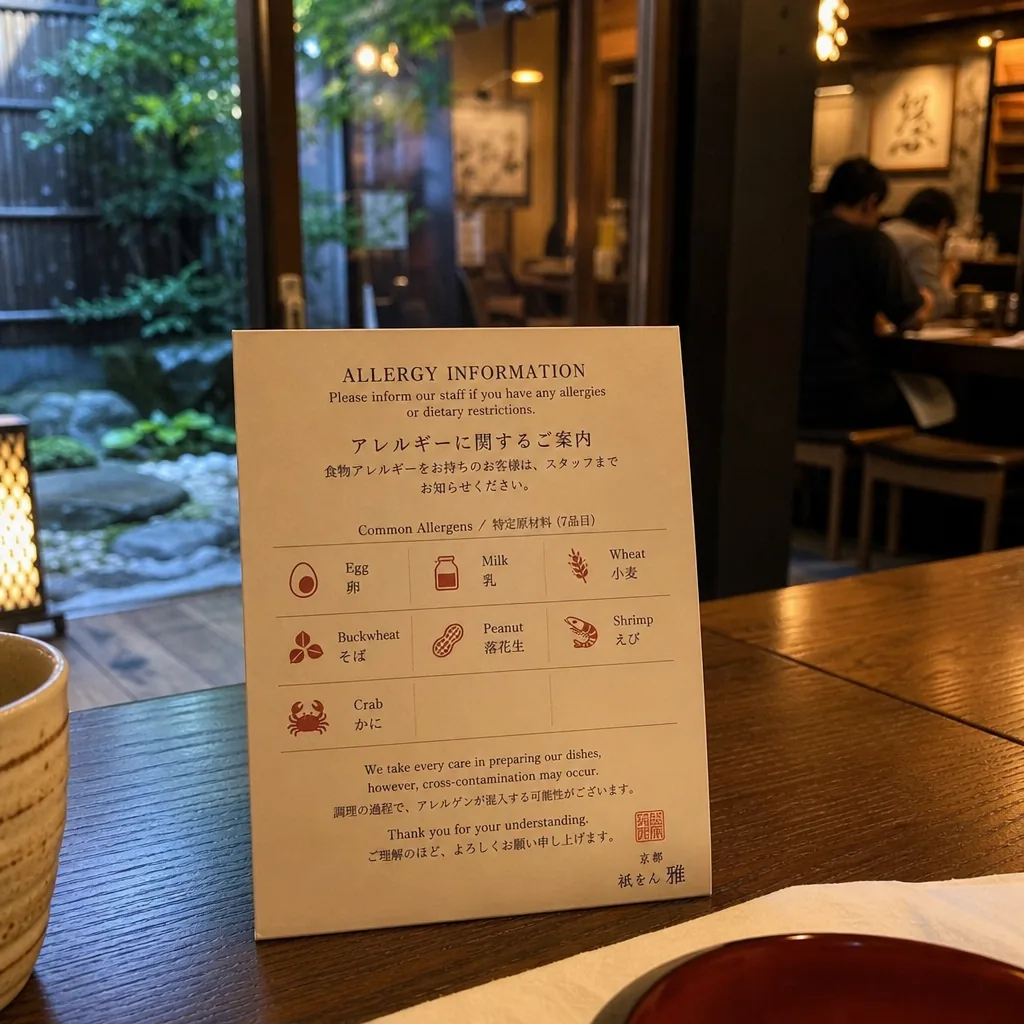
Practical Kyoto guide for expats on finding allergy-friendly restaurants, using official city resources, Japanese labeling rules, and booking tips.