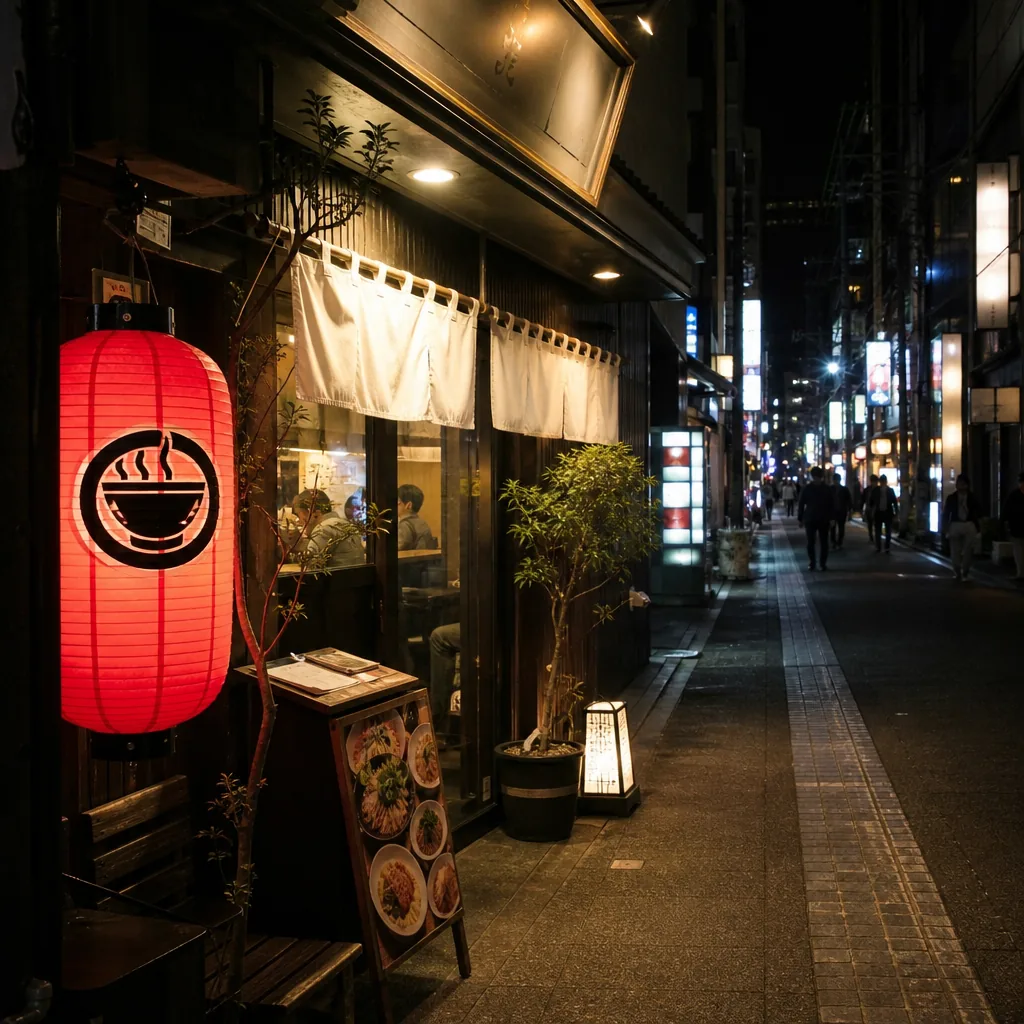
Where can expats find halal ramen in Kyoto after 10 p.m.?
Looking for halal ramen in Kyoto after 10 p.m.? Here’s where to check, which areas are most practical, and how to verify hours and halal status.
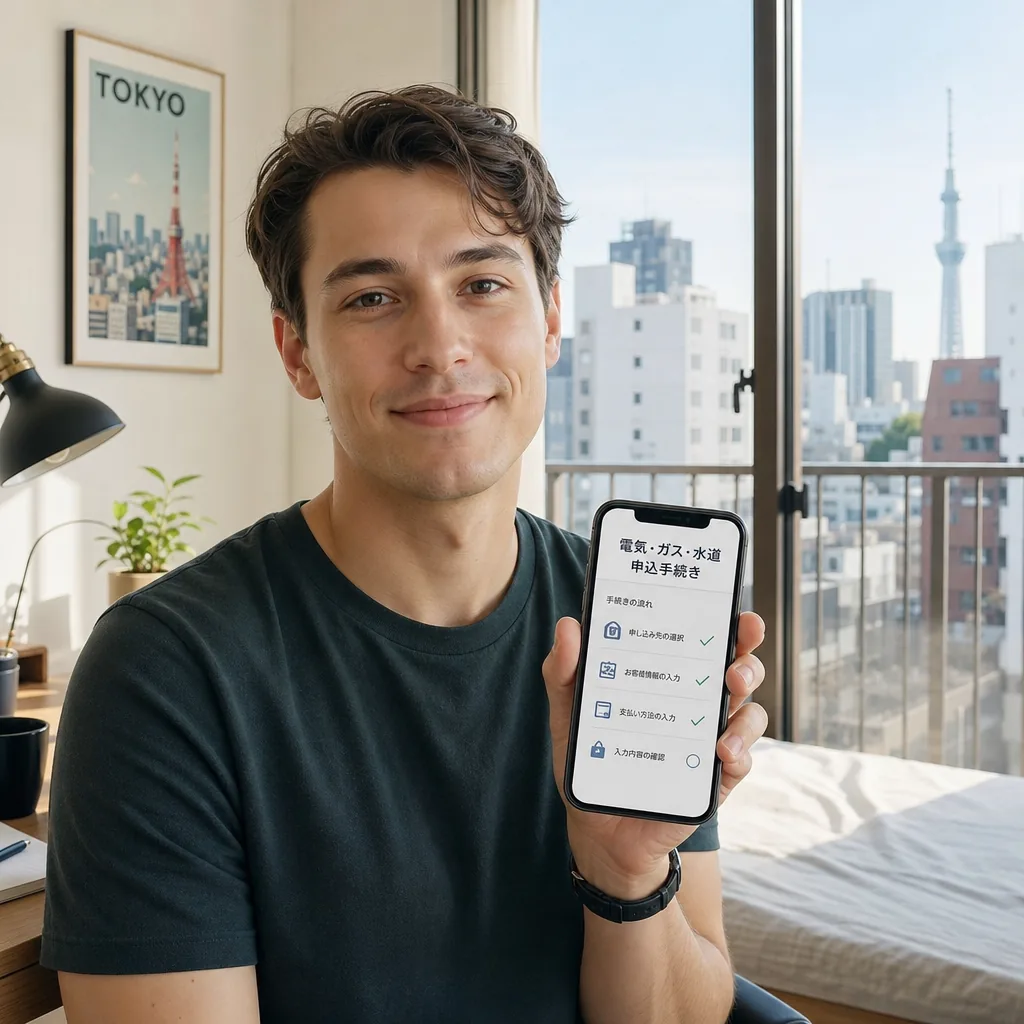
How do expats set up electricity and gas in Tokyo quickly? In most cases, you can get electricity started online or by phone in advance, while gas usually takes longer because Tokyo Gas often needs an in-person safety check or opening appointment [1][2]. The fastest approach is to apply as soon as you know your move-in date, exact address, name on the lease, and contact details, then book gas early to avoid delays during busy moving months [2][3].
Before you contact a utility, gather the same basic information both providers ask for: your full name, new Tokyo address, planned move-in date, and a phone number or email address for follow-up [1][2]. If you are renting, use the name written on the lease or housing paperwork, because that is the name utilities may use to confirm the account [1][5].
Tokyo Metropolitan Government’s foreign resident guide recommends handling basic living procedures soon after securing housing, which includes arranging utilities around your move-in date [3]. If you do not yet have a Japanese phone number, check whether the provider accepts web forms or email contact before you move; TEPCO and Tokyo Gas both provide English guidance online [1][2].
Electricity is usually the fastest utility to activate in Tokyo because TEPCO says many move-in procedures can be handled online or by phone, and some cases do not require a home visit [1]. That makes it possible to set up power before you arrive, especially if the apartment already has an existing electricity meter or a standard service point [5].
TEPCO’s English page explains that customers can request service starts by entering their moving information and the desired start date [1]. In practical terms, that means you should submit the application as soon as your lease is confirmed rather than waiting until the day you carry in your bags. If the property previously had electricity service and the breaker is off, turning it on may be all that is needed after the account is arranged [1][5].
For apartments in neighborhoods with many short-term turnovers, such as Shinjuku or Setagaya, it is especially smart to confirm whether electricity has already been disconnected or merely suspended, because the response time can be faster when the wiring and meter setup are already in place [1][5].
Gas usually requires more planning than electricity. Tokyo Gas says new customers should apply in advance and, in many cases, arrange a person-to-person opening procedure or safety inspection at the home [2]. That is the main reason gas often cannot be fully activated the same way electricity can [2][4].
Tokyo Gas provides English instructions for starting service and recommends booking early, especially when moving during the March-to-April peak season in Tokyo [2][4]. If you are moving into a place near Ikebukuro, Kichijoji, or Shinagawa, do not assume the gas can be turned on automatically just because the apartment looks ready; the supplier still needs to complete the opening process [2].
In many Tokyo apartments, the gas valve remains locked until the appointment is finished. The meter may be checked, safety information may be explained, and the utility may confirm your identity and occupancy before service starts [2][4]. Because of that, it is wise to schedule gas at least several days before move-in, and earlier if your move is during a busy week [2].
On move-in day, electricity may already be ready if you submitted the request in advance and the property has a standard meter setup [1][5]. In many cases, you simply flip the main breaker or follow the instructions left by the utility [1].
Gas is different. If your appointment is on move-in day, someone may need to be at the apartment for the safety check or opening procedure, so plan your arrival around that window [2][4]. If you miss the appointment, service can be delayed until the next available slot, which is exactly what expats trying to settle in quickly want to avoid [2].
A useful Tokyo-specific example is to coordinate utilities before other tasks such as setting up internet or unpacking, because gas and electricity affect the basic habitability of the apartment. Tokyo Metropolitan Government’s foreign resident guide emphasizes that newcomers should learn key administrative and daily-life procedures early, and utilities are part of that practical first week [3].
The biggest delay is usually gas, not electricity [1][2]. March and April are peak moving months in Tokyo, so appointment slots can fill quickly, especially for Tokyo Gas opening visits [2][4]. If you wait until the last minute, you may spend your first days without hot water or cooking gas even though the apartment is otherwise ready.
Another common issue is mismatched information. If your lease uses one spelling of your name and your utility application uses another, confirmation can slow down [1][2]. The safest move is to copy the exact name, room number, and address format from your lease or move-in paperwork [1][5].
Some buildings also have utility setups that depend on the previous tenant’s contract status, so ask the landlord or management company whether service is currently active or only needs a new account holder to apply [5]. That question can save you a day of confusion.
If your goal is to get settled fast, this is the simplest order of operations. It keeps electricity and gas on track without adding extra steps [1][2][3].
For expats in Tokyo, the speed trick is not complicated: electricity can usually be arranged quickly, but gas needs more lead time and an in-person step [1][2]. If you prepare your documents early, apply through the English pages from TEPCO and Tokyo Gas, and book the gas appointment before move-in day, you can avoid most of the common delays and settle into your Tokyo home with much less stress [1][2][3].
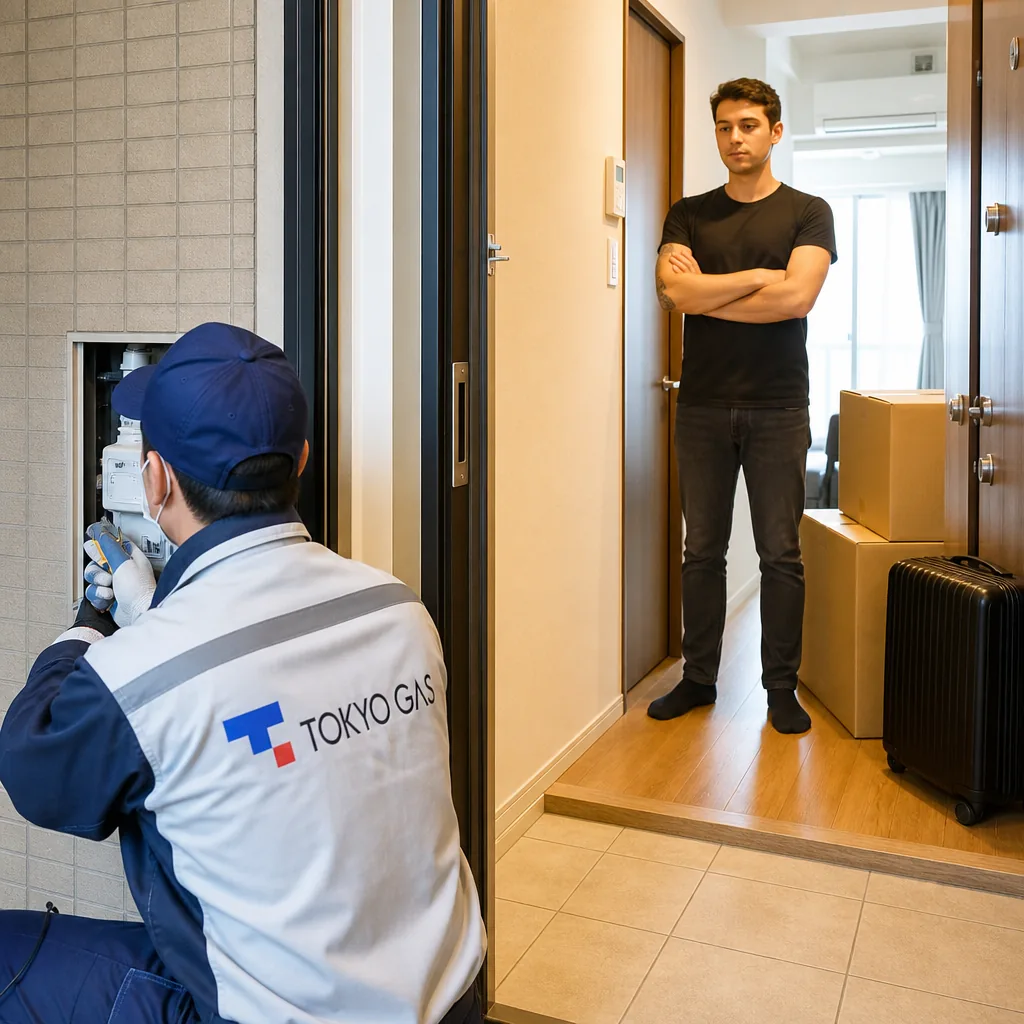
CallButler is a multilingual concierge service that handles research, coordination, and bookings so you do not have to navigate language barriers or unfamiliar systems alone. If you need help related to How do expats set up electricity and gas in Tokyo quickly? or the tasks around it, our team can step in to manage the details and keep things moving smoothly.
Looking for halal ramen in Kyoto after 10 p.m.? Here’s where to check, which areas are most practical, and how to verify hours and halal status.
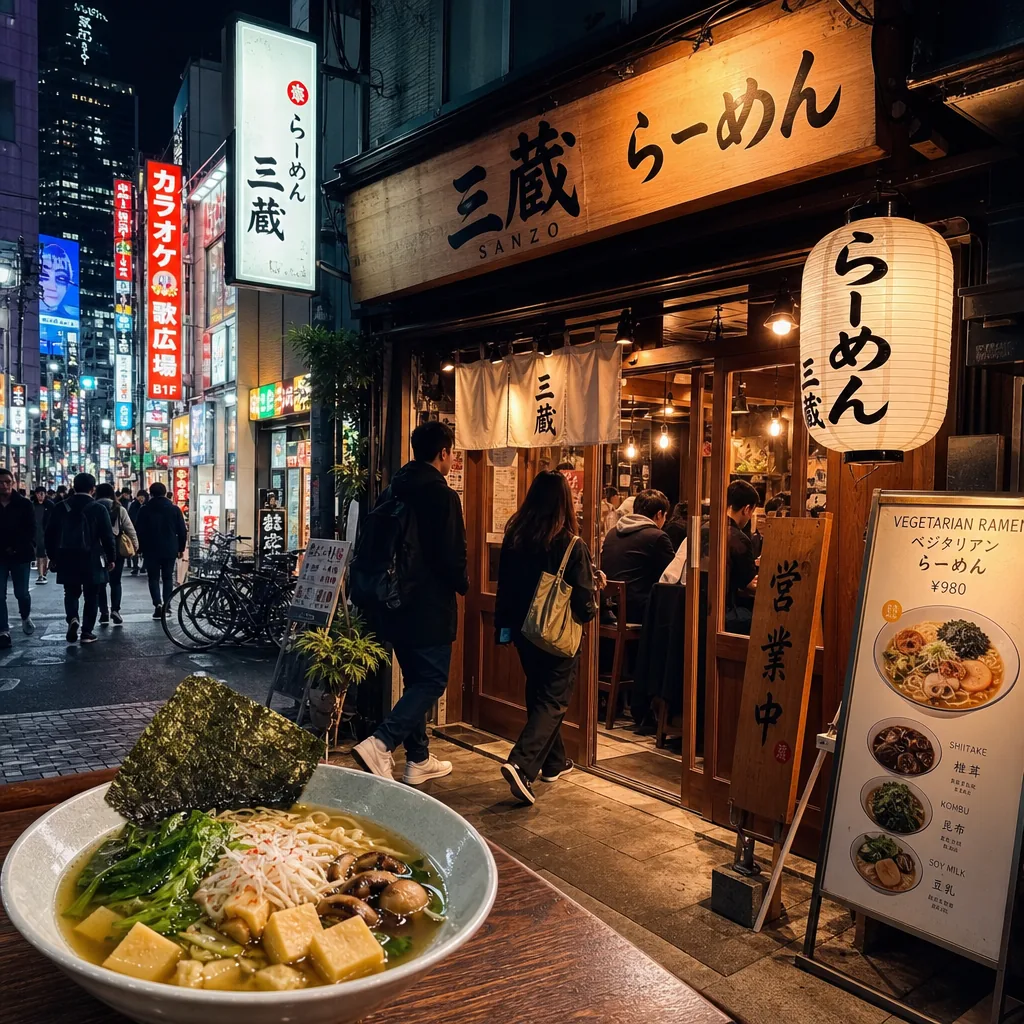
Find late-night vegetarian ramen in Tokyo by focusing on Shibuya, Shinjuku, and Roppongi, then verify broth, hours, and vegan menu details.
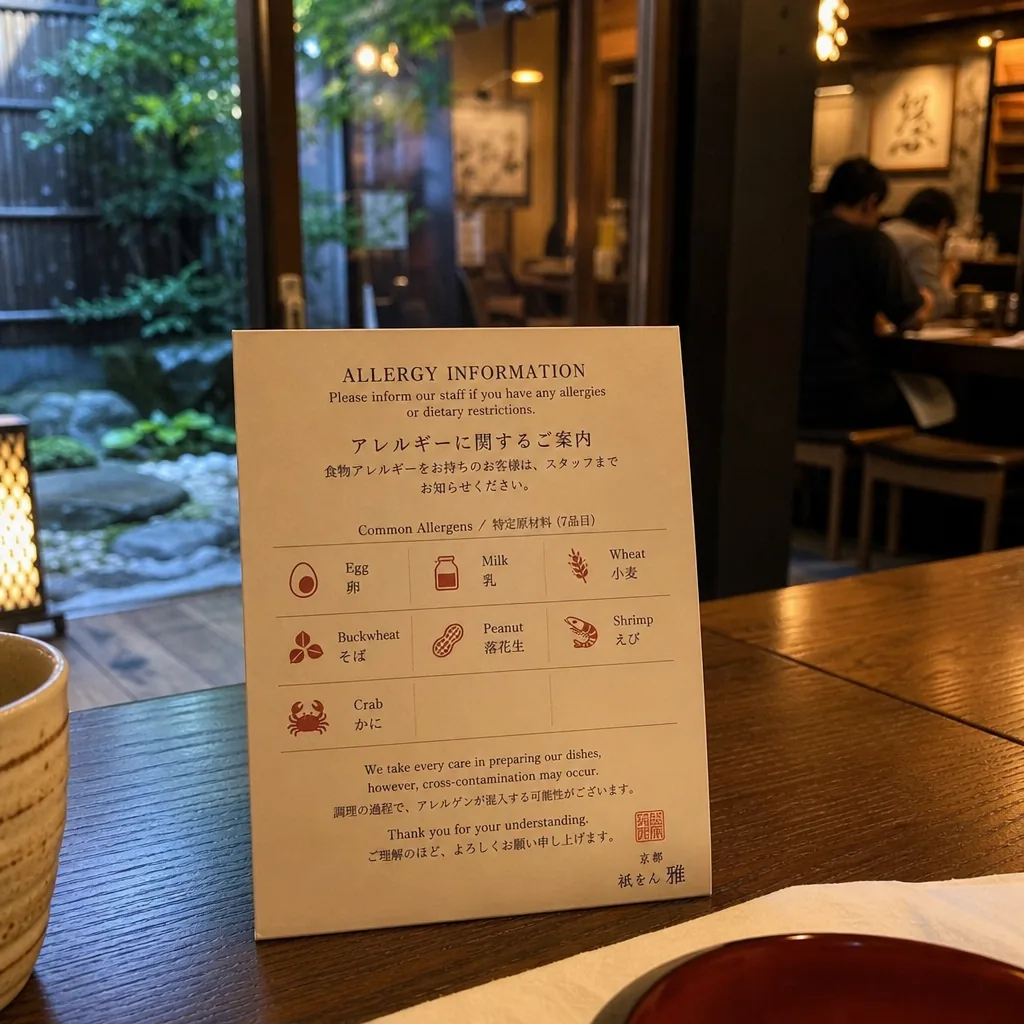
Practical Kyoto guide for expats on finding allergy-friendly restaurants, using official city resources, Japanese labeling rules, and booking tips.