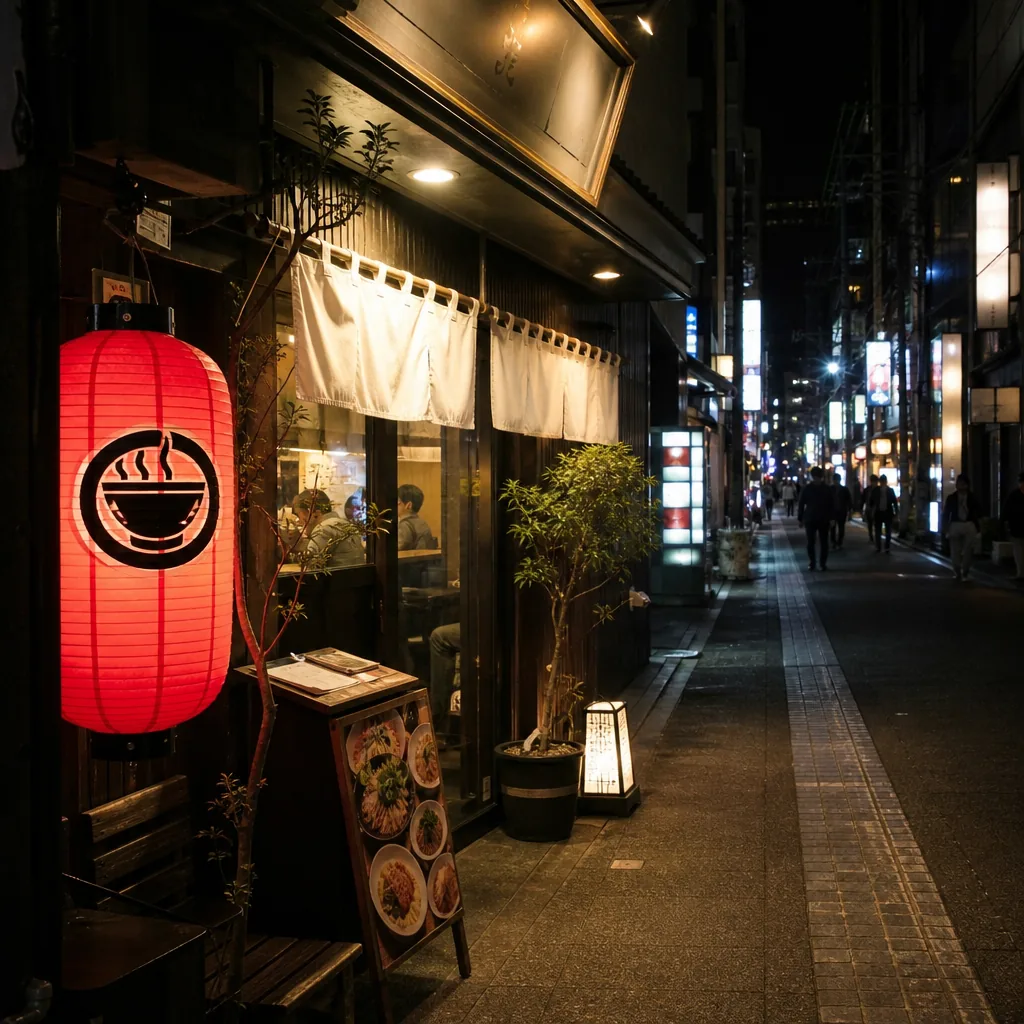
Where can expats find halal ramen in Kyoto after 10 p.m.?
Looking for halal ramen in Kyoto after 10 p.m.? Here’s where to check, which areas are most practical, and how to verify hours and halal status.
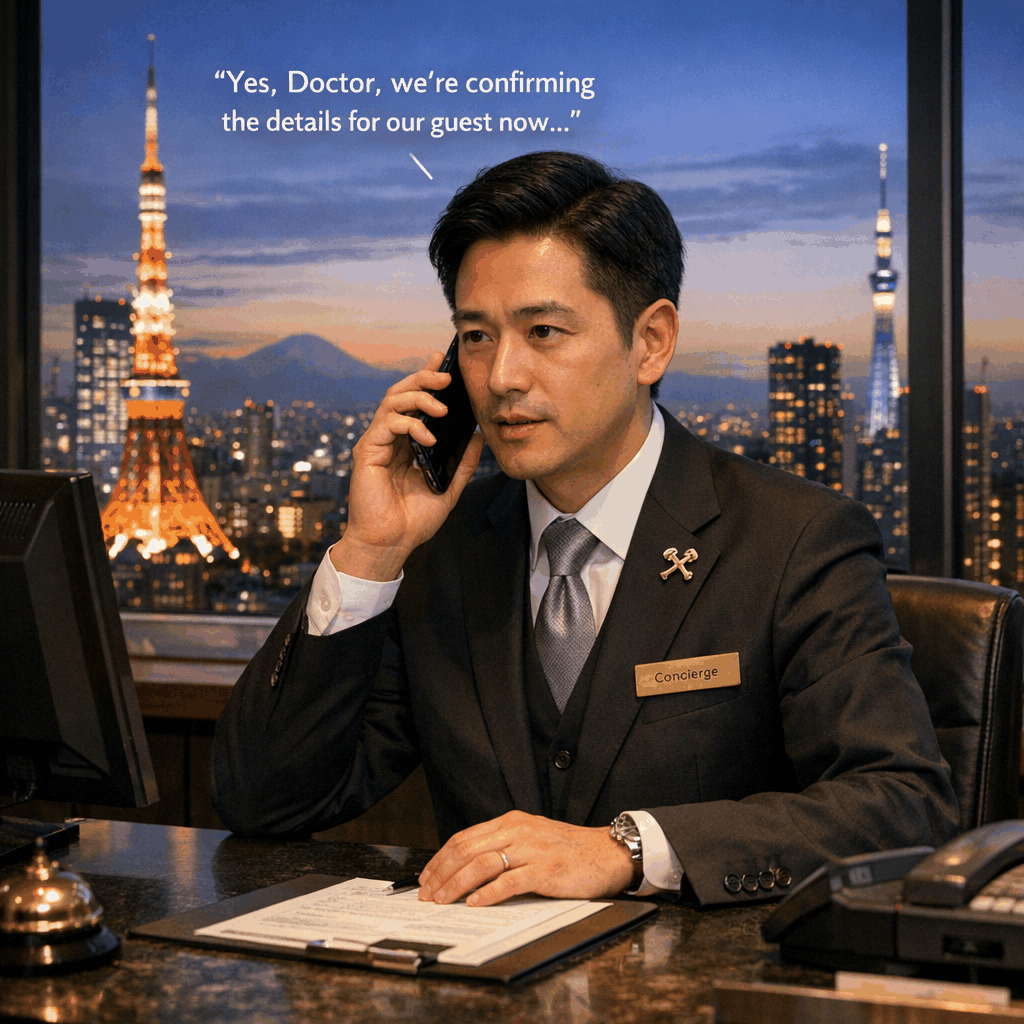
Yes. In Tokyo, concierges (hotel or private) can locate appropriate hospitals or clinics, contact international patient desks, arrange transport, and source interpreters — but they cannot replace medical professionals; for life‑threatening emergencies you must call 119 immediately [3]. Confirm any fees, privacy handling, and whether the concierge will accompany you or only make arrangements.
For life‑threatening situations (unconsciousness, severe breathing problems, heavy bleeding, suspected stroke/heart attack), call 119 for an ambulance and fire/rescue services immediately; do not wait for a concierge to act first [3]. Concierges should help call emergency services if you cannot, but they must not delay a 119 call.
Concierges are facilitators, not healthcare providers. They cannot diagnose, prescribe, perform medical procedures, or legally act in place of licensed medical staff. They should not withhold or delay calling emergency services (119) in critical cases [3]. For medical privacy, decisions about sharing your health information require your consent and may be governed by medical privacy rules explained by national health authorities [1].
Start with hospitals that explicitly advertise international patient services. St. Luke’s International Hospital in Chuo provides an international desk and English resources for visitors and expatriates [4]. The Tokyo Metropolitan Government maintains an English information portal with guidance on medical care and multilingual services in the city, which concierges can use to find appropriate local clinics or public health centers [2]. For mental‑health crises and counseling in English, TELL offers a Lifeline and counseling services that concierges can contact on behalf of clients for non‑emergency support [5].
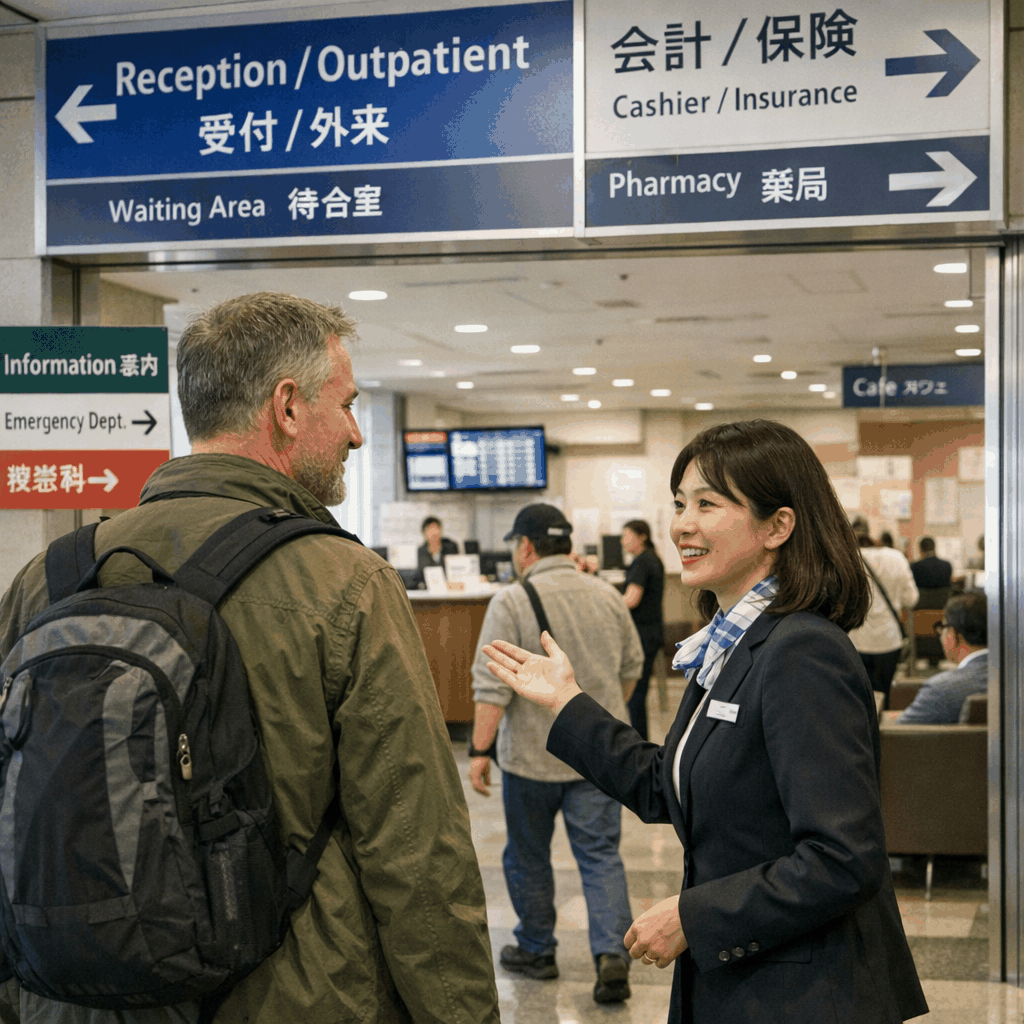
Costs for concierge help vary: many hotel concierges will provide basic assistance (calling a hospital, arranging a taxi) as part of guest services, while private concierge or interpreter agencies commonly charge fees — always confirm rates in advance. Hospitals and clinics have their own fees and billing practices; ask the international patient desk about payment methods and whether they can bill your insurer directly [4].
For privacy, tell your concierge what they are allowed to disclose; hospitals will require your consent before sharing medical details, following national health rules and hospital policy [1]. If you need consular help (lists of English‑speaking doctors, translation of medical documents, or family notification), contact your embassy or consulate; many embassies publish medical resource guidance for residents and visitors [6].
Concierges can be a practical bridge to Tokyo’s healthcare system, especially at hospitals with international services, but always prioritize emergency services (119) and verify costs, interpreter availability, and privacy handling up front using official resources such as the Tokyo Metropolitan Government and national health pages [2][1][3].
CallButler is a multilingual concierge service that handles research, coordination, and bookings so you do not have to navigate language barriers or unfamiliar systems alone. If you need help related to Can a concierge help with hospitals for foreigners in Tokyo? or the tasks around it, our team can step in to manage the details and keep things moving smoothly.
Looking for halal ramen in Kyoto after 10 p.m.? Here’s where to check, which areas are most practical, and how to verify hours and halal status.
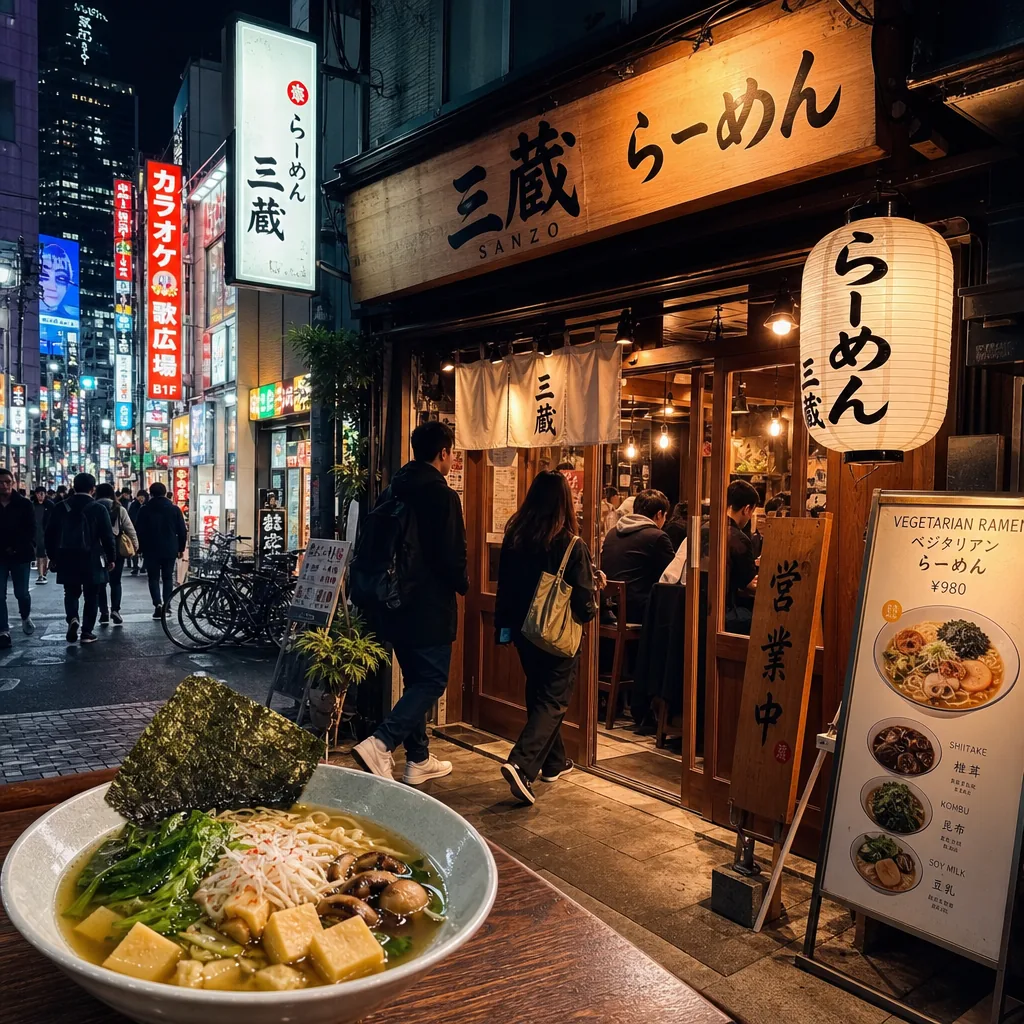
Find late-night vegetarian ramen in Tokyo by focusing on Shibuya, Shinjuku, and Roppongi, then verify broth, hours, and vegan menu details.
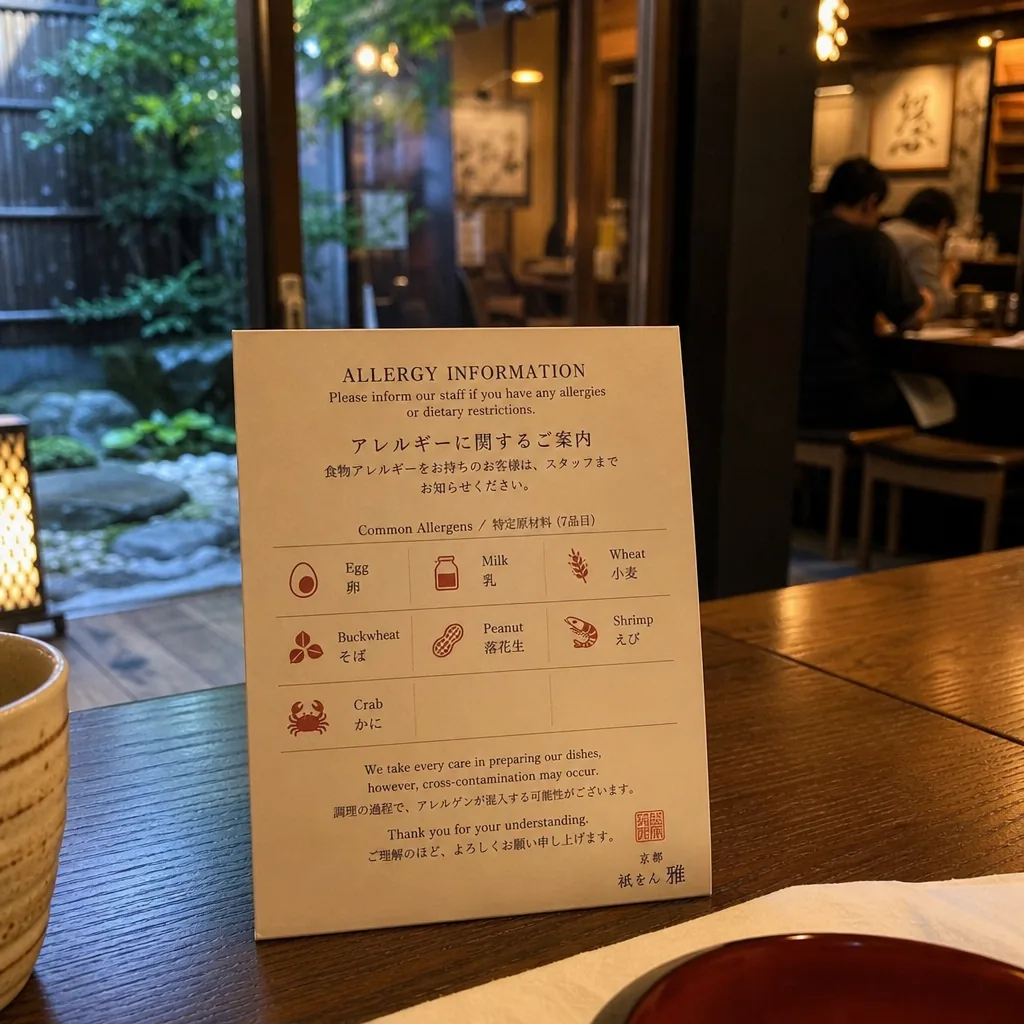
Practical Kyoto guide for expats on finding allergy-friendly restaurants, using official city resources, Japanese labeling rules, and booking tips.