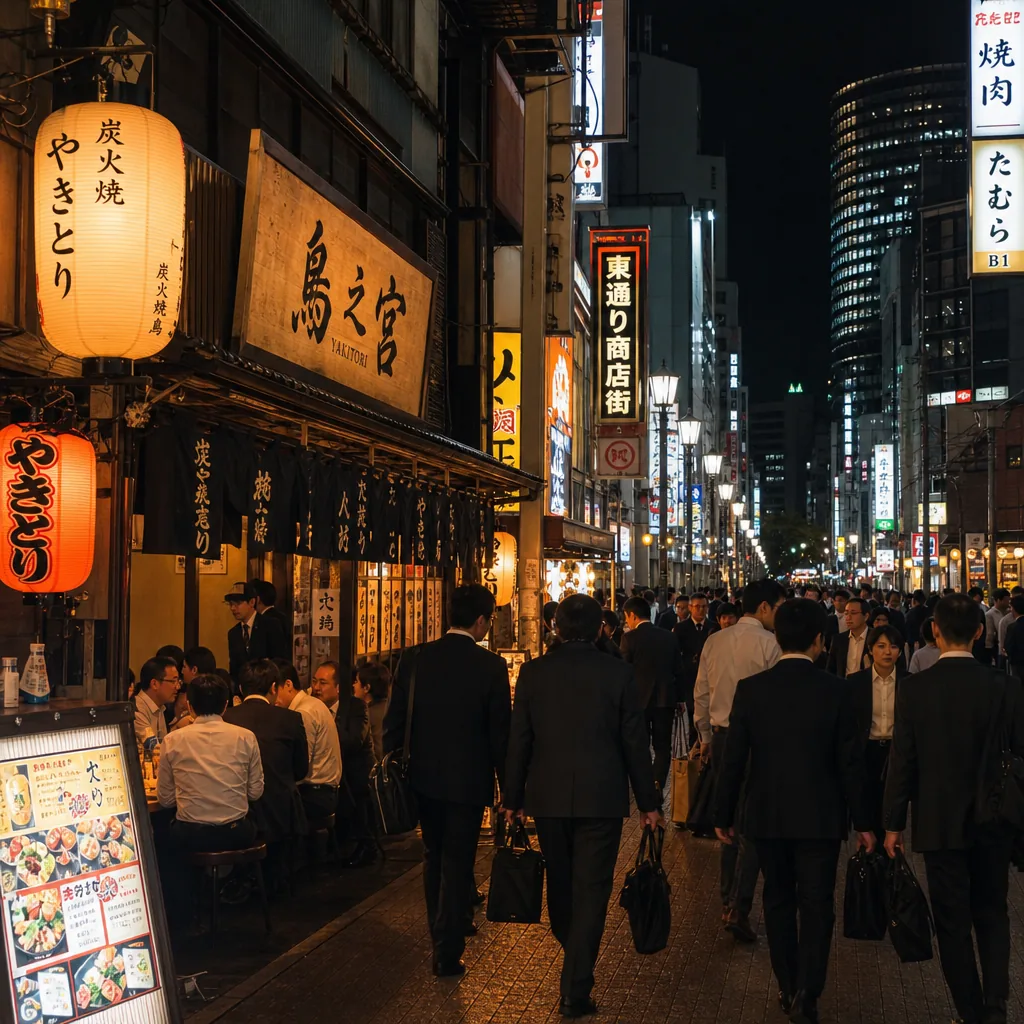
Where can I find english-friendly yakitori in Osaka after work?
Find English-friendly yakitori in Osaka after work by targeting Umeda, Namba, and Honmachi, plus booking sites and multilingual menus.
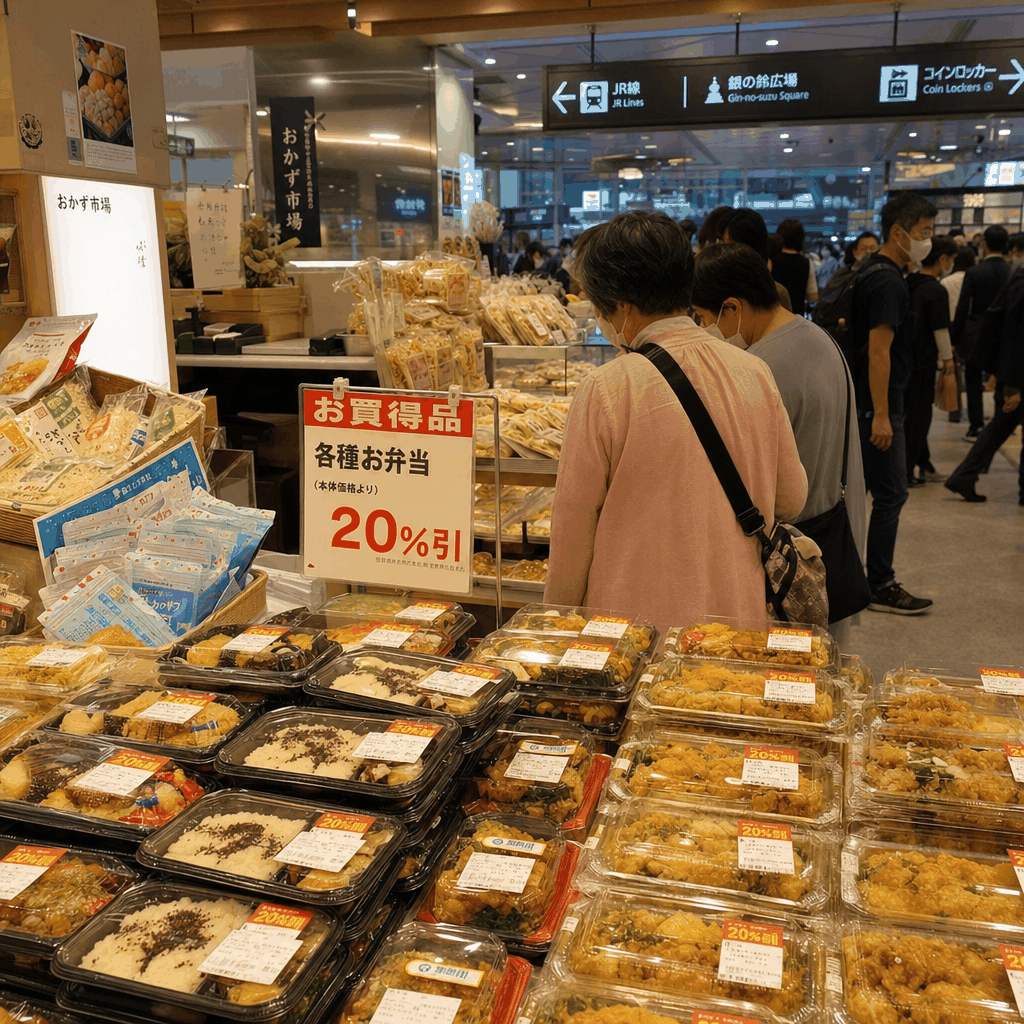
Tokyo depachika are usually best for discounted bento and snacks in the late afternoon through evening, with the deepest markdowns often showing up in the last 1 to 2 hours before closing. If you want the best value, go after the lunch rush, then circle back near closing time to catch stickered deli items, sushi, and bakery snacks [1][2][3].
Depachika are the food basements inside Japanese department stores, and Tokyo’s versions are famous for their prepared foods, sweets, and gift items. Tokyo Metropolitan Government’s tourism guide notes that department stores are major shopping destinations in the city, and food floors are part of that appeal [1]. Because bento, salads, fried foods, and bread have short shelf lives, stores reduce prices to clear stock before the end of the day.
This is especially common at busy department stores near major stations, where lunch traffic is strong and evening demand changes quickly. In practice, that means the same counter may mark down a lunch bento once service slows, then cut prices again as closing time gets closer.
The most reliable window is late afternoon to evening. Start checking around 3:00 p.m. to 5:00 p.m. if you want to catch the first wave of markdowns after lunch, then return between 6:00 p.m. and closing for the steepest discounts. Department store closing times vary, so your exact window depends on the store; Tokyo department store guides and mall sites such as Mitsukoshi Isetan, Takashimaya, and LUMINE all emphasize that hours differ by location [2][3][4].
For example, a store that closes at 8:00 p.m. may start discounting prepared foods around 6:00 p.m. to 7:00 p.m., while a location open later may shift the markdown cycle accordingly. The rule is simple: the closer you are to closing, the better the price, but the smaller the selection.
Weekdays are usually the best bet in Tokyo because crowds are lighter and stock may last longer into the evening. That gives you a better chance of finding both variety and markdowns before popular items disappear. Weekends can still be productive, but the most attractive bentos and snacks often sell out quickly once the discount stickers appear.
If you can only shop once, aim for a weekday evening in a central area. If you are trying to maximize savings, visit two depachika in the same outing: one shortly after 5:00 p.m. and another closer to closing.
Focus on depachika in major station-connected shopping areas, where food turnover is high and the selection is broad. In central Tokyo, strong starting points include Takashimaya Times Square in Shinjuku, Mitsukoshi in Nihombashi, and department stores around Ginza. These are the kinds of department-store food halls highlighted by Takashimaya and Mitsukoshi Isetan as core depachika shopping destinations [2][3].
Shinjuku is especially practical because station traffic is huge and department stores there serve both commuters and visitors. Nihombashi is another useful area because it is a classic department-store district with strong food-floor traditions. If you are already traveling through the city, Haneda Airport’s shopping and dining facilities are another place to look for prepared foods, though airport pricing and markdown timing may differ from urban department stores [5].
Good Tokyo examples to check include Takashimaya Times Square in Shinjuku, Mitsukoshi Nihombashi Main Store, and department stores in the Ginza area [2][3]. These locations are worth visiting because they combine high food turnover with a wide range of boxed meals, side dishes, and bakery items.
Look for discount stickers on bento, sushi, fried chicken, salads, and bakery snacks. In many Tokyo depachika, the label is the signal that the item is marked down; the exact color and percentage vary by store and counter, so do not rely on one universal pattern. The important thing is to scan each counter carefully as the staff update prices during the evening.
Here is a practical approach:
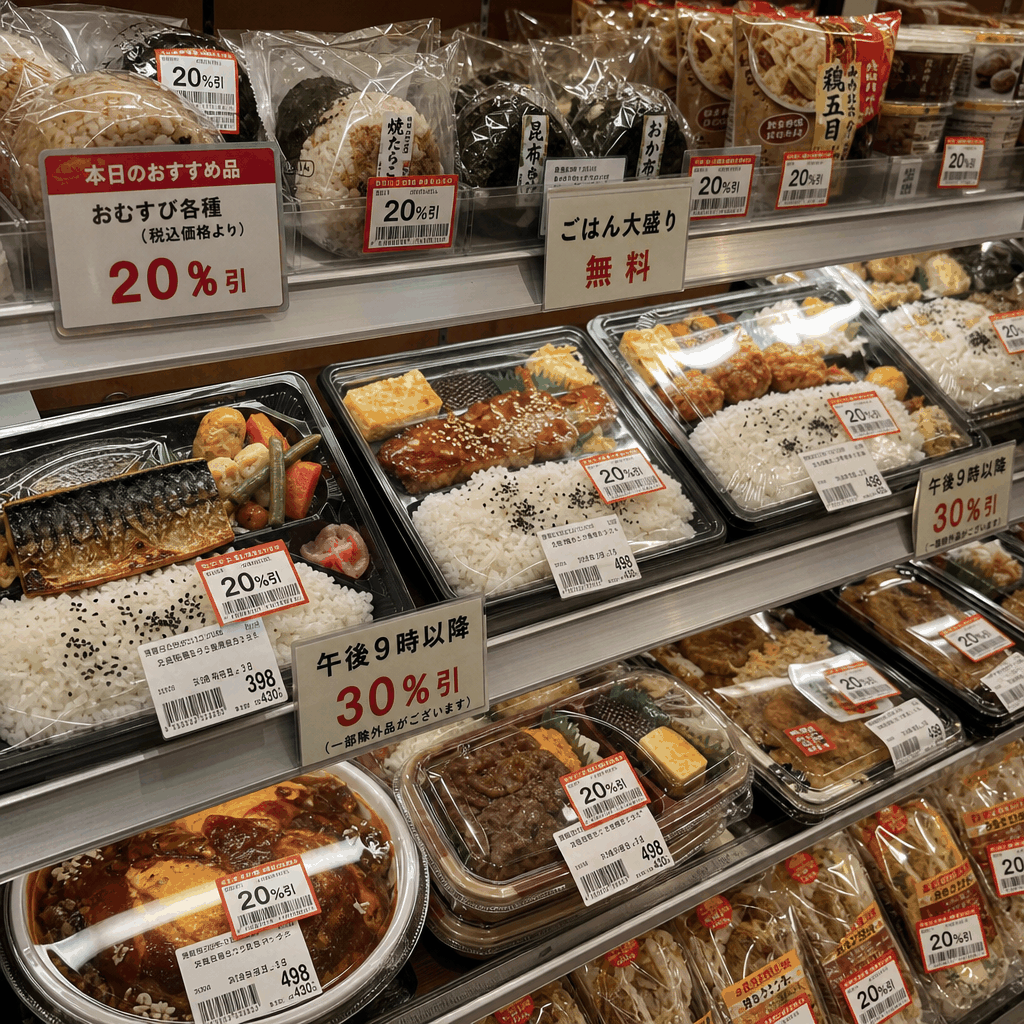
Timing matters more than speed, but a few habits can improve your results. First, arrive with a loose plan and one or two target neighborhoods instead of trying to cover the whole city. Second, shop near a station so you can move quickly between department stores without wasting time. Third, pay attention to the store’s closing time before you start, because depachika markdowns are tied to that schedule [2][3][4].
If you want the best chance of a bargain, combine two strategies: check a busy depachika around mid-to-late afternoon for variety, then revisit near closing for heavier discounts. This works well in Tokyo because major food floors often refresh prices as they try to clear unsold inventory before the lights go out.
Also remember that the “best” depachika is not always the biggest one. A smaller store near a commuter hub may have faster turnover than a famous flagship, while a larger hall may offer more choice but sell out popular items sooner. The best Tokyo strategy is to test a few stations—Shinjuku, Nihombashi, and Ginza are the most practical starting points—and learn each store’s evening rhythm [2][3].
If you want discounted bento and snacks in Tokyo, go late in the day, preferably on a weekday, and focus on the final 1 to 2 hours before closing. Start in busy station-area depachika, watch for markdown stickers, and be ready to buy quickly when a good item appears. That is the simplest way to turn Tokyo’s department-store food basements into a reliable source of dinner and snacks at a lower price.
CallButler is a multilingual concierge service that handles research, coordination, and bookings so you do not have to navigate language barriers or unfamiliar systems alone. If you need help related to When are Tokyo depachika best for discounted bento and snacks? or the tasks around it, our team can step in to manage the details and keep things moving smoothly.
Find English-friendly yakitori in Osaka after work by targeting Umeda, Namba, and Honmachi, plus booking sites and multilingual menus.
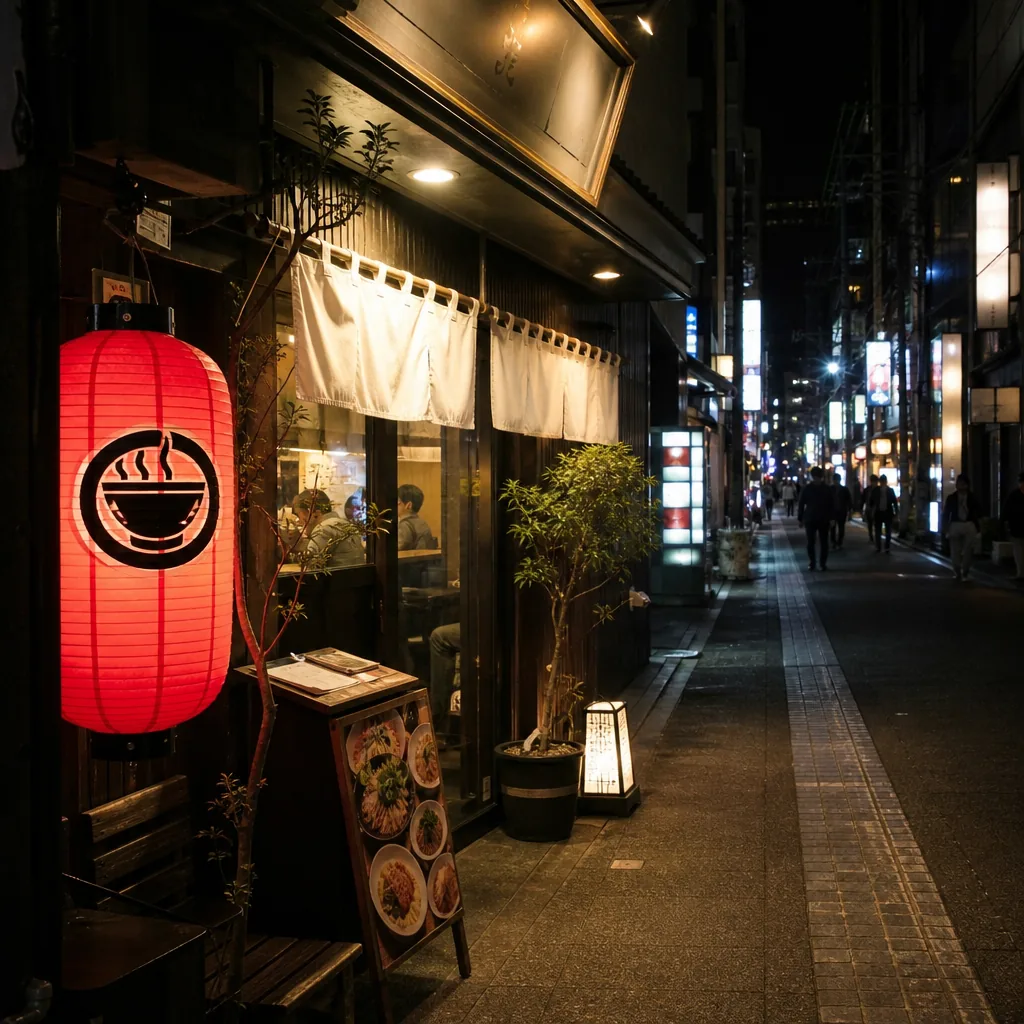
Looking for halal ramen in Kyoto after 10 p.m.? Here’s where to check, which areas are most practical, and how to verify hours and halal status.
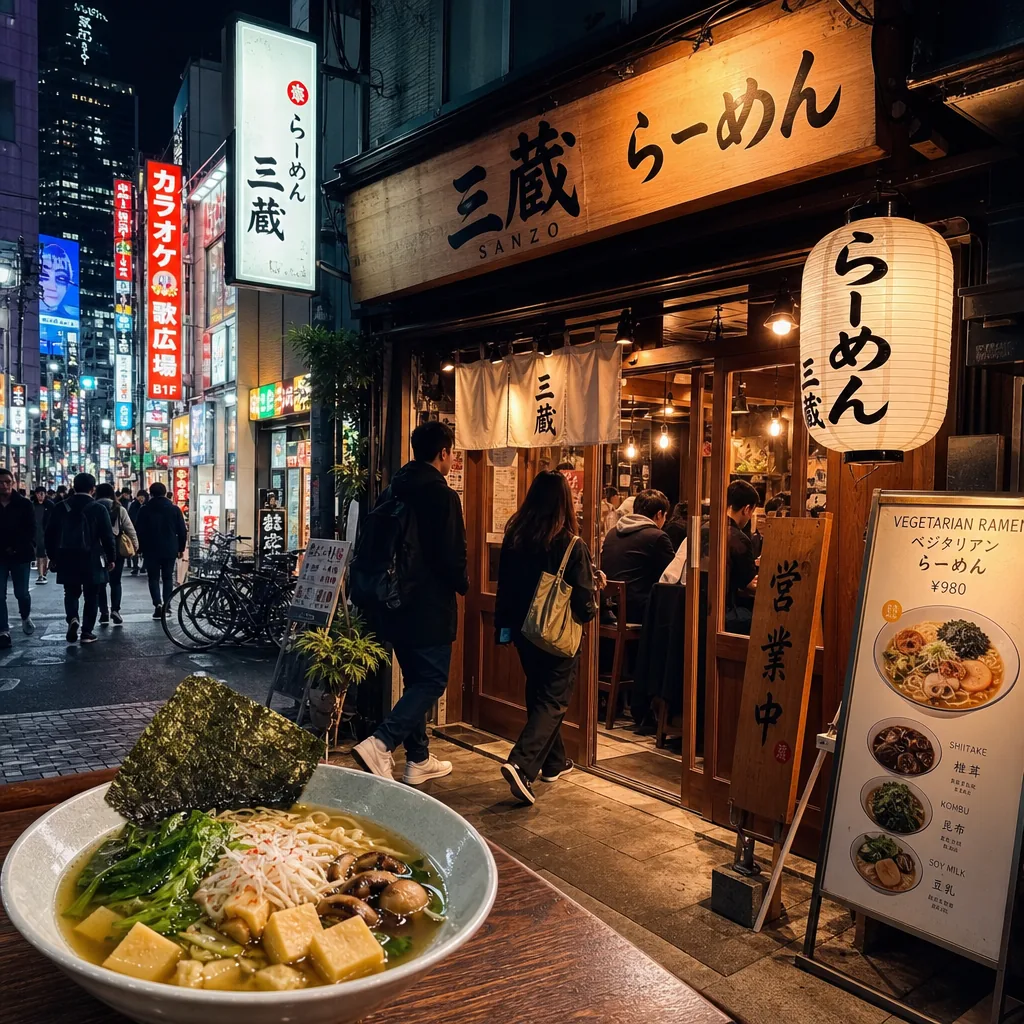
Find late-night vegetarian ramen in Tokyo by focusing on Shibuya, Shinjuku, and Roppongi, then verify broth, hours, and vegan menu details.