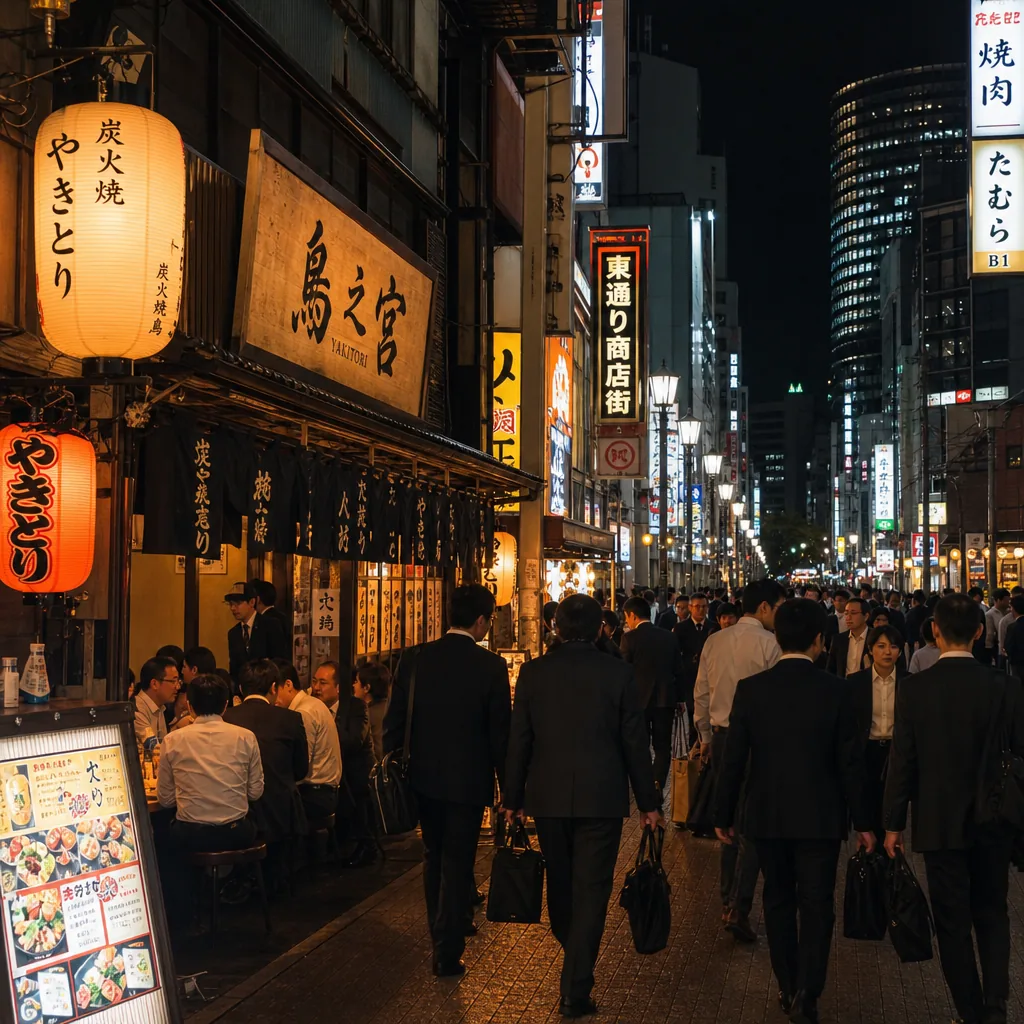
Where can I find english-friendly yakitori in Osaka after work?
Find English-friendly yakitori in Osaka after work by targeting Umeda, Namba, and Honmachi, plus booking sites and multilingual menus.
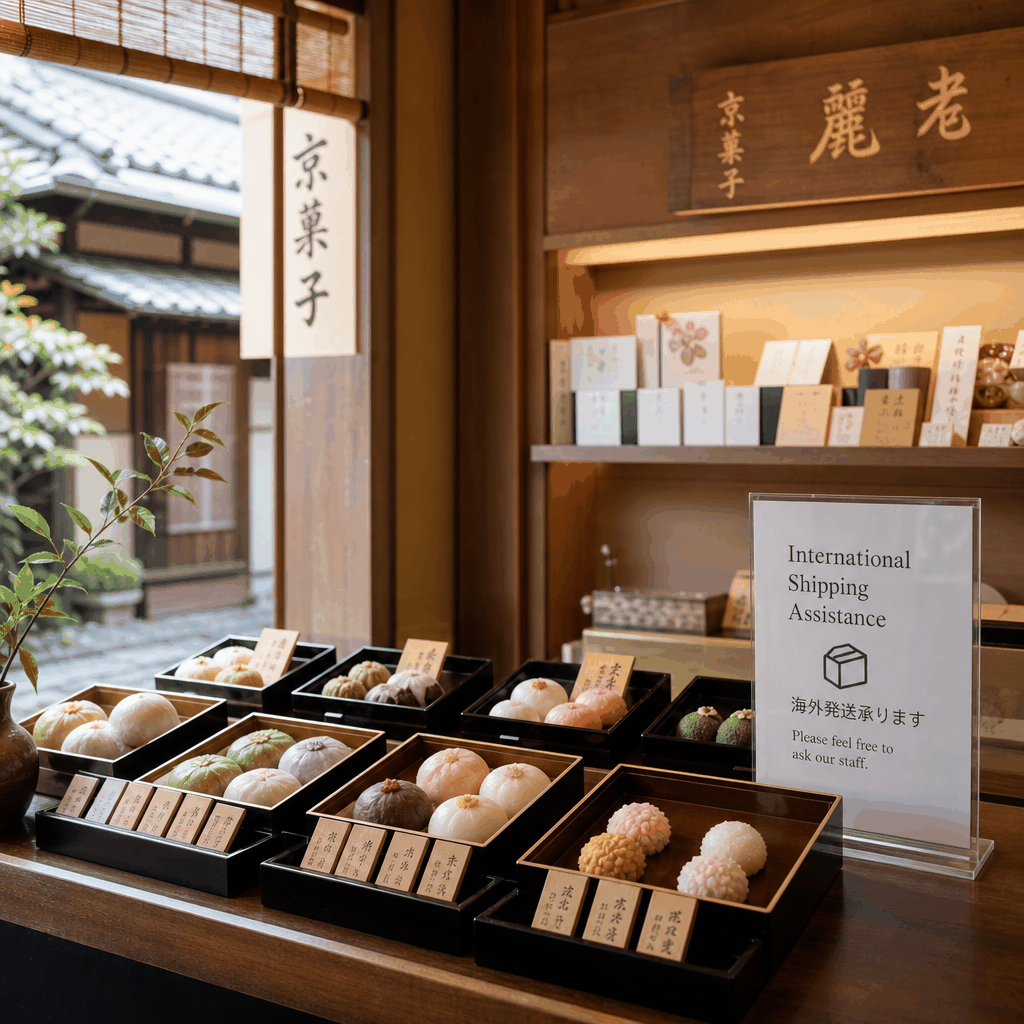
Yes, you can sometimes ship wagashi overseas from a Kyoto shop, but only if the sweet is exportable and the destination country allows it. In practice, shelf-stable, individually packaged wagashi are the best candidates, while fresh, refrigerated, or highly perishable sweets are often not suitable for international delivery [1][2].
The easiest wagashi to send overseas are products that are sealed, dry, and made to last at room temperature. Japan’s Ministry of Agriculture, Forestry and Fisheries explains that food export success depends on whether the product can meet the destination country’s import rules, packaging requirements, and shelf-life conditions [2]. For Kyoto buyers, that usually means looking for gift boxes of baked or dried sweets rather than delicate fresh items.
Fresh wagashi are the most difficult category. Many are made with high moisture content, limited shelf life, or ingredients that need refrigeration, which makes them hard to move across borders safely [2]. Even if a Kyoto shop can pack them for domestic delivery, that does not mean they will clear customs abroad.
Kyoto’s food-and-sweets scene includes many long-established shops, but the exportability of each item still depends on the product itself. Kyoto City’s tourism guide highlights the city’s sweets culture broadly, including both traditional confectionery and modern packaged treats sold in areas such as Gion and Nishiki Market [3].
Kyoto shops generally use one of two models: they either ship overseas themselves, or they sell products that a buyer later forwards with a carrier. Japan Post’s international mail services include options such as parcel and EMS-style shipping, but availability and acceptance depend on the item, destination, and service rules [1]. Private couriers may also be used by some stores, especially for higher-value gift orders.
That said, a shop’s willingness to send something abroad is only the first hurdle. A Kyoto store may be happy to pack wagashi for export, but the parcel still has to satisfy the destination country’s food rules. In other words, “We can ship it” does not always mean “It will be admitted” [1][4][5].
Examples of Kyoto places where shoppers often look for boxed sweets include:
For buyers, the safest approach is to choose products that already come in sealed retail packaging and ask whether the shop has shipped them internationally before. If a shop cannot confirm export experience, that is a signal to slow down and check more carefully.
Japan Post offers international mail services that can be used for parcels, but the sender must follow each service’s rules on restricted items, packaging, and destination acceptance [1]. The practical benefit is reach: Japan Post can be convenient for destinations where the shop does not have a private courier account. The practical limit is that food items are still subject to inspection, declaration, and local import rules [1].
Private couriers may offer more flexibility for some stores, especially when temperature control is needed within Japan. However, frozen or chilled delivery in Japan does not solve border restrictions overseas. A parcel that is kept cold domestically can still be refused at the destination if the food is not permitted entry [2][4][5].
If a Kyoto shop offers courier shipment, ask three concrete questions before paying:
Those questions matter because the shipping label alone does not determine legality. Customs officers care about contents, ingredient list, and destination regulations, not just whether the parcel came from a reputable Kyoto store [1][4].
The biggest barrier is often not Kyoto’s sellers but the receiving country’s food-import rules. Tokyo Customs notes that food and food products can be restricted depending on ingredients and whether the item is animal-derived or plant-based [4]. U.S. Customs and Border Protection similarly warns travelers that some foods are prohibited or restricted, especially items containing meat or other controlled ingredients [5].
That means a box of wagashi may be blocked if it includes ingredients that are not allowed, even when the sweet itself seems harmless. Dairy, eggs, meat-derived ingredients, and some seeds or plant products can all matter depending on the country [4][5]. For international gifts, the most common mistake is assuming “dessert” automatically means “safe to import.”
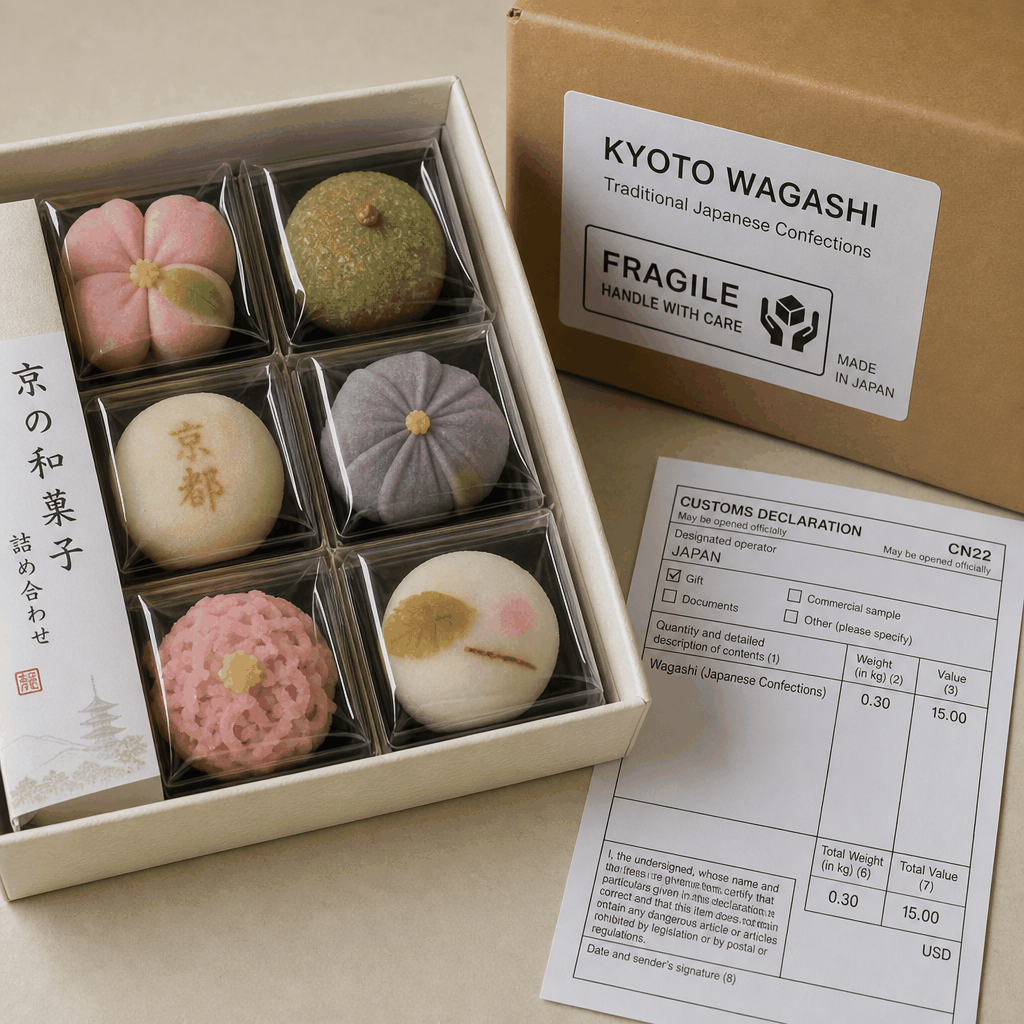
Customs declarations also matter. International parcels generally require an honest description of contents and value. If a Kyoto shop writes only “gift” or “snacks” without enough detail, the package may be delayed or challenged. Accurate labeling is part of the shipment process, not an optional extra [1][4].
Before you buy, verify both the shop policy and the destination-country rules. Kyoto tourism resources can help you find well-known sweet shops, but they do not replace export compliance [3].
Use this checklist:
If you are sending a gift, ask the shop to hold the order until you confirm import eligibility. That small delay can prevent a parcel from being returned, seized, or destroyed after it leaves Japan.
For the best chance of success, choose Kyoto wagashi that are individually wrapped, sealed, and clearly labeled. A boxed confection from a place such as Nishiki Market or a packaged omiyage counter near Kyoto Station is often a better export candidate than a fresh sweet sold for same-day enjoyment [3].
Also keep timing in mind. Fresh wagashi can lose quality quickly, so even if a shop agrees to ship them, transit time may make them unsuitable by the time they arrive. Shelf-stable sweets are usually a better fit for overseas gifts because they tolerate longer travel and customs delays [2][1].
In short, Kyoto shops can sometimes ship wagashi overseas, but the answer depends on the specific product, the shipping method, and the destination country’s import laws. If you want the safest option, choose packaged sweets, confirm exportability with the shop, and check customs rules before you pay [1][2][4][5].
CallButler is a multilingual concierge service that handles research, coordination, and bookings so you do not have to navigate language barriers or unfamiliar systems alone. If you need help related to Can I ship wagashi overseas from a Kyoto shop? or the tasks around it, our team can step in to manage the details and keep things moving smoothly.
Find English-friendly yakitori in Osaka after work by targeting Umeda, Namba, and Honmachi, plus booking sites and multilingual menus.
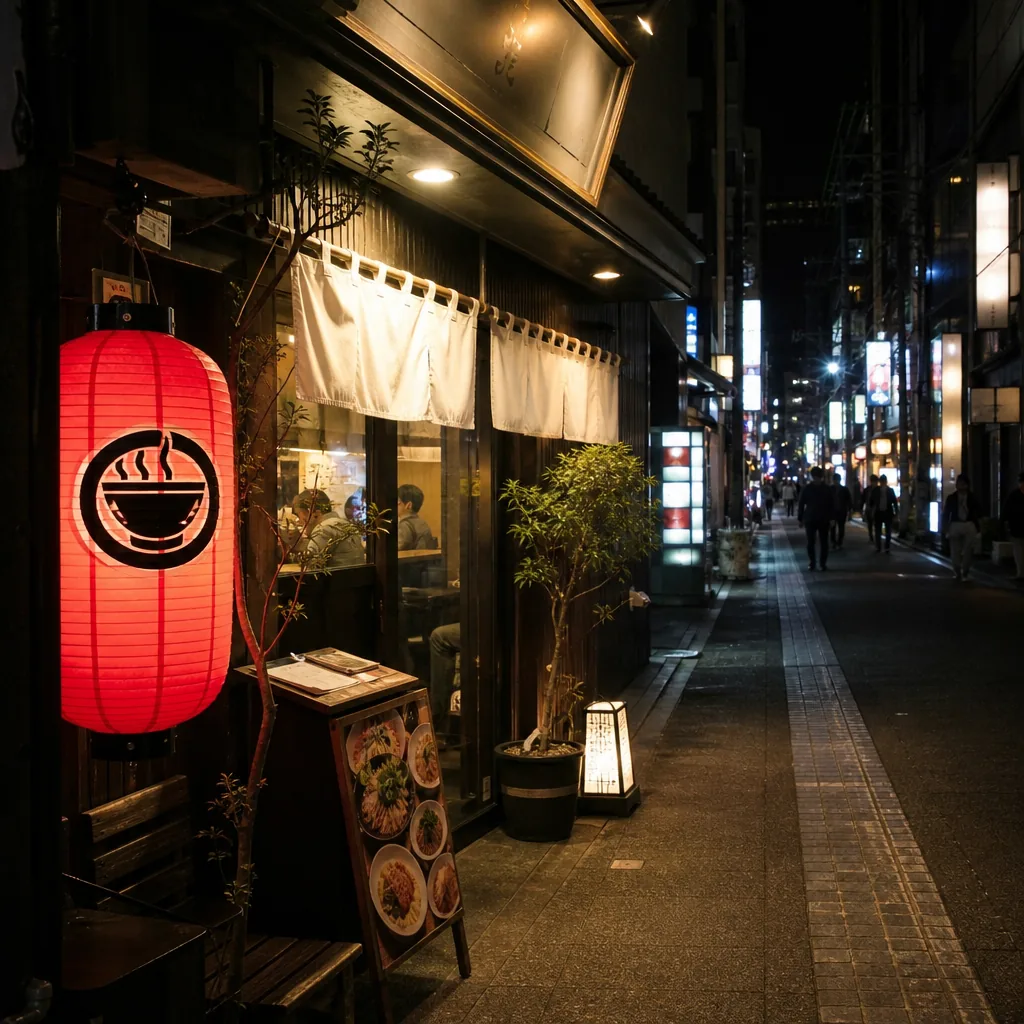
Looking for halal ramen in Kyoto after 10 p.m.? Here’s where to check, which areas are most practical, and how to verify hours and halal status.
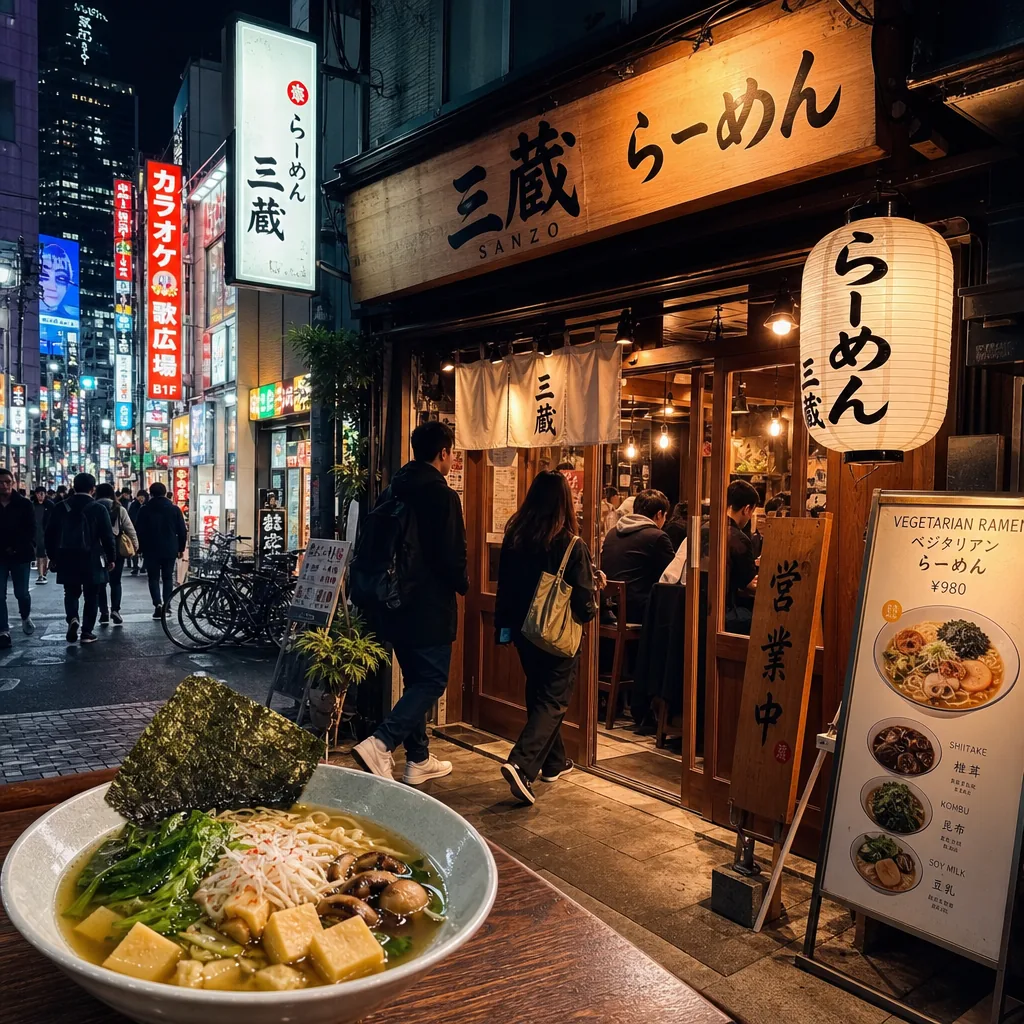
Find late-night vegetarian ramen in Tokyo by focusing on Shibuya, Shinjuku, and Roppongi, then verify broth, hours, and vegan menu details.