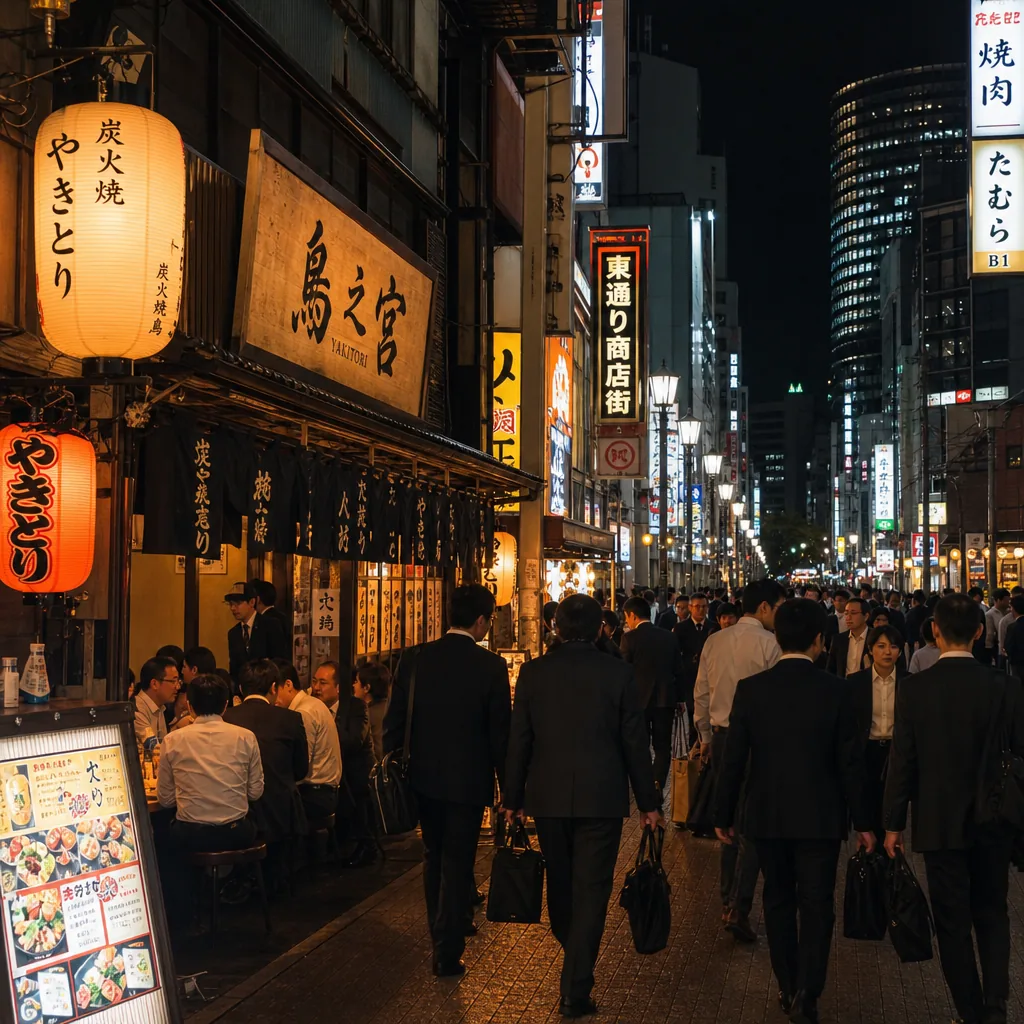
Where can I find english-friendly yakitori in Osaka after work?
Find English-friendly yakitori in Osaka after work by targeting Umeda, Namba, and Honmachi, plus booking sites and multilingual menus.
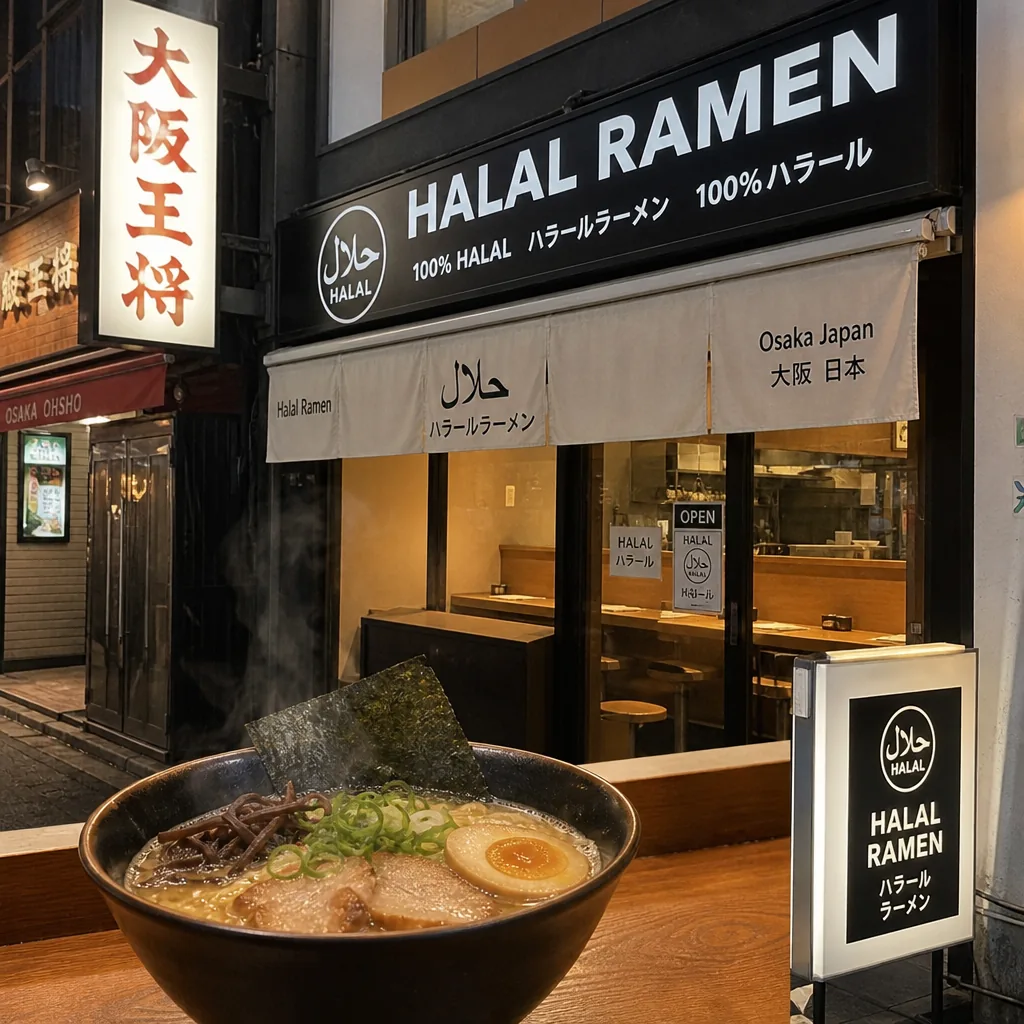
Yes—expats can find halal ramen in Osaka, but the most reliable options are concentrated in central visitor areas like Namba, Dotonbori, and Umeda, and you should still verify each shop’s ingredients and kitchen rules before ordering [1][2]. Osaka’s halal scene includes fully halal ramen shops as well as Muslim-friendly places with separate utensils or halal-certified components, so the key is checking current details rather than assuming every “halal” label means the same thing [1][3].
In Osaka, “halal ramen” can mean two different things. The strict version uses no pork, no lard, no alcohol-based seasonings such as mirin or shochu in the broth, and separate preparation practices. The looser “Muslim-friendly” version may still avoid pork and alcohol but rely on halal-certified noodles, broth, or ingredients while using shared kitchen space, so it is important to read the shop’s policy carefully [1][3][4].
Osaka tourism guidance specifically advises diners to confirm ingredients, alcohol use, and how food is handled in the kitchen because halal practices vary by restaurant [1]. That matters for ramen, since broth, tare sauce, and toppings can each introduce non-halal ingredients even when the noodles themselves are acceptable.
If you want to maximize your chances, start in Osaka’s busiest central districts. Namba and Dotonbori are strong bets because many halal and Muslim-friendly restaurants target international visitors there, and Osaka’s own halal resources list restaurants in these areas [1][2]. Umeda is another practical choice, especially if you are arriving through Osaka Station or staying in the north side of the city [1][5].
These neighborhoods are useful not just because they have more options, but because they are easier to check in person. If a shop is full or uncertain about ingredients, you can often walk to another listed venue nearby rather than making a long cross-city trip. The Osaka Halal Gourmet Map is particularly helpful for this because it organizes listings across the city and points diners toward restaurants with current halal-friendly information [2].
One well-known option in Osaka is Naritaya Osaka Minami, which appears on Osaka halal listings and is often cited in halal-focused guides as a dedicated ramen choice in the Namba area [2][3]. For expats, the value of a dedicated shop like this is clarity: you are less likely to need to negotiate ingredients on the spot, and the menu information is usually more explicit than at general ramen chains.
Another important source is the Osaka Halal Gourmet Map, which lists halal and Muslim-friendly restaurants citywide and is useful for finding ramen spots that may not be widely advertised on English-language travel sites [2]. If you are staying in the central city, this map can help you find a ramen place near Namba, Shinsaibashi, or Umeda without relying on outdated blog posts.
Travel and halal directory sites also mention Osaka ramen restaurants that provide Muslim-friendly options with halal-certified ingredients or separate preparation practices [3][4][5]. Because menu details can change, the best use of these lists is as a starting point, not a final guarantee. Before visiting, check whether the restaurant still offers the same halal broth, noodles, or certification status shown online.
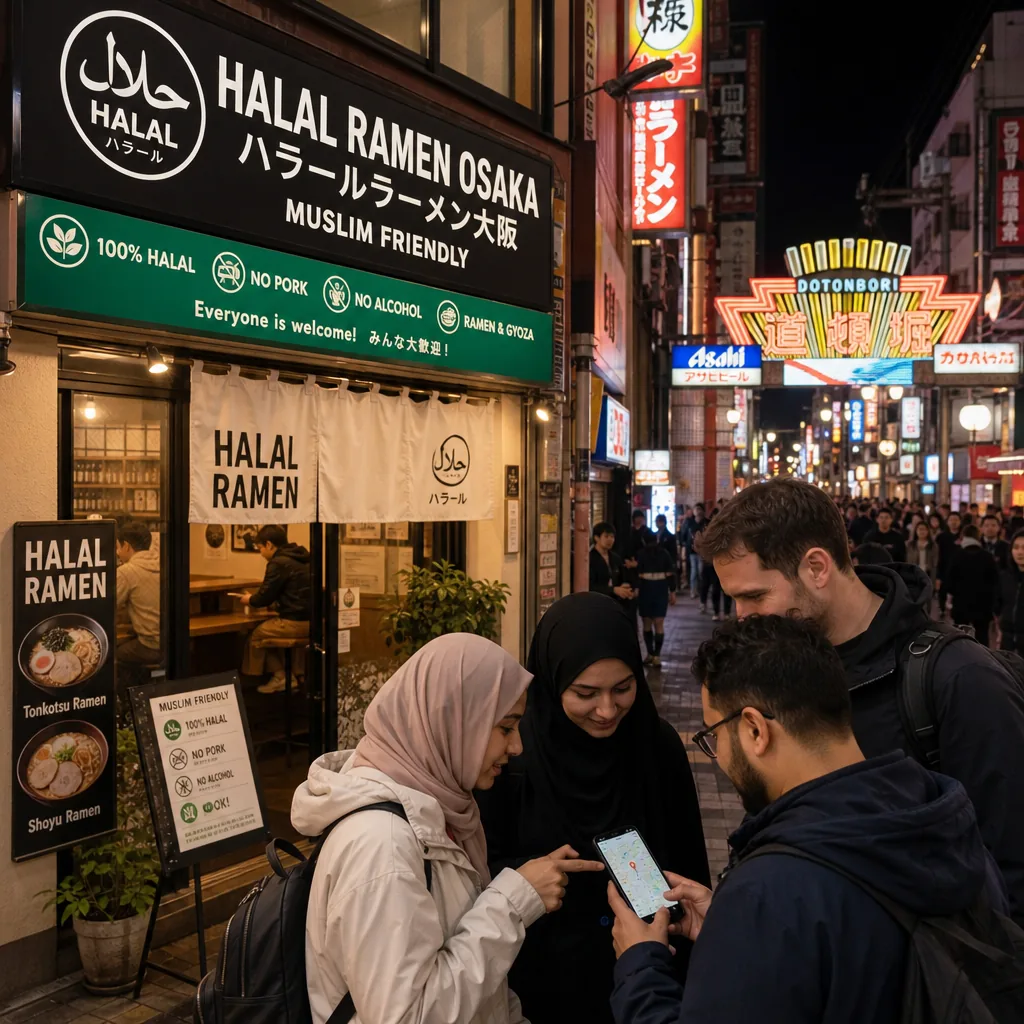
Verification is the most important step if you need strict halal compliance. Osaka tourism guidance recommends confirming ingredient lists, whether alcohol is used, and whether the kitchen handles halal food separately [1]. This is especially important for ramen because the broth may contain cooking alcohol, pork-derived stock, or seasoning pastes that are not obvious from the menu name alone.
A practical checklist before you head out:
For expats, this is the safest approach because “halal-friendly” in Osaka does not always mean fully halal. A restaurant may be acceptable for some Muslim diners but not for others who need stricter standards. When in doubt, use the shop’s own Japanese or English wording and ask specific questions about broth, seasoning, and preparation.
When you arrive, keep your questions direct and practical. Ask whether the ramen broth contains pork, lard, mirin, or shochu; whether the noodles are halal-certified; and whether the shop uses a separate pot or utensil set for halal orders [1][4]. If you are not comfortable asking in Japanese, many Muslim-friendly restaurants in central Osaka have English information on their websites or on halal directories [2][5].
It also helps to plan around location and timing. Osaka’s halal-friendly ramen shops are most likely to be easiest to access during lunch and early dinner hours in Namba, Dotonbori, and Umeda, when you can compare a few nearby options if one is busy [1][2]. If you are traveling with friends who eat non-halal food, choose a neighborhood with multiple listed restaurants so everyone has backup choices.
Here is the simplest strategy for finding halal ramen in Osaka now:
In short, Osaka does have halal ramen for expats, and the city’s best-supported choices are near its central visitor districts. If you use the Osaka Halal Gourmet Map, official tourism guidance, and each shop’s latest menu details, you can usually find a ramen place that fits your level of halal strictness without wasting time or guesswork [1][2][3].
CallButler is a multilingual concierge service that handles research, coordination, and bookings so you do not have to navigate language barriers or unfamiliar systems alone. If you need help related to Where can expats find halal ramen in Osaka now? or the tasks around it, our team can step in to manage the details and keep things moving smoothly.
Find English-friendly yakitori in Osaka after work by targeting Umeda, Namba, and Honmachi, plus booking sites and multilingual menus.
Looking for halal ramen in Kyoto after 10 p.m.? Here’s where to check, which areas are most practical, and how to verify hours and halal status.
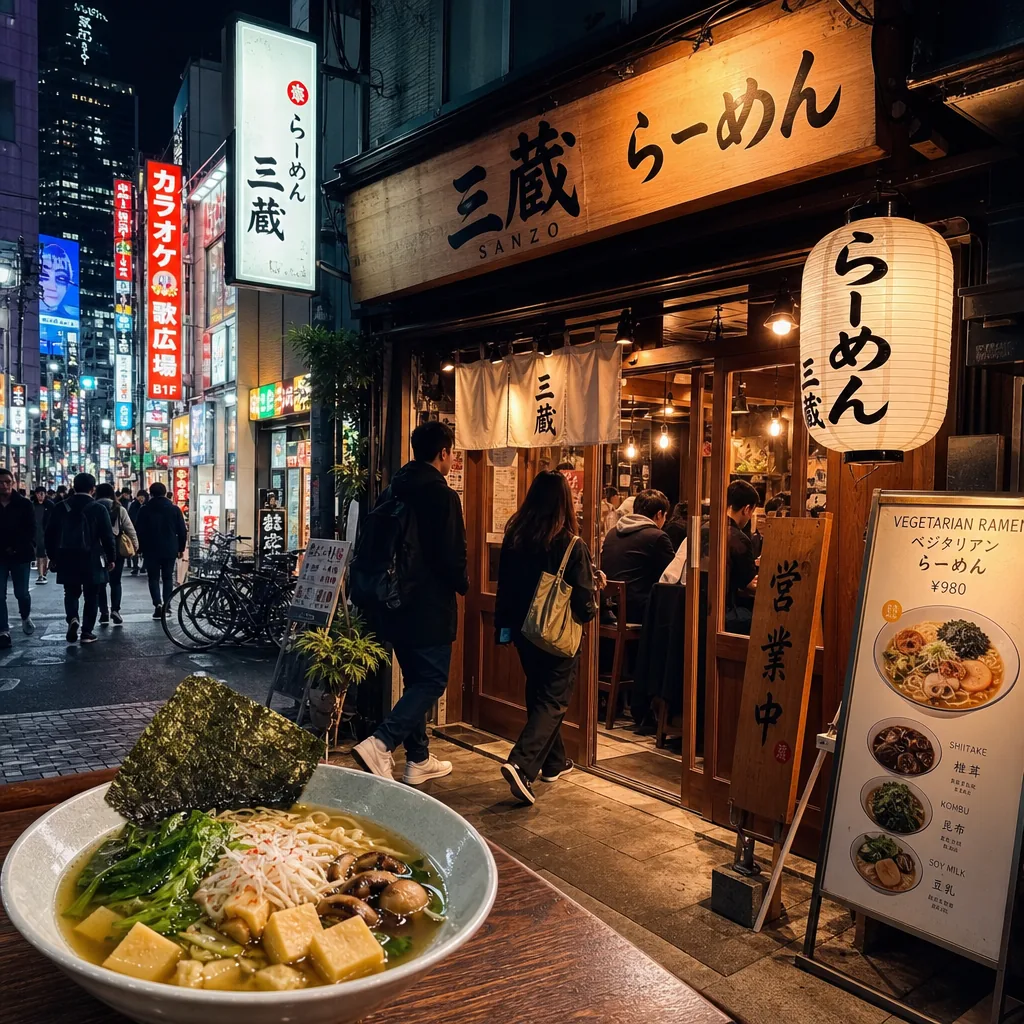
Find late-night vegetarian ramen in Tokyo by focusing on Shibuya, Shinjuku, and Roppongi, then verify broth, hours, and vegan menu details.